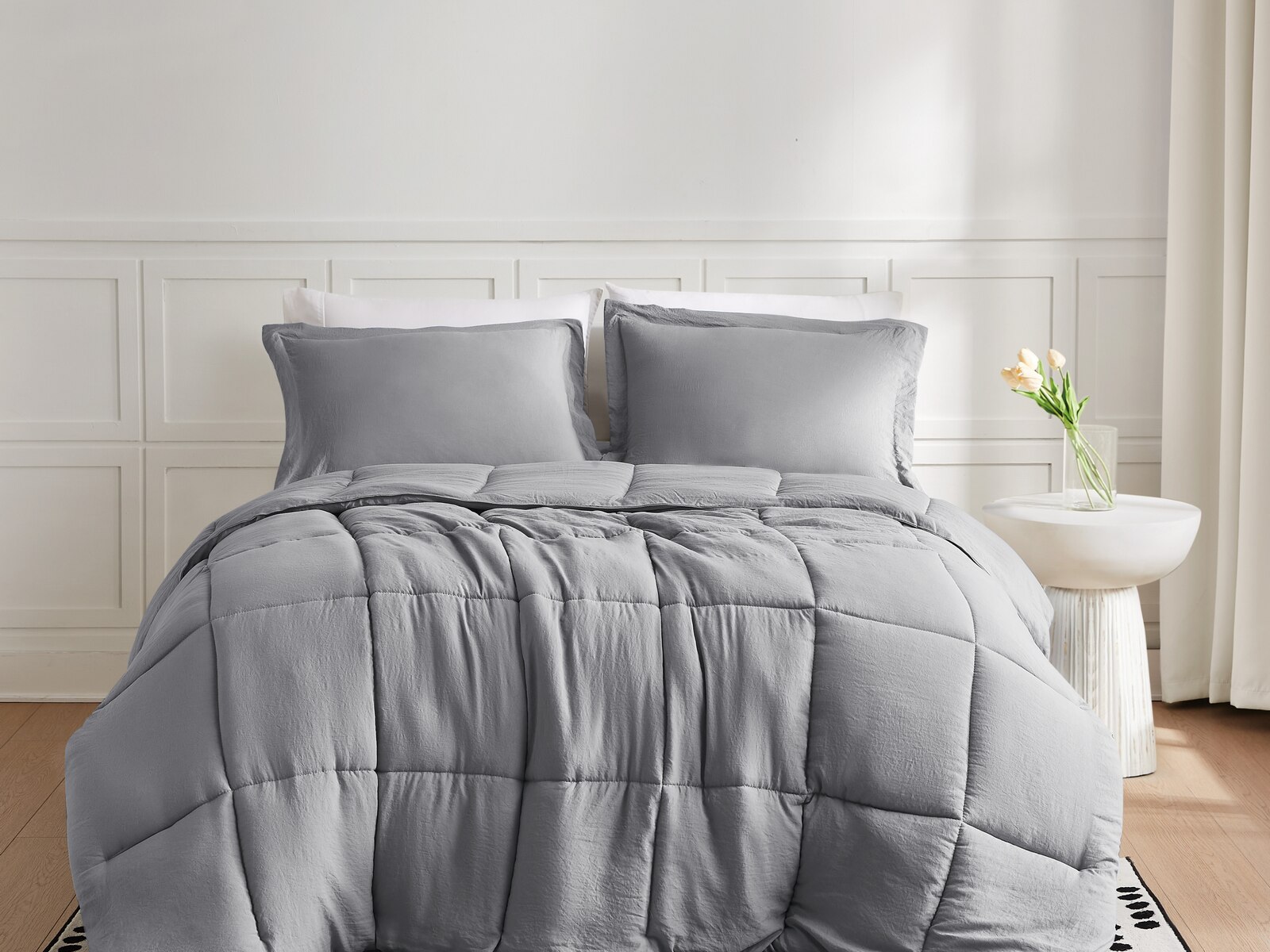
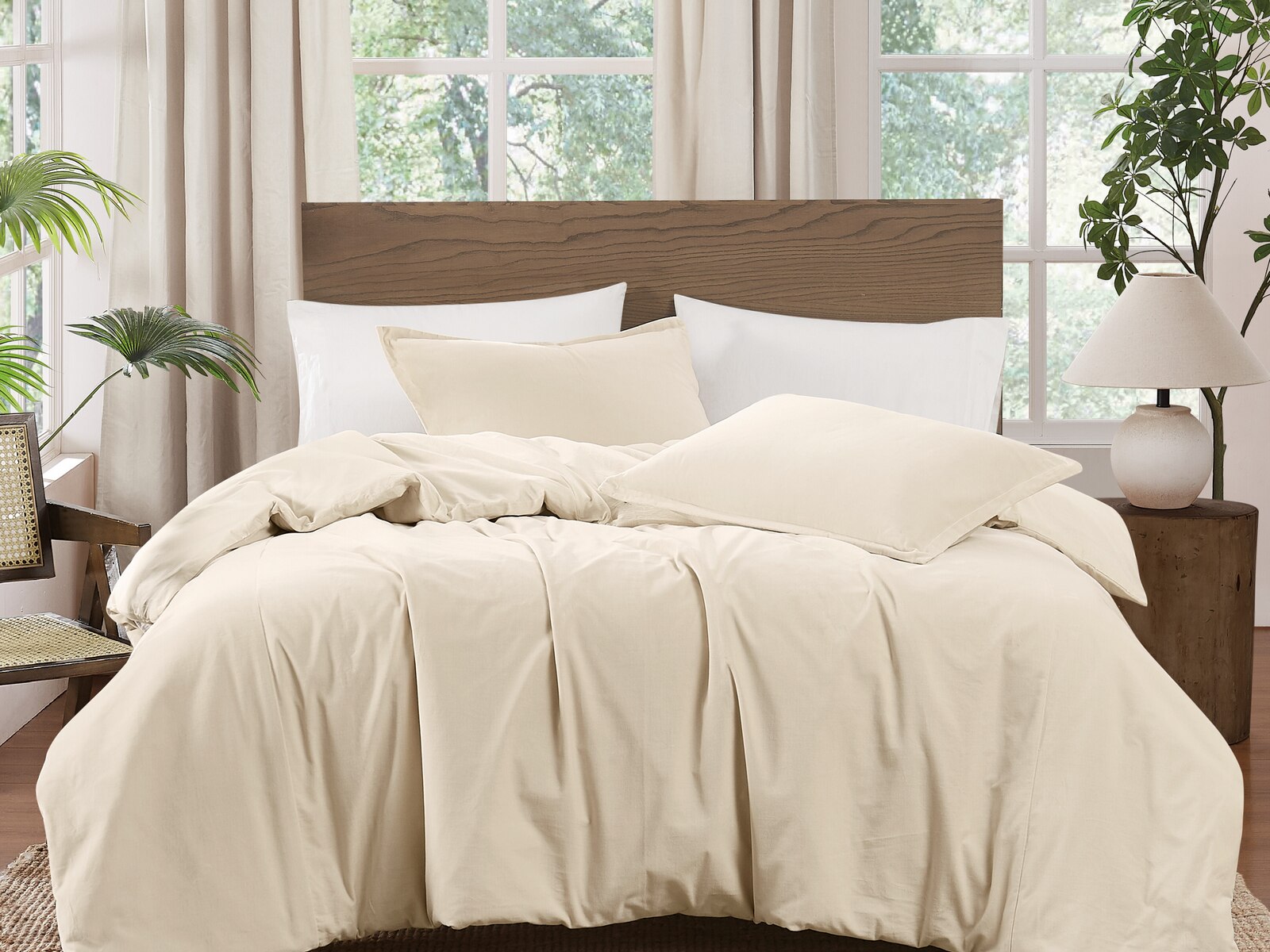
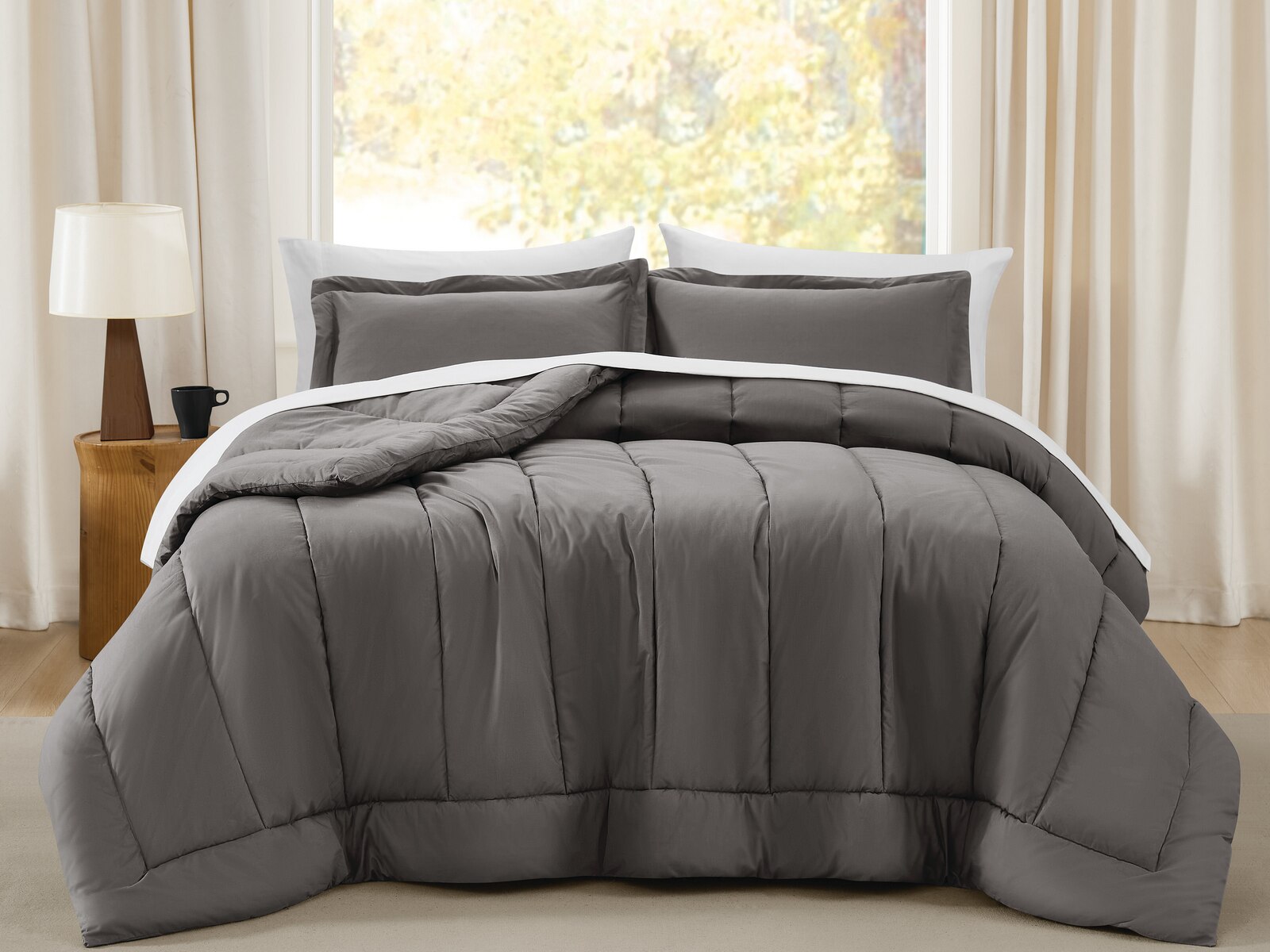
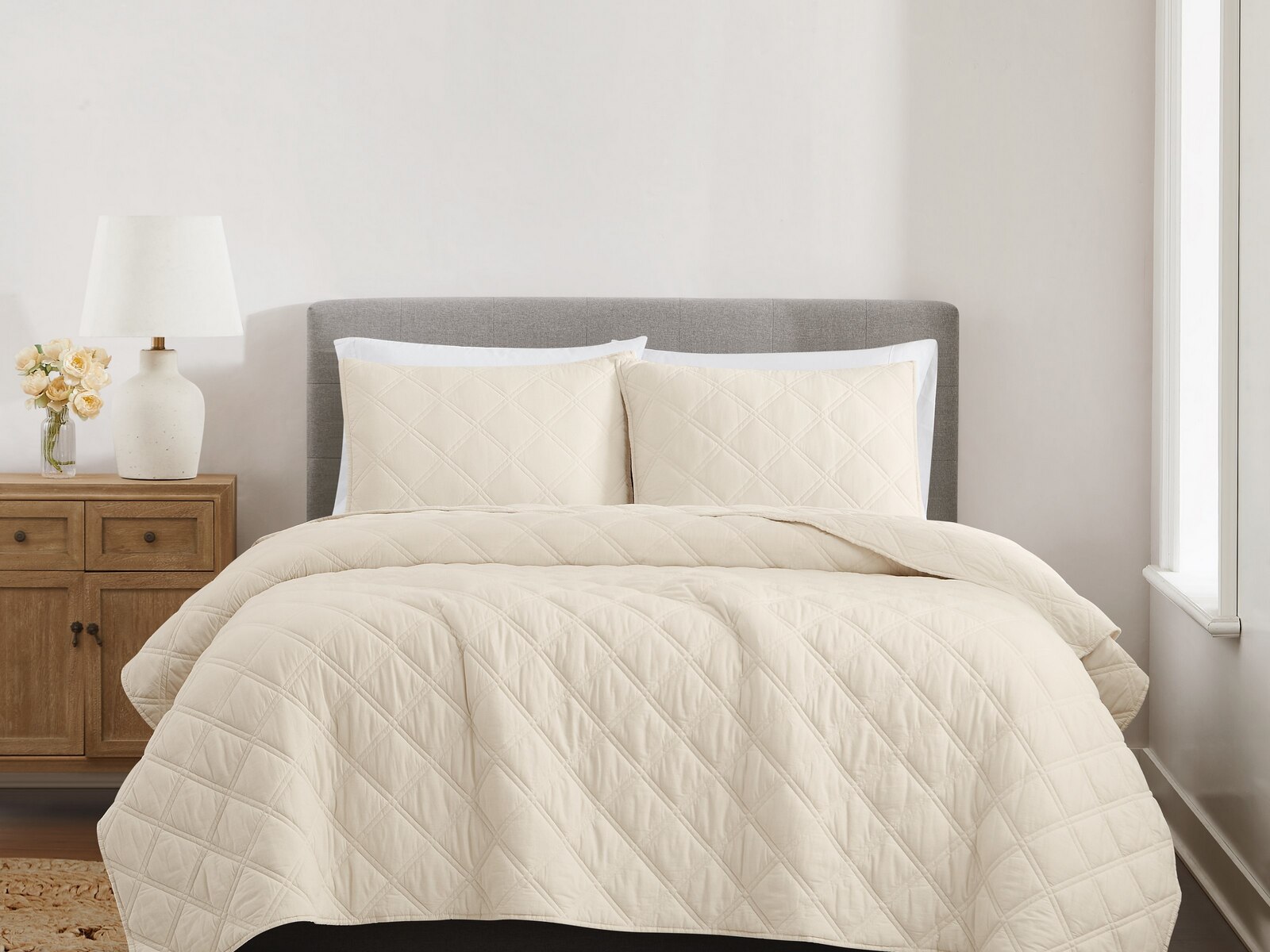
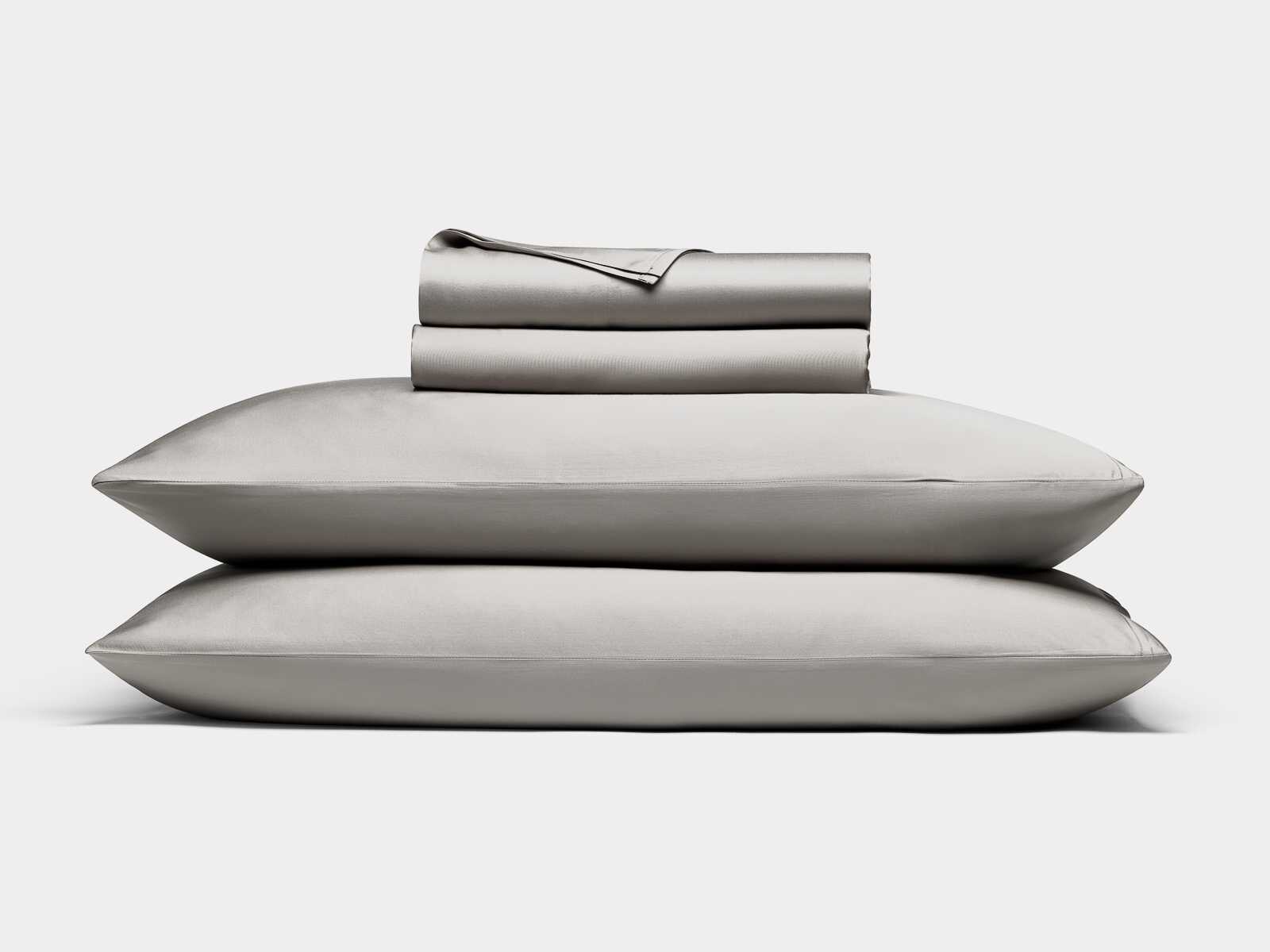
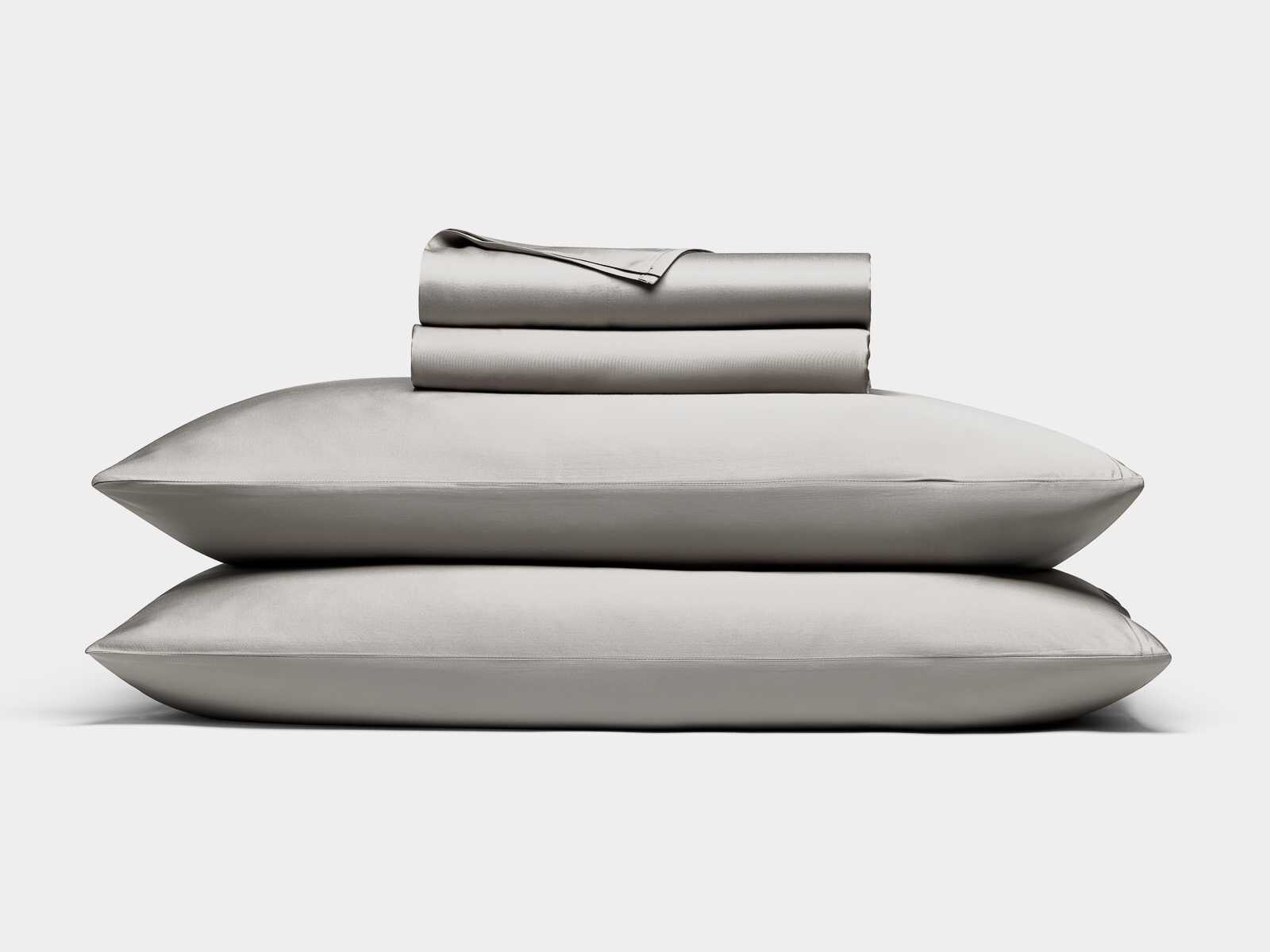
Neutral queen comforter sets bring a coordinated look to the bed through understated color, complementary fabrics and matching accents. A set generally includes a comforter and coordinating pillow shams, while additional pieces vary by set; sheets, decorative pillows and bed skirts should not be assumed to be included. Shades such as ivory, cream, beige, taupe, gray and charcoal create different effects within a neutral palette. Cream can soften the contrast against a dark wood headboard, while pale gray can echo brushed metal lighting or a stone-colored rug. Taupe bridges brown and gray, making it useful in rooms that mix wood finishes with upholstered furniture. Neutral does not have to mean a single flat color, either. Tonal stripes, small woven patterns and subtle contrasts between the comforter and shams can give the bed definition without making it the room’s focal point. Undertones matter as much as the color name: an ivory with a yellow cast will look different beside bright white sheets than a softer, less yellow shade. Wall color, flooring and bedroom lighting can also influence how bedding appears, so a neutral comforter works best when its undertones complement the largest surfaces around it. In a room with patterned curtains or a detailed rug, a simpler comforter can provide a visual resting place. In a room with plain walls and streamlined furniture, stitching or a gently textured surface can add interest. These sets suit primary bedrooms, guest rooms and shared spaces where an easy-to-coordinate foundation is useful. They also leave room for personal touches, whether that means a familiar quilt folded at the foot of the bed, a favorite reading pillow or artwork above the headboard. The result can feel relaxed, tailored or softly layered without relying on bold color. A restrained palette gives those individual details space to stand out while keeping the bed visually connected to the rest of the room.
Fabric and construction shape how a neutral queen comforter set feels in everyday use. Cotton shells can offer a familiar, breathable surface, with the weave affecting whether the fabric feels crisp or smooth. Linen has a more relaxed appearance, often with visible variation in the yarns and a texture that softens with use. Polyester microfiber is typically smooth and finely woven, though its feel and performance depend on the fabric’s construction and finish. Blended fabrics combine different fibers, so the fiber percentages and care label provide more useful information than a general description alone. The filling deserves equal attention. Down, down alternative and other fiber fills differ in loft, weight and maintenance requirements; a fuller appearance does not necessarily mean a comforter will feel heavier. Quilting helps hold filling in place, and the spacing and shape of the stitched sections influence both the look of the bed and how evenly the fill stays distributed. Surface details add another layer of character. The appeal of
Neutral Textured Comforter Sets lies in the way woven patterns, raised stitching or gathered fabric can give a quiet palette more depth. A ribbed surface may cast narrow shadows across a cream comforter, while small tufted details can break up a broad expanse of beige. Those details also affect upkeep: pronounced texture may catch jewelry or a pet’s claws more readily than a smooth, closely woven surface. For a frequently used bed, secure seams, consistent stitching and fabric suited to the household’s routine are practical considerations. Care requirements can vary between the comforter, shams and decorative pieces, even within the same set. Some pieces are machine washable, while others require professional cleaning. A bulky comforter needs enough room to move freely during washing and drying, and complete drying is important before it returns to the bed or goes into storage.
Fit is what turns a coordinated set into a bed that looks comfortable rather than crowded or unfinished. A standard queen mattress measures 60 by 80 inches, but queen comforter dimensions vary, and mattress depth changes how much fabric reaches down each side. A thicker mattress or an added topper can leave less visible overhang than the same comforter would provide on a lower-profile bed. Comparing the comforter’s listed dimensions with the mattress, bed height and preferred drop gives a clearer picture than the queen label alone. Someone who likes the sides of the bed mostly covered may prefer a more generous drape, while a platform bed with a distinctive frame may look better with a shorter drop that leaves the frame visible. The goal is enough coverage without excess fabric collecting on the floor. Pillow proportions matter, too: sham dimensions should match the inserts used inside them so corners look filled rather than loose. On a bed used every night, a manageable arrangement of sleeping pillows and coordinating shams can be easier to maintain than several layers of decorative accents. A guest bedroom may benefit from an equally straightforward setup, with bedding that is simple to straighten and care for between visits. Neutral bedding also makes a thoughtful housewarming or wedding gift when the recipient’s preferred colors, mattress size and laundry routine are known. An uncomplicated palette leaves more flexibility for existing sheets and furniture, but fabric feel remains personal; someone who enjoys crisp cotton may have different preferences from someone drawn to a soft, brushed finish. For everyday use, keeping an extra sheet set nearby and giving the comforter a gentle shake when making the bed can help the whole arrangement feel fresh and settled. When bedding is put away, a clean, fully dry comforter stored loosely in a breathable bag has room to retain its loft. Together, suitable dimensions, comfortable materials and realistic care requirements make a neutral queen comforter set a useful foundation for a bedroom that feels considered and welcoming.