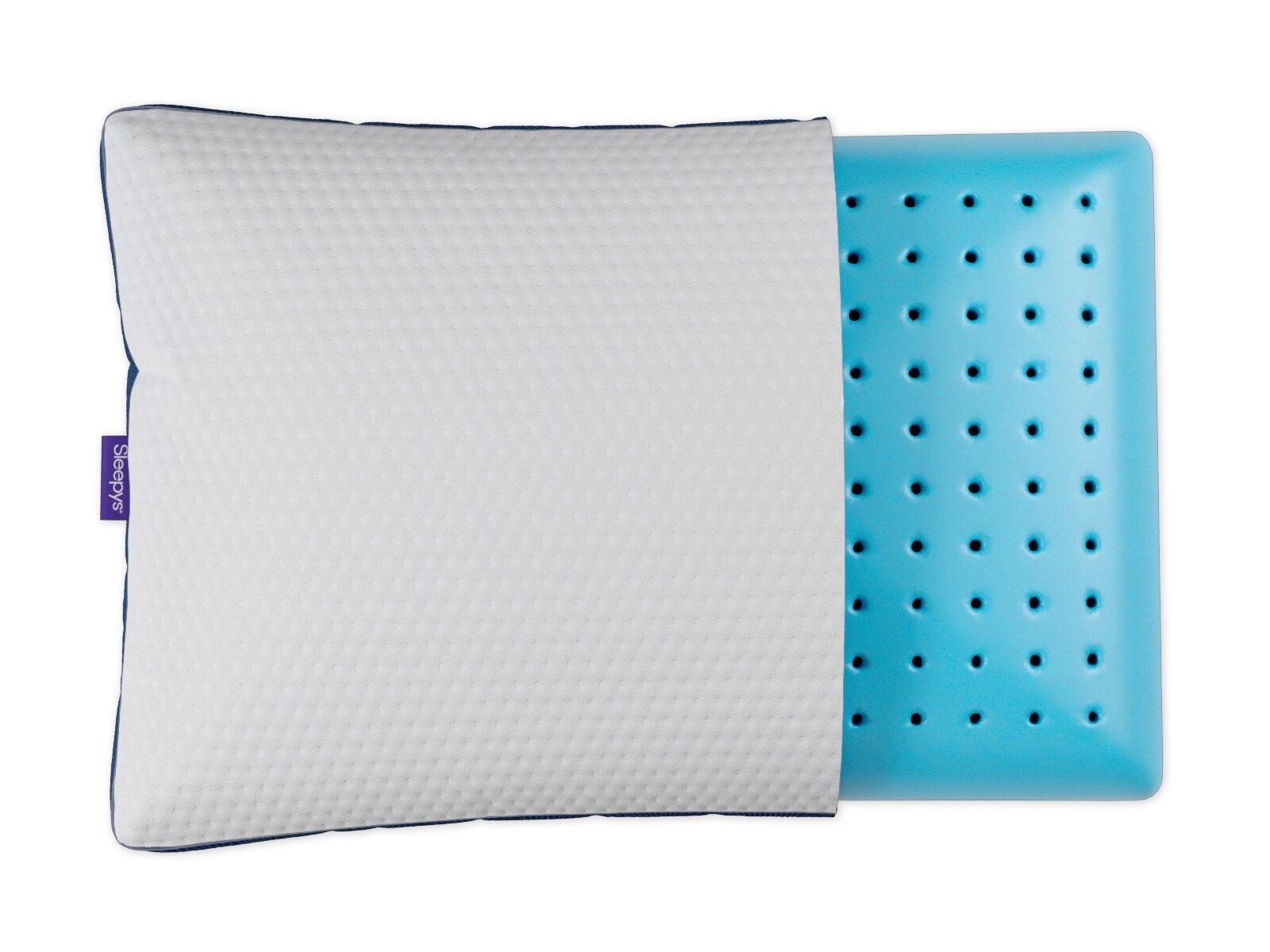
No pressure support pillows are designed to cradle the head and neck, distribute weight across the pillow’s surface and reduce the feeling of concentrated pressure at contact points. Their comfort comes from a balance of cushioning and resistance: enough softness to ease into, with enough structure to keep the head from sinking too far. The name describes a comfort goal rather than a guarantee of pressure-free sleep, and the right fit depends on sleep position, body proportions, mattress cushioning and personal preference. For side sleepers, a pillow generally needs enough height to fill the space between the head and mattress without tilting the neck upward. A broad-shouldered sleeper on a firmer mattress may need more loft than someone whose shoulder settles deeply into a cushioned surface. Back sleepers often feel more comfortable with moderate height and gentle support beneath the neck, allowing the head to rest without pushing the chin toward the chest. Stomach sleepers typically need a much flatter profile to avoid lifting the head farther out of line with the body. People who change positions throughout the night may appreciate a pillow that responds readily to movement rather than holding the head in one deep impression. Loft, meaning pillow height, matters as much as the soft or firm feel described on a label. A plush pillow can flatten substantially beneath the head, while a firmer one may retain most of its original height. The useful comparison is how each construction behaves under weight, not simply how full it looks on the bed. A comfortable fit should let the shoulders rest naturally on the mattress while the pillow supports the head and neck. That distinction helps explain why an oversized, fluffy appearance does not always translate into better support, and why a lower-profile pillow can feel more restful for someone with a smaller frame.
Materials shape how no pressure support pillows cushion, recover and hold their form. Memory foam gradually contours around the head, creating a close-fitting cradle that can feel different from the buoyant response of latex. Solid foam constructions tend to provide a consistent shape, while shredded foam or blended fills can offer more flexibility for sleepers who like to fluff, fold or reshape their pillow. Adjustable fill makes it possible to change the height and fullness, which can be useful when a pillow feels comfortable at first but sits too high once the head settles. Latex generally has a springier response, making it easier to move across the surface without waiting for a deep impression to recover. Down, feather and alternative fiber fills offer different degrees of softness, compressibility and resilience; some create an airy, moldable cushion, while others are designed to maintain a fuller shape. Fill type alone does not determine support, since the amount of fill, internal construction and cover all influence the finished feel. A contoured shape may have a raised neck area and a lower center, while a traditional rectangular shape offers a more uniform surface for changing positions. Neither shape is automatically better for everyone. A defined contour needs to suit the sleeper’s proportions, and a traditional pillow needs enough structure to avoid collapsing where support is needed. Cover texture matters, too, especially for someone who rests a cheek directly against the pillowcase. Smooth fabrics, unobtrusive seams and a well-fitting case can help keep the surface comfortable without bunching. Breathable covers and open constructions may allow more airflow, though the complete feel also depends on the pillowcase and surrounding bedding. For shoppers comparing different comfort preferences,
Perfect Support Pillows offers another related category to explore alongside considerations such as loft, responsiveness and shape. Material preferences or sensitivities also deserve attention, including whether a pillow contains latex, feathers or other components the sleeper prefers to avoid.
Everyday use and care are part of choosing a support pillow that stays comfortable beyond the first few nights. A pillow used nightly has different demands from one kept for occasional guests or used behind the back while reading in bed. For sleep, the priority is a stable relationship between the head, neck and mattress; for upright lounging, a separate cushion may be more appropriate than folding a sleep pillow into a thick wedge. Size should suit both the sleeper’s movement and the pillowcase, with enough room to change position without crowding the bed. A case that is too tight can compress the fill and alter the intended feel, while excess fabric can gather beneath the face. A washable protector can help limit direct exposure to perspiration, skin oils and everyday residue, but it should not make the pillow feel stiff or restrict its ability to conform. Care requirements vary considerably by construction. Some pillows can be washed as a whole, some have removable washable covers and others require spot cleaning only. Following the care label helps protect the fill, seams and shape; a washable cover does not necessarily mean the inner pillow can go into the washing machine. Thorough drying is especially important whenever washing is permitted, since moisture can remain inside a thick cushion after the surface feels dry. Durability is best judged by how well the pillow continues to recover and provide its intended support. Persistent lumps, flattened areas or a contour that no longer holds its shape can change the way the head rests, even when the cover still looks fresh. Support pillows can also make thoughtful gifts for someone refreshing a bedroom or settling into a new home, although sleep position, material preferences and care habits make pillow comfort personal. Adjustable construction and straightforward care may be useful considerations when the recipient’s exact preferences are unknown. The most suitable choice brings together a comfortable surface, appropriate height and dependable support without requiring constant folding or repositioning to feel right.