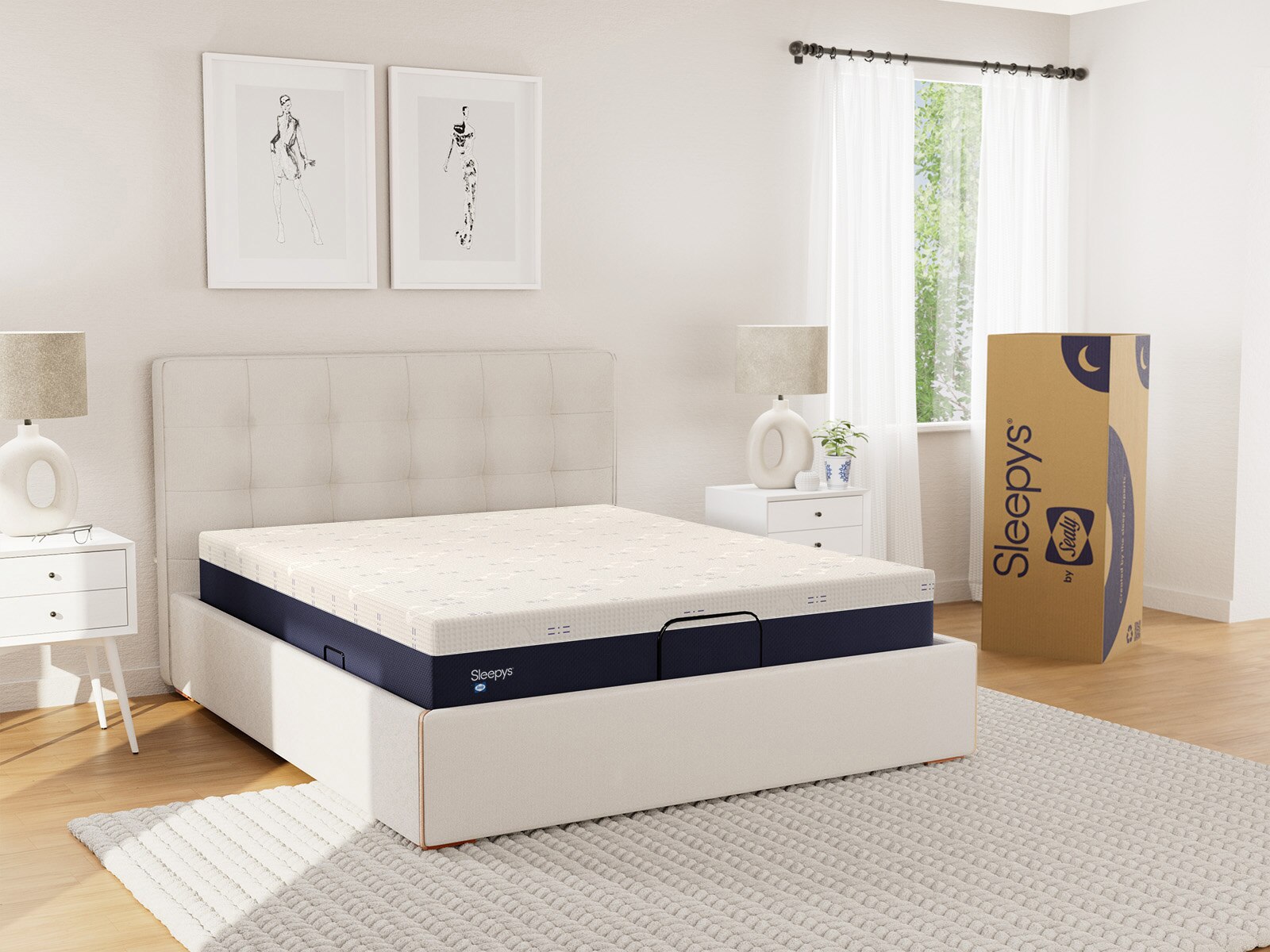
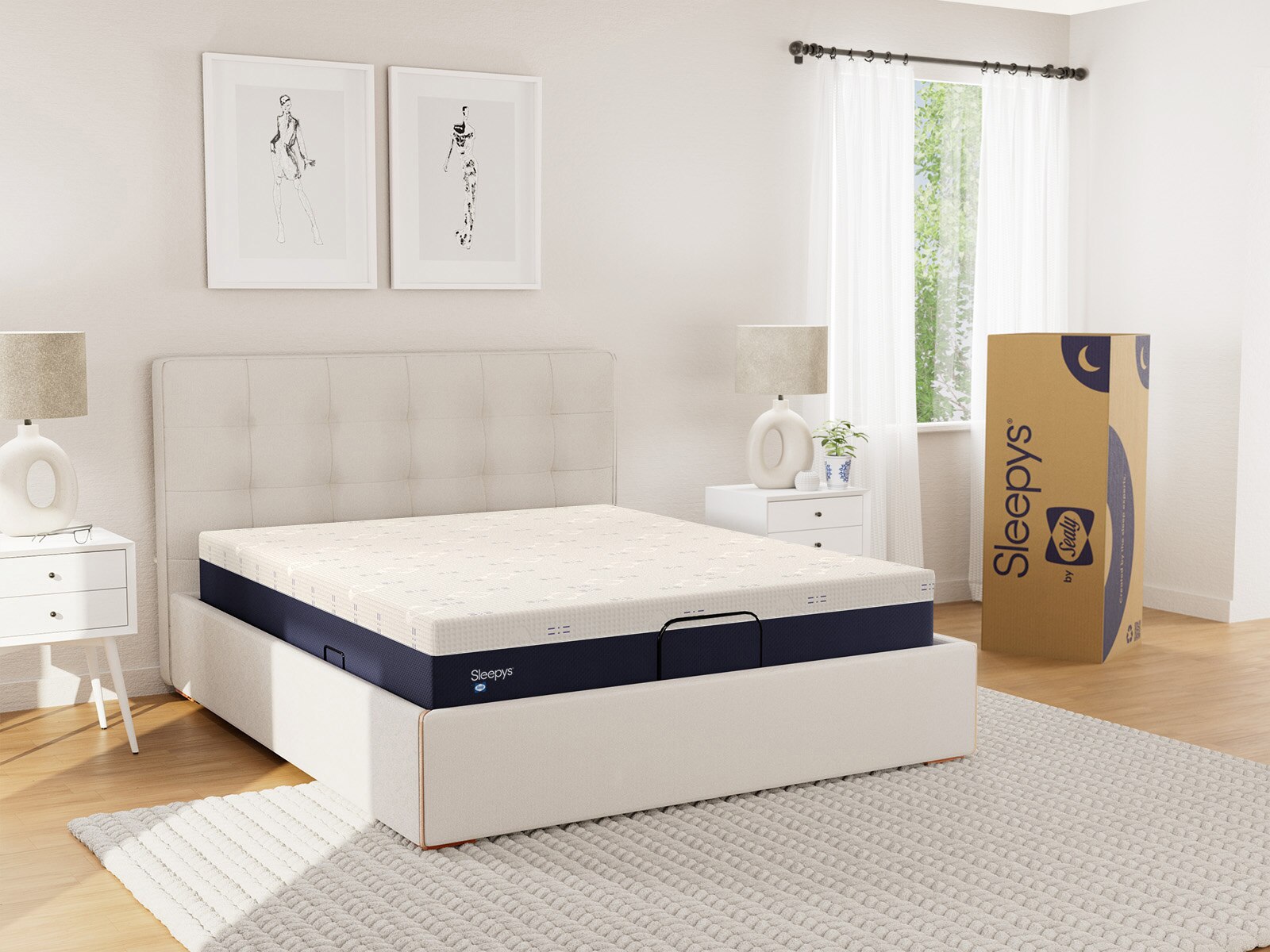
Orthopedic memory foam beds combine body-contouring comfort with underlying support to help sleepers find a balanced resting position. The term orthopedic describes a support-focused category, not a universal firmness rating or a guarantee of pain relief. What matters most is how the mattress cushions the shoulders and hips while supporting the torso without excessive sinking. Memory foam, also called viscoelastic foam, responds gradually to pressure and conforms around the body’s curves. In an all-foam mattress, comfort layers sit above a sturdier foam core; in a hybrid construction, memory foam works with a coil support system. Either design can provide a useful balance of cushioning and stability, depending on the materials, layer thicknesses and sleeper’s build. Pressure relief and support serve different purposes: cushioning helps spread contact pressure across a broader surface, while the support system helps keep the body from settling too deeply. A mattress that feels soft at first touch can still have substantial support underneath, and a firm surface is not automatically better for the back. Foam density is also different from firmness. Density describes the amount of material within a given volume and can help inform durability expectations, but it does not tell the whole story about comfort or construction quality. For someone whose shoulder feels compressed against a rigid surface, contouring foam may create a more forgiving resting place. For someone whose hips dip noticeably below the rest of the body, a stronger support system or a different comfort balance may be more suitable. Memory foam can also absorb movement, helping reduce the ripple from a partner turning over or getting out of bed, although motion isolation varies by construction. These qualities make orthopedic memory foam mattresses relevant to a wide range of sleepers, including people seeking gentler cushioning around sensitive joints or a steadier surface for shared sleep. Persistent back or joint pain still deserves attention from a healthcare professional; a mattress can support comfort but does not diagnose or treat an underlying condition.
The right fit depends on sleep position, body size and the way someone moves through the night. Side sleepers generally need enough cushioning for the shoulder and hip to settle without leaving the waist unsupported. Back sleepers often benefit from a surface that follows the lower back’s natural curve while keeping the pelvis from sinking too far. Stomach sleepers typically need a more resistant feel beneath the midsection, since excessive dipping can place the back in an uncomfortable position. These are starting points rather than fixed rules: the same mattress can feel softer to a heavier person and firmer to a lighter person. Someone who changes positions frequently may prefer a more responsive memory foam construction that allows easier turning instead of a deeply enveloping feel. For a shared bed, motion isolation is only part of the picture. Usable space, edge stability and comfort preferences all affect whether both sleepers can settle comfortably. A queen or king can offer more room to change positions, while a split configuration may allow separate firmness preferences when the mattress and base setup support it. Mattress height also deserves attention, especially for anyone who finds a very low seat or a tall bed difficult to manage. The combined height of the frame, foundation and mattress determines how easily feet reach the floor when sitting at the edge. Edge reinforcement can make that seated position feel steadier, though foam beds differ in how much they compress along the perimeter. For adjustable-base use, compatibility should be confirmed rather than assumed, including whether the mattress can flex as intended. Pillows matter, too: as the shoulder sinks into the comfort layer, the amount of pillow loft needed to support the neck may change. The related
Enhanced Memory Foam Beds collection offers another place to explore memory foam comfort, with the same emphasis on matching the overall feel to individual sleep needs rather than choosing by a label alone.
Long-term comfort depends on both construction and everyday care. A substantial support core, well-made seams and a cover that lies smoothly over the comfort layers can all contribute to a mattress that feels consistent in use. Breathable covers and airflow channels may help reduce a close, enclosed feeling, while quilted surfaces can create a different initial touch than a smooth stretch-knit cover. Those details are worth considering alongside foam thickness and responsiveness, rather than treating any single feature as a complete measure of quality. A compatible foundation is especially important because uneven or insufficient support underneath can affect how the mattress performs. Slat spacing, center support and weight limits should match the manufacturer’s requirements for the mattress and bed frame. A washable mattress protector helps shield the surface from spills and everyday moisture, and fitted sheets with an appropriate pocket depth can stay secure without pulling tightly across the corners. Even when a mattress cover has a zipper, it should only be removed or machine washed if the care label specifically permits it. Small spots generally call for the manufacturer’s recommended cleaning method, minimal moisture and thorough drying before bedding goes back on. Rotation may help distribute regular use when recommended, but many layered memory foam mattresses are designed with a distinct top and bottom and should not be flipped. Some initial softening can occur as materials settle into use; a persistent depression, uneven feel or declining support deserves closer attention rather than being dismissed as normal contouring. There is no single replacement schedule that fits every bed, since sleeper weight, frequency of use, materials and foundation support all influence wear. A primary bedroom mattress faces different demands than one used occasionally by overnight guests, but both benefit from proper support and protection. Ultimately, an orthopedic memory foam bed should offer comfortable cushioning, manageable movement and dependable support suited to the person sleeping on it, night after night.