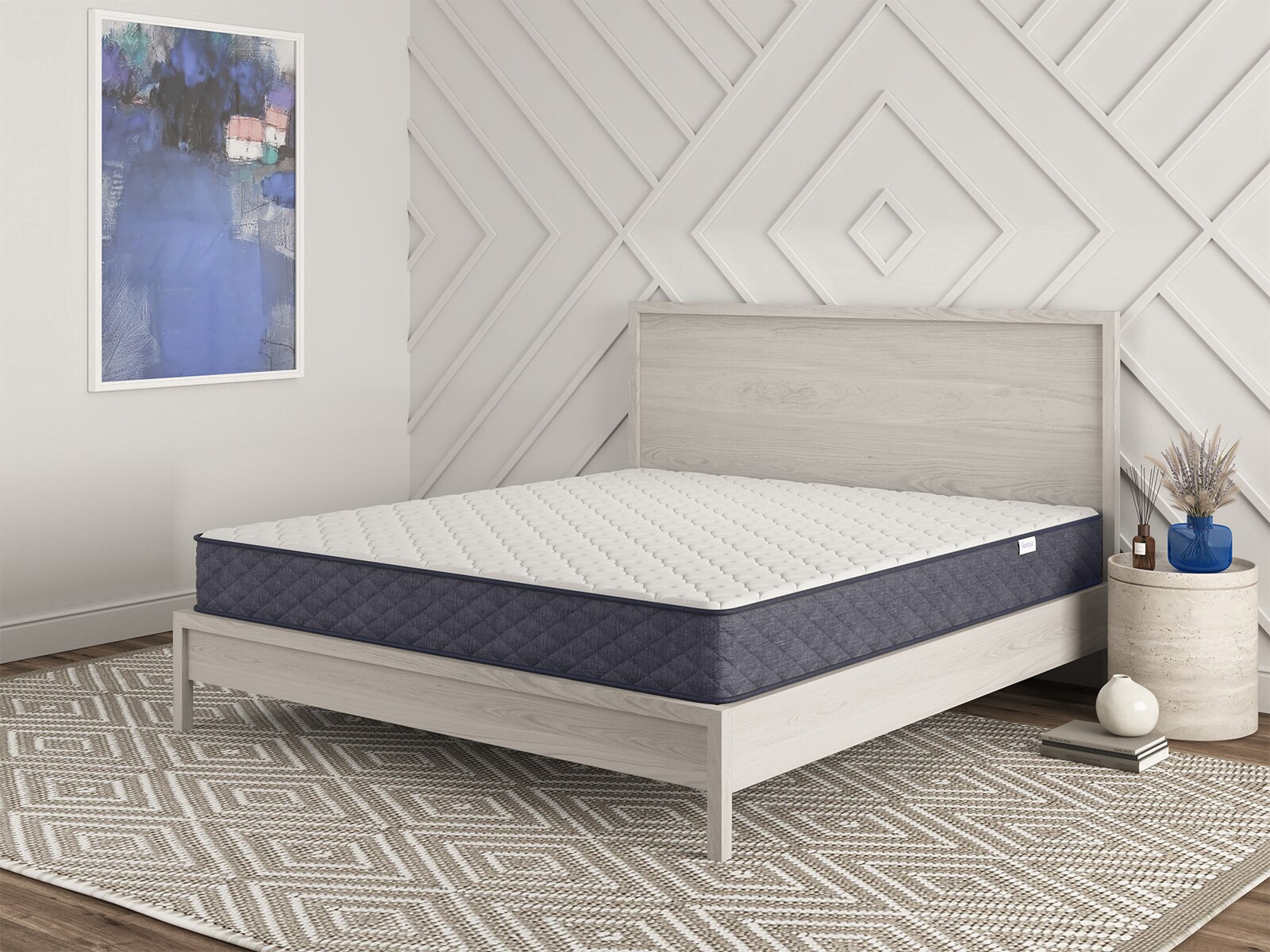
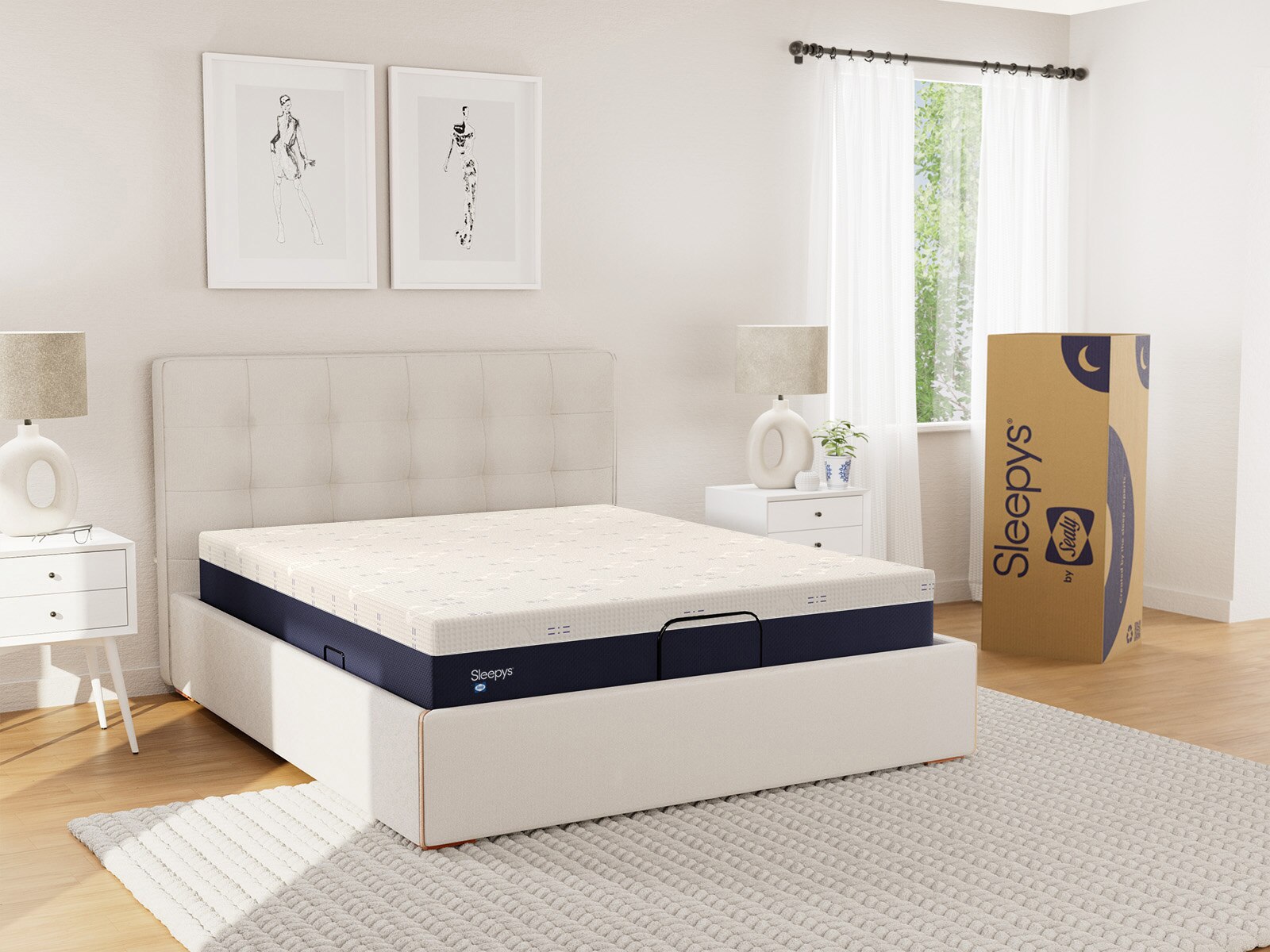
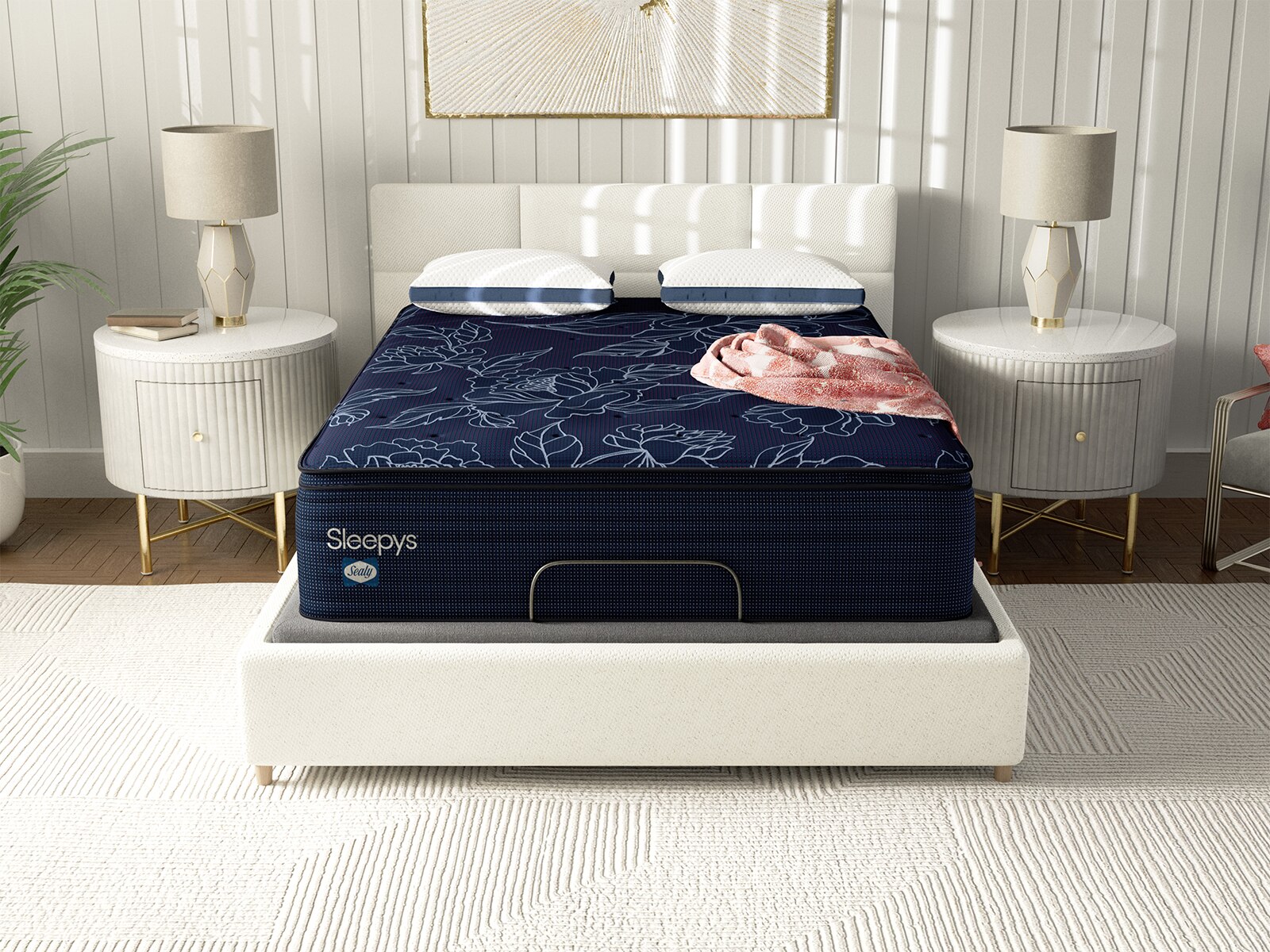
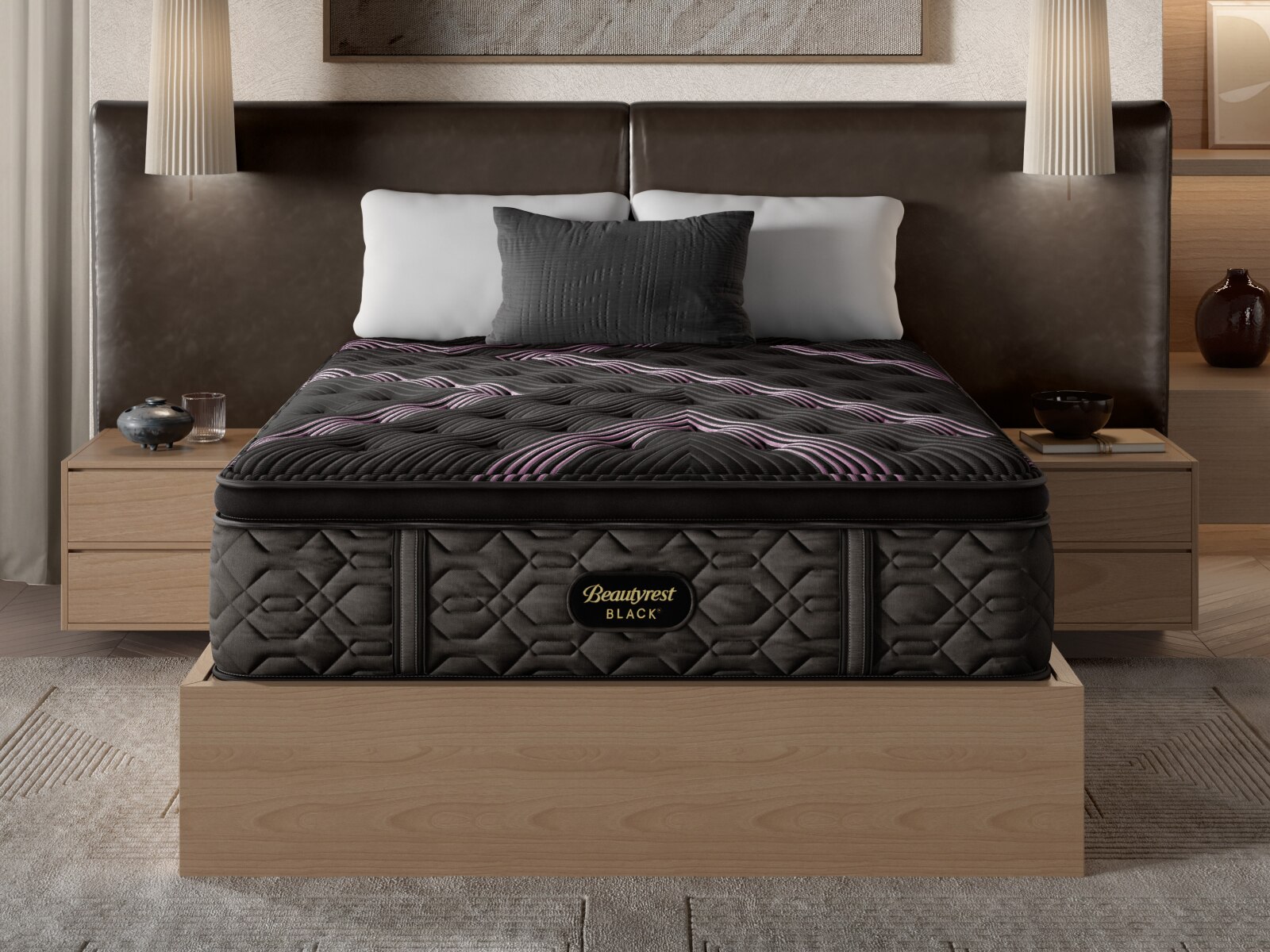
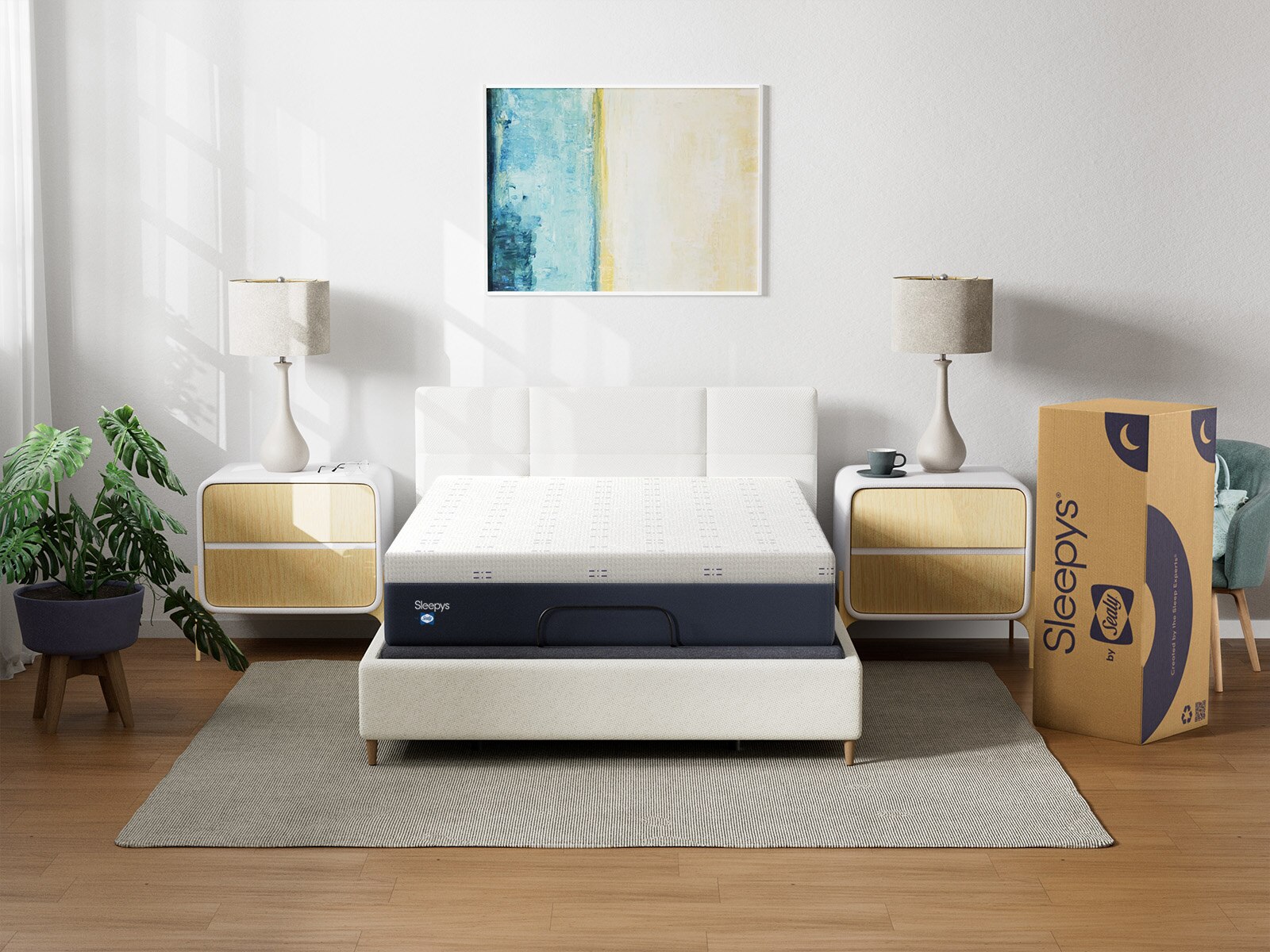
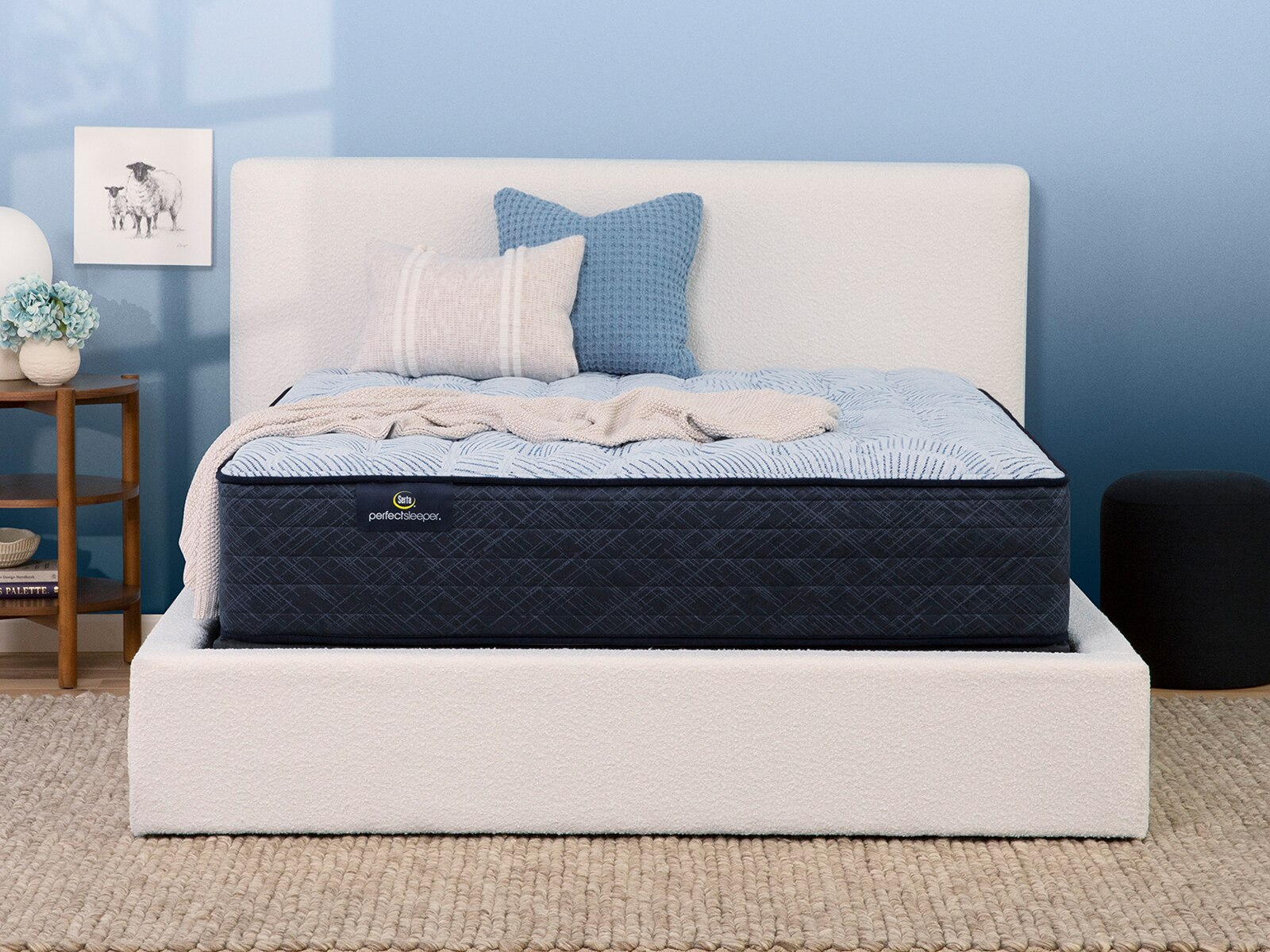
Plush support California King mattresses combine a soft, cushioning sleep surface with an underlying support system designed to help keep the body comfortably aligned. A California King measures 72 inches wide by 84 inches long, making it four inches narrower and four inches longer than a standard king. That extra length can be especially useful for taller sleepers whose feet reach the end of a shorter mattress, while the width gives two adults room to settle into their preferred positions. The word “plush” describes the feel near the surface, not the absence of support beneath it. A well-matched mattress lets shoulders and hips settle into the comfort layers without allowing the body’s heavier areas to sink excessively. Depending on its construction, that balance may come from cushioning foam over a resilient foam core, pocketed coils beneath several comfort layers or a combination of latex and other materials. Memory foam typically contours closely and responds gradually as weight shifts, while latex tends to have a springier feel that makes repositioning easier. Coil systems can add responsiveness, and individually wrapped coils can help limit how much movement travels across the mattress. The complete construction matters more than any single layer: the cover, cushioning, transition materials and support core all influence how the bed feels through the night. A quilted or pillow-top surface may offer an inviting first impression, but the support beneath that softness determines how steadily the mattress holds the body after settling in. Edge construction deserves attention, too, particularly for anyone who sleeps near the side or sits there to put on socks. Reinforced edges may provide a more stable perimeter, although edge performance varies by design and body weight. For couples, the combination of usable surface space, motion control and cushioning can be as important as the initial plush feel.
The most comfortable plush support California King mattress is one that suits the sleeper’s usual position, body proportions and preference for either close contouring or a more lifted feel. Side sleepers often appreciate cushioning that allows the shoulder and hip to sink in enough to reduce concentrated pressure, especially when the waist still feels supported between those contact points. Back sleepers may enjoy a gently cushioned surface that fills the space beneath the lower back without letting the pelvis settle too deeply. Stomach sleepers generally need to be more cautious with a very plush surface because excessive sinkage around the midsection can make a comfortable alignment harder to maintain. These are starting points rather than fixed rules. A lighter sleeper may experience a mattress as firmer than a heavier sleeper does, and two people sharing the same bed may notice very different levels of contouring. Someone who changes positions frequently may prefer cushioning that rebounds readily rather than a deep, slow-moving cradle. Someone whose partner turns over often may place more value on motion isolation. When trying a mattress, spend several minutes in the positions used for sleeping rather than judging it only while sitting on the edge. Notice whether the shoulder feels compressed, whether the hips feel held up and whether rolling over takes more effort than expected. For another way to compare cushioning with underlying stability, explore
Back Support Cal King Mattresses. A focus on back support does not necessarily mean choosing the firmest possible surface; support and surface softness describe different aspects of comfort. Pillows also affect the overall fit. A pillow that worked well on a firmer mattress may hold the head too high after the shoulder settles farther into plush cushioning. Considering the mattress and pillow together can help create a more natural resting position from head to hip.
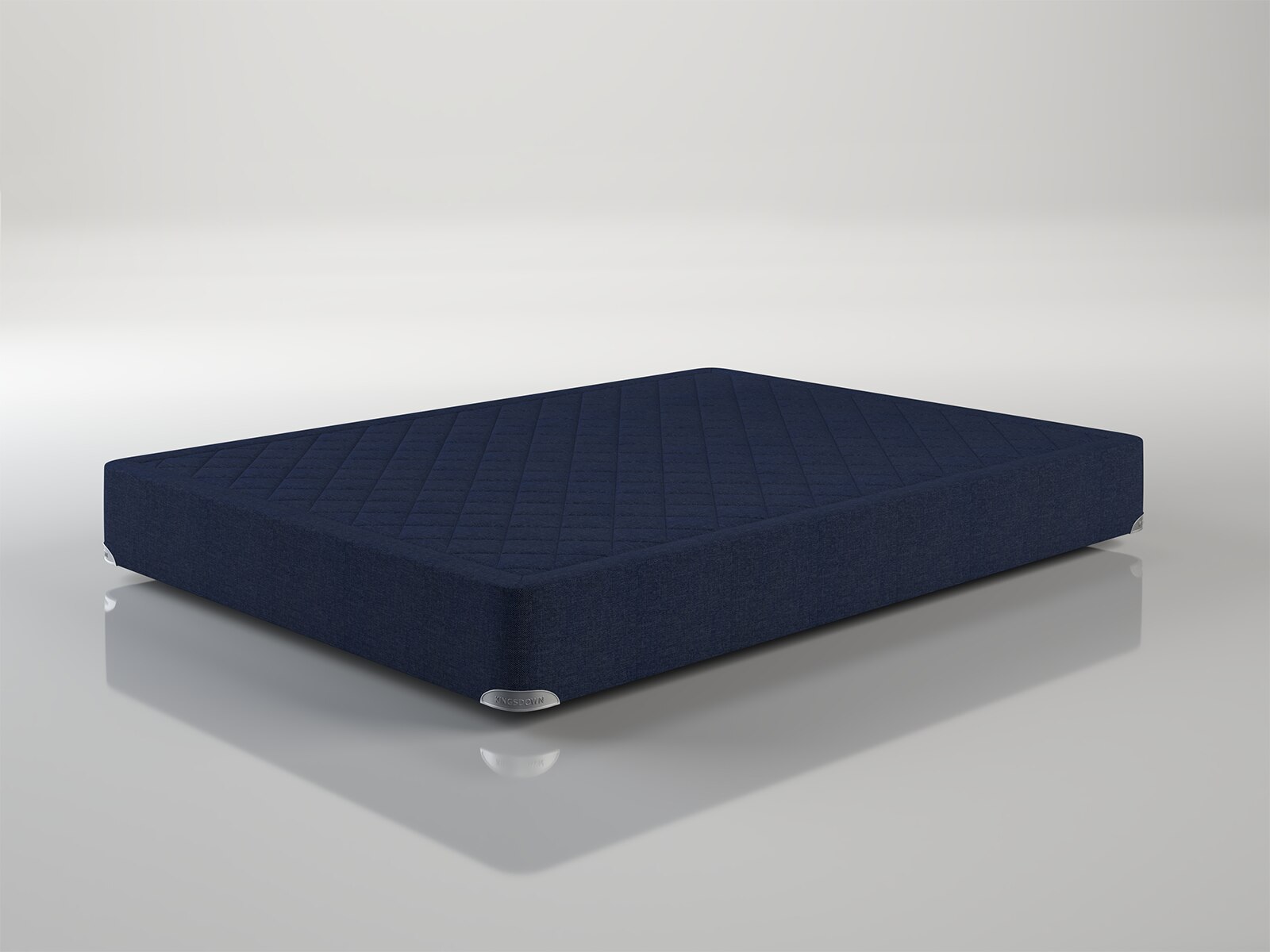
Room fit, bedding and everyday care help determine how well a California King works beyond its first night. Measure the bedroom with the full bed frame in mind, leaving practical space for walking beside the bed, opening drawers and reaching a nightstand. The longer footprint can be useful for tall sleepers, but it also extends farther into the room than a standard king. Check doorways, stair turns and hallways before arranging a move, especially when a mattress has limited flexibility. California King fitted sheets are made for the longer, narrower dimensions, so standard king fitted sheets are not an interchangeable choice. Mattress depth matters as well: a thick plush model, particularly one used with an additional topper, may need deeper fitted-sheet pockets and a protector sized for the complete height. A topper can change the surface feel, but it cannot repair a worn support core or correct an unsuitable foundation. Use a foundation, platform or adjustable base that meets the mattress manufacturer’s requirements, including any rules for slat spacing and center support. Not every mattress is compatible with every adjustable base, and two independently moving sides require compatible components. For durability, consider the quality and arrangement of the comfort materials as well as the support structure. Foam density and firmness are not the same measurement; a softer foam can still be dense, and a firm initial feel alone does not establish longevity. A properly fitted protector helps shield the surface from spills and everyday buildup, while regular laundering of sheets keeps the sleep surface fresh. Follow the care label for spot cleaning, avoid saturating the cushioning and let cleaned areas dry fully before replacing bedding. Rotate the mattress only as recommended, and do not flip a one-sided design. With suitable support underneath and consistent care, plush cushioning can remain part of a comfortable, practical setup for nightly sleep.