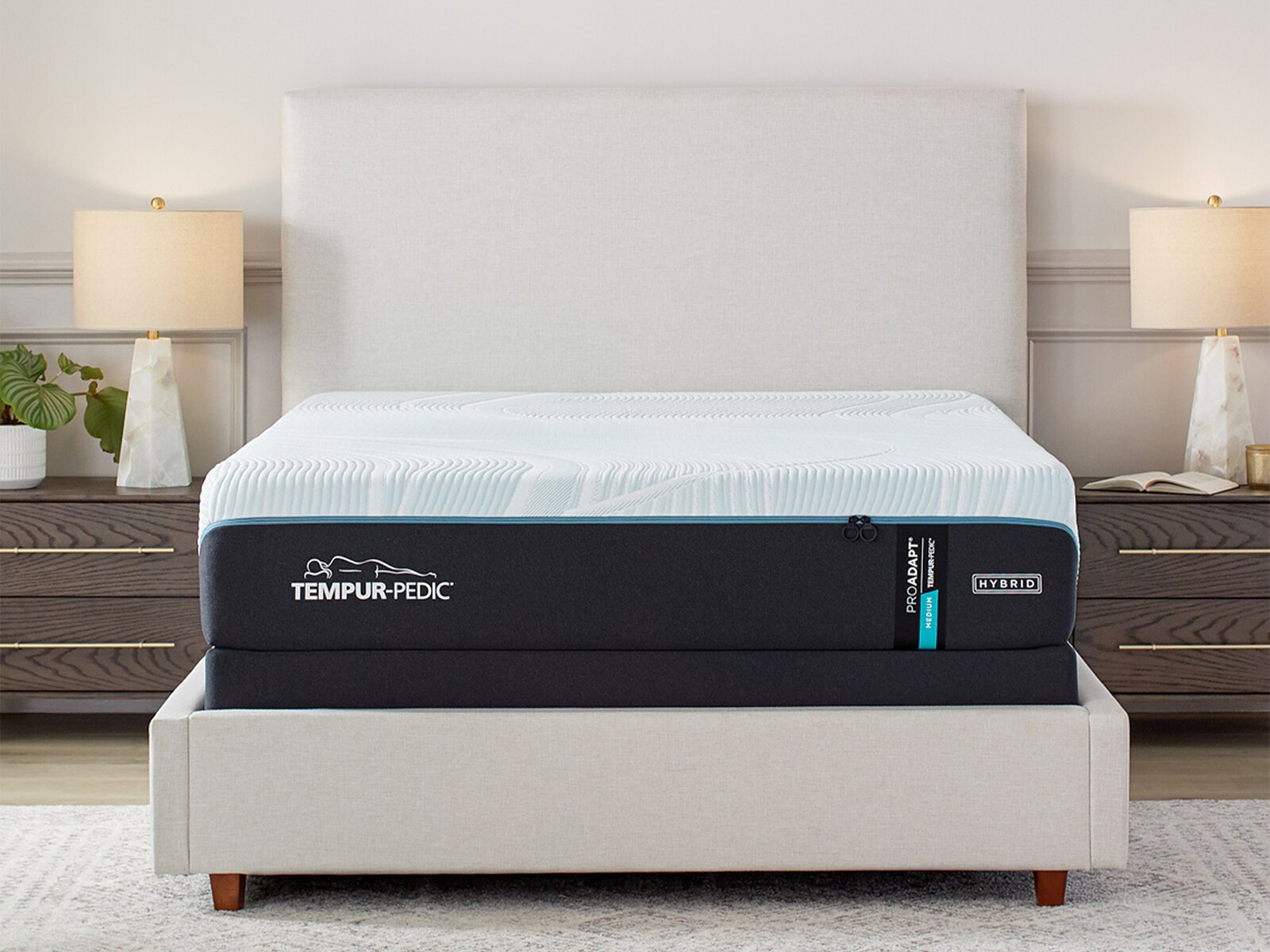
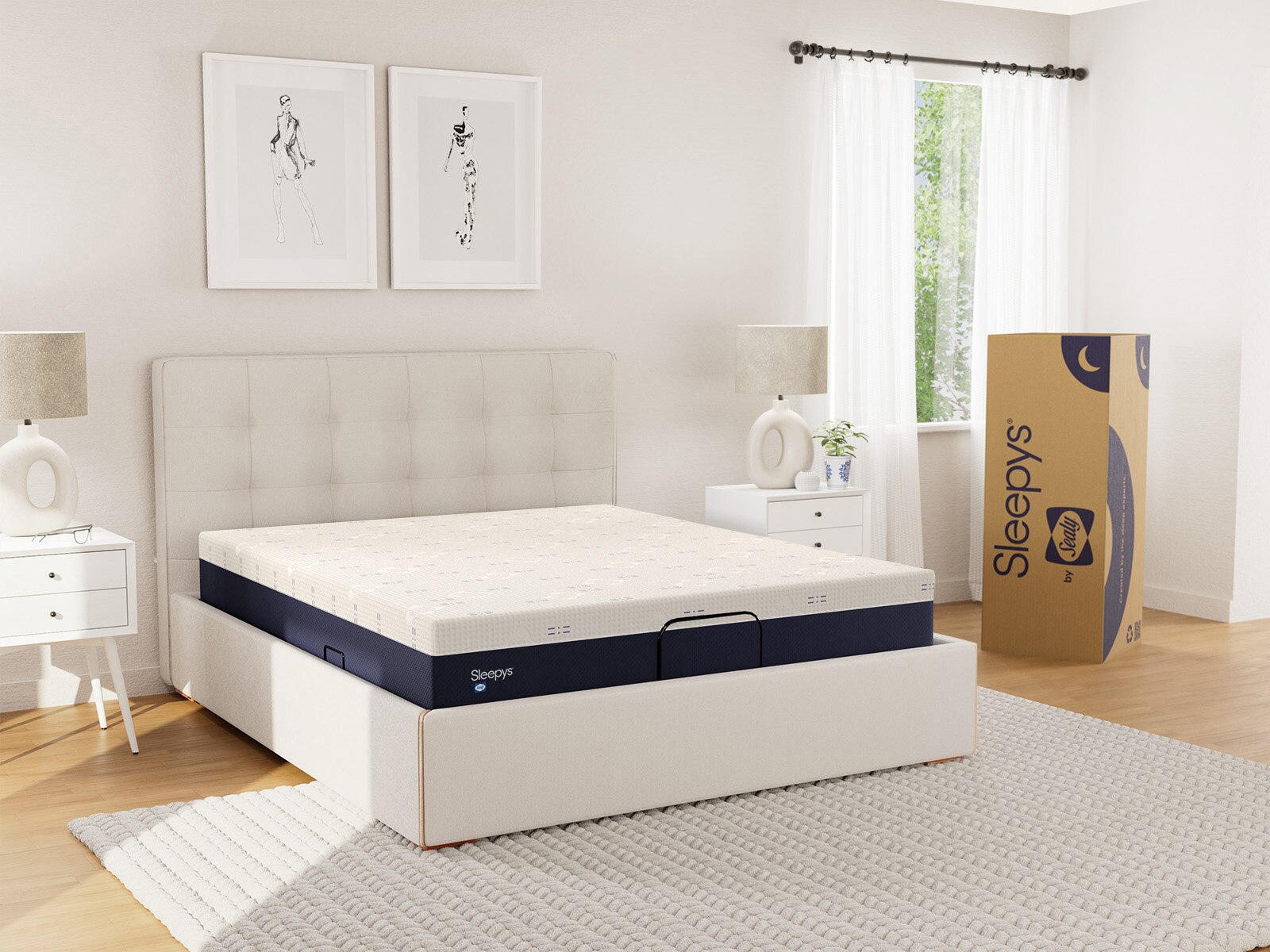
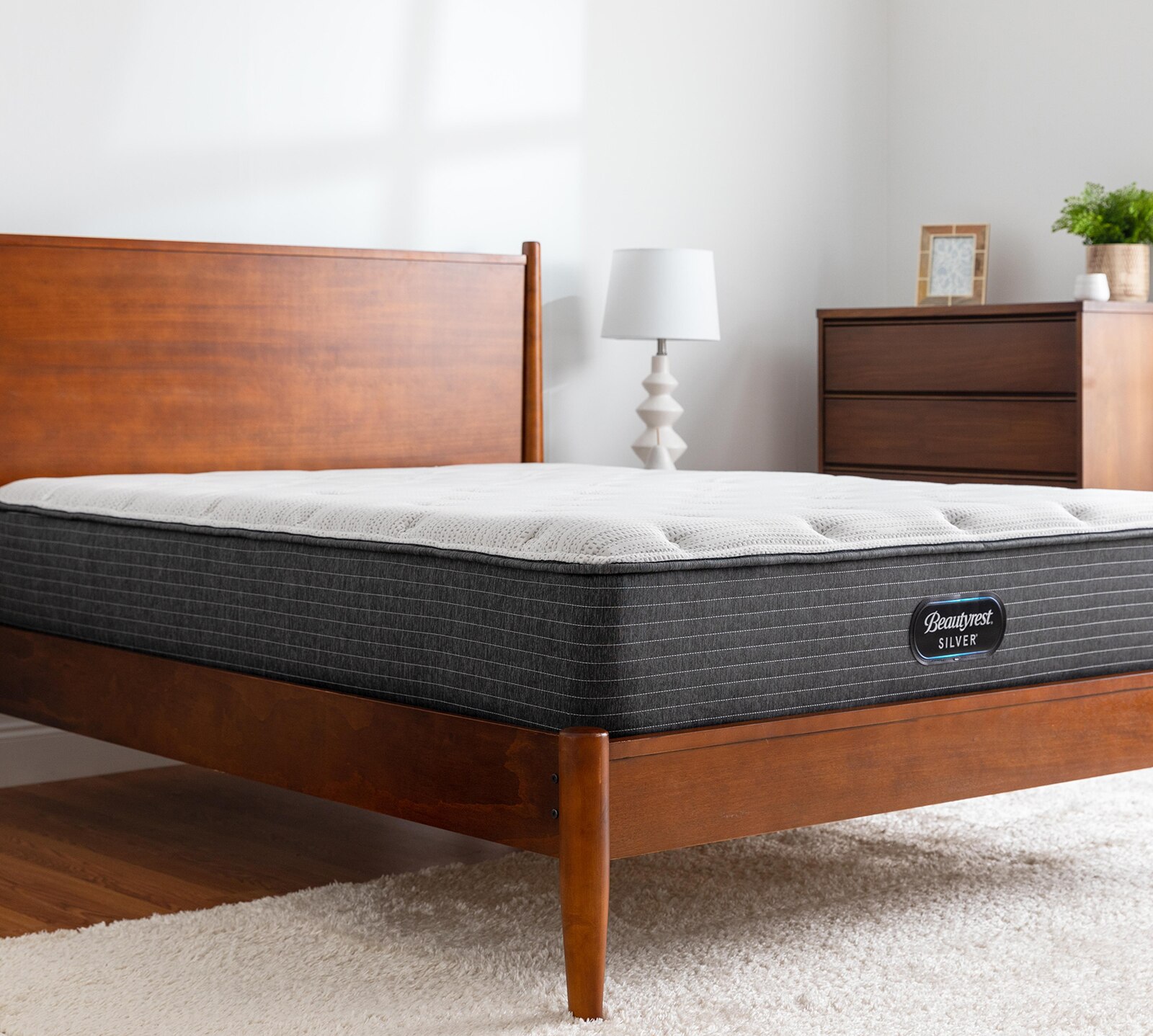
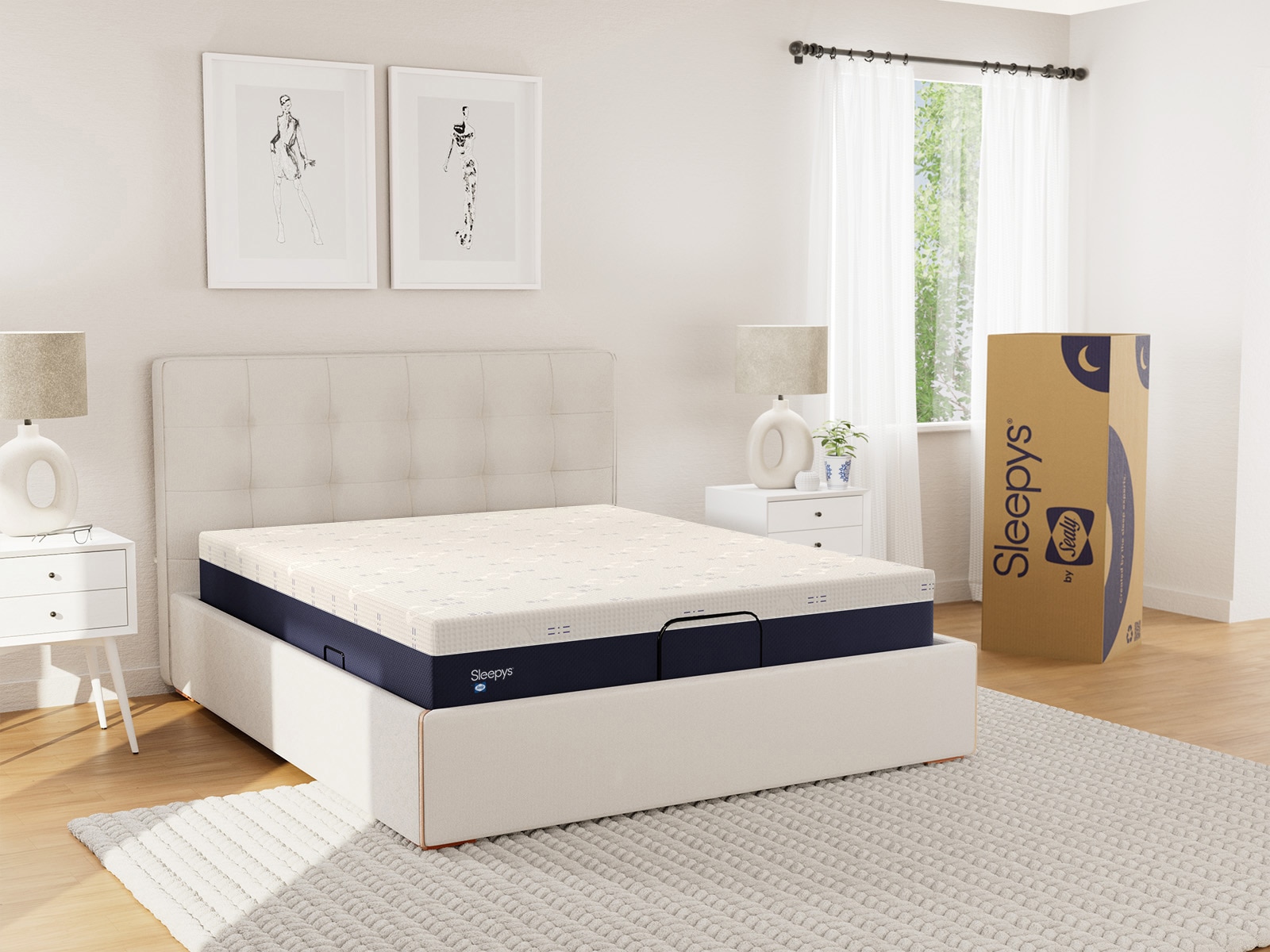
Presidents Day hybrid queen mattresses combine a coil support system with comfort layers that cushion the body, offering a balance of contouring and responsiveness. A standard queen measures 60 inches wide by 80 inches long, making it a practical choice for many primary bedrooms, shared sleep spaces and guest rooms. The hybrid construction matters as much as the size: the coils provide underlying support, while layers of memory foam, other cushioning foams or latex influence how closely the surface hugs the body and how easily a sleeper can change positions. Memory foam typically has a slower, more contouring feel, while latex generally responds more quickly when weight shifts. Other foams can create anything from a gently cushioned surface to a deeper, more enveloping feel. Individually wrapped coils can move with some independence, helping reduce the movement that travels across the mattress when a partner turns over. Motion isolation still depends on the complete construction, so a hybrid with substantial contouring layers may feel different from one with thinner, more responsive cushioning. Coil systems also leave space for air to circulate within the mattress, although the cover, comfort layers, bedding and bedroom conditions all influence how warm the surface feels. Breathable fabrics and materials designed to manage heat may be useful for someone who tends to wake up warm, but no single feature determines overnight comfort. A quilted top can add a softly padded finish, while a smoother cover may let the feel of the underlying foam come through more directly. Mattress height reflects the combined depth of these components, not a universal measure of quality or comfort. A taller hybrid may have more substantial cushioning, but the right choice is the one whose materials and construction suit the sleeper. For Presidents Day mattress browsing, these differences provide a more useful basis for comparison than thickness or firmness labels alone.
The right queen hybrid should accommodate the way the body settles during sleep, not simply feel soft or firm under a hand. Side sleepers often appreciate enough cushioning for the shoulder and hip to settle without creating concentrated pressure. Back sleepers generally need a balance that supports the torso while allowing some contouring around the lower back. Stomach sleepers may prefer a firmer surface that helps keep the midsection from sinking too deeply. Body weight changes how each construction feels: a lighter sleeper may experience less compression, while a heavier sleeper may engage more of the comfort layers and support system. That is why firmness and support are related but not interchangeable. A plush surface can still have a supportive foundation, and a firm surface is not automatically the most comfortable choice. For someone who moves from side to back through the night, a responsive hybrid can make turning feel less effortful. Couples may place greater importance on motion isolation, usable space near the perimeter and a feel that accommodates two sets of preferences. Reinforced edges can make sitting to put on socks feel steadier and can help the outer portion of the mattress feel more consistent when lying down. A queen gives a solo sleeper room to stretch out, but two adults should consider how much personal space each needs, especially if a child or pet sometimes joins them. Room layout matters, too. Allow space for bedside tables, open drawers and a comfortable route around the bed rather than measuring only the mattress footprint. For a smaller bedroom,
Presidents Day hybrid full mattresses offer a size comparison: a standard full measures 54 inches wide by 75 inches long, making it narrower and shorter than a queen. The extra length of a queen can be particularly useful for taller sleepers. In a guest room, a balanced feel may accommodate a range of visitors, while a mattress for nightly use deserves closer attention to the regular sleeper’s position, comfort preferences and support needs.
A hybrid queen mattress also needs a compatible setup to perform as intended. The combined height of the mattress, foundation and frame affects everyday use, from sitting at the edge to getting into bed after a long day. A deep mattress on a tall foundation can place the sleep surface higher than expected, so those measurements are worth considering together. Platform beds, slatted frames and foundations should meet the mattress manufacturer’s requirements for support, including any specified slat spacing and center support. Compatibility with an adjustable base should be confirmed rather than assumed. Proper support helps distribute weight and reduces unnecessary stress on the mattress over time. Durability depends on the quality and arrangement of the comfort materials, the coil system, the foundation and daily use; coil count or mattress thickness alone cannot establish how long a mattress will remain comfortable. Some surface settling can occur as cushioning materials adapt to use, while persistent dips or a noticeable loss of support deserve closer attention. Routine care starts with the manufacturer’s instructions. Many hybrids are designed with one sleeping surface and should not be flipped, although head-to-foot rotation may be recommended. A properly fitted mattress protector helps keep everyday spills and moisture away from the upholstery, and sheets with suitable pocket depth stay in place without pulling tightly across the corners. Cleaning generally calls for a light touch: avoid soaking the surface, use only approved methods and allow any damp area to dry completely before replacing bedding. When trying a mattress, spend time in the positions used at home rather than judging it from a brief sit at the edge. Notice whether the shoulder feels compressed, whether the hips sink farther than the torso and whether turning feels natural. Those observations help connect the features of Presidents Day hybrid queen mattresses to the comfort and support needed for everyday rest.