Products for tailbone pain are generally designed to reduce direct pressure on the coccyx, the small group of bones at the base of the spine, while supporting the surrounding sitting area. Seat cushions with a U-shaped or V-shaped rear cutout leave space beneath the tailbone rather than placing padding directly against it. Contoured cushions, wedge-shaped supports and pressure-distributing foam can make a firm chair feel more accommodating, although comfort depends on body shape, posture and the seat underneath. A rear cutout serves a different purpose from simply adding softness: a cushion that compresses completely may still leave a sensitive area resting against the chair. For someone who feels discomfort during desk work, meals or travel, the most useful features are often a supportive base, enough surface area beneath the hips and thighs, and a shape that stays properly positioned. A wedge changes the angle of the sitting surface, which some people find comfortable, but a steeper slope is not automatically more supportive. Ring-shaped cushions create an opening in the center rather than at the back; they distribute pressure differently and are not interchangeable with a coccyx cutout. A healthcare professional can help determine which shape suits a particular condition. Fit matters just as much as the outline. A cushion should rest securely on the chair without folding over the edges or pushing the body too far forward. Its added height also affects whether feet can rest on the floor and whether the back remains supported. At a desk, a thick cushion may change the relationship between the seat, keyboard and armrests. On a dining chair, a thinner profile may feel steadier than a tall, deeply contoured design. In a vehicle, added cushioning must not interfere with safe driving posture or restraint positioning. For wheelchair users, pressure management involves more than everyday comfort, so cushion selection and positioning are best reviewed with a qualified clinician. A cushion that feels pleasant briefly may also feel different after a longer stretch, making sustained support an important consideration.
Materials influence how tailbone support feels throughout the day and how well it holds its shape over time. Memory foam responds gradually to weight and contours around the body, while more responsive foams recover faster when someone stands or shifts position. Neither feel is universally better. A person who changes positions frequently may prefer a surface that rebounds readily, while someone using a cushion for shorter seated tasks may appreciate a more contouring feel. Foam density and firmness describe different characteristics: density can influence durability, but a denser cushion is not necessarily firmer. Thickness alone also does not indicate pressure relief. The useful distinction is whether the material supports the body without collapsing against the underlying seat. Gel layers or inserts change the surface feel, but their presence alone does not establish how effectively a cushion redistributes pressure. Breathable covers and smooth seams can contribute to comfort, especially when a cushion is used for several seated activities in the same day. A nonslip underside can help reduce shifting on a smooth chair, while a handle makes it easier to move support between a workspace and a kitchen table. Comparing
Products For Sitting Comfort alongside tailbone-focused designs can help distinguish general cushioning from shapes intended to reduce contact around a sensitive area. Care requirements deserve attention before a cushion becomes part of a daily routine. A removable, washable cover is useful for frequent use, but the foam core may require spot cleaning rather than machine washing. Following the care label helps protect the material and any backing or fasteners. A washed cover should be fully dry before reassembly, and foam should not be soaked unless its care instructions specifically permit it. Flattened areas, crumbling foam or a cutout that no longer holds its shape can signal that the cushion is no longer providing the same support. For shared seating, an easily cleaned cover and straightforward positioning can make everyday use simpler.
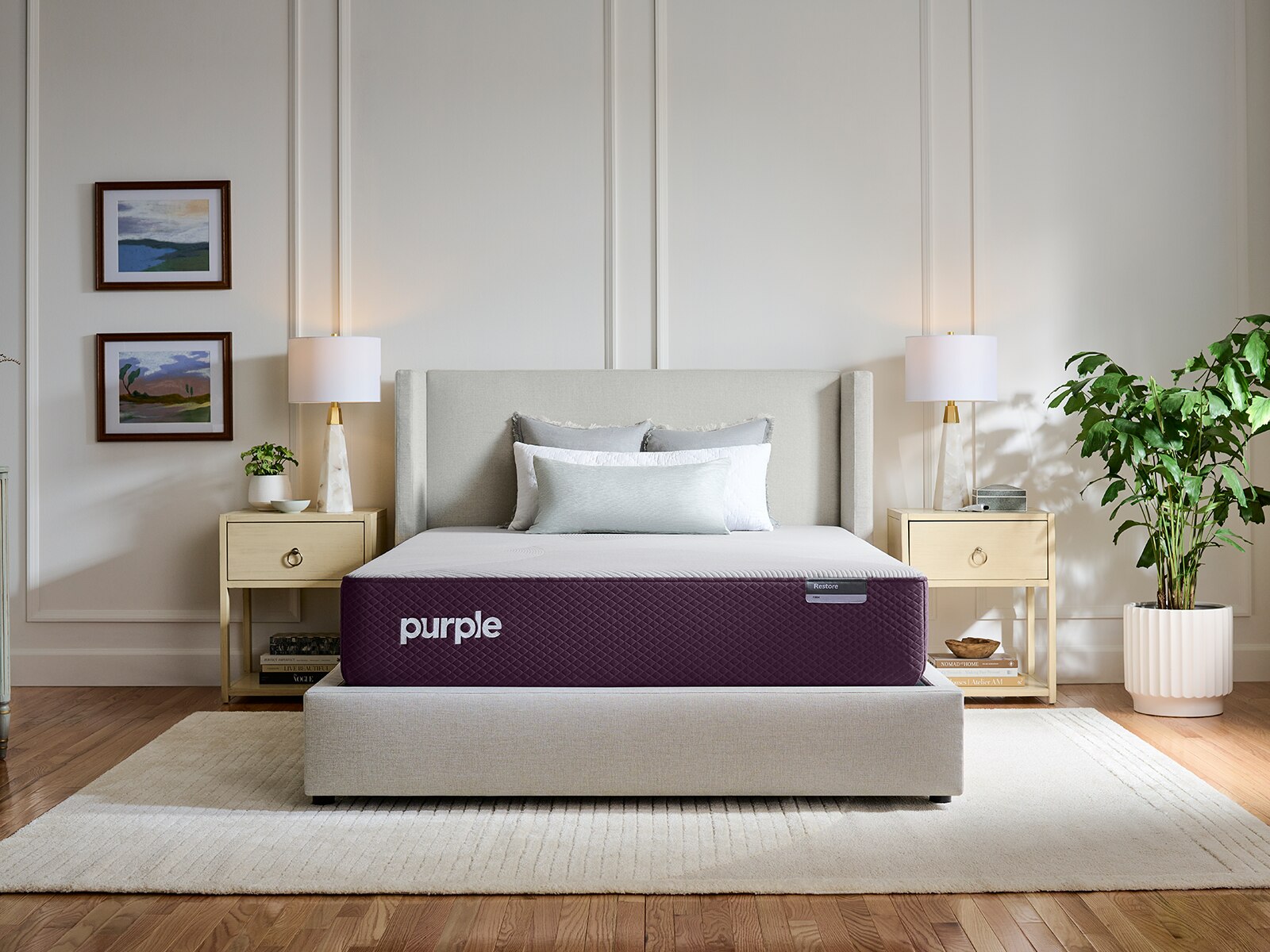
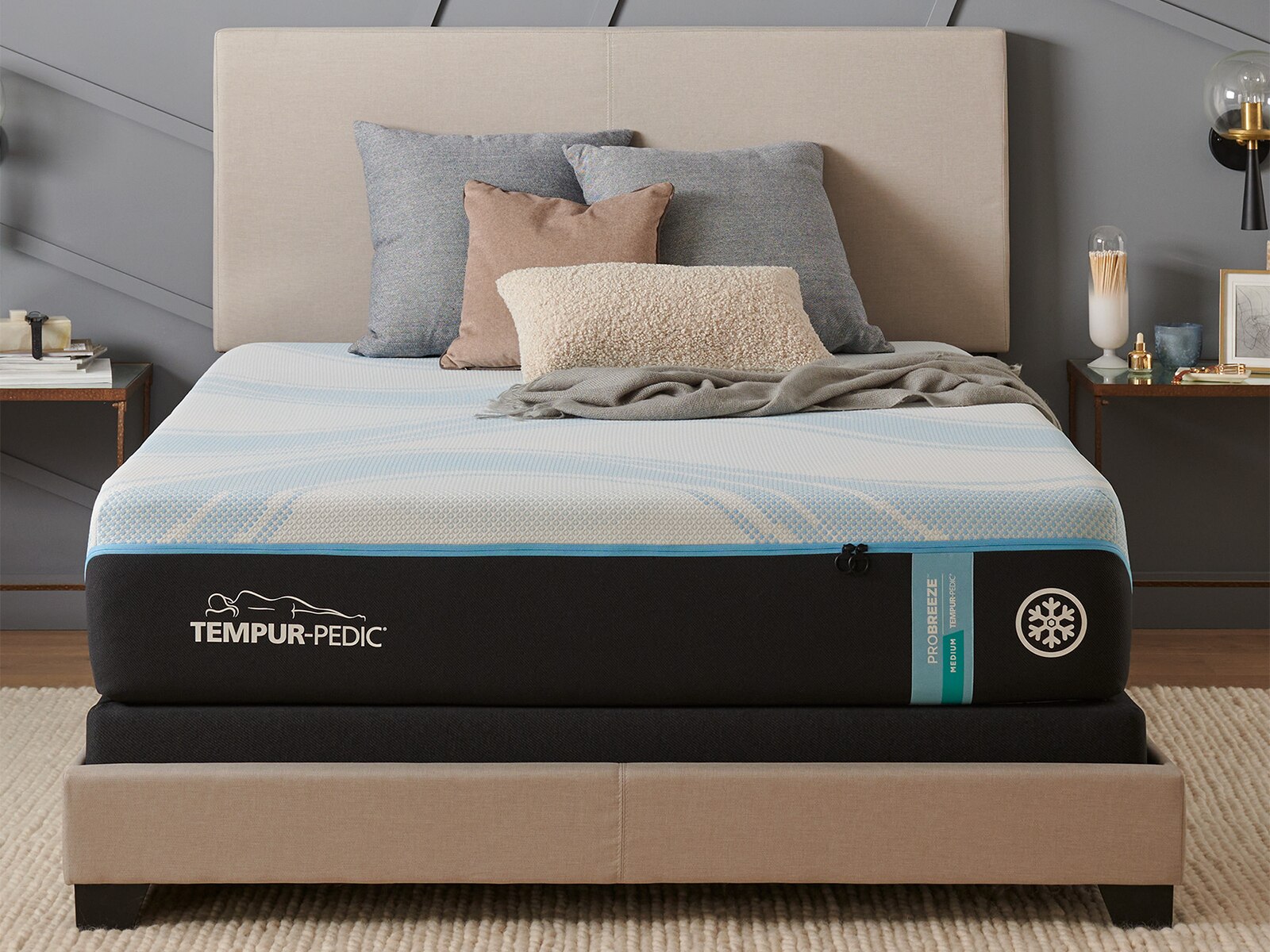
Resting comfort also matters when tenderness around the tailbone makes settling into bed difficult. Mattresses, mattress toppers and positioning pillows serve a different role from seated cushions: they support the body across a larger surface rather than creating a small opening beneath the coccyx. A mattress that allows some contouring around the hips while keeping the rest of the body supported may feel more comfortable than one that creates a pronounced pressure point or allows excessive sinking. The appropriate balance depends on body size, usual sleep position and personal preference, not a single firmness label. For side sleepers, a pillow between the knees may make the position feel more supported by limiting twisting through the hips. Back sleepers sometimes prefer support beneath the knees, although any position that increases tailbone discomfort should be reconsidered. Positioning pillows are intended to support a comfortable posture, not force the body into one fixed arrangement. A topper can adjust surface cushioning, but it cannot reliably correct a sagging mattress or repair an unsupportive foundation. Secure fit is important here, too: a topper that slides or bunches may make getting settled more difficult, and its added depth affects fitted-sheet sizing. Washable pillow covers and mattress protectors can simplify routine care without requiring frequent cleaning of the underlying cushioning. For someone helping a family member choose support, the person’s preferred sleep position, seating habits and ability to reposition the cushion are more useful considerations than softness alone. These products can contribute to a more comfortable daily routine, but they do not diagnose the cause of tailbone pain or replace medical care. Persistent, worsening or injury-related discomfort deserves professional evaluation. The most suitable support is one that fits its intended setting, maintains its shape during use and feels comfortable without creating new pressure elsewhere. Even a well-fitted cushion works best alongside opportunities to change position rather than remaining seated in one posture for long stretches.