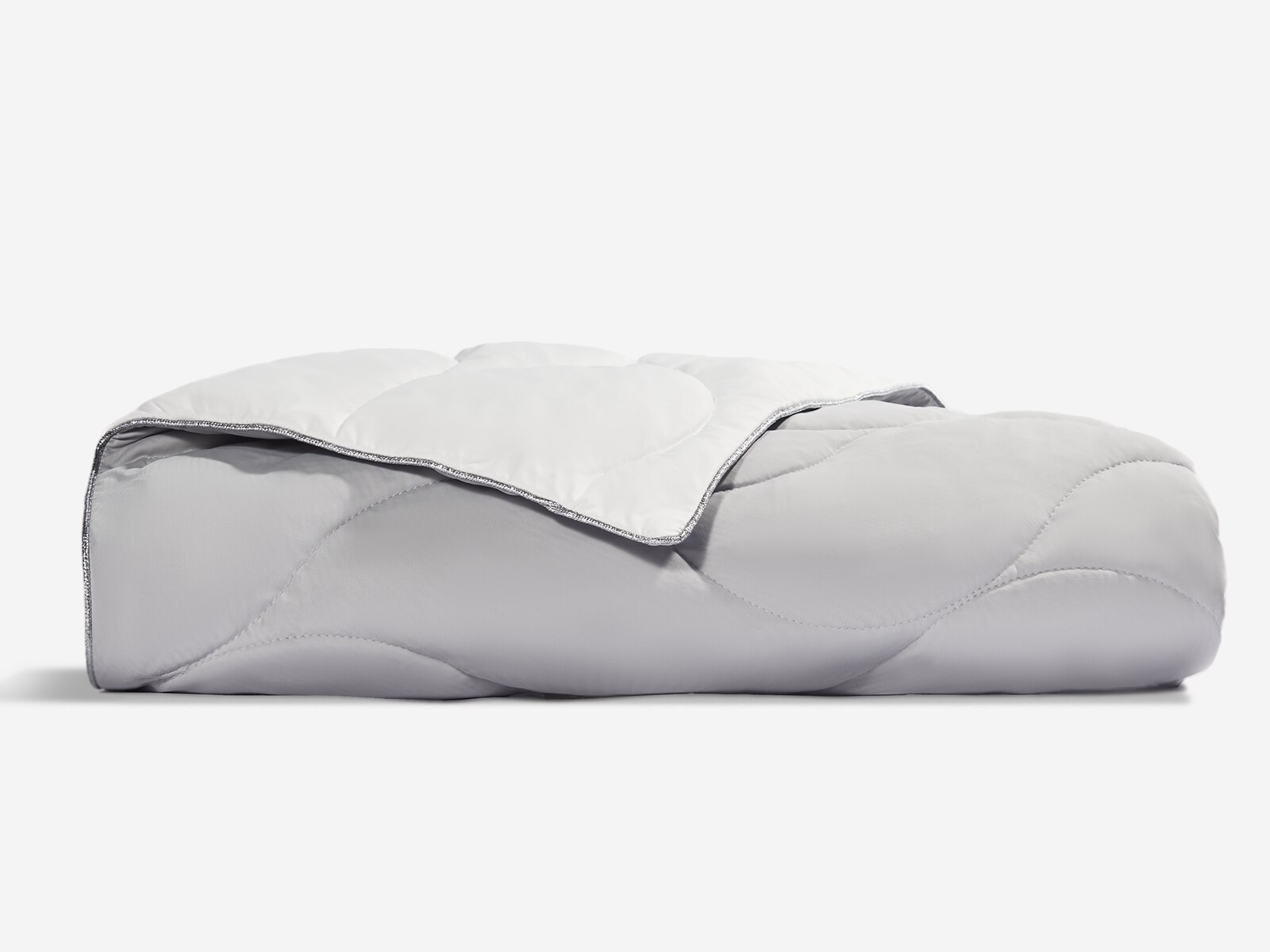
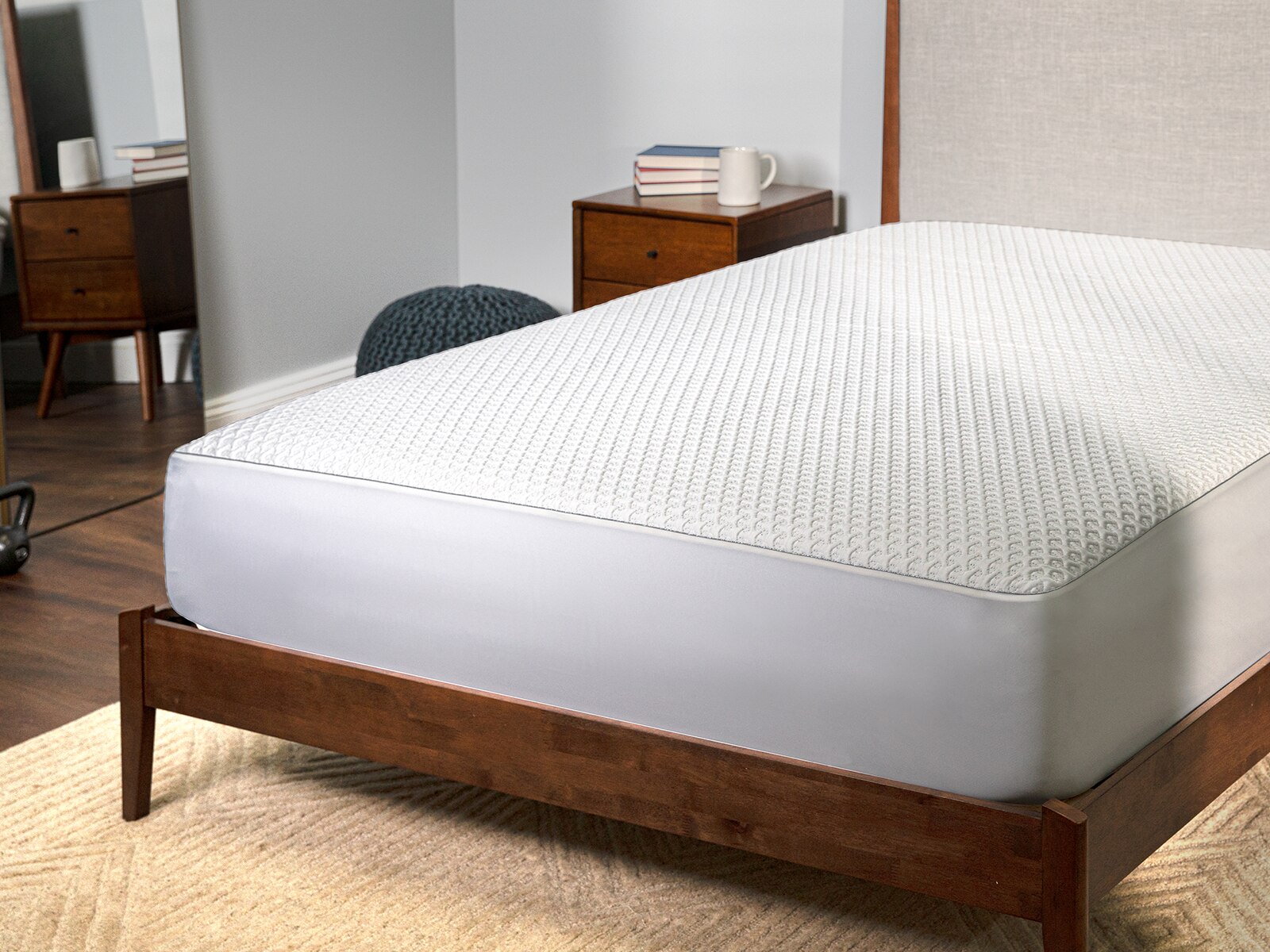
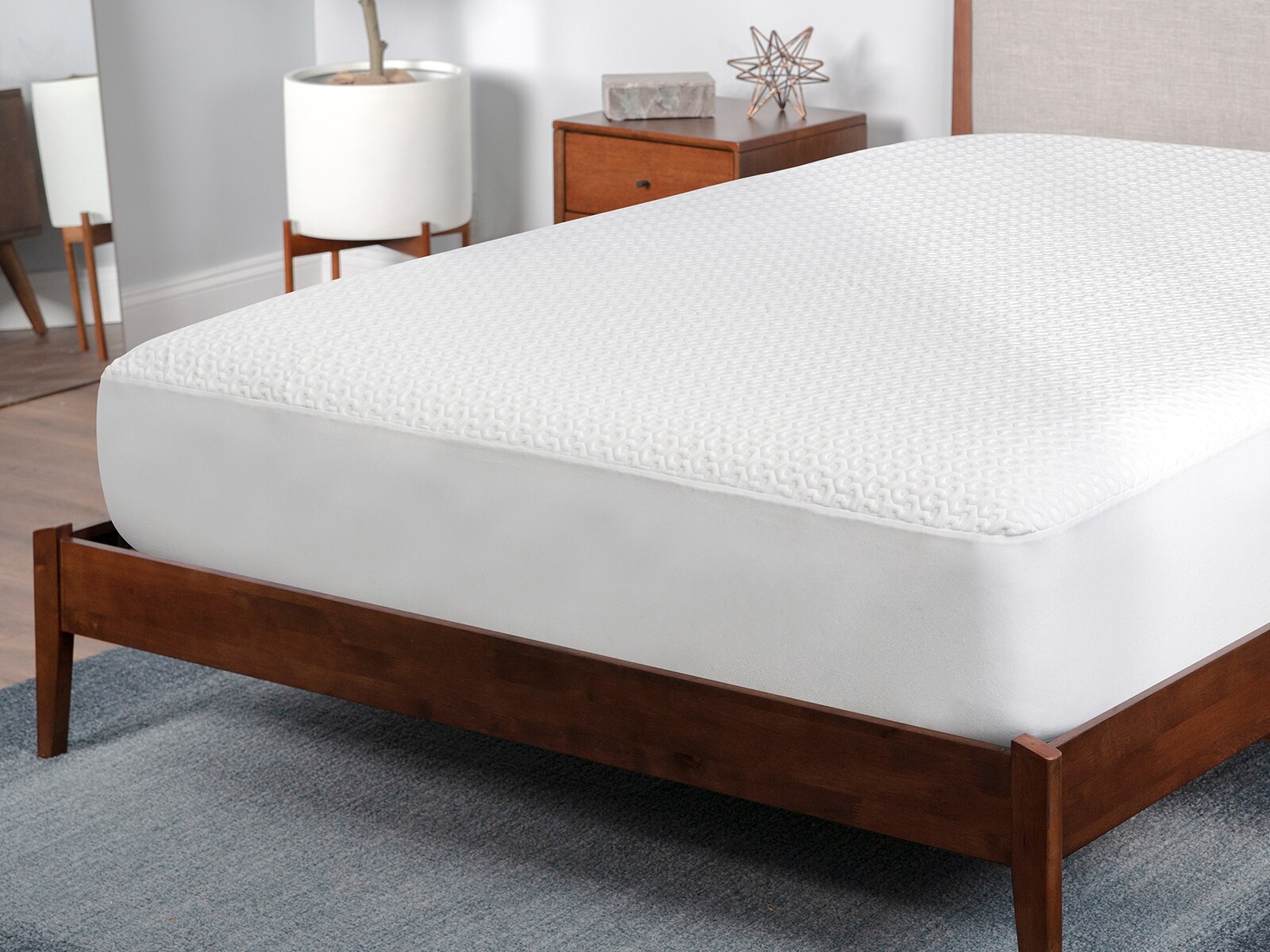
Mattress protectors for cold sleepers add a practical layer between the mattress and fitted sheet, helping keep the sleep surface clean while preserving a cozy feel. For someone who settles in with chilly feet or prefers a warmer-feeling bed, useful features include the surface fabric, the amount of cushioning and the way the protector handles moisture. A soft, brushed surface or light quilting may feel cozier than a sleek, crisp finish, while a modest layer of fiberfill can add a little insulation. The effect depends on the full construction, so a plush texture alone does not guarantee more warmth. A mattress protector primarily helps shield the mattress from everyday wear, perspiration and, when specified, spills; it is not the same as a thick mattress pad, a comforter or a heated layer. That distinction matters when the goal is a bed that feels inviting from the moment the covers are pulled back. Cotton can offer a familiar, absorbent surface, polyester blends can provide softness with straightforward care and wool-containing constructions may help manage moisture while providing insulation. The fabric label tells only part of the story: a cotton surface can still have a waterproof backing, and a wool component does not make every protector suitable for machine washing. Waterproof protection depends on the barrier and overall construction rather than the surface fiber alone. Cold sleepers can also perspire beneath heavier bedding, making moisture management just as relevant as a cozy feel. A breathable design can help moisture vapor escape, although performance varies by material and backing. Waterproof and breathable describe different properties, and neither word means that a protector produces heat. For a sleeper who wants to preserve the feel of a favorite mattress, a thinner, flexible protector may be a better match than a heavily padded layer. For someone who likes a touch of softness beneath the sheet, light quilting may make the surface feel more welcoming without the height of a separate topper.
A well-fitting protector should stay smooth beneath the fitted sheet rather than gathering into folds when the sleeper turns over. Mattress size is only one part of that fit; mattress depth matters, especially when a topper adds extra height. A fitted-style protector needs enough pocket depth to reach around the intended sleep surface without stretching the corners excessively. Too much loose fabric can bunch, while a cover pulled too tightly may shift or strain at the seams. Stretch-knit sides and a secure elastic edge can help accommodate movement, but the stated dimensions and care directions remain important. For adjustable bases, compatibility with repeated bending is another consideration, since the protector should move with the mattress rather than pull free as the head or foot rises. Protection coverage also varies. A top-surface protector concentrates its barrier where most spills occur, while an encasement surrounds the mattress; specific protective claims depend on the design and closure. Neither construction should be assumed to provide warmth simply because it offers more coverage. Quietness deserves attention, too, particularly for light sleepers or partners who wake when bedding rustles. A supple backing and a securely fitted surface may be less noticeable beneath the sheet than a stiff or loose layer. Durability comes from more than fabric thickness: stitching, edge construction, elastic recovery and the ability to withstand the recommended wash routine all affect long-term use. Regular laundering helps remove perspiration and everyday residue, but excessive heat or unsuitable laundry additives can damage some waterproof barriers. Care labels should determine wash temperature, drying method and whether bleach, fabric softener or ironing is permitted. Complete drying before the bed is remade helps prevent trapped dampness. A washable design that fits comfortably in the household laundry routine is often more practical than a delicate construction that is difficult to maintain, especially on a frequently used bed.
For cold sleepers, a mattress protector works best as part of a thoughtfully layered bed rather than as the only source of warmth. The protector sits beneath the fitted sheet, while sheets, blankets and a comforter influence how the bed feels around the body. A softly textured sheet may make that first stretch beneath the covers more comfortable, and an insulating blanket can provide warmth that a thin protective layer cannot. Bedding thickness alone is not a reliable measure of comfort: fill type, construction, breathability and personal preference all play a role. Related layers such as
Blankets For Cold Sleepers can complement mattress protection when the priority is a warmer-feeling sleep setup. A folded blanket across the foot of the bed offers a familiar solution for someone whose feet feel cold even when the rest of the body is comfortable. Separate top layers can also help partners with different preferences share a bed without requiring both people to sleep beneath the same weight of bedding. If active warmth is needed, that comes from a heated bedding product designed for the purpose, not from an ordinary mattress protector. Any heated layer must be used according to its instructions, including restrictions on placement and compatibility with the mattress and other bedding. For a guest room, a washable protector with an unobtrusive feel provides a useful foundation, while an extra blanket lets visitors adjust their own comfort. For a student setting up a new bed or someone refreshing a bedroom, a protector can be a practical gift when the mattress dimensions and care preferences are known. The strongest match balances protection, comfortable texture, dependable fit and manageable upkeep. A cold sleeper does not necessarily need the thickest cover; the right foundation protects the mattress, stays comfortably in place and leaves room for bedding layers that deliver the desired warmth.