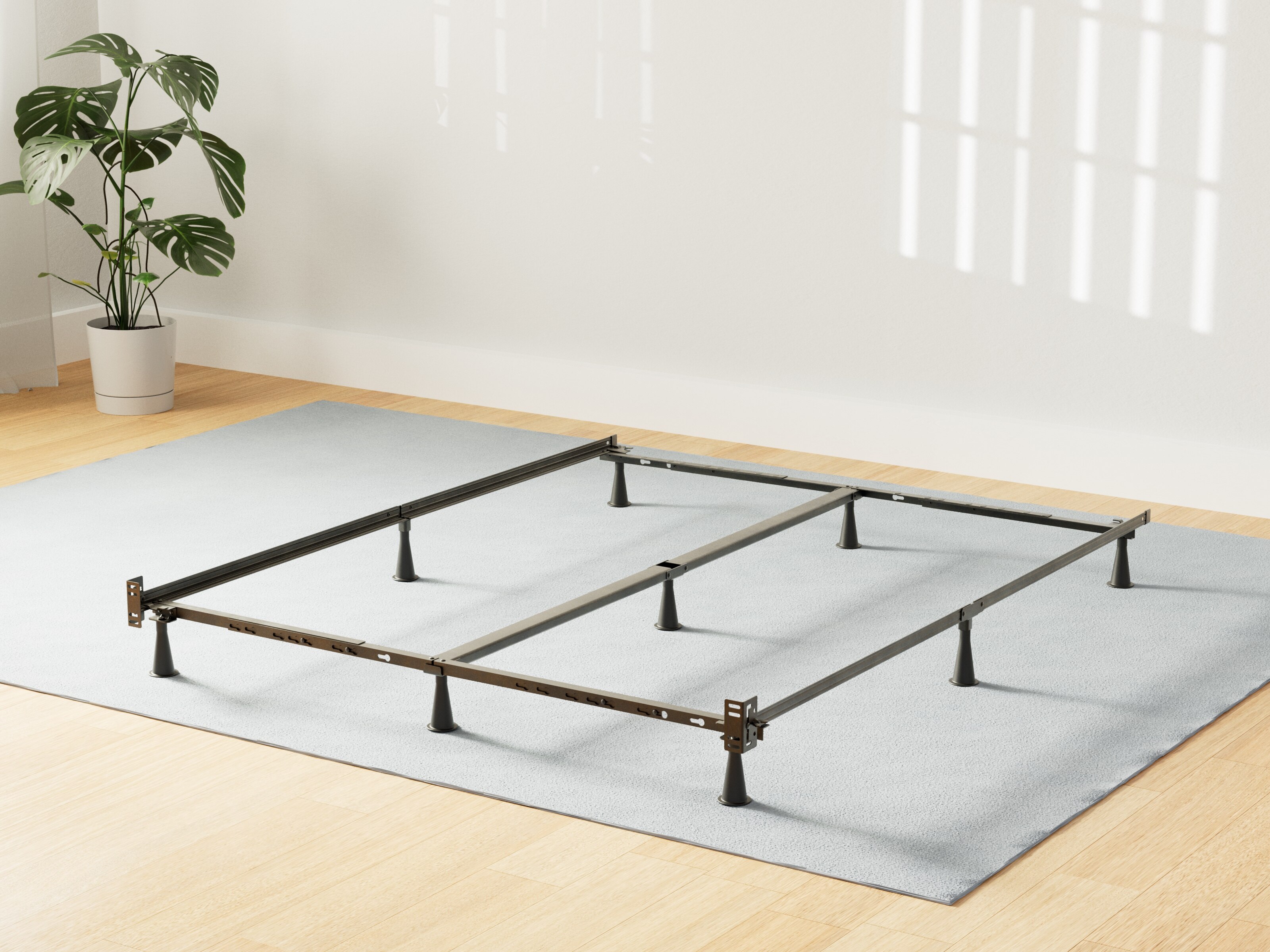
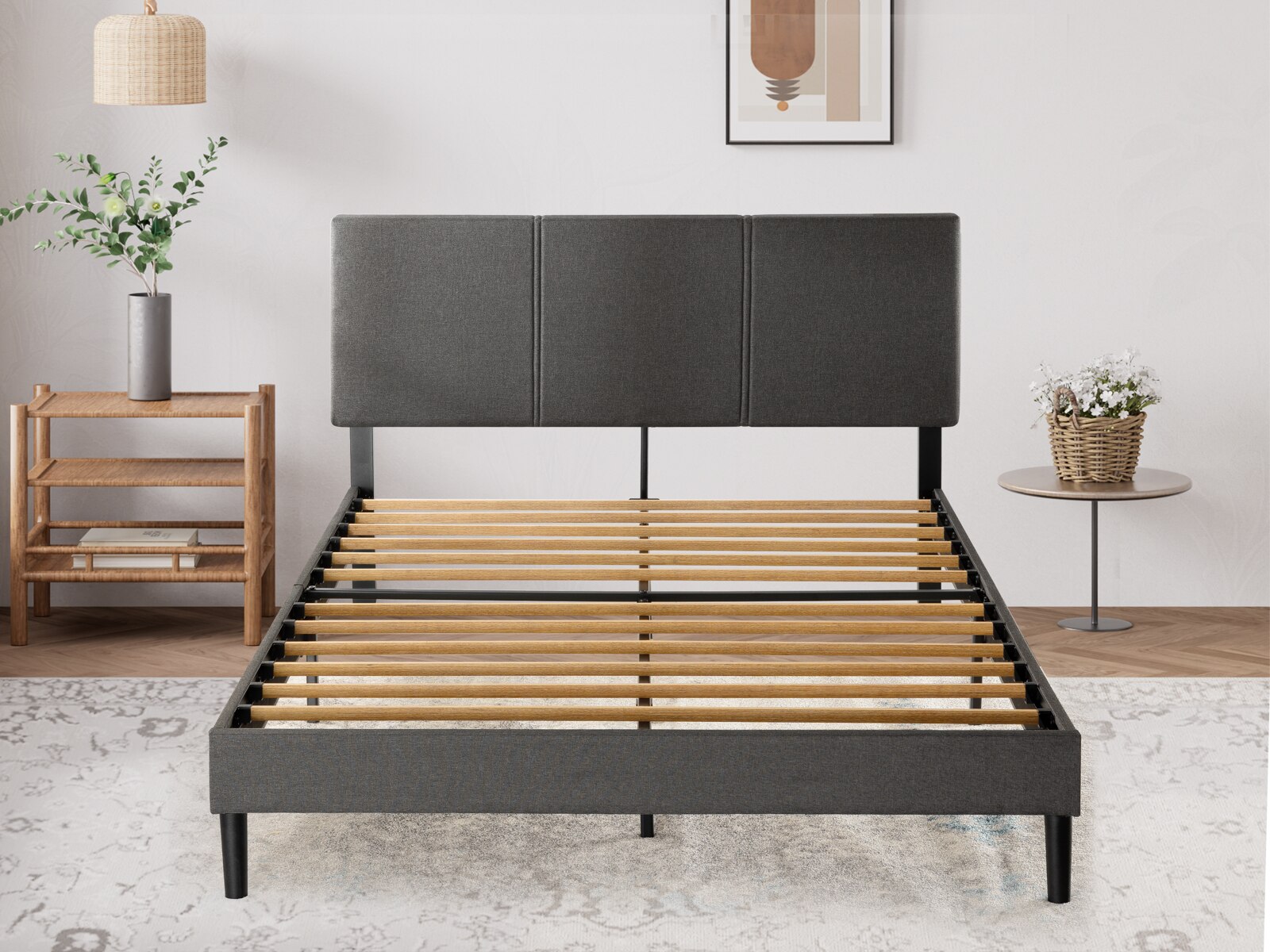
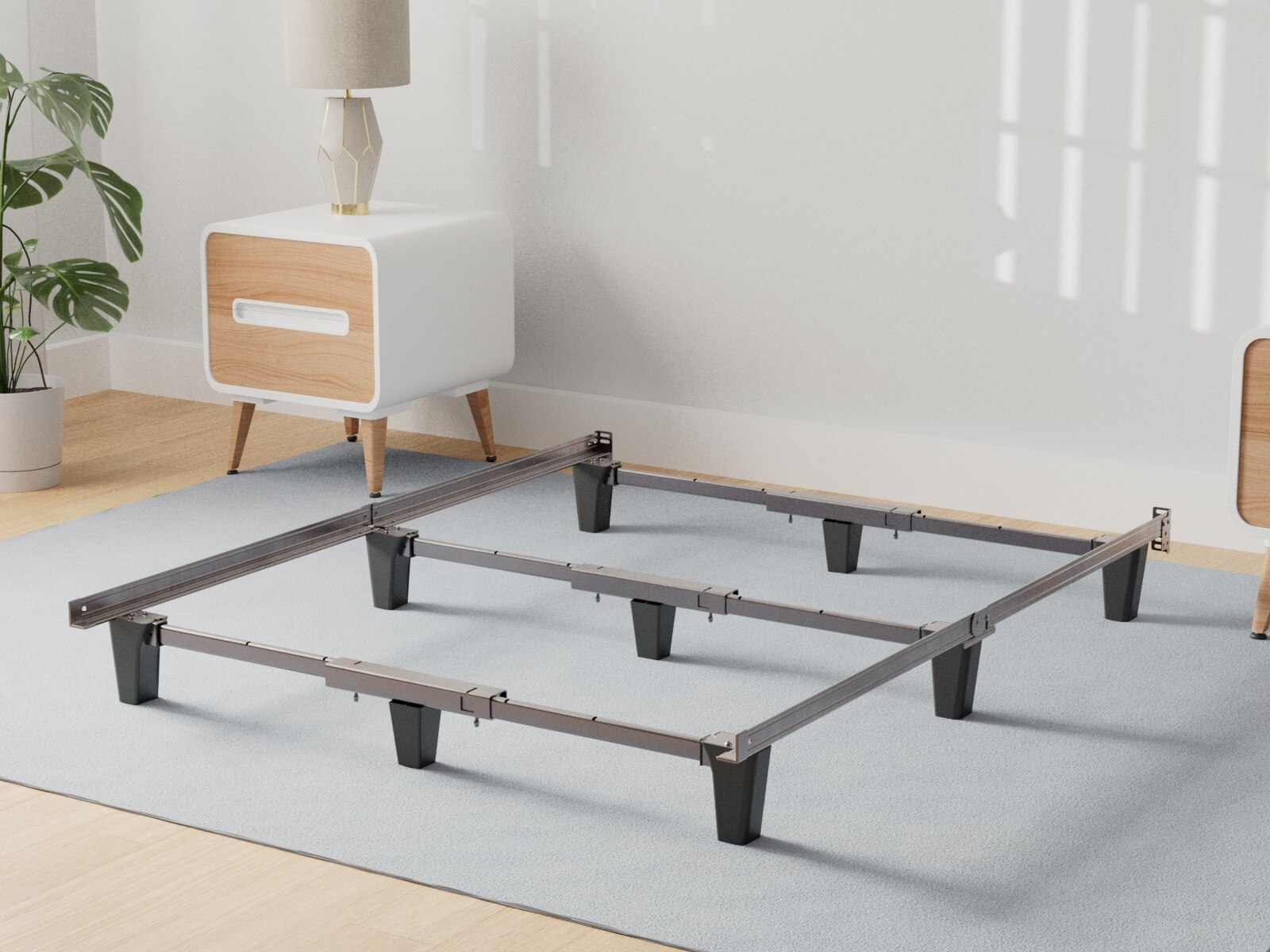
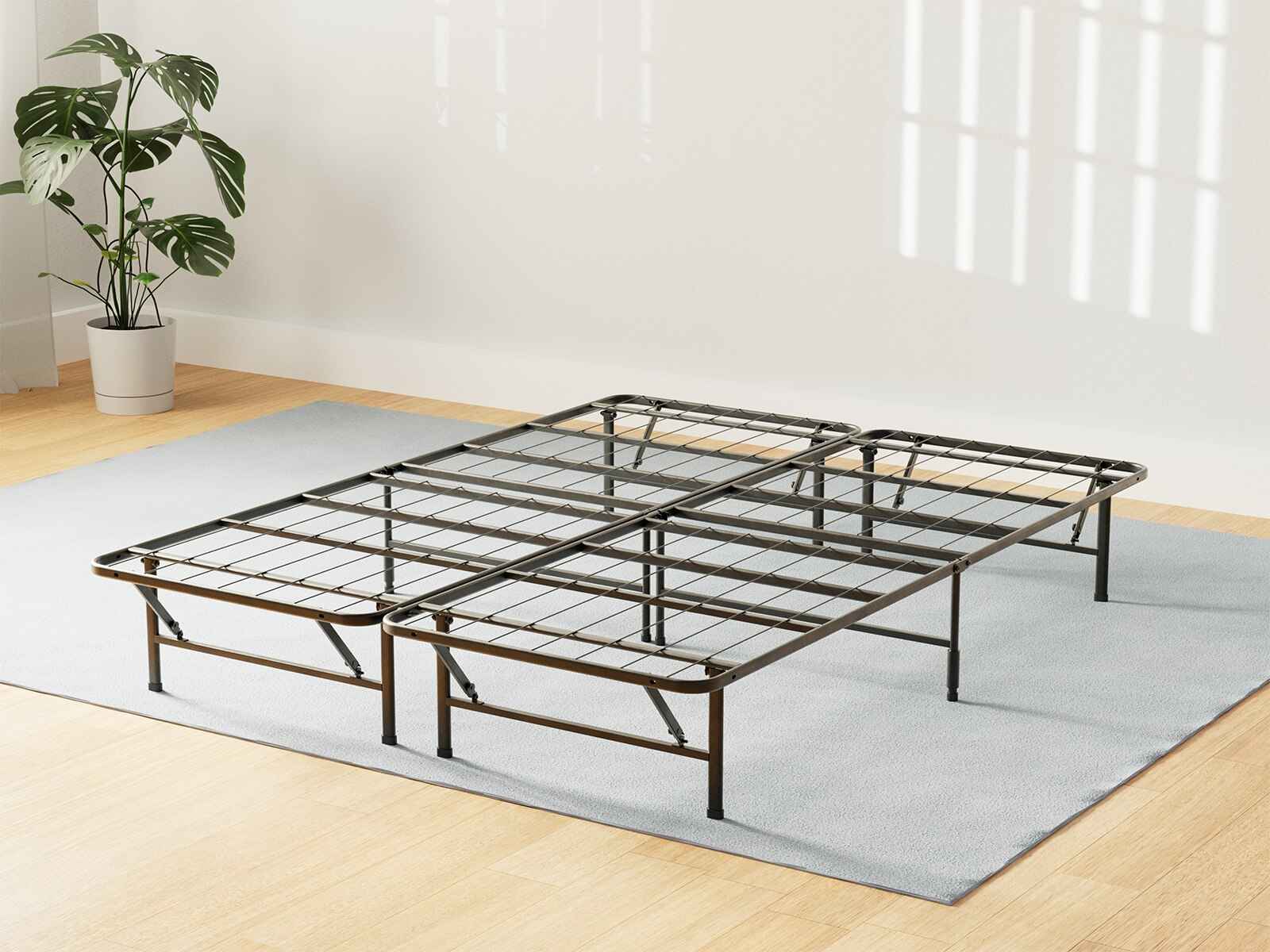
Queen bed frames give a bedroom a defined centerpiece while providing the structure a mattress needs for everyday use. A standard queen mattress measures 60 inches wide by 80 inches long, and a queen frame is designed to accommodate that mattress size. The frame’s outside dimensions can be larger, particularly when it includes a substantial headboard, an upholstered border or a footboard. That distinction matters in a bedroom where a dresser drawer needs room to open or a clear path beside the bed makes mornings easier. For two sleepers, a queen offers shared sleeping space without the larger footprint of a king; for someone sleeping alone, it leaves room to stretch out or settle in with a book. Queen size bed frames work well in primary bedrooms, guest rooms and multipurpose spaces with enough clearance around the bed. Their construction also determines what belongs beneath the mattress. A platform frame generally uses slats or a solid deck to support a mattress without a separate foundation, provided the mattress manufacturer approves that setup. Other frames are designed to hold both a mattress and a compatible foundation. Slat spacing, weight capacity and center support all deserve attention because the right dimensions alone do not guarantee suitable support. The stated weight capacity may include the mattress, foundation and sleepers, so checking how that limit is defined helps avoid an unsuitable match. Some decorative frames can surround an adjustable base, but the base’s dimensions and range of motion need to work with the frame’s interior layout. Overall bed height matters, too. A low frame creates a different experience from a taller design paired with a thick mattress. The finished height affects getting into bed, reaching a nightstand and sitting comfortably along the edge to put on shoes.
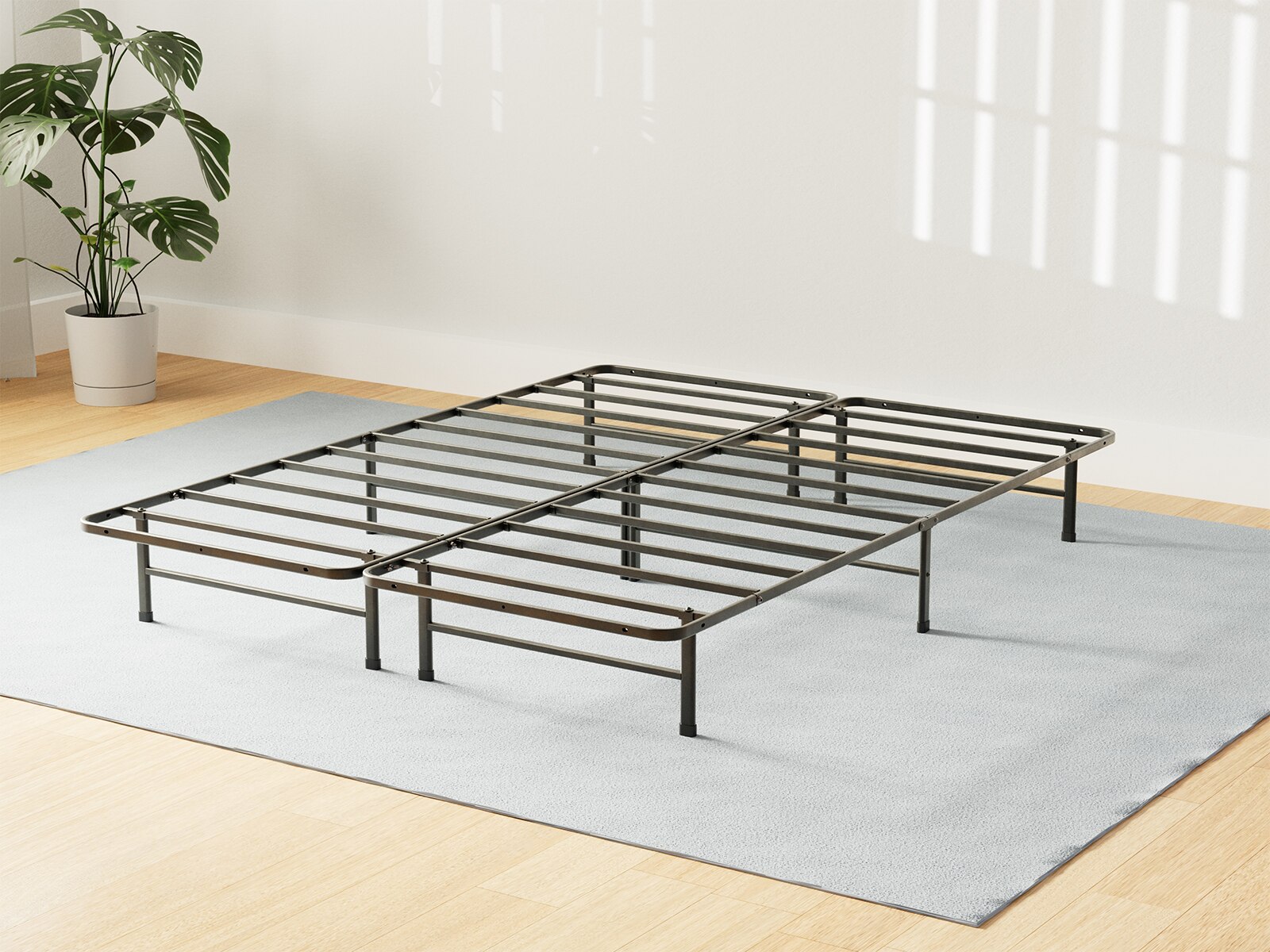
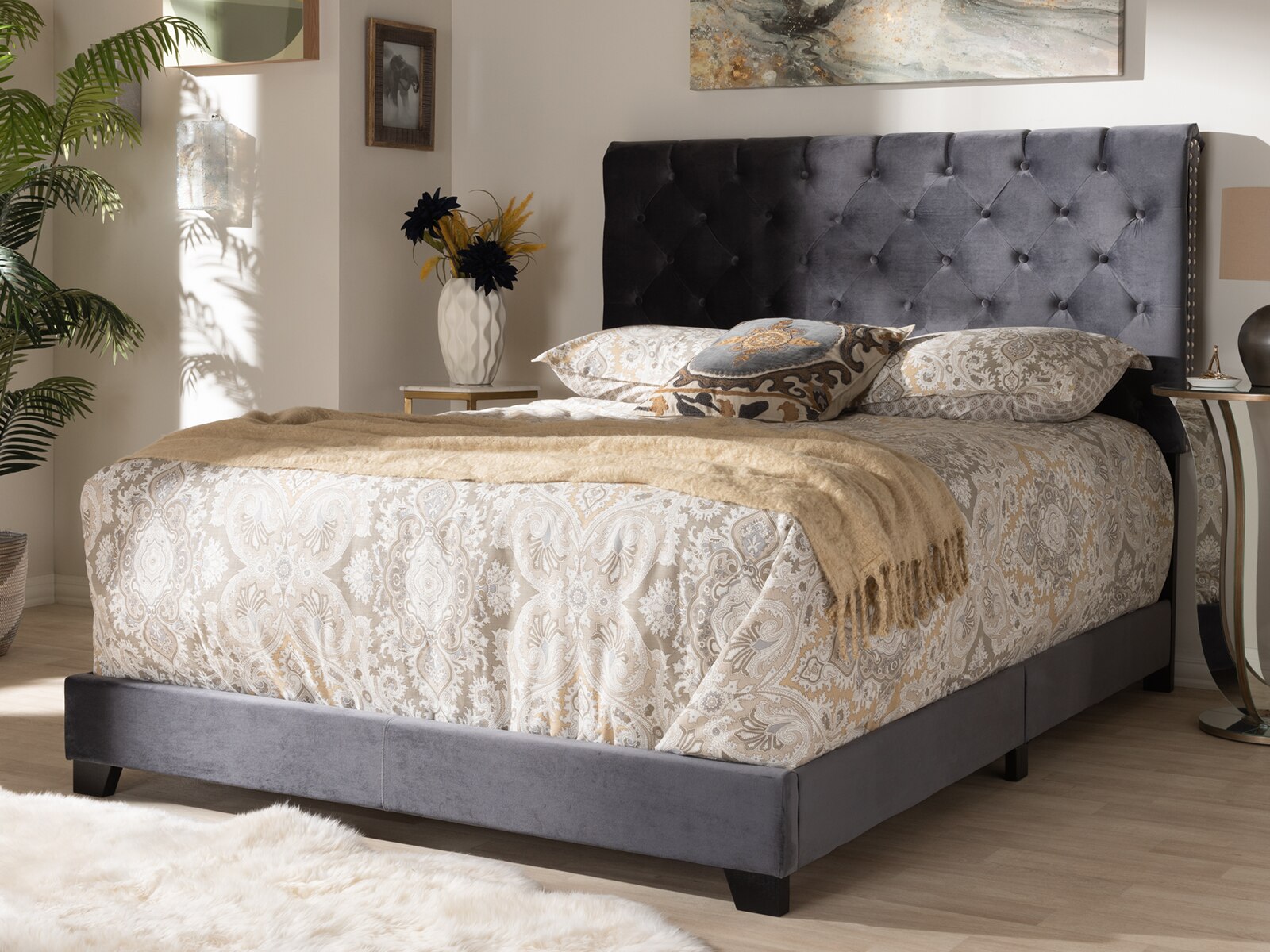
Materials and construction shape both the appearance of a queen bed frame and how it holds up to daily life. Wood frames bring visible grain and a sense of warmth, with finishes ranging from pale tones to deeper browns. Solid wood and engineered wood have different characteristics, but neither label tells the whole story: joint construction, support placement and the quality of the finish also influence performance. Metal queen bed frames can look spare and streamlined or more decorative, with open rails that keep the bed from feeling visually heavy. Secure connections and well-positioned supports help create a stable structure, while protective feet can help reduce direct contact between metal components and the floor. Upholstered queen bed frames introduce texture through woven fabric, tufting or smooth padded panels. A padded headboard can provide a more comfortable surface to lean against while reading, although its height relative to the mattress affects how much usable backing remains exposed. A tall mattress may cover much of a low headboard, while a thinner mattress can leave more of the upholstery visible. In a room shared with pets, fabric texture and ease of removing hair may matter as much as color. In a frequently used guest room, a finish that is straightforward to wipe clean can simplify upkeep between visits. Durability also depends on details that are easy to overlook in a photograph, such as how side rails attach, whether slats stay securely in place and how the center legs meet the floor. A frame assembled squarely with evenly supported legs is better positioned to remain steady through ordinary movement. Style can follow the room rather than dominate it: an open metal design lets patterned bedding stand out, a simple wood frame complements varied furniture finishes and upholstery softens the look of a room with hard flooring. The most useful choice balances those visual preferences with the way the bed will actually be used.
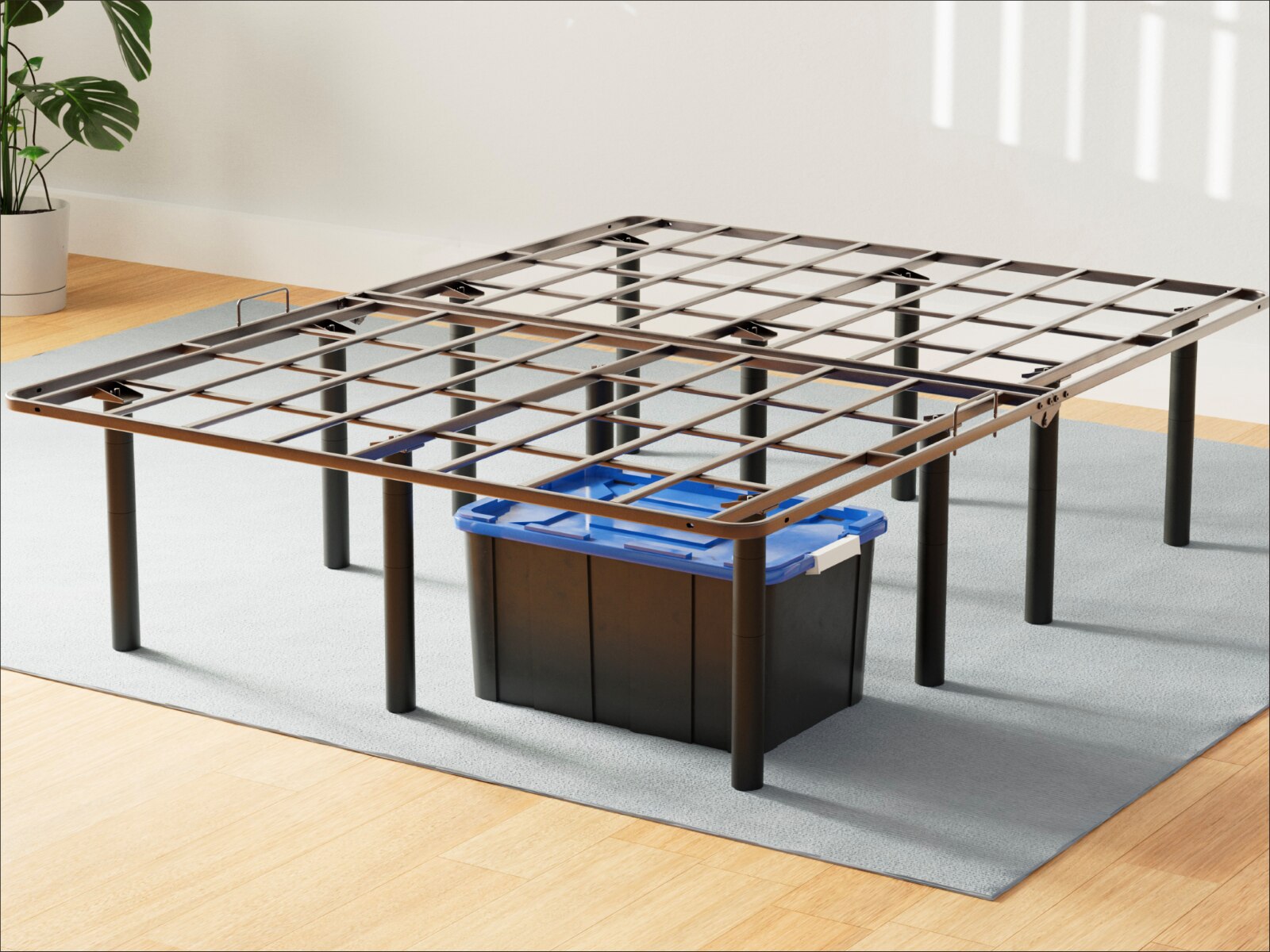
Storage queen bed frames make the space beneath the mattress part of the room’s organization. Built-in drawers can hold folded sheets, extra pillowcases or other bedroom essentials, while lift-up designs provide access to a larger compartment beneath the sleeping surface. Each approach changes the clearance the bed needs. Side drawers require room to extend beyond the frame, and a nightstand placed close to the head of the bed can interfere with a nearby drawer. Lift-up storage avoids that side clearance, but its mechanism has operating instructions and mattress weight requirements that need to be followed. An open frame offers another option, leaving space for separate storage containers as long as they fit beneath the rails and do not obstruct support legs. That open area also affects cleaning access, especially when a vacuum or cleaning tool needs to reach beneath the center of the bed. Routine care is usually simple but should match the materials: a soft cloth removes dust from finished wood and metal, while upholstery may benefit from gentle vacuuming with an appropriate attachment. Spills need prompt attention using the care method specified for the fabric or finish rather than a cleaner chosen by habit. Hardware can loosen with regular movement, so periodic checks help keep connections secure; persistent movement or noise warrants checking the assembly and supports rather than simply tightening every fastener harder. For households that move often, manageable components and clearly retained assembly instructions can make taking a frame apart less frustrating. A queen frame can also be a thoughtful household gift for someone furnishing a shared home, provided the recipient’s mattress size, room measurements and style preferences are confirmed first. Where a room must also accommodate a desk, hobby supplies or visiting family, comparing the footprint of queen options with the Single Bed Frames category can clarify how much space should be devoted to sleeping. The
Single Bed Frames collection offers a smaller-size point of comparison for rooms intended for one sleeper. For a queen setup, dependable mattress support, practical clearance and materials suited to everyday routines create a bed that feels at home in the room.