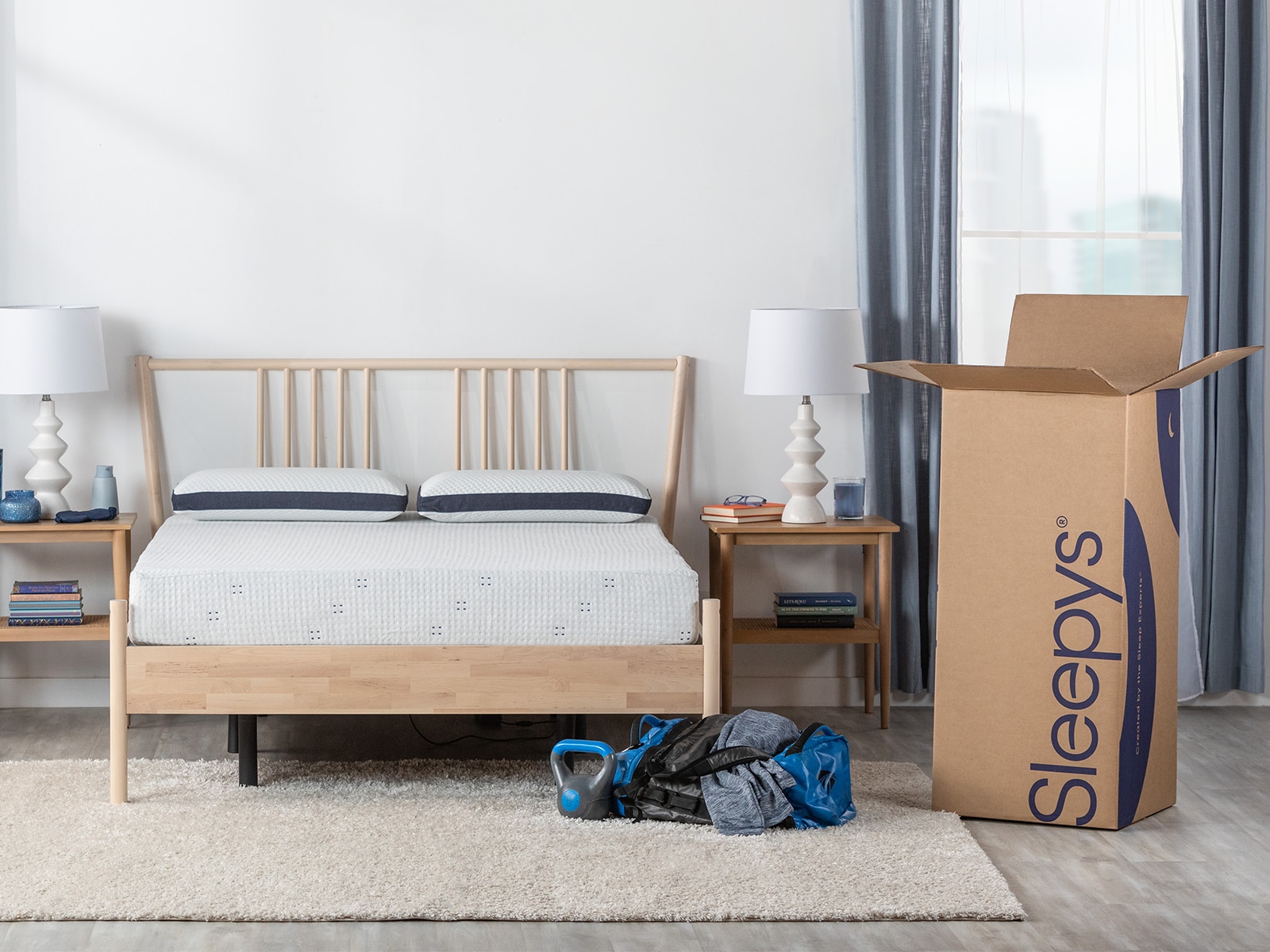
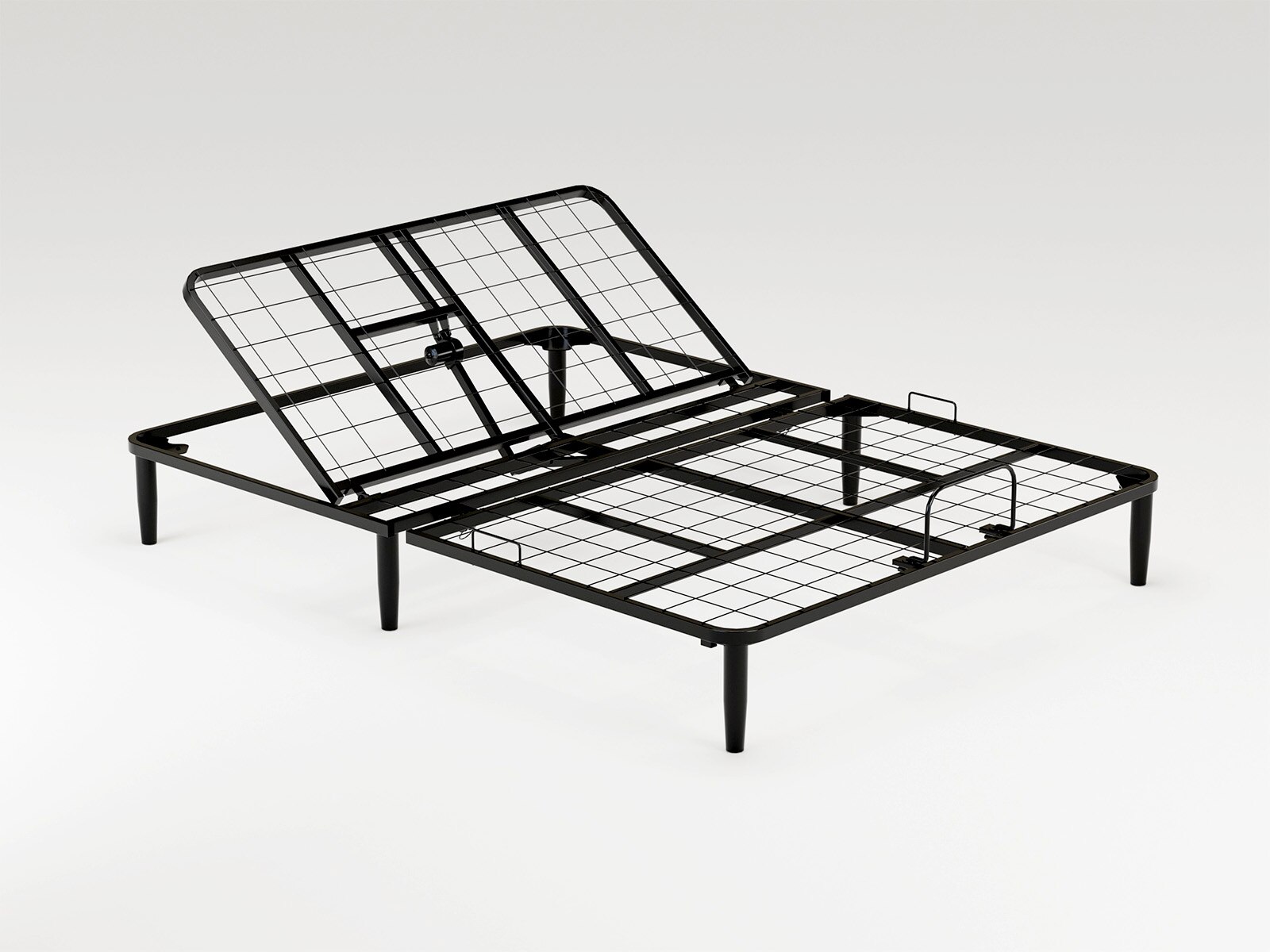
A queen bed can make a compact bedroom feel comfortable and well organized when its frame, storage features and placement work with the room’s dimensions. A standard queen mattress measures 60 inches wide by 80 inches long, offering room for two adults without taking up as much floor space as a standard king. The bed’s total footprint is usually larger than the mattress, however, because side rails, upholstery and headboards can extend beyond those measurements. For queen beds that maximize bedroom space, the overall frame dimensions matter just as much as the mattress size. A slim frame with a shallow headboard can preserve valuable inches beside a closet or near the foot of the bed, while rounded corners may make tight walking paths easier to navigate. Allowing about 24 to 30 inches of open space along accessible sides provides a useful starting point for everyday movement, though wider pathways are preferable when space permits and accessibility needs may require more room. Doors, dresser drawers and closet panels also need enough clearance to open without hitting the frame. Placing the headboard against a long, uninterrupted wall often creates a practical layout, but the best position depends on windows, outlets and the routes people take through the room. In a bedroom shared by two people, access from both sides can prevent one person from having to climb across the mattress. In a guest room or bedroom used by one person, positioning a side closer to the wall may leave more room for a desk or reading chair. Low-profile queen beds and open-sided frames can also make the room look less crowded, especially when paired with narrow bedside tables. A wall-mounted bedside shelf can hold a lamp and a book without adding another set of legs to the floor. These choices help preserve the bed’s generous sleeping surface while keeping everyday essentials within reach.
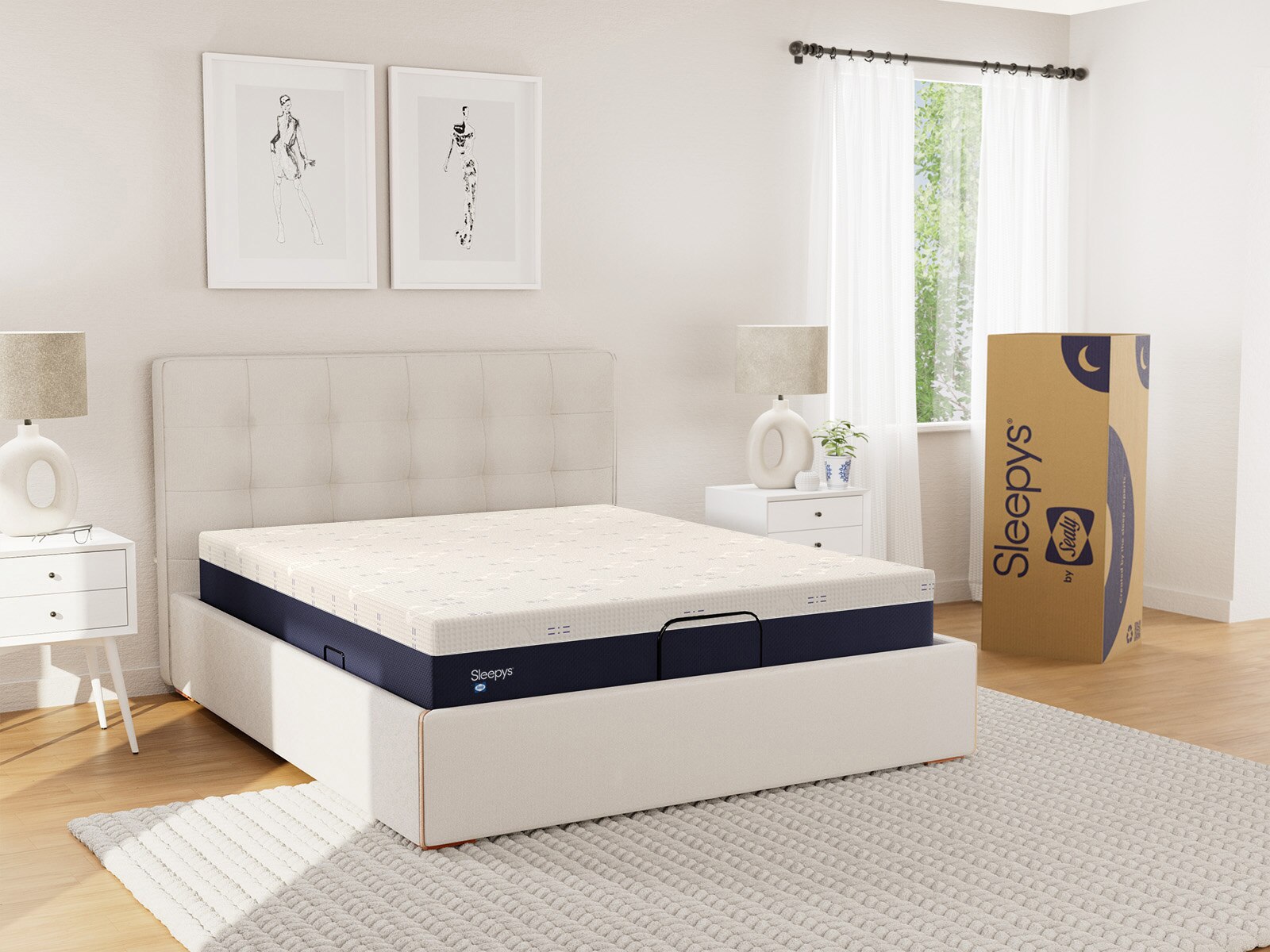
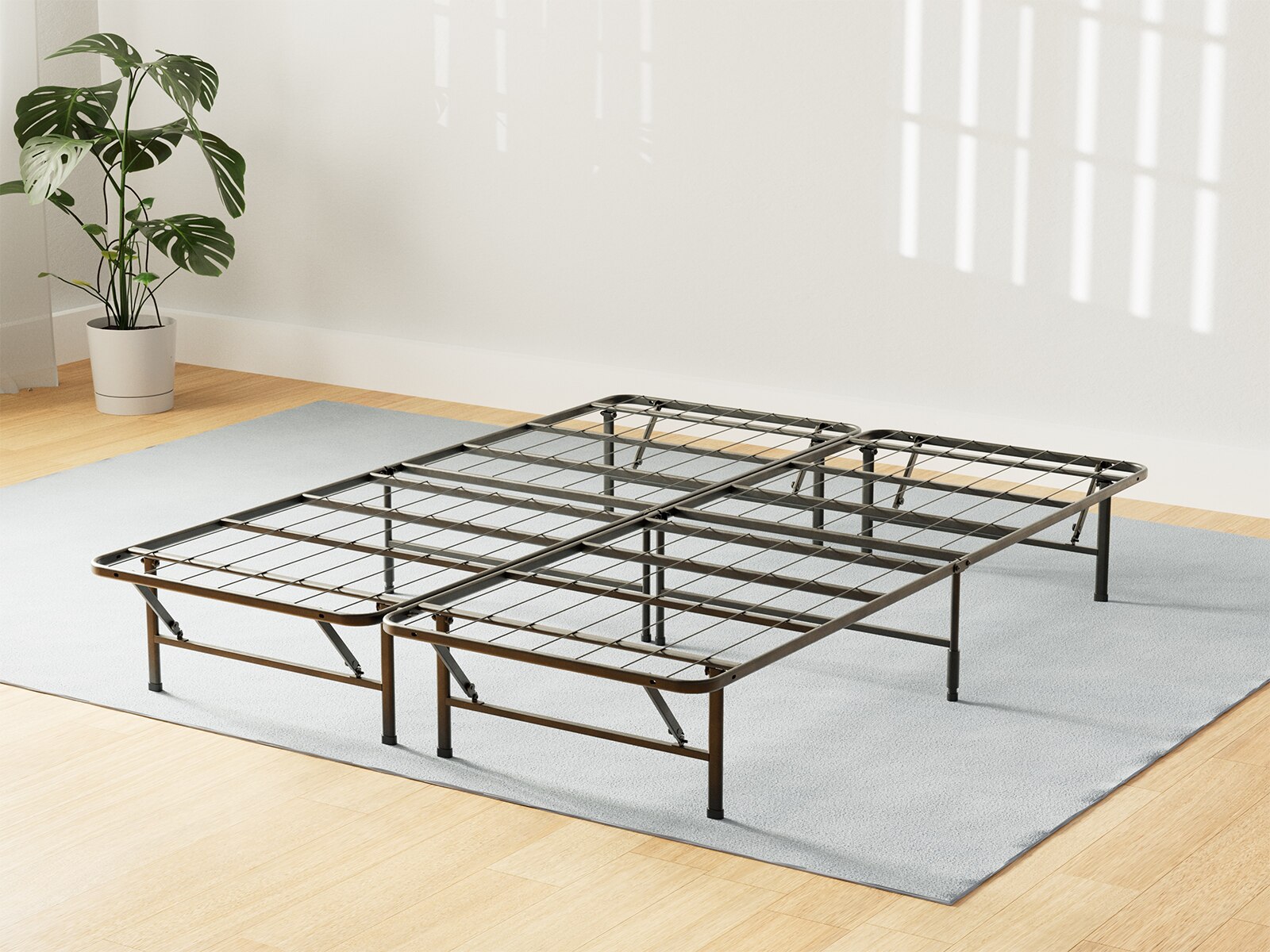
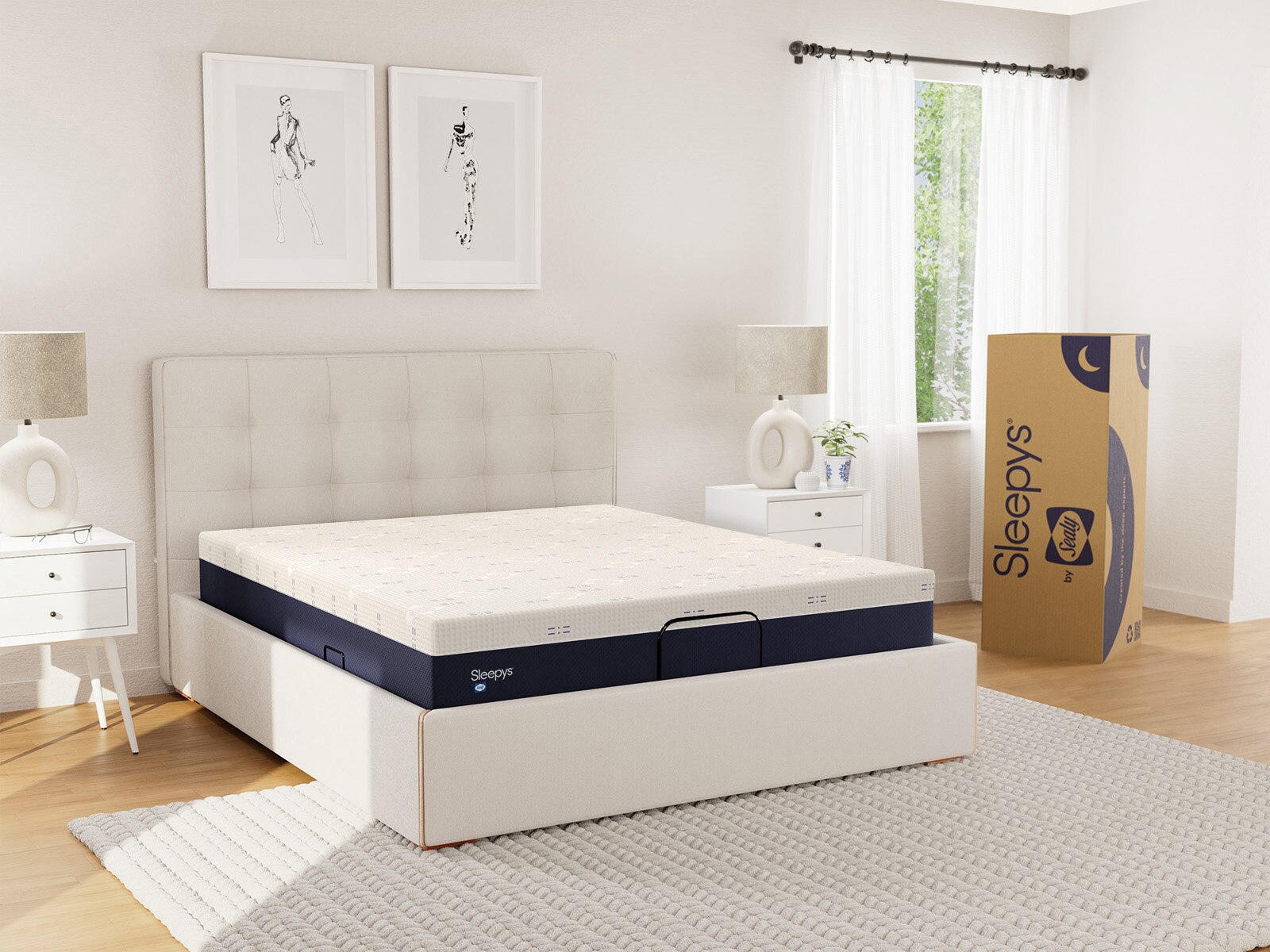
Storage queen beds put the space beneath the mattress to work, making them especially useful in bedrooms with small closets or limited room for a dresser. Built-in drawers can hold folded clothing, extra sheets or spare pillows, but their usefulness depends on where they open. Side drawers need clear floor space beside the bed, while foot-end drawers may suit a room with narrow side aisles and a more open area at the foot. Drawer extension matters, too: a bedside table that fits neatly next to the headboard can still block a drawer beneath it. Lift-up storage beds provide access to a larger compartment under the mattress and can be helpful when side clearance is limited. Their opening path, lifting mechanism and manufacturer’s operating instructions deserve attention, particularly in rooms with low shelving or other furniture close to the frame. An elevated frame offers another approach, leaving space for separate storage containers that can slide out as needed. Measuring the height beneath the side rails helps ensure those containers actually fit. Platform beds can reduce the number of separate support components because many are designed to support a compatible mattress without a box spring. That does not mean every platform works with every mattress; slat spacing, center support and foundation requirements should match the mattress manufacturer’s specifications. Materials influence both appearance and long-term use. Solid wood can bring warmth and substantial structure, while engineered wood provides a consistent surface that may be finished with veneer or laminate. Metal frames often have a slender profile, although their stability still depends on construction, connections and support placement. Upholstered frames soften the look of a room, but thick padding can increase the exterior dimensions. For a bedroom that doubles as a workspace, a foldaway queen bed can free up floor space when closed, provided the room accommodates its full opening area and the bed is installed and used according to the manufacturer’s requirements. The most useful space-saving design is one whose storage and support features fit naturally into daily routines, rather than adding extra steps to getting dressed or making the bed.
Comfortable proportions are as important as a compact footprint. A very low queen bed may look streamlined, but the combined height of the frame and mattress affects how easy it is to sit down, stand up and change the sheets. A taller frame may create more storage room underneath, yet a thick mattress can make the finished bed higher than expected. Headboard height also changes how the bed looks once pillows and bedding are in place; a tall mattress can cover much of a short headboard. For couples furnishing a smaller primary bedroom, a sturdy frame with accessible storage can help accommodate two people’s belongings without crowding the floor with extra furniture. For a guest bedroom, a queen bed offers a welcoming sleeping space while leaving room for a luggage rack or a small work surface when the layout allows. Care and durability depend on both the materials and the construction. Upholstery generally benefits from regular vacuuming with an appropriate attachment and prompt attention to spills using the manufacturer’s cleaning guidance. Wood, veneer and metal surfaces should be cleaned with products suited to their finishes, rather than a single cleaner used indiscriminately across the frame. Secure connections, properly positioned center supports and smoothly operating drawers help the bed remain useful over time. Periodically checking accessible fasteners according to the care instructions can address loosening before it affects stability. Keeping storage within the stated weight limits also helps protect drawer hardware and lifting mechanisms. Bedding adds another layer of fit: queen sheets should match the mattress depth, and an overly long comforter can pool in a narrow walkway or interfere with drawers. If a larger sleeping surface is a priority,
King Beds For Urban Bedrooms provides a related size comparison. A standard king mattress is 76 inches wide by 80 inches long, making it 16 inches wider than a queen before accounting for the frame. In a compact bedroom, those inches can determine whether there is room for a clear bedside path, a functional closet entrance or a comfortable place to get ready each day.