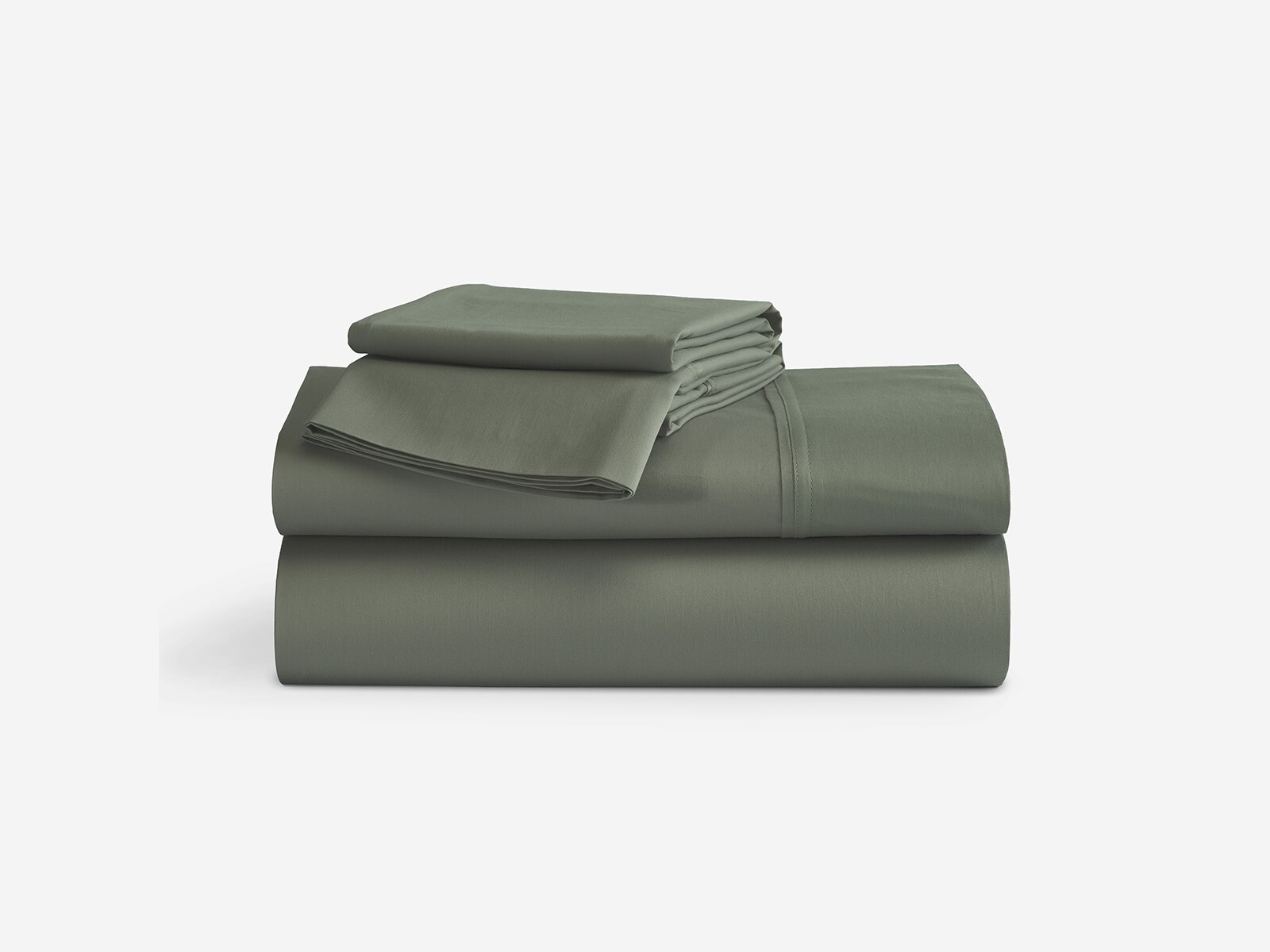
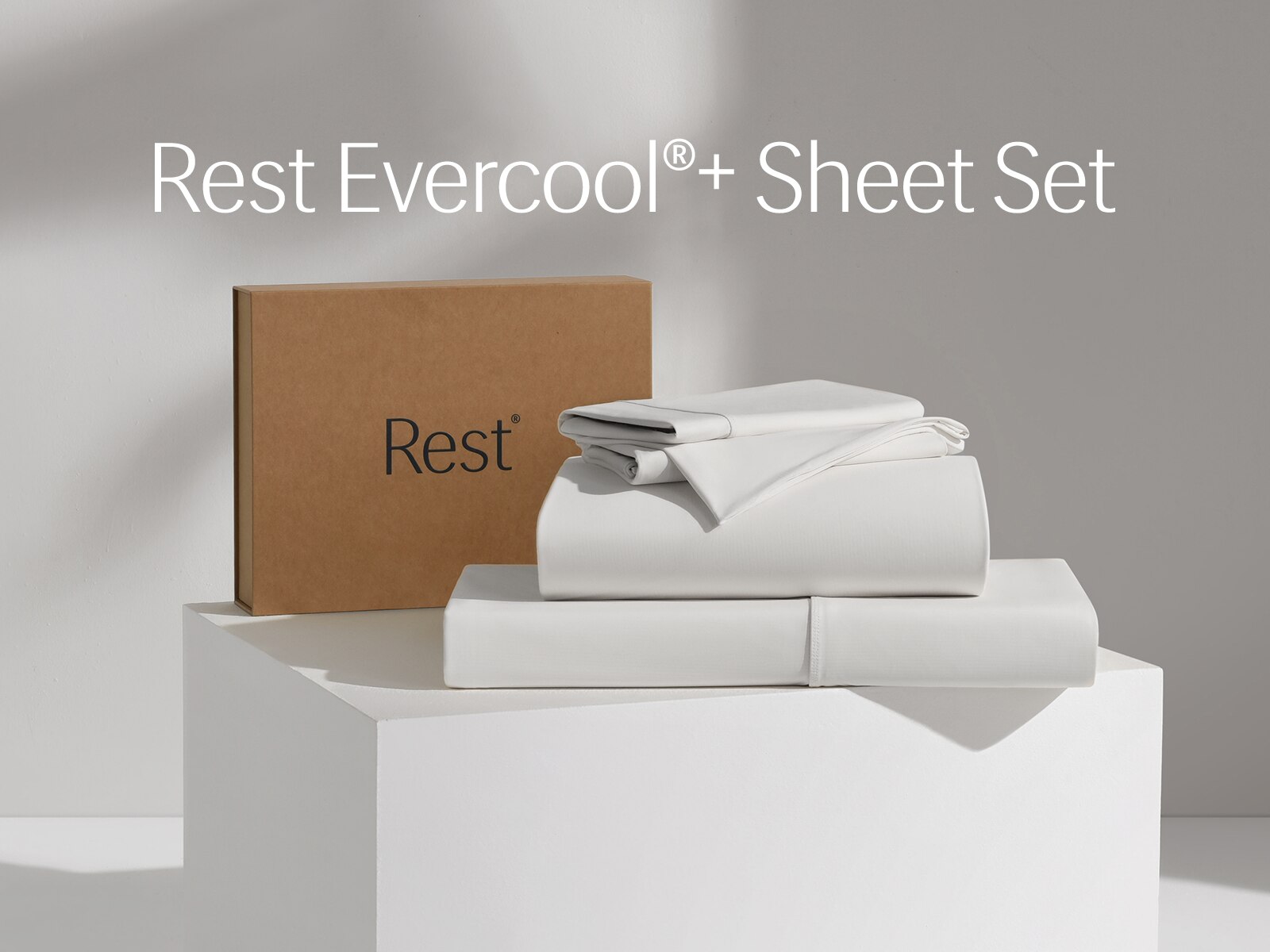
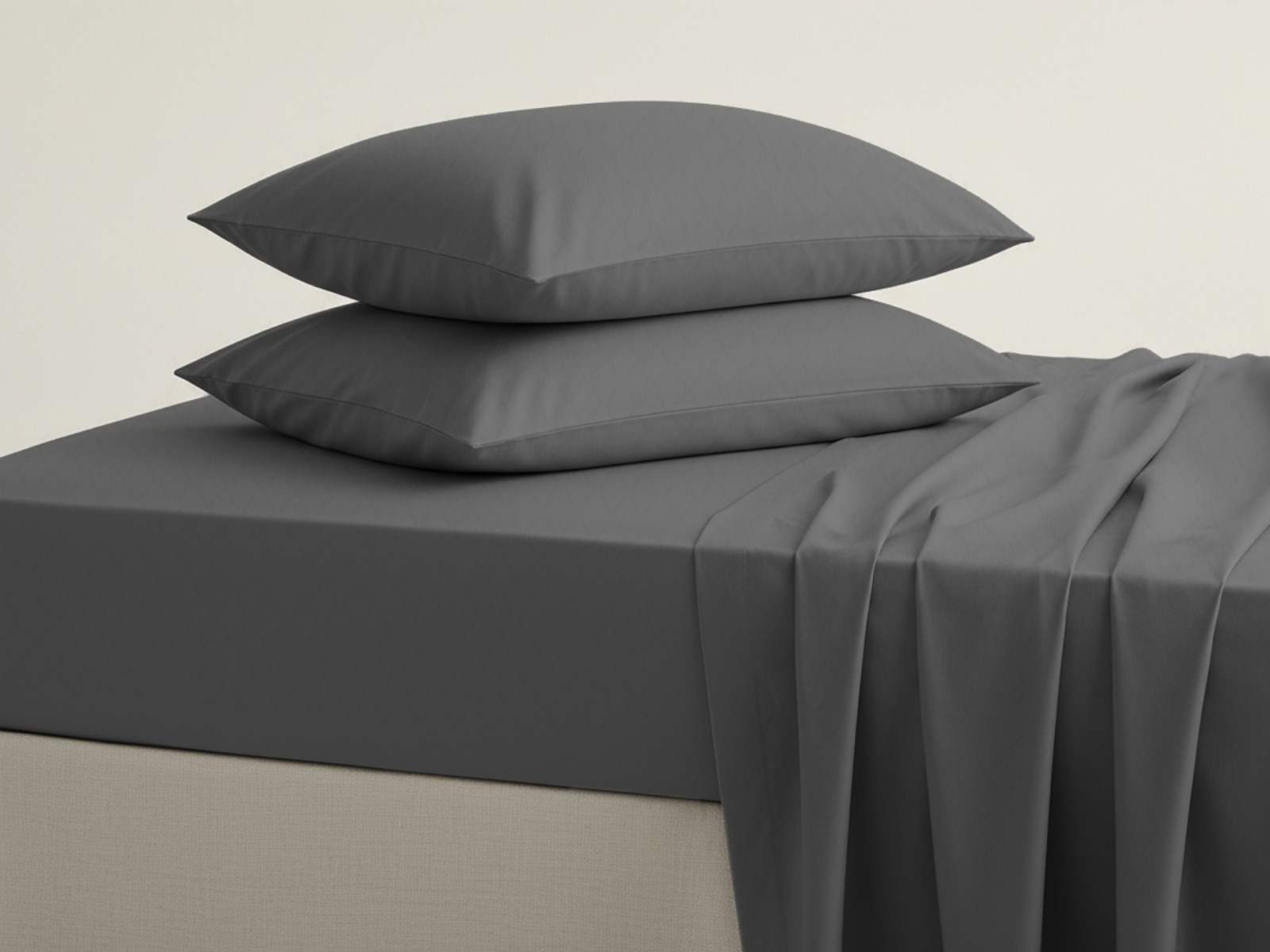
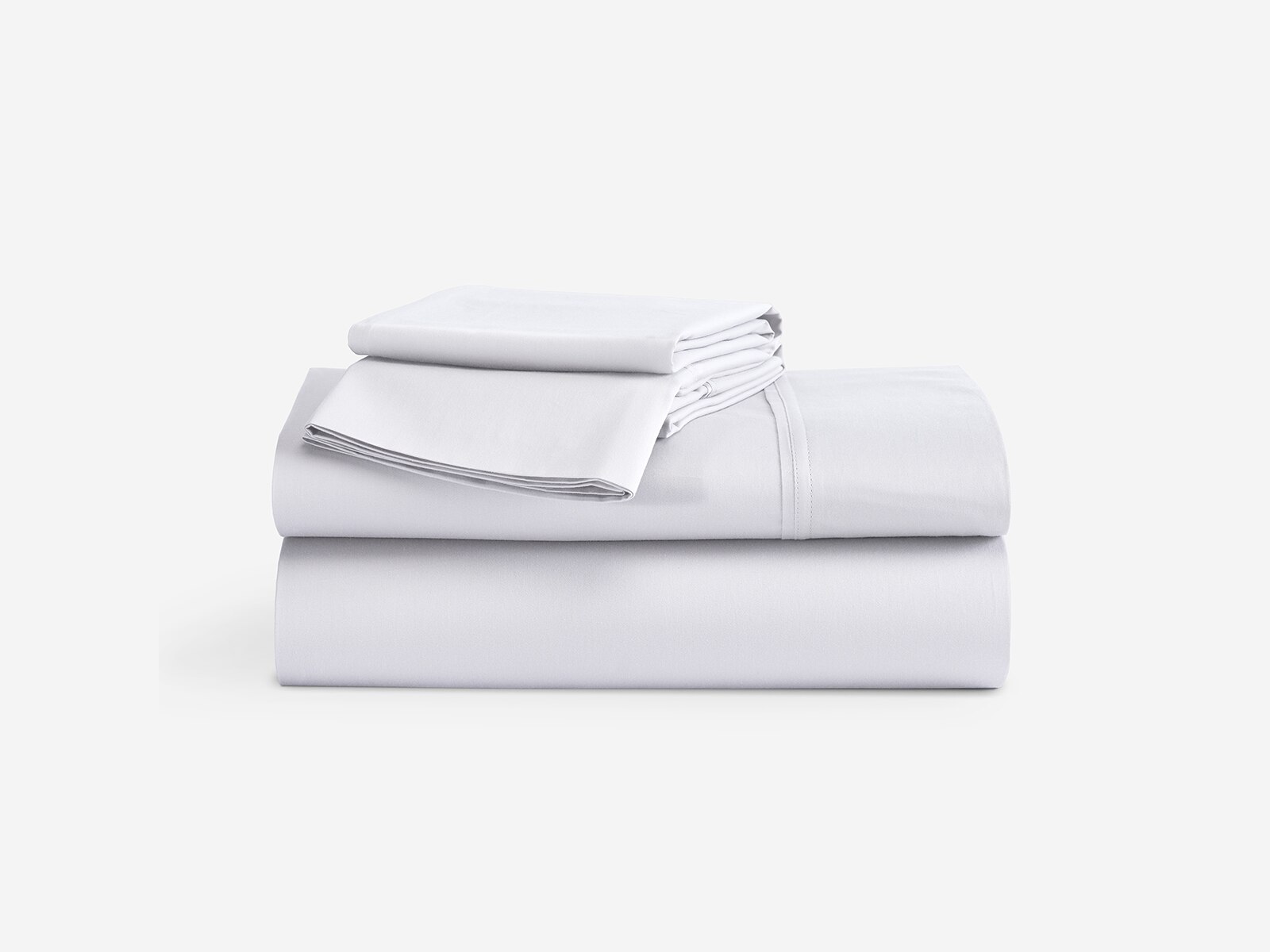
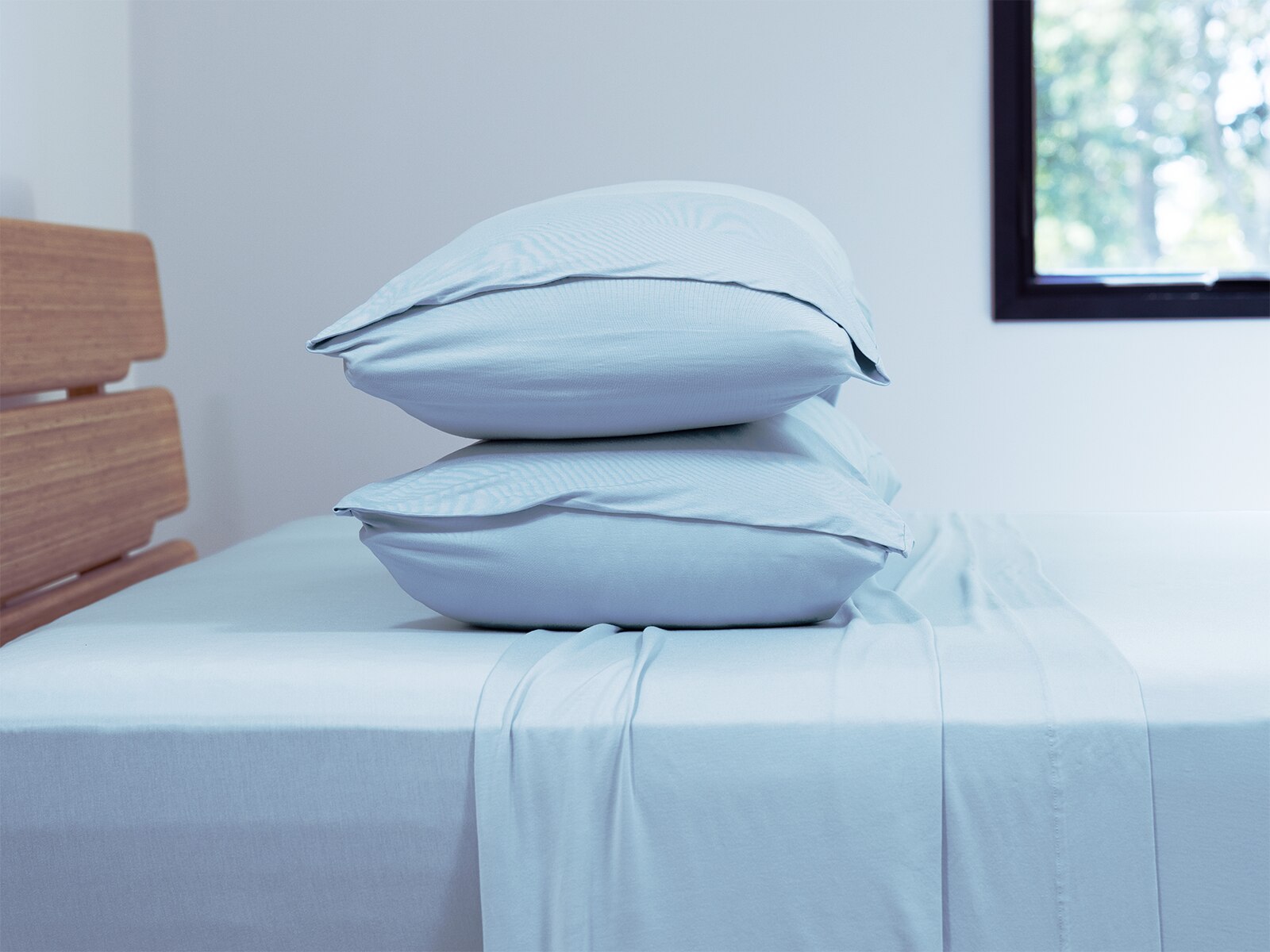
Queen breathable sheets made from cotton percale, linen or lyocell offer different ways to create a light, airy sleep surface, with fabric feel and construction shaping how each option performs. Breathability describes how readily air and moisture vapor can pass through a fabric; moisture absorption is a separate quality that can also influence comfort against the skin. Cotton percale is known for its crisp, matte finish and balanced, one-over, one-under weave. It often feels smooth without being slippery, making it a natural choice for sleepers who enjoy the fresh feel of a neatly made bed. Linen has a more textured surface and relaxed drape, with fibers that absorb moisture and generally become softer with repeated washing. Lyocell typically feels smoother and more fluid, appealing to anyone who prefers sheets that settle gently around the body rather than hold a crisp shape. Sheets labeled as rayon or viscose made from bamboo are processed fibers, not fabric woven directly from raw bamboo, and their feel depends on the finished textile. Cotton sateen offers another option, with a subtle sheen and a smoother finish, although its construction can feel denser than comparable percale. None of these material names alone guarantees airflow: yarn thickness, weave density, fabric weight and finishing all matter. A moderate thread count can work well for cotton percale, while a very high thread count does not automatically mean greater comfort or better breathability. Thread count is also less useful for comparing cotton with linen or other fiber types. For someone who frequently pushes the covers aside, a lighter fabric with an open feel may be more appealing than a substantial, tightly woven sheet. For someone who dislikes pronounced texture, smooth cotton or lyocell may offer a more comfortable starting point. The best match balances airflow with the surface feel that makes settling into bed pleasant, whether that means crisp folds, a soft drape or the gently rumpled character of linen.
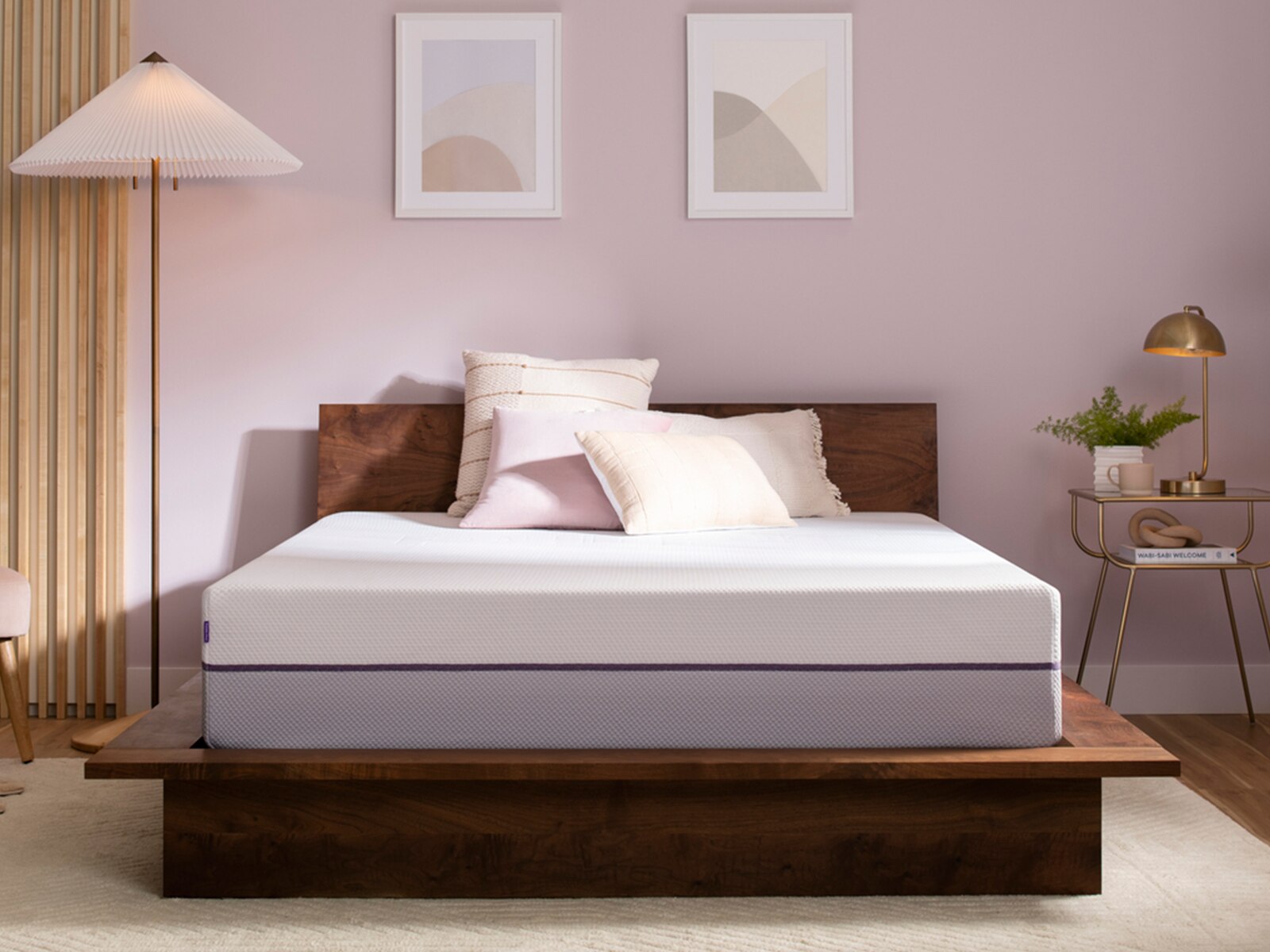
Fit is just as important as fabric when choosing breathable sheets for a queen bed. A standard queen mattress measures 60 inches wide by 80 inches long, but mattress height varies, and a topper can add several inches to the depth a fitted sheet needs to cover. Pocket depth should accommodate the full height of the mattress and any topper, with enough room for the fitted corners to stay securely tucked underneath. A sheet stretched beyond its intended fit can pull at the seams and slip loose when a sleeper turns over, while excessive fabric can gather into folds beneath the body. Well-fitting elastic helps keep the surface smooth without making the sheet difficult to remove on laundry day. For an adjustable base, a secure fit becomes especially useful as the head or foot of the mattress changes position; the sheet needs enough room to move without repeatedly lifting at the corners. Flat-sheet dimensions matter, too, particularly for two people sharing a queen bed and wanting enough fabric along both sides. A queen sheet set may include a fitted sheet, a flat sheet and two pillowcases, but package contents and pillowcase sizes can differ. Checking those details helps avoid a pillowcase that is too short for a favorite pillow or a set that includes a layer the sleeper does not use. Some people prefer a fitted sheet beneath a duvet, while others like a flat sheet as a light covering and a washable layer between the body and a blanket. Neither arrangement changes the need for a breathable fabric that feels comfortable against the skin. A mattress protector also forms part of the layered sleep surface, and its construction can affect how the bed feels beneath the sheets. Breathable sheets are one part of that setup;
Queen Breathable Mattresses can be another consideration when choosing the layers beneath them. Together, thoughtful fabric selection and an accurate fit help create a bed that feels inviting without loose corners or unnecessary bulk.
Care and durability determine how well queen breathable sheets hold up to everyday use. The care label is the most useful starting point because washing and drying requirements vary by fiber, weave and finish. Using the recommended wash setting, avoiding an overloaded machine and allowing sheets to rinse thoroughly can help preserve their feel. Excess detergent may leave residue, and some fabric softeners can coat fibers and affect moisture absorption. Excessive dryer heat can contribute to shrinkage and wear, so following the stated drying instructions is especially important for keeping fitted sheets comfortable around the mattress. Promptly removing sheets from the dryer can reduce wrinkles, although percale and linen naturally have a less polished appearance than some smoother fabrics. That relaxed finish is part of their character rather than a sign that the fabric needs more aggressive pressing. Durability depends on yarn quality and construction as well as material: secure stitching, neatly finished hems and resilient fitted-sheet elastic all support regular use. Longer cotton fibers can help produce smoother yarns with fewer exposed ends, though no sheet is completely protected from friction or pilling. Rough skin, sharp nails and contact with textured bedding can gradually wear the surface, making gentle handling worthwhile. Keeping a second set allows one to be washed and dried fully while the other stays on the bed, which is useful in a busy household or a frequently used guest room. Breathable queen sheets can also make a practical gift for someone furnishing a new home, sharing a first apartment or refreshing a bedroom, especially when the mattress depth and preferred fabric feel are known. A person who loves crisp hotel-style bedding may appreciate percale, while someone drawn to soft, flowing fabrics may prefer lyocell. Neutral shades can blend easily with existing bedding, and a familiar texture can make a guest bed feel welcoming. The most satisfying choice is one that suits the sleeper’s habits, fits the mattress properly and stays comfortable through repeated nights and washes.