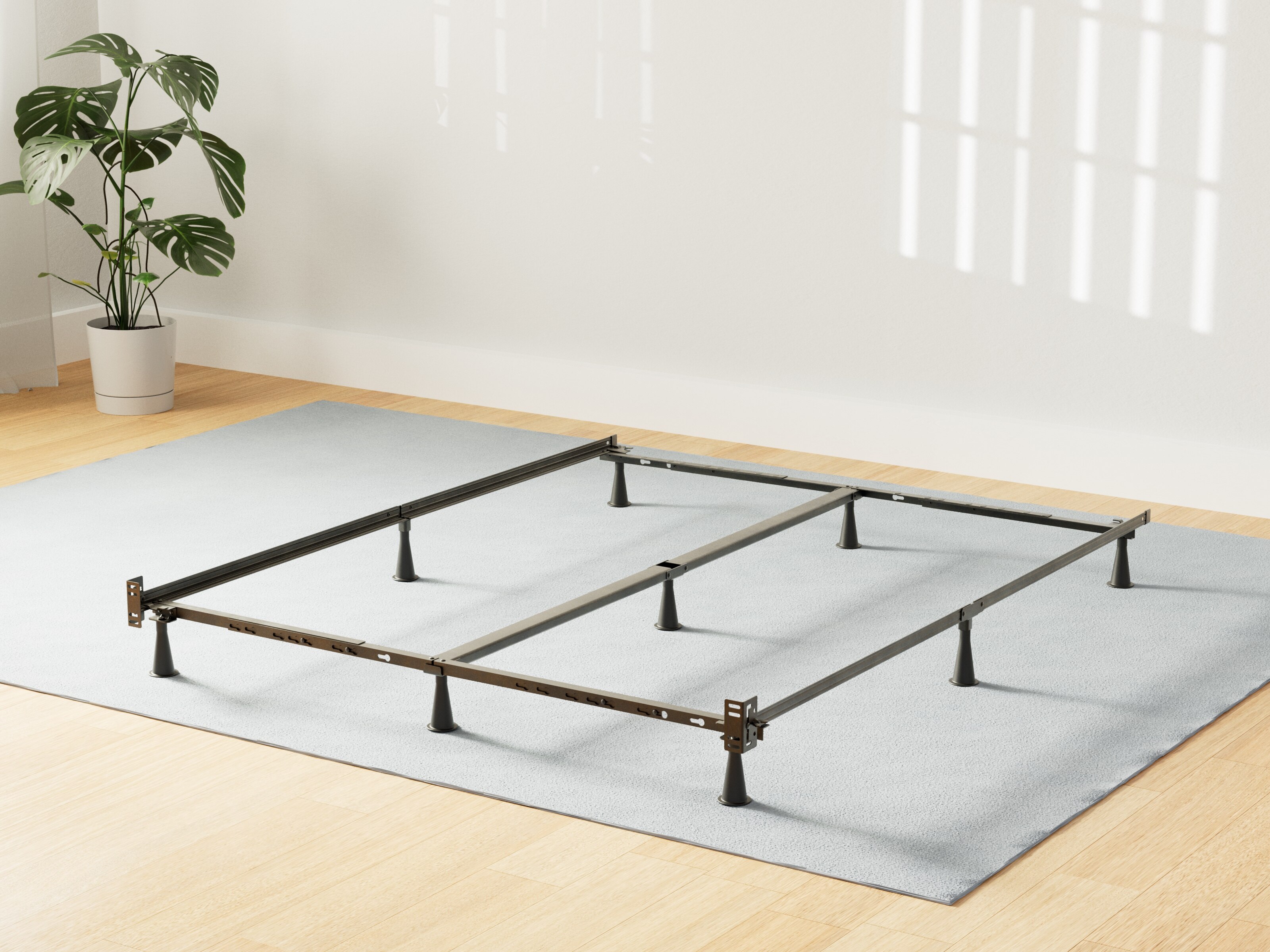
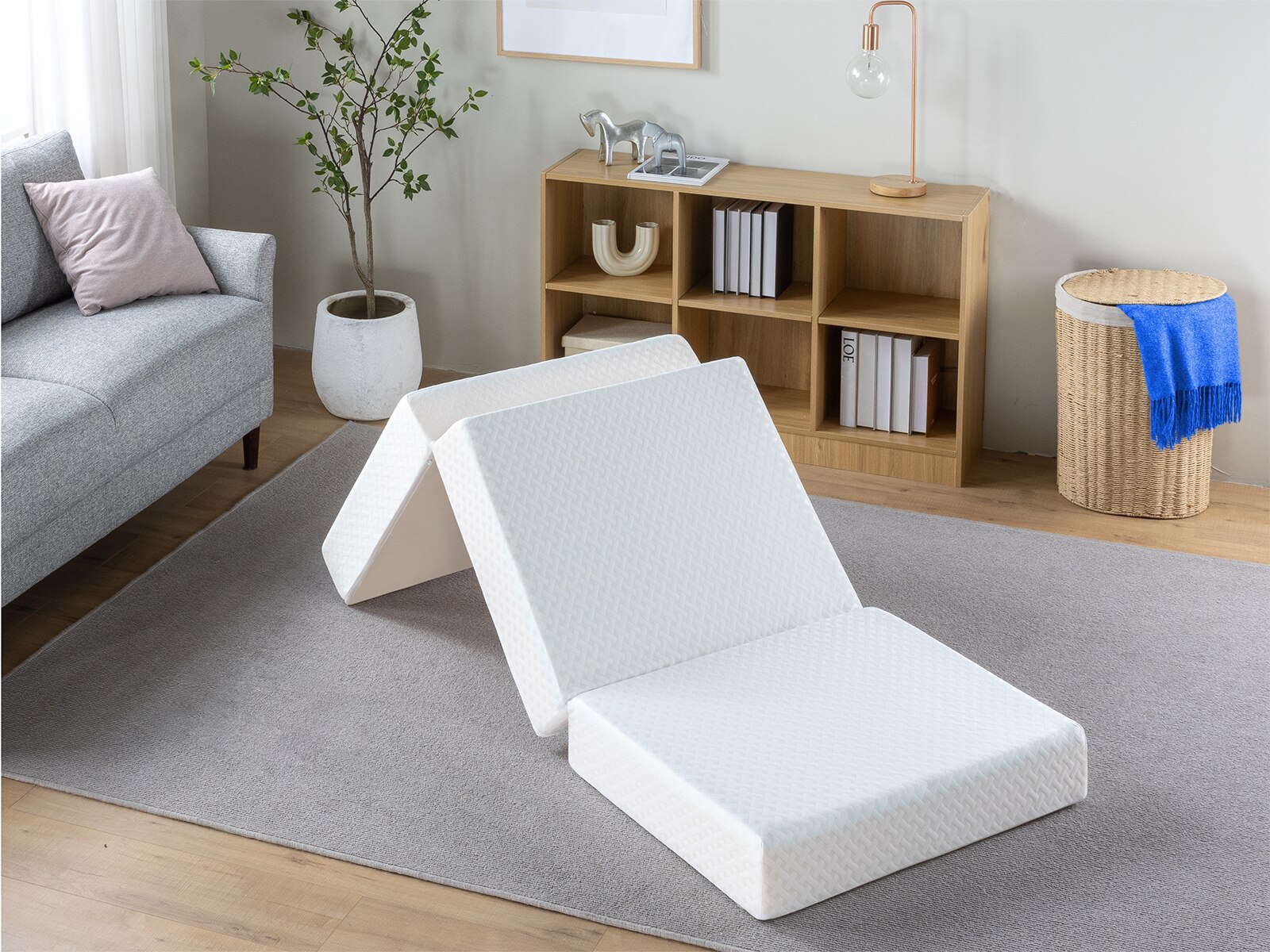
A queen guest bed gives overnight visitors a generous place to settle in without requiring the footprint of a king mattress. A standard queen mattress measures 60 inches wide by 80 inches long, providing room for one adult to stretch out or two adults to share. Those measurements describe the mattress, not the entire bed: a frame, headboard or footboard can add several inches to the overall dimensions. In a guest bedroom, the most useful fit leaves enough space for visitors to walk beside the bed, open a suitcase and reach a dresser without squeezing between furniture. About 30 inches of clearance along accessible sides is a helpful planning target when the room allows, although individual layouts and accessibility needs may call for more. Door swings, closet doors and bedside drawers also affect how comfortably the space functions. A low-profile frame can keep a compact room feeling open, while a taller frame may create useful space underneath for luggage or storage containers. Neither approach is automatically better; the right proportions depend on the room and the people who use it. A footboard, for example, adds a finished look but can make the end of the bed feel more enclosed for a tall guest. An upholstered headboard offers a cushioned surface for someone who likes to read before turning out the light, while a simple wood or metal design can be easier to wipe clean. In a room that doubles as an office, the bed’s placement matters as much as its size. Keeping a clear route from the doorway to the sleeping area helps the room feel welcoming rather than improvised. A queen-size guest bed works especially well when couples visit regularly or when a single guest appreciates extra room. For a narrower room intended mainly for one overnight visitor,
Twin Size Guest Beds offer a smaller sleeping footprint that may leave more room for everyday activities.
The mattress determines much of how a queen guest bed feels, and occasional use still deserves thoughtful support. Guests may include a side sleeper who curls up near the edge, a back sleeper who prefers a flatter surface or a couple with different comfort preferences. A medium or medium-firm feel can be a useful starting point for a shared guest space, but firmness labels are not standardized across manufacturers and no single feel suits everyone. Mattress construction provides more context than the label alone. Memory foam contours around the body and can help limit the movement felt when another sleeper changes position. Latex typically has a more buoyant, responsive feel, while innerspring designs use coils as their primary support system. Hybrid mattresses combine a coil support system with comfort layers made from materials such as foam or latex. Layer thickness, material density and the support system all influence the finished feel, so a material name by itself does not tell the whole story. Side sleepers often appreciate cushioning around their shoulders and hips, while back and stomach sleepers generally need enough support to avoid sinking excessively through the middle. For two guests sharing the bed, motion isolation and support near the perimeter can make the space easier to share. Edge construction also matters when someone sits on the side to put on socks or get ready for the day. The mattress and base should be compatible, whether the bed uses a platform, slats or a separate foundation. Slat spacing and any center-support requirements should follow the mattress and frame manufacturers’ specifications. Mattress thickness deserves attention, too: combined with the frame height, it determines how high the sleeping surface sits. A bed that looks inviting should also let visitors sit down and stand up comfortably, without climbing onto an unusually high surface or rising from a mattress positioned close to the floor.
Durability and straightforward care help a queen guest bed remain welcoming between visits. Even when the mattress is used only occasionally, the frame needs secure connections and a support system suited to the combined weight of the mattress and sleepers. Solid wood, engineered wood and metal can all serve well in bedroom furniture; construction quality, hardware and proper assembly matter alongside the material itself. Upholstered frames bring softness and texture, though woven fabric, textured upholstery and smooth finishes have different cleaning needs. Care labels provide the best direction for vacuuming, spot cleaning and any restrictions on cleaning solutions. A washable mattress protector helps shield the sleeping surface from spills and everyday buildup, while properly fitted queen sheets keep bedding from pulling loose at the corners. Sheet pocket depth should match the full mattress height, including a topper if one is used. A topper may adjust surface cushioning, but it cannot repair a mattress with sagging or a damaged support system. Between visits, laundering bedding according to its care label and allowing cleaned surfaces to dry fully keeps the room ready for its next guest. Mattress rotation should follow the manufacturer’s instructions, and flipping is appropriate only for a mattress designed to be used on both sides. Small room details make the setup easier to enjoy: a reachable lamp, a clear bedside surface and a convenient place for a phone keep guests from balancing essentials on the floor. Two sleeping pillows per person allow visitors to adjust their setup, with spare bedding stored somewhere easy to find. For a room used by both guests and household members, underbed storage can hold linens without taking over closet space, provided containers do not interfere with the frame’s supports. A thoughtfully arranged queen guest bed balances comfortable sleep, dependable construction and practical room access, creating a space where visitors can unpack, settle in and feel at home.