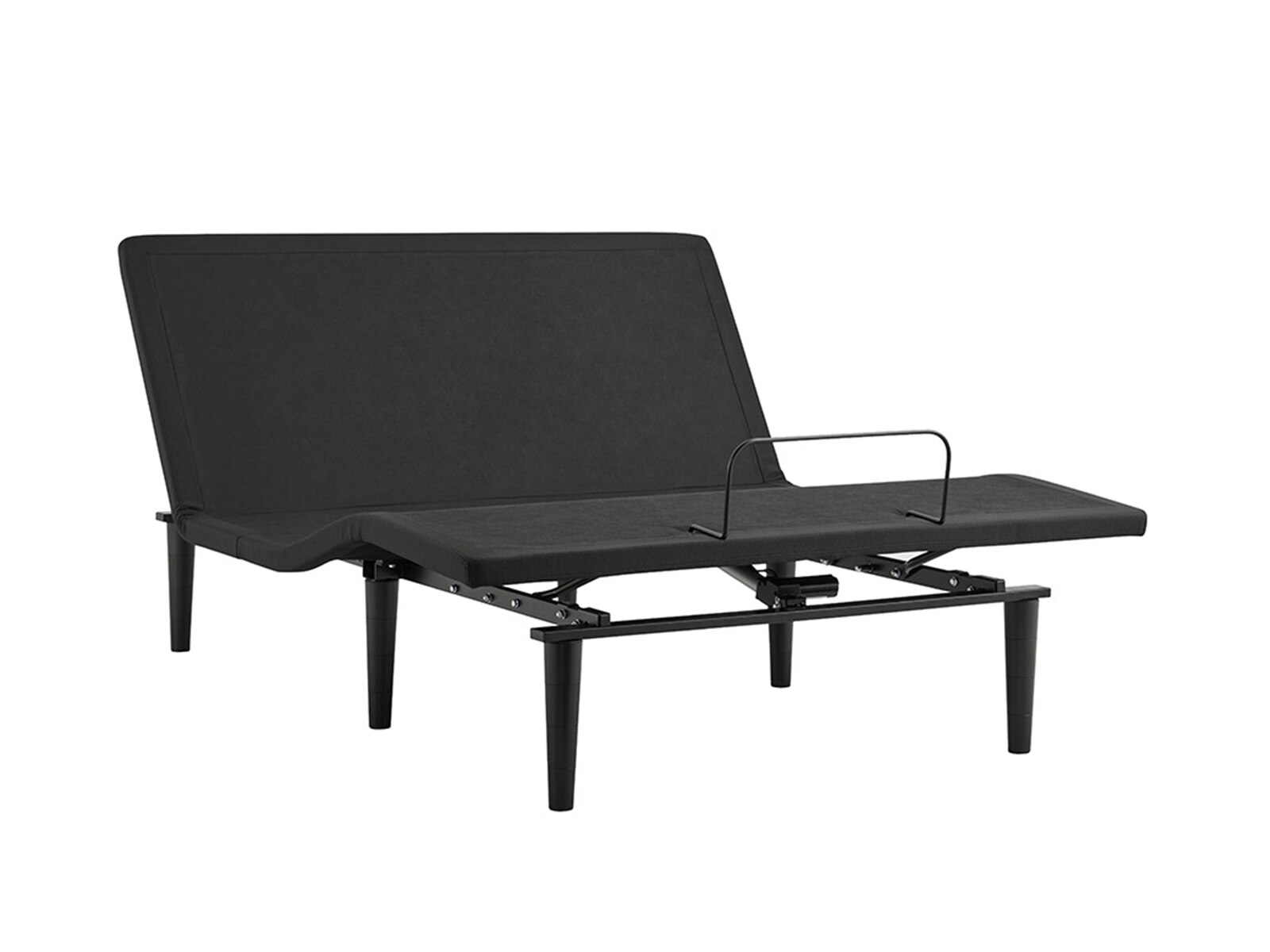
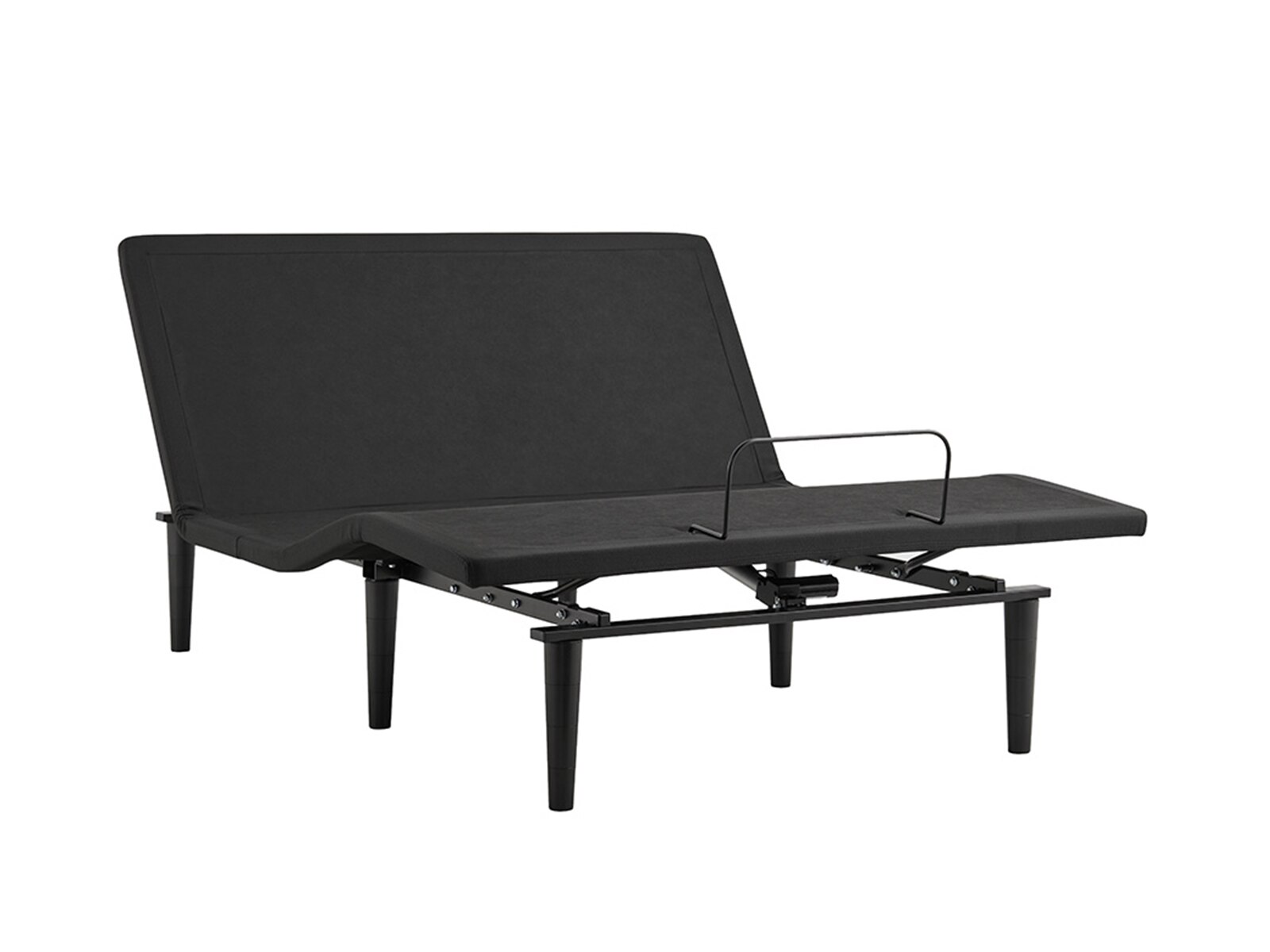
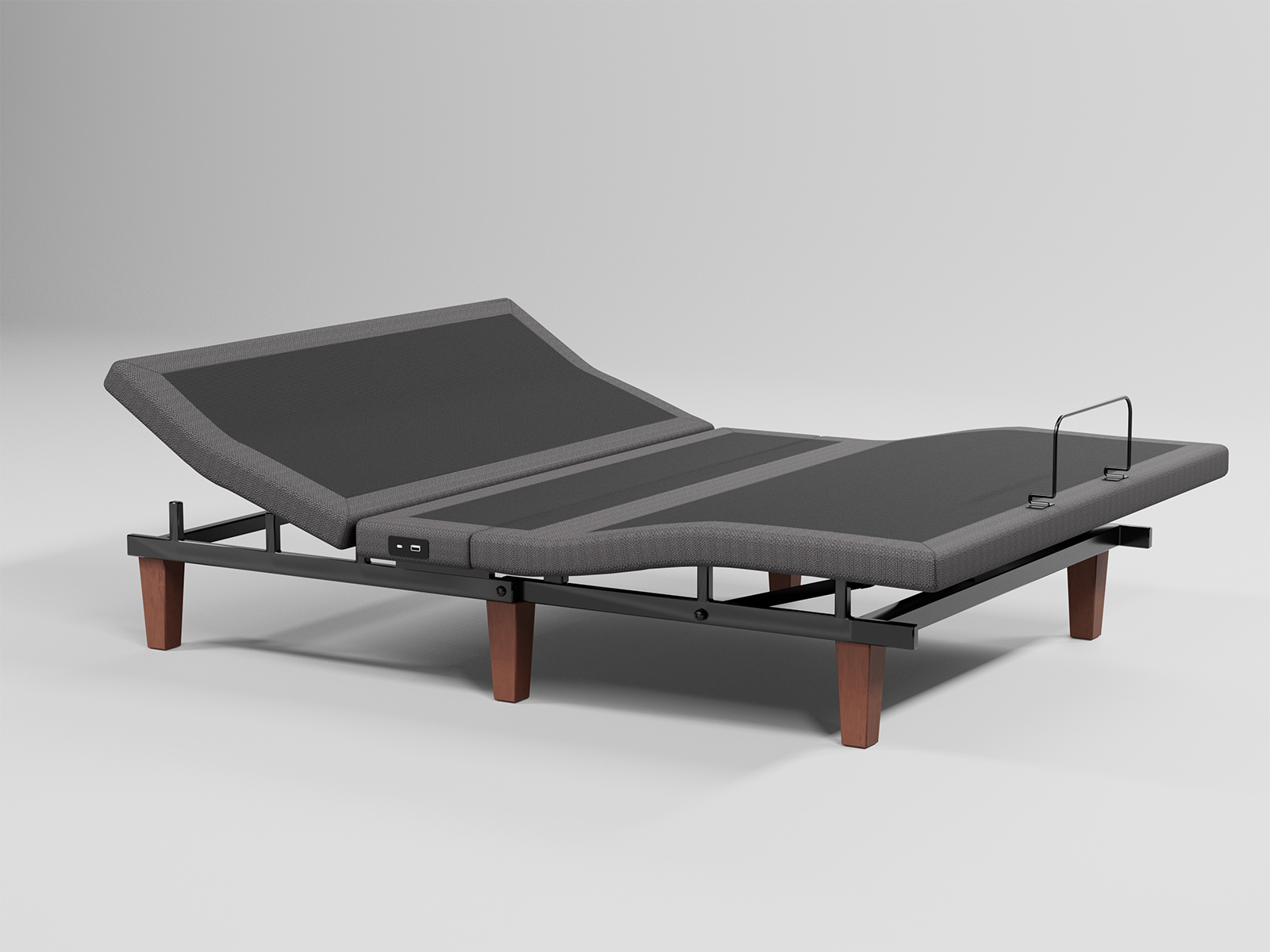
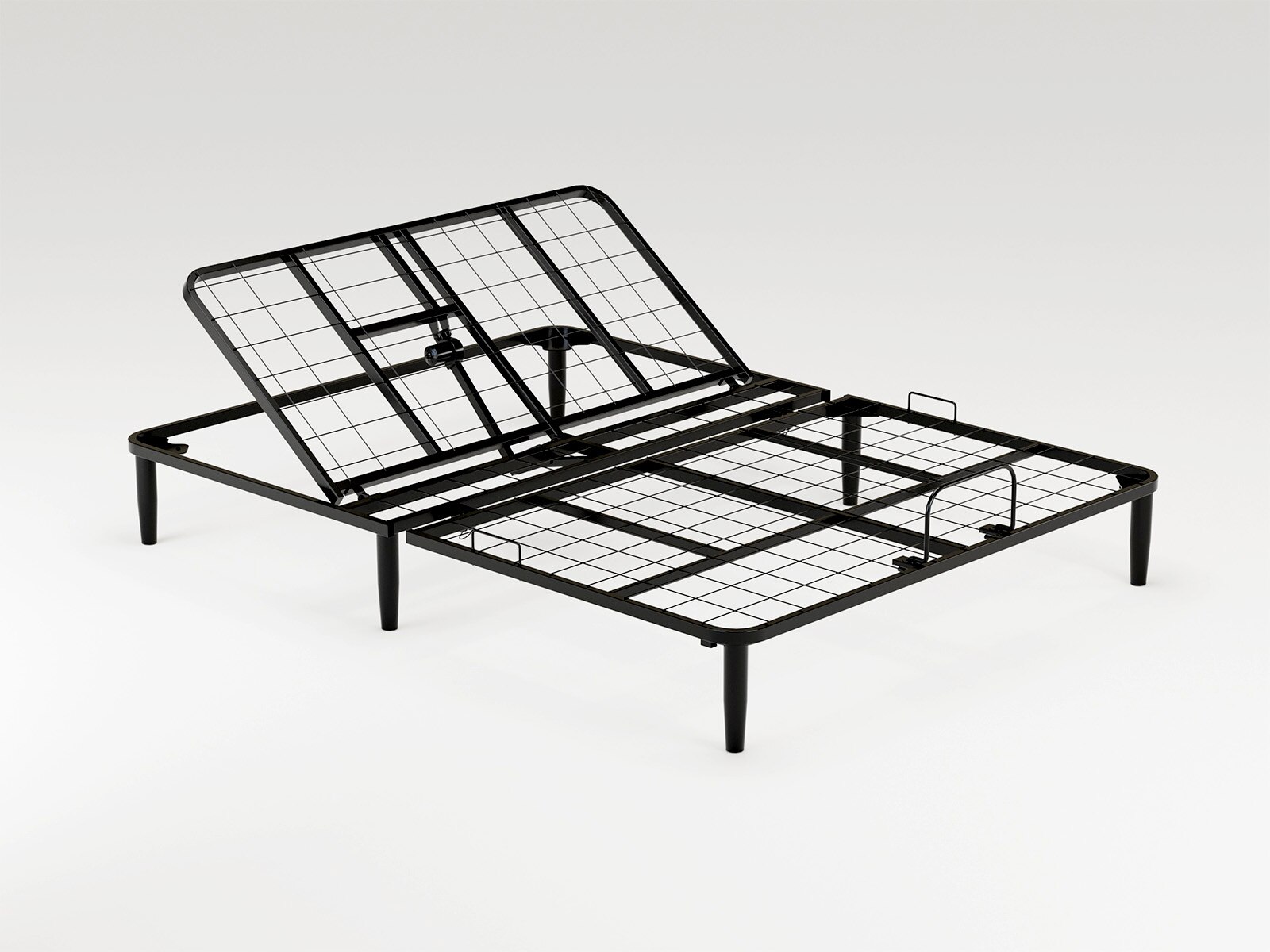
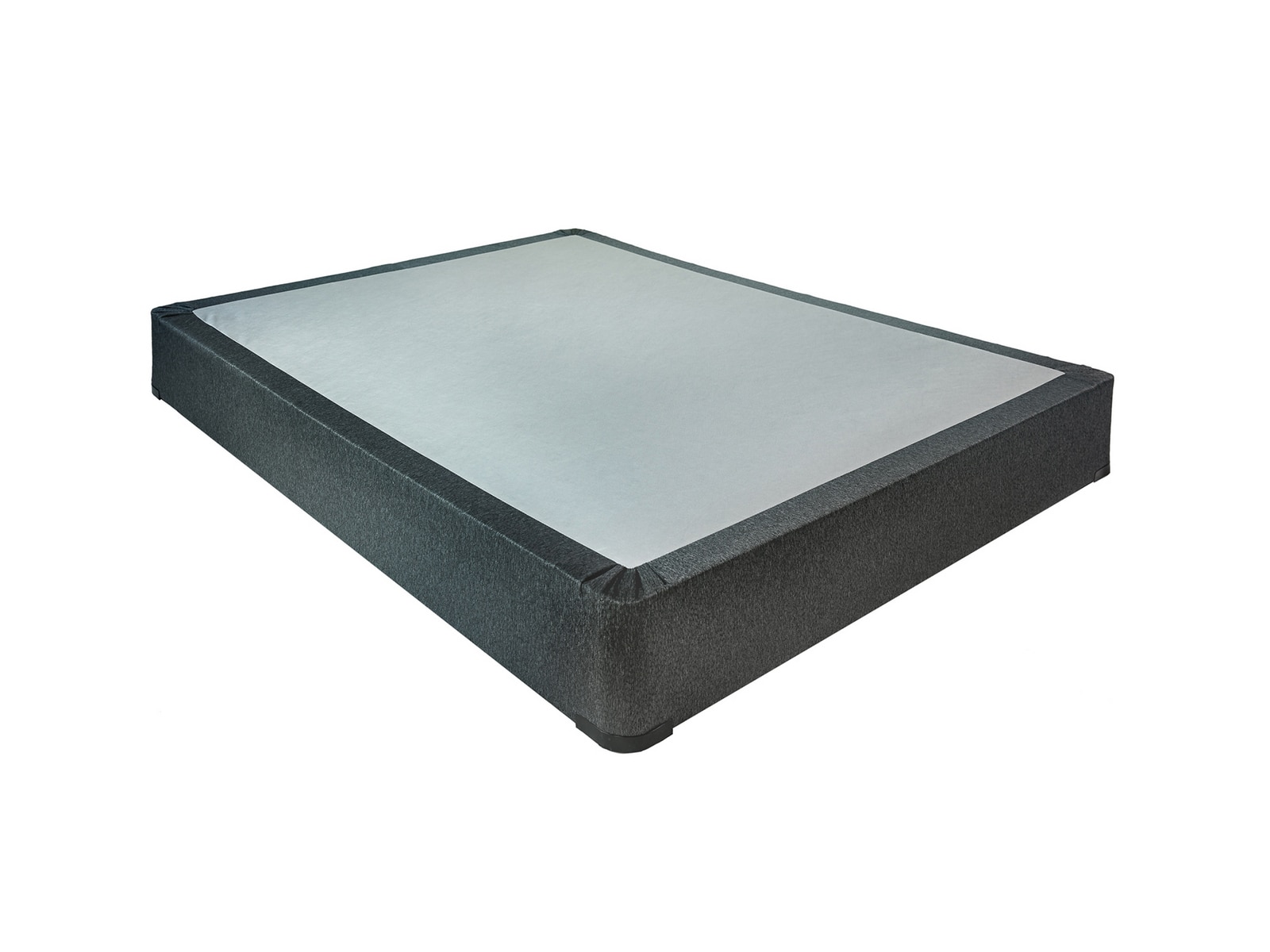
Queen height adjustable bed supports provide structural support beneath a queen sleep setup while allowing its resting height to be adjusted within the limits of the design. This category can include center-support bars with adjustable feet, replacement support legs and bed bases with adjustable leg heights. Each serves a different purpose: center supports reinforce the middle of a compatible frame, replacement legs establish the height of an approved frame or base, and a motorized adjustable base changes the position of the mattress at the head, foot or both. Adjustable leg height and powered mattress positioning are separate features, so a base that raises the head does not necessarily offer a choice of bed heights. A standard queen mattress measures approximately 60 inches wide by 80 inches long, but that mattress size alone does not establish whether a support system will fit. The frame’s construction, attachment points and required foundation all matter. For someone who finds a tall mattress difficult to sit on comfortably, compatible shorter legs may help create a more manageable overall height. A taller supported setup may provide useful clearance beneath the bed, provided the frame and its components are designed for that configuration. Couples may also value reinforcement that limits movement caused by frame flex, though loose connections, flooring and other components can contribute to noise or instability. In a guest bedroom, consistent support helps keep the sleep surface level without changing the room’s familiar furniture. Height adjustable supports are structural components rather than a way to change mattress firmness, and they cannot restore a mattress with worn comfort layers or damaged internal support. Their role is to help create the foundation the mattress and bed frame require, with a height that makes sense for everyday use.
Fit depends on the measurements beneath the bed as much as the dimensions of the mattress above it. A center-support leg needs to span the distance between its mounting surface and the floor, while a crossbar must match the frame’s width and attachment design. A measurement taken from the top of a side rail can differ substantially from one taken beneath a slat, which makes the correct measuring point important. Threaded replacement legs also require the correct thread size and mounting connection; a similar appearance does not establish compatibility. Some queen frames use wood slats resting on side rails, while others rely on metal crossbars, a platform deck or a separate foundation. Each construction distributes weight differently, and adding a single leg beneath a weak slat is not a substitute for the support pattern specified by the manufacturer. Steel is common in support bars and legs because it can provide strength in a relatively slim profile, although material alone does not determine capacity. Tube dimensions, welds, fasteners, adjustment mechanisms and the number of floor contact points all contribute to performance. Broad feet can spread contact across a larger area, while compatible protective pads may help limit scuffs on hard flooring. On carpet, feet can settle into the pile, making stable contact and a follow-up inspection especially useful. Wood components should be free of cracks around mounting points, and metal connections should seat securely without distortion. Weight capacity also needs careful reading: a rating may apply to one component, an entire assembled frame or a particular configuration. The relevant load includes the mattress, any required foundation, sleepers and bedding. For motorized bases, mattress flexibility, surrounding furniture clearance and manufacturer approval are equally important. A rigid mattress or an obstructing footboard can prevent proper movement even when the queen dimensions appear to match.
The most useful bed height is the combined height of the support system, foundation if required and mattress, not the leg measurement in isolation. A thick mattress on a tall frame can create a noticeably different sitting position from a slimmer mattress on the same supports. Sitting at the edge with feet resting comfortably on the floor can help clarify whether a setup feels practical, though individual mobility needs may call for professional guidance. Underbed storage adds another consideration: usable clearance depends on the lowest crossbar, motor housing or other obstruction, not simply the height of the side rails. For a broader look at setups designed around adjustable resting height,
Adjustable Height Beds offers a related category to explore. Lasting stability depends on correct installation and routine attention as well as construction. Adjustment mechanisms need to remain within their stated extension limits, and mounting hardware should be tightened as directed rather than forced. Supports should make the floor contact specified by the manufacturer while keeping the frame properly aligned; an uneven floor may require individual leveling rather than identical leg settings. Stacked risers, improvised spacers and unapproved replacement legs can change how weight travels through the frame. A compatible support system avoids those makeshift combinations. Occasional checks for loose fasteners, bent components, cracked slats or feet that have shifted are especially helpful after moving the bed or changing its height. Dust and debris can usually be removed with a dry or lightly damp cloth, with electrical components kept dry and cleaning methods matched to the finish. Powered bases should be disconnected before maintenance, following the manufacturer’s directions, and hands, cords and stored belongings kept clear of moving parts. When a new creak or wobble appears, locating the source before adding more supports helps distinguish a loose connection from a damaged component. With the correct fit and care, queen height adjustable bed supports can provide a dependable foundation that suits both the mattress and the routines of the people sleeping on it.