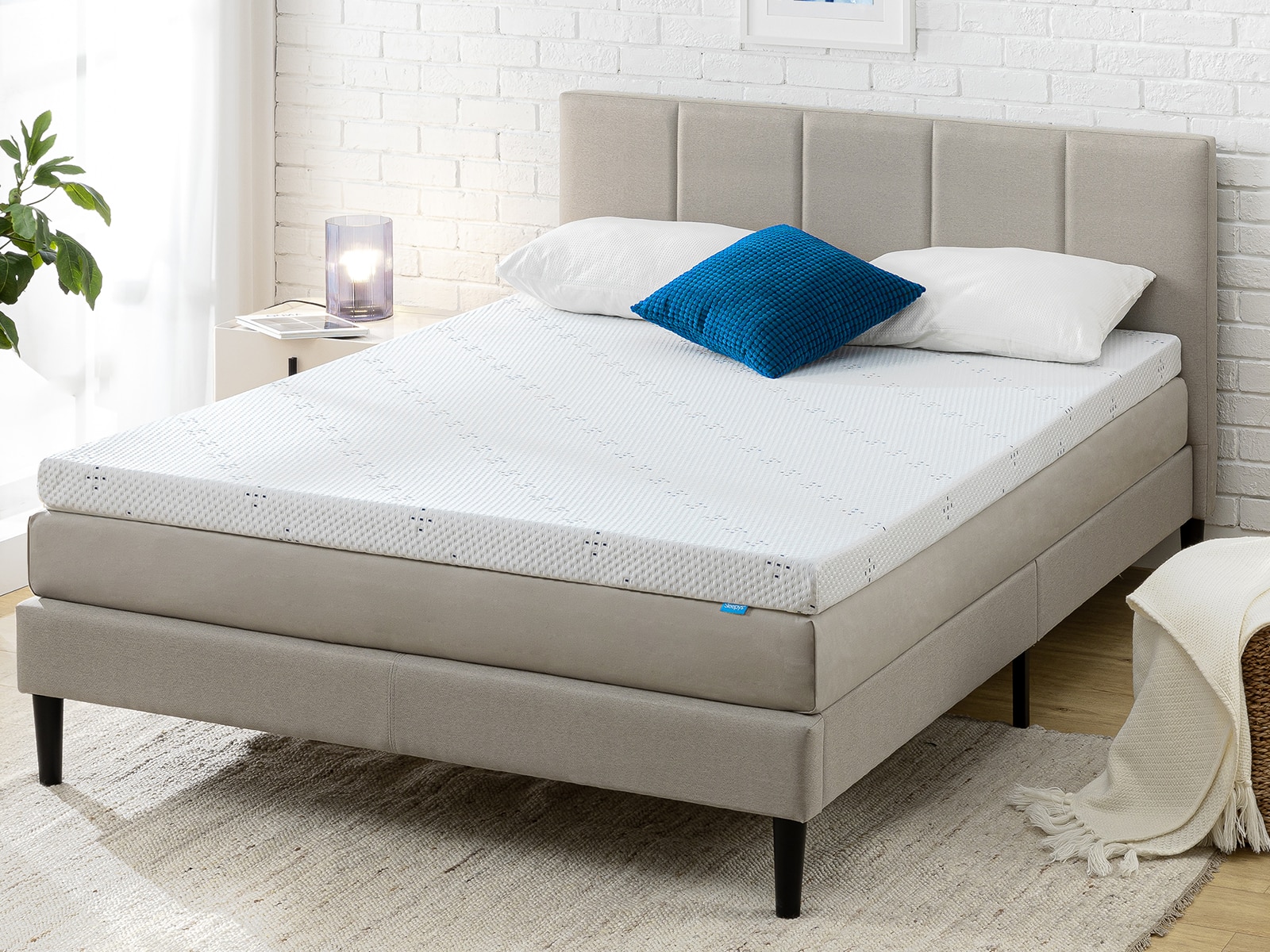
Queen mattress toppers for pressure points add cushioning where the body presses most firmly into the bed, especially around the shoulders and hips. A contouring memory foam topper with a medium-soft feel can be a good match for someone whose mattress feels too firm, allowing those areas to settle into the surface rather than rest against it. The goal is a balance of cushioning and support: enough give to spread body weight across a broader area without letting the torso sink too deeply. For a side sleeper, that can mean more room for the shoulder to nestle into the bed while the waist remains supported. A back sleeper may prefer a slightly firmer feel that cushions the hips without creating an exaggerated dip beneath them. Stomach sleepers generally benefit from less sinkage around the midsection, so a deeply plush topper is not automatically the right fit. Body weight matters, too, because the same material can feel gently yielding to one person and noticeably softer to another. Thickness helps determine how much a topper changes the mattress beneath it. A two-inch layer typically makes a more modest adjustment, while three- or four-inch toppers offer more cushioning depth and can create a more noticeable change in surface feel. Thickness alone does not determine pressure relief, however; material firmness, construction and the condition of the mattress all contribute. A thicker, firmer topper may feel less plush than a thinner, softer one. These layers are most useful over a mattress that still provides a stable, even foundation but needs a comfort adjustment. They cannot repair sagging, damaged internal components or a mattress that no longer supports the body properly. For someone who likes the underlying support of the bed but notices concentrated pressure when lying on one side, a topper can make that surface feel more accommodating without replacing the entire sleep setup.
Materials give queen mattress toppers distinct personalities, from the close contour of memory foam to the springier response of latex. Memory foam gradually adapts around the body, creating a cradled feel that can help distribute pressure across the shoulders, hips and other contact areas. That slower response may appeal to someone who likes settling into a comfortable position and staying there, although it can feel less effortless to move across than a more responsive material. Latex generally compresses under weight and rebounds more quickly, offering cushioning with a buoyant feel rather than a deep embrace. It can suit sleepers who change positions frequently or prefer to feel more on top of the bed. Fiber-filled toppers provide a fluffy surface, but their cushioning tends to compress differently from foam or latex and may need regular fluffing to remain evenly distributed. Someone seeking substantial contouring around prominent pressure points may find that loft alone does not provide the same effect as a resilient foam layer. Some toppers combine materials, pairing a contouring core with a quilted cover for a softer initial touch. Zoned designs vary the feel across sections of the topper, potentially allowing more give near the shoulders and a steadier surface beneath the torso. Whether that arrangement feels comfortable depends partly on how the sleeper’s body lines up with the zones. Breathable covers and ventilated constructions can also influence overall comfort, though no single feature guarantees the same experience for every sleeper. Cover texture deserves attention as well: a smooth, stretchy fabric allows the cushioning beneath it to respond more freely than a tightly fitted layer that restricts movement. Exploring
Quality Mattress Toppers offers another way to consider the materials and construction details that shape everyday comfort. The most useful comparison is not simply which topper feels softest, but which combination of contouring, responsiveness and surface feel complements the mattress already in place.
Fit and care help preserve that comfort from the first night through regular use. A standard queen mattress measures 60 inches wide by 80 inches long, and the topper should align with the sleeping surface without hanging over the edges or leaving large gaps. Checking the stated dimensions is worthwhile because specialty queen sizes and individual designs can differ. The added height also changes how bedding fits: a mattress with a thick topper may need deeper-pocket sheets, and a fitted protector must accommodate both layers without pulling them tightly together. A sheet that strains across the corners can make the bed harder to dress and may affect how freely the topper contours. Elastic corner straps, a fitted skirt or a nonslip underside can help limit shifting, particularly for someone who turns frequently during the night. For two people sharing a queen bed, a full-width topper creates one consistent surface, so its feel should work reasonably well for both sleepers. A very soft layer that suits one partner may allow more sinkage than the other prefers. Care requirements vary by construction, and a removable cover does not necessarily mean the foam or latex core is washable. Following the care label, treating small spills promptly and letting cleaned areas dry completely help protect the materials. Some covers can be machine washed, while others require spot cleaning; fiber-filled designs may have different instructions again. A compatible mattress protector adds a barrier against everyday moisture and spills without replacing routine care. Durable cushioning should recover after compression rather than leave lasting impressions, but lifespan depends on material quality, frequency of use, body weight and maintenance. Inspecting for persistent flattening, tears or uneven areas helps identify when the comfort layer is no longer performing as intended. Beyond a primary bedroom, these toppers can soften a supportive guest mattress or help personalize a shared household’s sleep setup. As a gift, they are most thoughtful when the recipient’s mattress size and preferred feel are already known. Pressure-relieving cushioning is a comfort feature, not a treatment for an underlying condition, and ongoing pain deserves attention from a healthcare professional. A well-matched topper supports a more comfortable resting surface while keeping expectations grounded in what an added comfort layer can do.