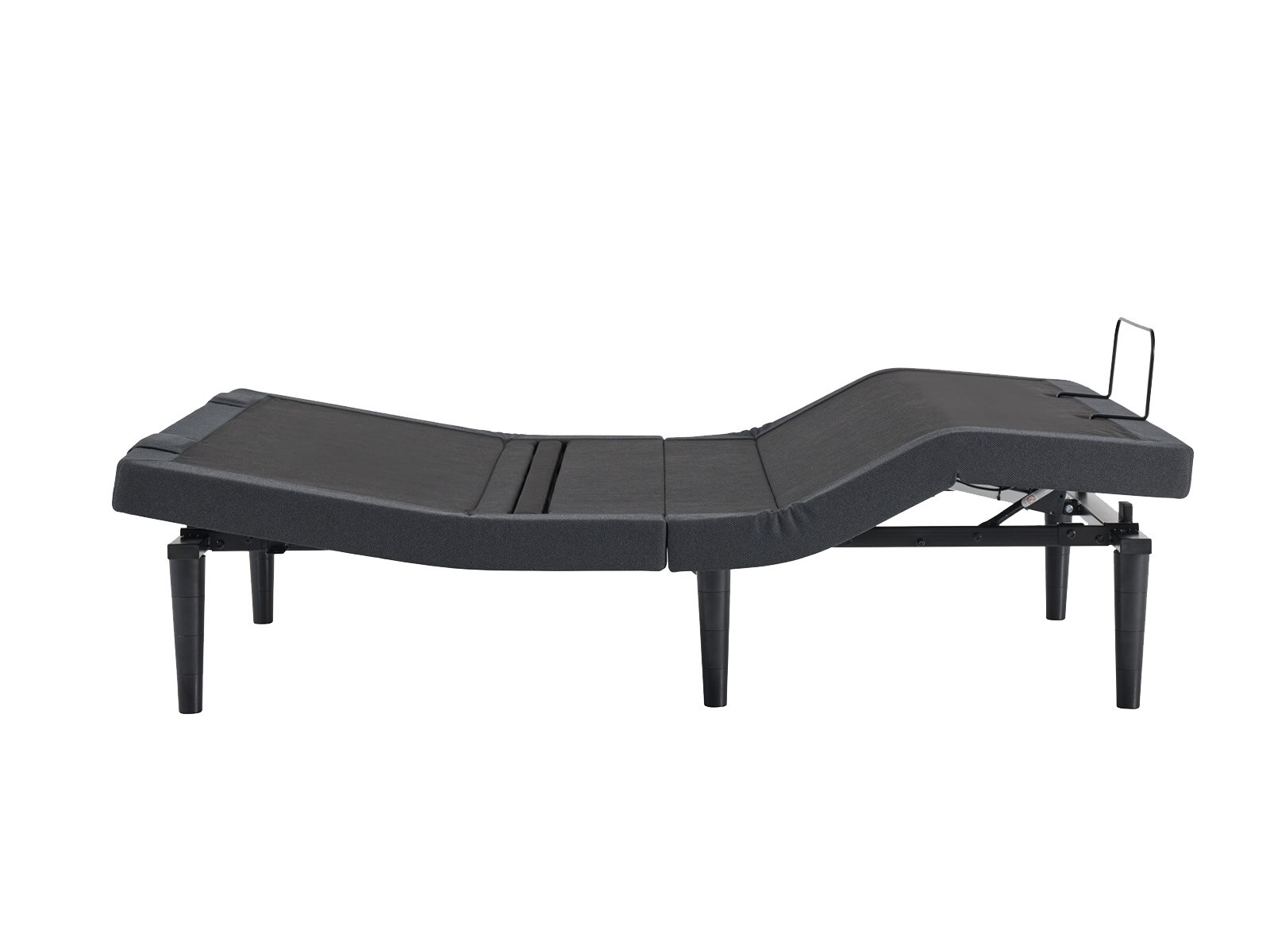
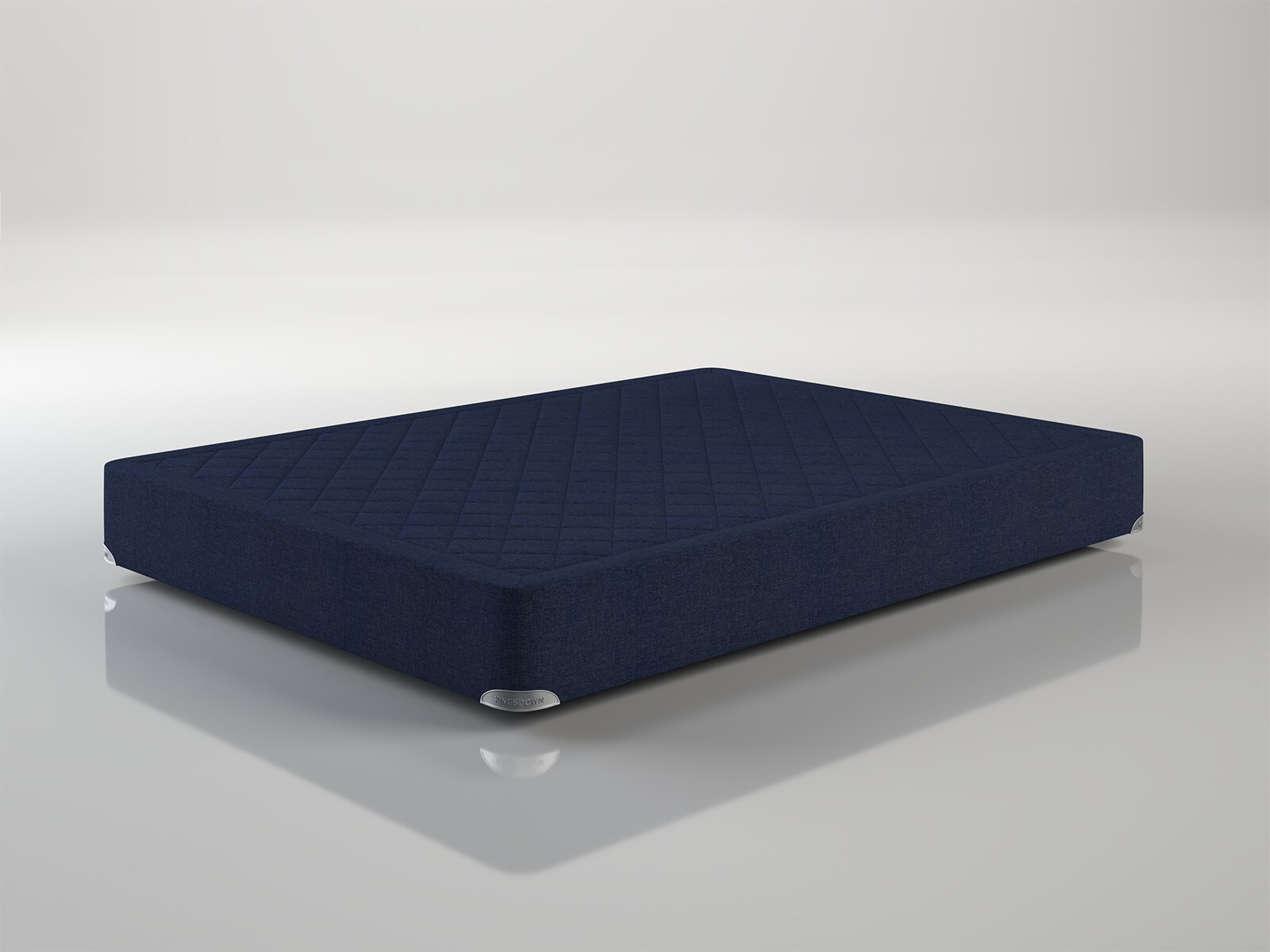
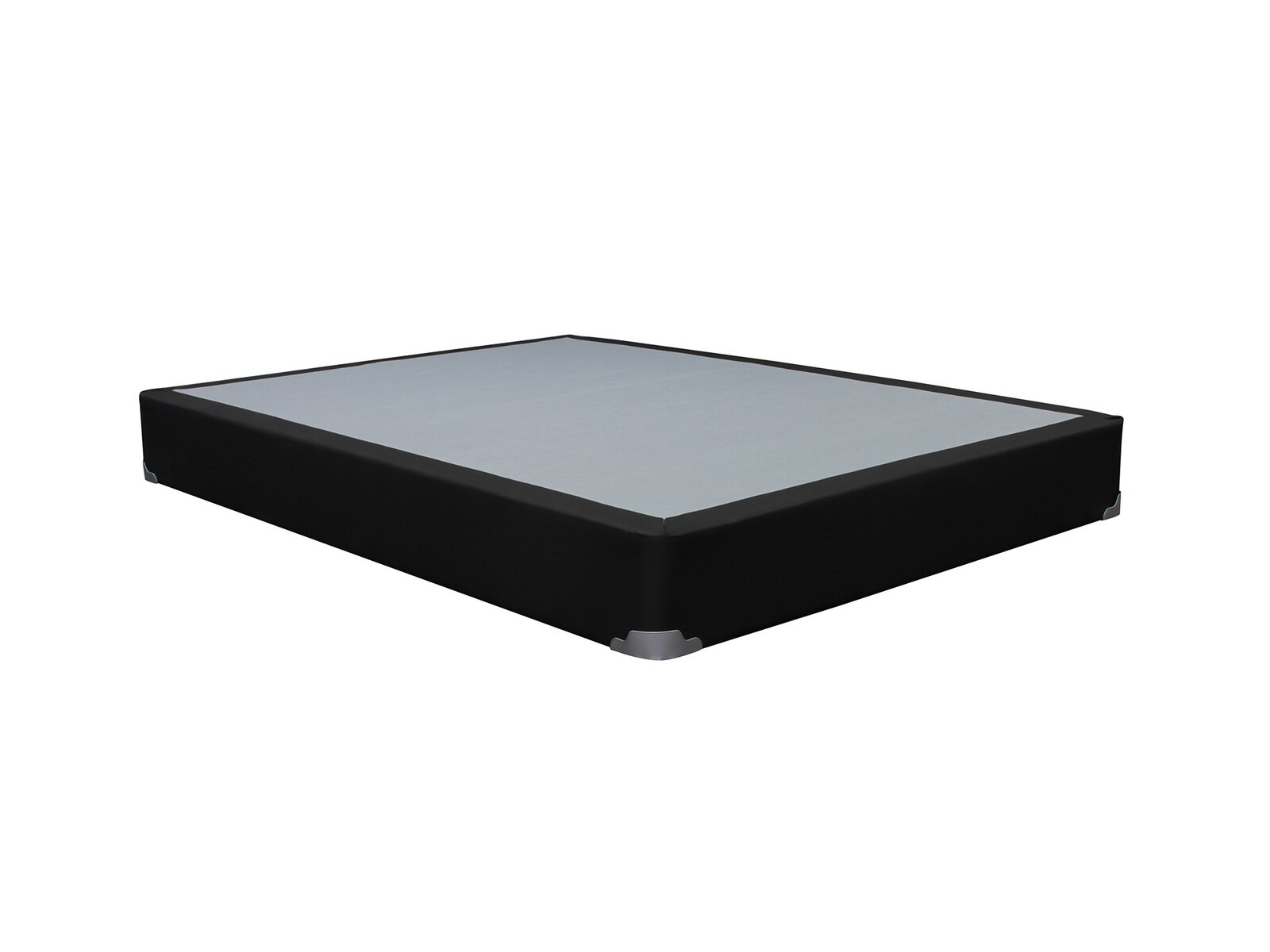
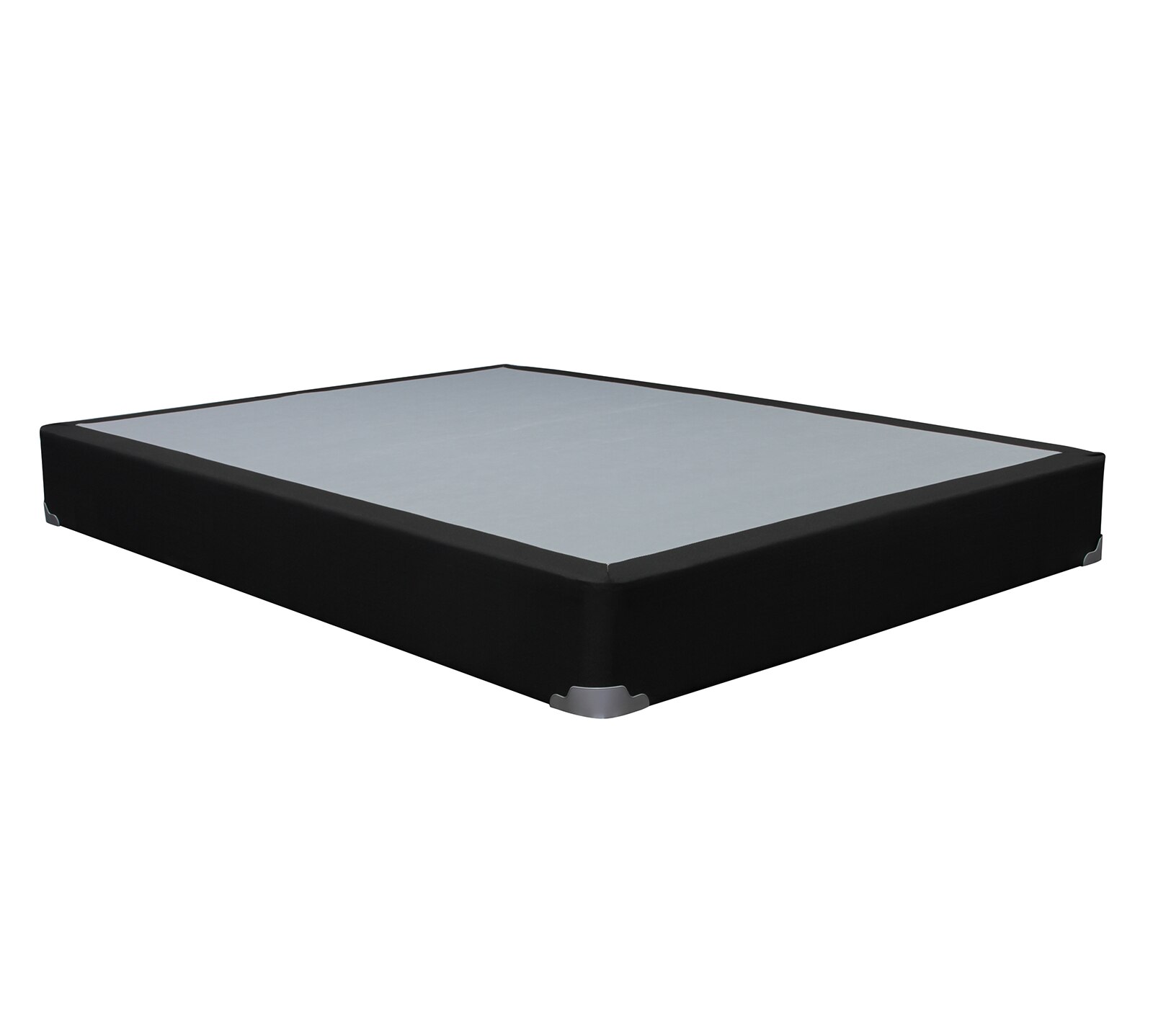
Queen outlet foundations provide the supporting layer between a queen mattress and a compatible bed frame, helping create a stable, level base for everyday sleep. A standard queen mattress measures approximately 60 by 80 inches, and its foundation should match that footprint without leaving unsupported edges or forcing the mattress into a space that is too narrow. The foundation’s job is to support the mattress evenly and transfer weight to the frame beneath it; it cannot restore the shape of a mattress that has already developed lasting impressions or sagging. Although the terms foundation and box spring are sometimes used interchangeably, their construction can differ. A traditional box spring contains springs that allow some movement, while many foundations use a rigid wood or metal structure covered in fabric. That distinction matters because mattress manufacturers specify the type of support their designs require. Memory foam, latex and hybrid mattresses may call for a firm, flat surface or closely spaced slats rather than a flexible spring base. Before choosing a foundation, check those requirements alongside the bed frame’s specifications, including any rules for center support and support legs that reach the floor. Height deserves the same attention as width and length. Standard-profile foundations are often around nine inches tall, while low-profile versions are often around five inches tall, though exact measurements vary. A thicker mattress on a tall frame may work better with a lower foundation, while a shorter mattress may need more elevation to reach a comfortable sitting height. Picture the finished bed with the mattress, foundation and frame together, not just one component in isolation. Sitting on the edge should feel manageable, with feet resting comfortably on the floor rather than dangling or requiring a deep bend to stand. Measuring an existing bed that already feels comfortable can provide a useful reference point. The best fit balances mattress support, room proportions and the way the bed is used each day.
Construction affects how a queen foundation handles weight, movement and years of routine use. Wood foundations commonly rely on an internal network of rails and crosspieces, while metal designs may use a steel grid or a framework that requires assembly. Neither material alone tells the whole story: joint construction, support spacing, fastening methods and the connection to the bed frame all contribute to stability. A fabric cover gives many foundations a finished appearance, but the structure beneath that cover does the supporting work. Follow the stated weight limits for the complete setup, accounting for the mattress and everyone who uses it rather than considering body weight alone. A foundation also needs the right surface beneath it. Some metal bed frames are designed to hold a separate foundation, while some platform beds already provide mattress support and may not need another layer. Adding a foundation where it is not intended can raise the bed unnecessarily or create a mismatch with the frame. Room access is another practical consideration, especially in homes with narrow staircases, low landings or a sharp turn outside the bedroom. A one-piece queen foundation is a large, relatively rigid rectangle, so measuring the mattress footprint is only part of planning its route. Door openings, stairwell ceilings and the space needed to turn all matter. Split queen foundations address that challenge by dividing the support into two narrower sections, typically about 30 by 80 inches each, which sit side by side beneath one queen mattress. Those smaller sections can be easier to carry through tight passages, but their full length still needs clearance. Both pieces must rest securely on a compatible frame, with the required support beneath the center. Two standard twin foundations are not a substitute for a split queen foundation because their dimensions do not form the same footprint. Whether the construction is one piece or split, careful assembly and secure placement help keep the mattress level and reduce movement caused by loose connections.
A queen foundation can serve a primary bedroom, a guest room or a young adult’s first full bedroom setup, provided the mattress and frame are compatible. In a shared bed, stable support helps keep the whole arrangement feeling secure when someone sits along the edge or changes position. In a guest room, the finished bed height matters just as much as it does in a bedroom used every night, particularly when visitors have different preferences for sitting down and standing up. For a separate room furnished with a smaller mattress,
Outlet Twin Foundations relate to a different footprint and should be matched to that bed rather than combined beneath a queen mattress. Once a queen foundation is in place, simple care can help protect its structure and appearance. Follow the manufacturer’s cleaning directions, remove surface dust gently and avoid soaking fabric-covered sections or internal wood components. Allow any permitted spot-cleaning treatment to dry fully before replacing bedding. Keep the surrounding floor accessible enough to check support legs and remove dust beneath the bed without dragging the foundation across rough surfaces. If the bed begins to creak, inspect the frame connections, foundation placement and contact points before assuming the mattress is responsible. Tighten hardware only as directed, and check for damaged slats, bent metal or legs that no longer sit firmly on the floor. When moving, lift and carry the foundation with enough help to control its weight and size; do not use the fabric covering as a handle. Protect corners and edges during transport, and retain assembly instructions for future moves. A well-matched foundation should become an unobtrusive part of the bedroom: properly sized beneath the mattress, securely supported by the frame and set at a height that makes everyday routines comfortable. Paying attention to those details helps create a dependable bed without adding unnecessary complexity to the sleep setup.