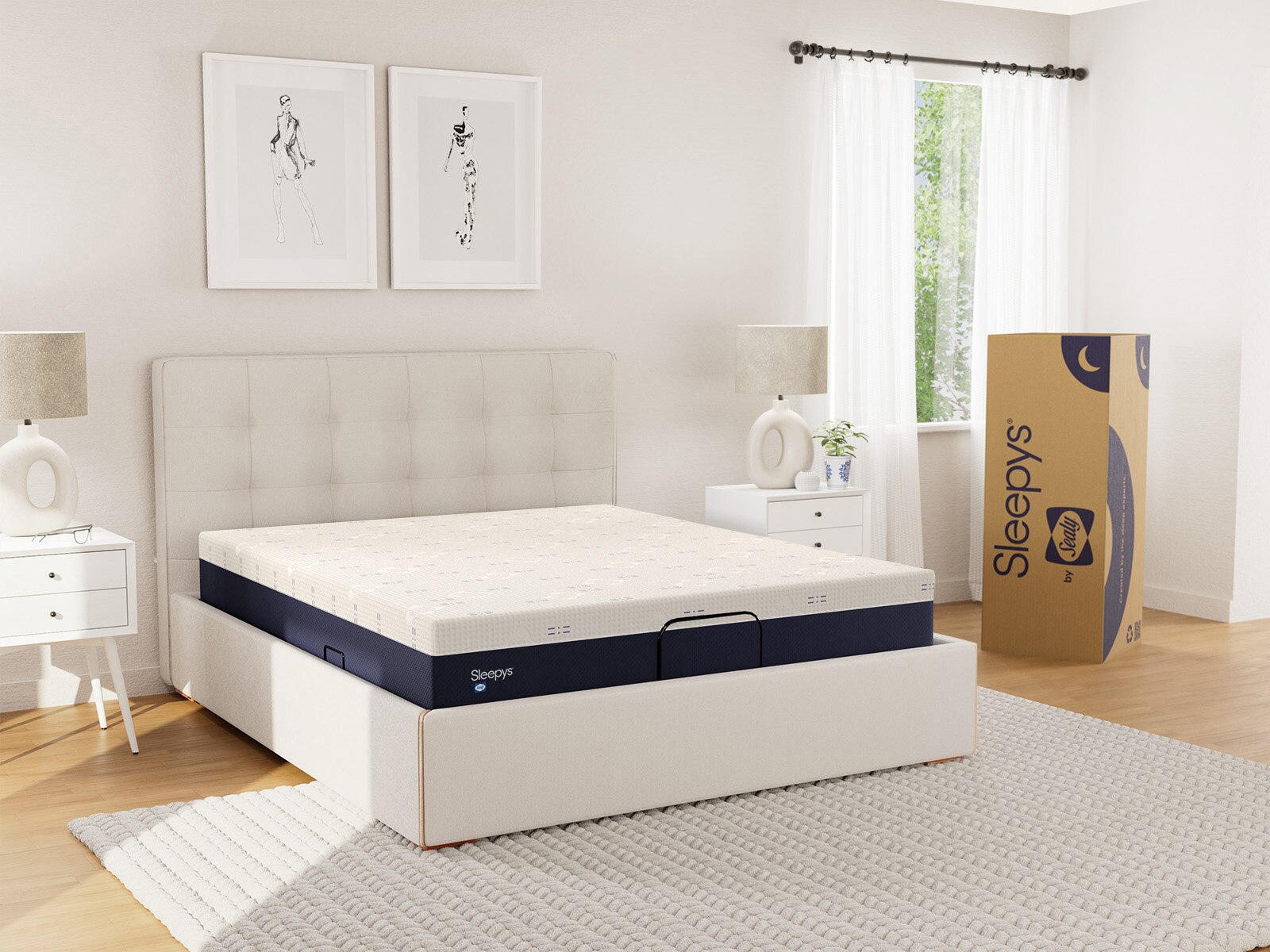
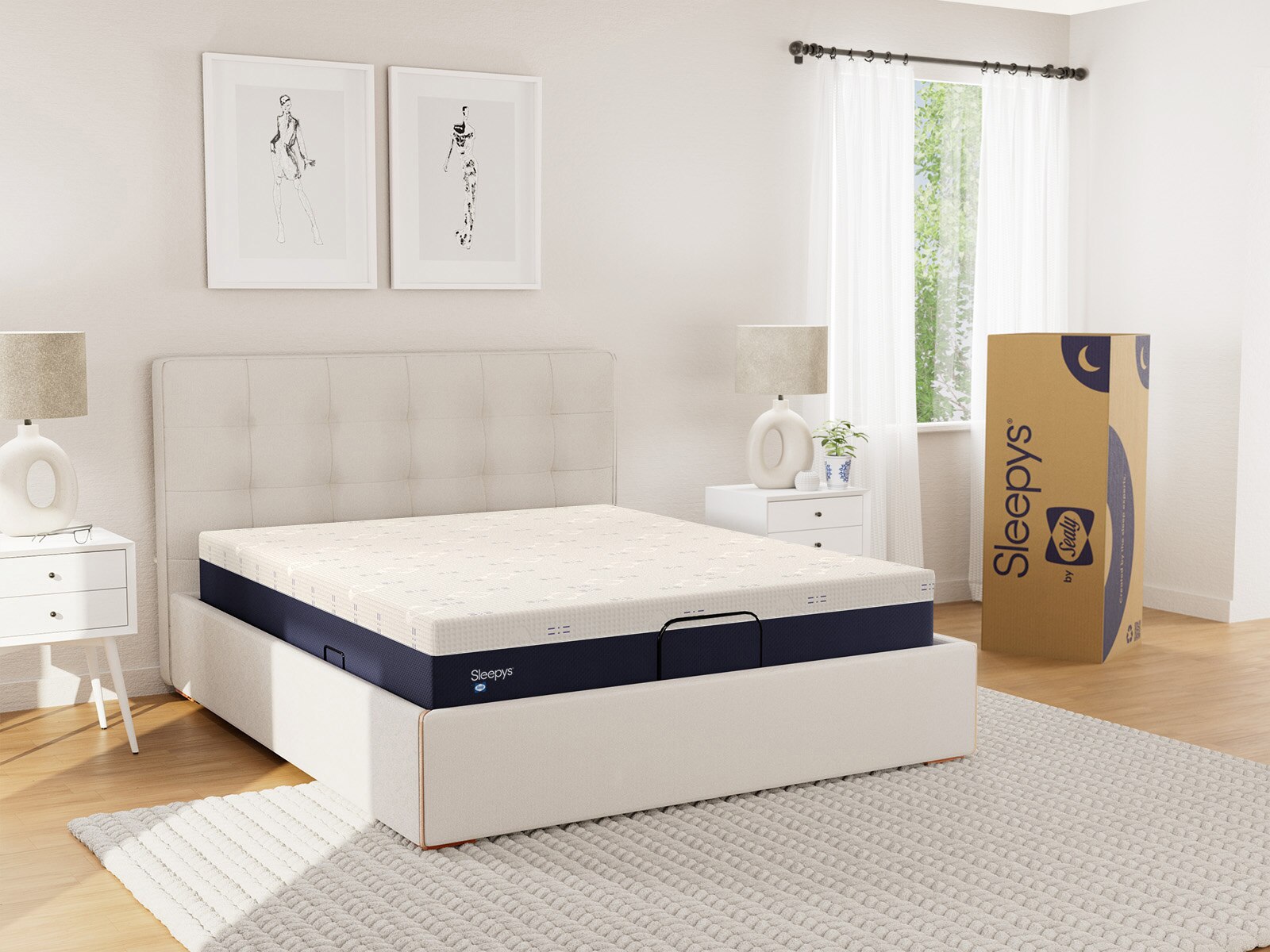
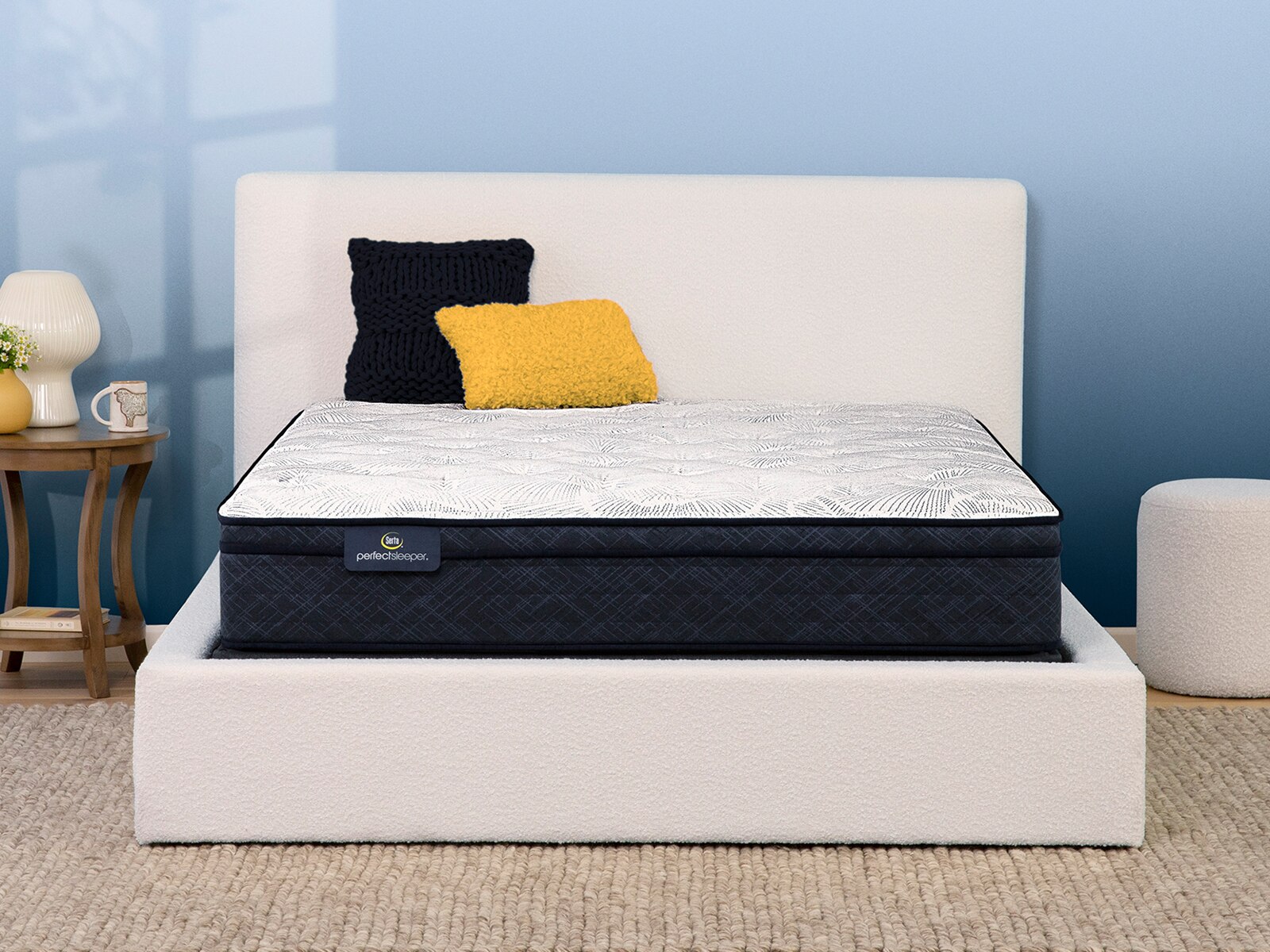
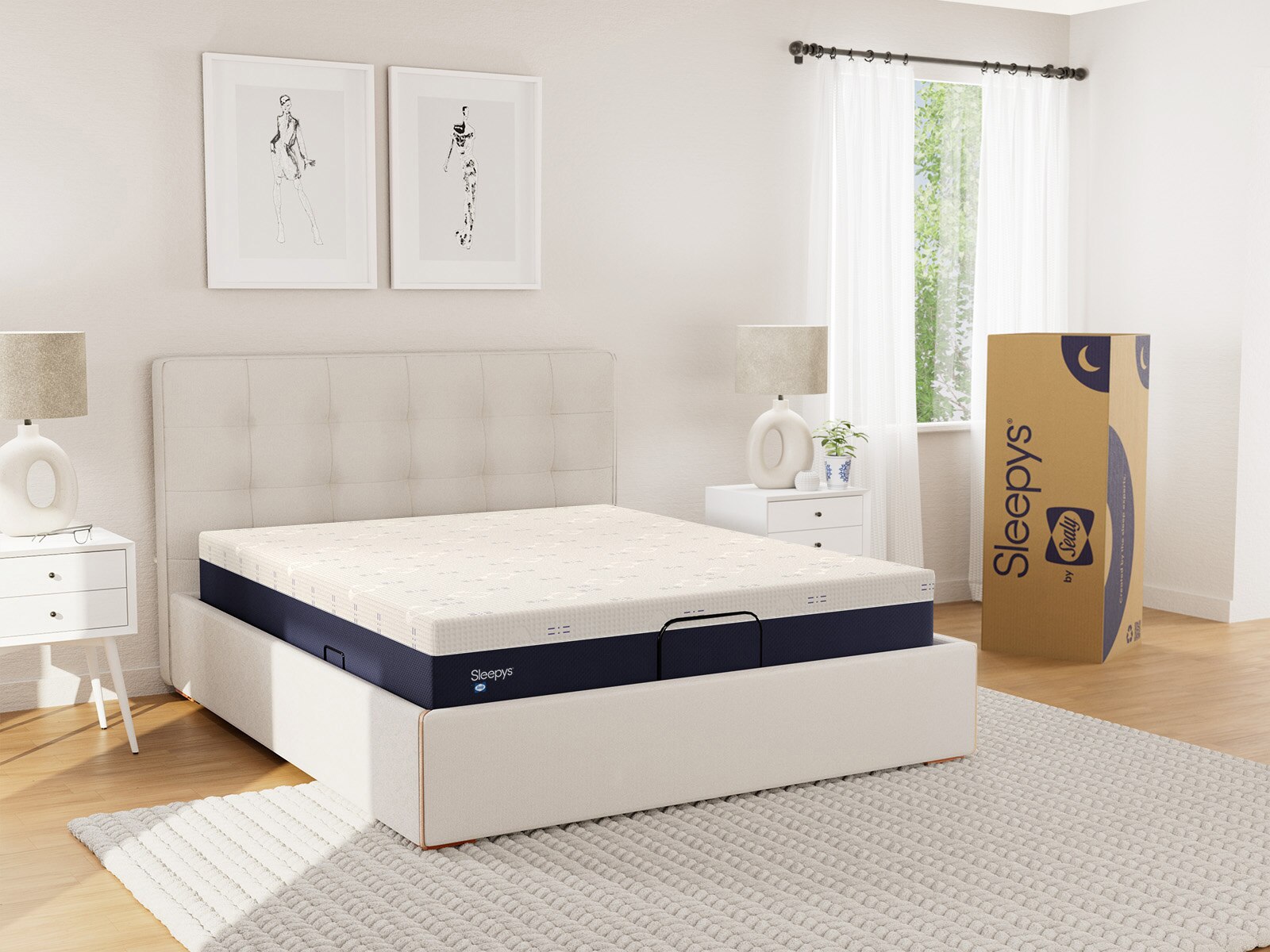
Queen responsive cushioning mattresses combine pressure-relieving comfort with a surface that adjusts as the sleeper moves. Cushioning allows areas such as the shoulders and hips to settle into the upper layers, while responsiveness describes how readily those materials recover when pressure shifts. Together, these qualities can create a cradling feel without making every turn feel like a climb out of a deep impression. A standard queen mattress measures approximately 60 inches wide by 80 inches long, offering room for many couples while giving a solo sleeper space to stretch out. That balance makes the size a practical fit for primary bedrooms, guest rooms and smaller shared spaces where a king would leave too little room for everyday movement. The feel can be especially appealing to combination sleepers who move from their side to their back, as well as anyone who enjoys a cushioned surface but prefers some ease of motion. Responsive does not necessarily mean firm, and cushioning does not necessarily mean soft. A mattress can have a plush surface over a sturdy support core, or a more gently cushioned surface with noticeable spring. The important distinction is how the layers work together under the sleeper’s weight. When lying on the side, there should be enough give for the shoulder and hip without an exaggerated dip through the middle. When lying on the back, comfort often comes from a surface that follows the body’s curves while keeping the pelvis supported. For partners, queen responsive cushioning mattresses also involve a balance between personal space, motion control and ease of repositioning. A lively surface may make turning simpler, but the way it handles a partner’s movement depends on the complete construction rather than the word responsive alone. Someone who wakes when a partner changes position may value a more settled feel, while another sleeper may prefer a light, buoyant response.
Materials play a large role in that balance. Responsive cushioning can come from flexible foams, latex, elastic grid structures or combinations of comfort materials layered above a support core. Memory foam typically contours closely under pressure, although its recovery speed varies by formulation and construction. Faster-recovering foams tend to regain their shape more readily after a sleeper rolls over, while latex often contributes a buoyant, gently springy feel. Grid-style comfort layers flex under pressure in a different way, so their sensation may feel distinct from a continuous foam surface. Hybrid mattresses combine cushioning materials with coils, often individually wrapped to allow more localized movement. All-foam constructions use a foam support core and can offer a more subdued response, depending on the layers above it. No single material determines the finished feel: layer thickness, density, coil design and the cover all influence the experience. A deeply quilted top may feel pillowy at first contact, while a smoother surface can make the response of the layers beneath it easier to notice. Body weight and sleeping position matter just as much as material names. A lighter sleeper may barely compress a comfort layer that feels deeply contouring to someone with a heavier build. Side sleepers often appreciate cushioning around prominent pressure points, while back and stomach sleepers may place greater emphasis on keeping the midsection supported. These are starting points rather than fixed rules. For two people sharing a queen, the most useful comparison includes both lying down together, turning over and noticing whether either person rolls toward the center. Edge construction deserves attention, too. A stable perimeter can make the surface feel more usable when sleeping near the side or sitting briefly to put on socks. Strong edge support, however, does not automatically mean strong motion isolation; those qualities come from different aspects of the design.
Fit extends beyond the mattress dimensions. A queen needs a compatible bed frame or foundation that supports its weight and meets the mattress manufacturer’s requirements, including any center support or slat-spacing specifications. An existing base should be checked for loose hardware, bowed slats or uneven areas before a new mattress is placed on it. Overall mattress height also changes daily use: a thicker comfort stack paired with a tall foundation can put the surface higher than expected, while a low frame creates a different sitting and getting-up experience. Measuring the complete setup helps establish whether feet can rest comfortably on the floor when seated at the edge. Sheet pocket depth should accommodate the mattress height, especially when a protector is added, so fitted corners stay secure without pulling tightly across the surface. An overly tight protector or sheet can also alter how freely the comfort layers respond. For guest rooms, a balanced feel may suit a wider range of sleepers than a particularly deep, enveloping surface, though individual preferences will always vary. Everyday care helps preserve both comfort and condition. Follow the care label for spot cleaning, use only the recommended amount of moisture and allow cleaned areas to dry fully before replacing bedding. A removable cover is not automatically machine-washable, and most layered mattresses should not be flipped unless the manufacturer specifically permits it. Rotation may be recommended to distribute repeated use, but the correct schedule depends on the construction. A well-fitted protector can help guard against spills and everyday buildup without requiring frequent cleaning of the mattress itself. Durability depends on material quality, appropriate support and regular use patterns rather than thickness alone. For related comfort options, explore
Queen Restorative Mattresses with the same attention to cushioning, support and ease of movement. The most suitable queen mattress brings those qualities together in a feel that remains comfortable through the positions and routines of everyday sleep.