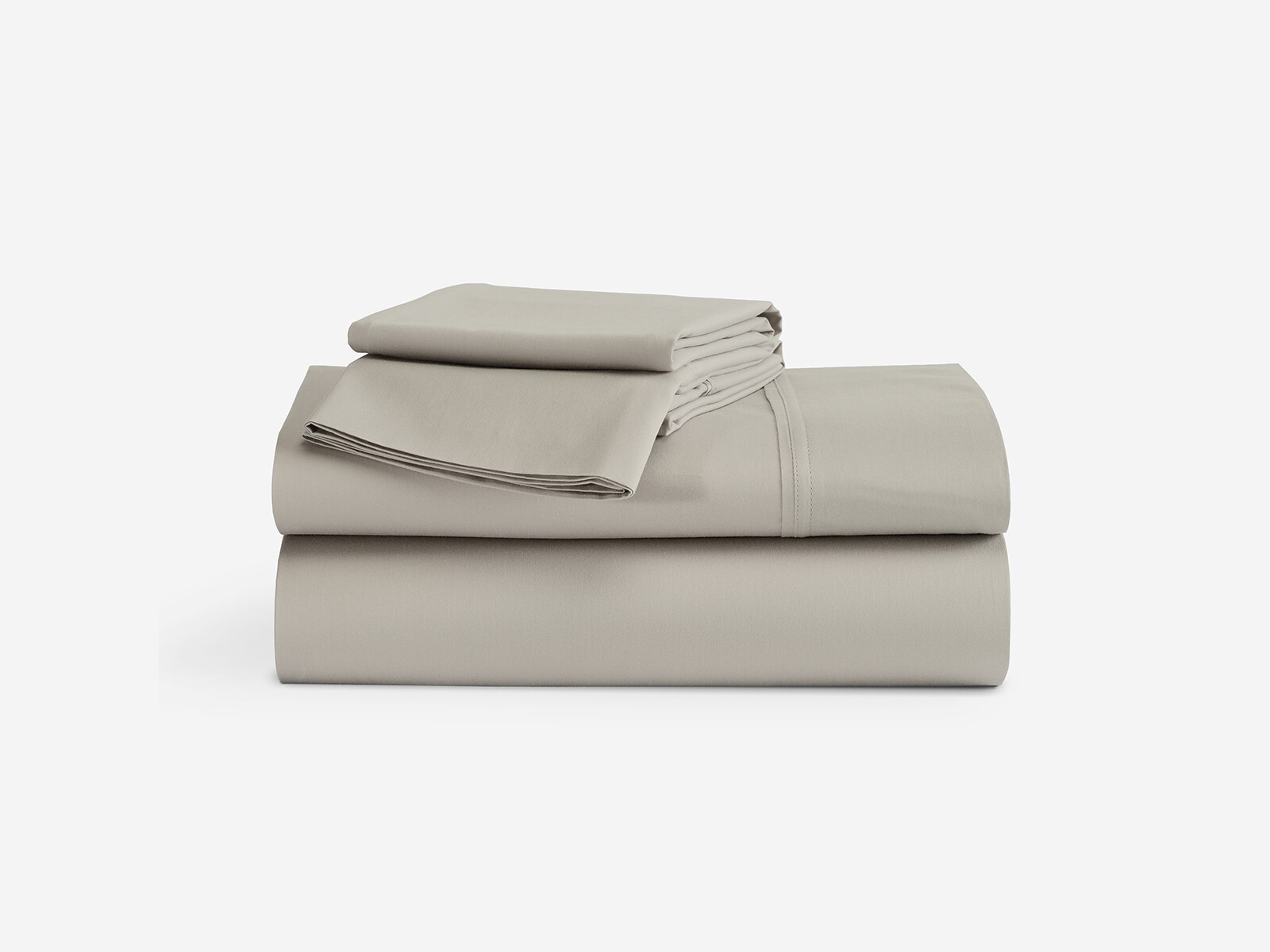
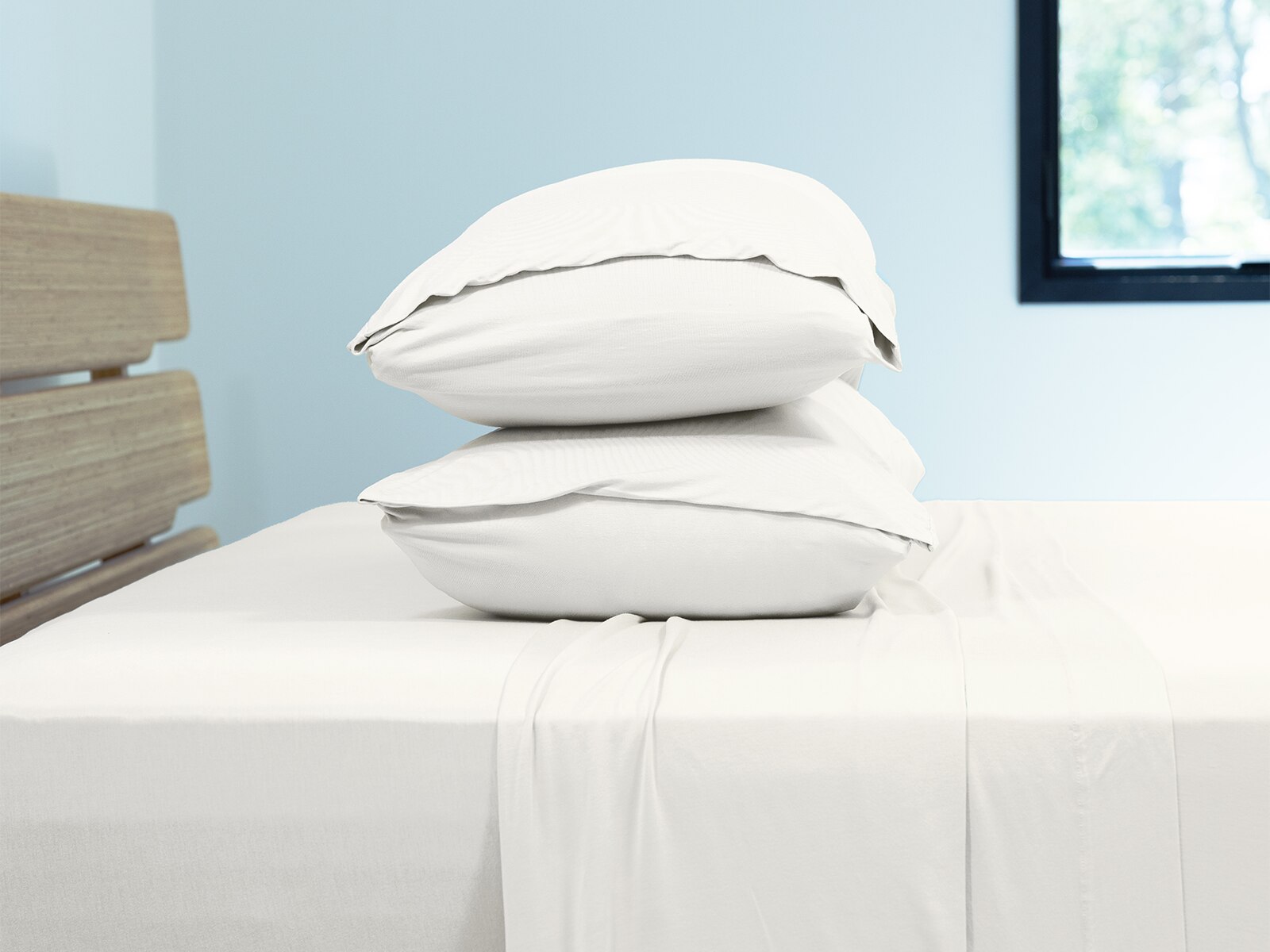
Queen size sheets for platform beds fit best when their dimensions and pocket depth match the mattress, not simply the bed frame’s height. A standard queen mattress measures 60 inches wide by 80 inches long, and a fitted sheet should accommodate both that surface area and the mattress’s full depth. A platform bed supports the mattress without requiring a box spring, but it does not usually require a special kind of sheet. The important distinction is how much mattress the fitted corners need to cover. A slim mattress may sit more neatly inside a standard pocket, while a thicker mattress or a mattress with a topper may need deeper pockets. Measuring from the bottom of the mattress to the top of any topper gives a more useful starting point than judging by appearance alone. A protector can also affect fit, particularly if it adds noticeable padding. Manufacturer sizing details help clarify whether a sheet’s stated pocket depth describes its construction or the mattress depths it is intended to accommodate. Full-perimeter elastic can help hold the fitted sheet beneath the mattress, while well-shaped corners help limit shifting when someone turns over or sits along the edge. Extra fabric is not always helpful: pockets that are too deep can leave folds across a thinner mattress, while shallow pockets may pull free. Frame design matters most around the edges. A recessed platform can leave less room for tucking than an open-sided frame, and a low platform may make a long flat sheet more noticeable near the floor. When coordinating bedding with
Queen Size Platform Bed Sets, checking mattress depth and clearance around the frame helps create a smoother finish. A fitted sheet that reaches securely underneath, paired with a flat sheet that allows a comfortable tuck, supports the clean, uncluttered look often associated with platform beds without leaving unnecessary fabric gathered along the rails.
Fabric determines much of how queen size sheets feel against the skin, how they drape and how much attention they need between washes. Cotton offers a familiar feel, with the weave creating noticeable differences within the same fiber category. Percale typically has a crisp, matte finish and a lighter drape, making it appealing to sleepers who prefer bedding that feels fresh and structured rather than silky. Sateen has a smoother surface and a more fluid drape, which can soften the appearance of a platform bed’s straight lines. Linen has a textured character and a relaxed look, with natural creasing that suits a less formal bedroom. It often becomes softer with repeated laundering, although its initial feel can be more substantial than that of a smooth cotton weave. Microfiber generally offers a soft surface, resists wrinkling and dries relatively quickly, though its feel and breathability differ from cotton or linen. Jersey brings the stretch and familiarity of a knit fabric, similar to a favorite T-shirt; that flexibility can feel comfortable, but reliable elastic and good shape recovery still matter for a tidy fit. Blended fabrics may balance softness, wrinkle resistance and care requirements, so fiber content is worth considering alongside the weave. Thread count alone does not establish quality or durability. Fiber quality, yarn construction, stitching and finishing all contribute to how well sheets hold up through regular use. Even seams, securely attached elastic and fabric that retains its shape after washing are useful details for everyday bedding. For someone who changes position often, a smooth surface and a fitted sheet that stays anchored can be more meaningful than an unusually high thread count. Appearance matters, too: solid colors create a quiet backdrop, while subtle stripes or small patterns add detail without competing with an upholstered headboard or a distinctive wood frame.
Everyday use is where fit, fabric and care come together. On a platform bed with exposed sides, a fitted sheet remains visible below the comforter, making smooth corners and consistent coverage part of the finished bedroom. Someone who prefers a tucked flat sheet may appreciate enough length to anchor it at the foot without pulling tightly across the toes. A sleeper who uses only a fitted sheet beneath a duvet may place greater importance on surface softness and elastic strength. Pillowcase dimensions deserve a separate check because the size of the bed does not necessarily determine the size of the pillows. Care requirements should also suit the household’s routine. Machine-washable fabrics can simplify regular changes, but the care label remains the best reference for wash settings, drying methods and whether ironing is appropriate. Washing new sheets before their first use can remove residual finishing materials and packaging odors. Separating bedding from towels and garments with exposed fasteners helps reduce abrasion and snagging, while leaving enough room in the washer allows fabric to move and rinse thoroughly. Excessive dryer heat can strain elastic and affect some fibers, so following the recommended setting and removing sheets promptly can help preserve their fit and appearance. Folding and storing a fully dry spare set makes changes easier when one set is being washed, especially in a frequently used guest room. Queen size sheets can suit couples, solo sleepers who enjoy more room and guest spaces that need practical, welcoming bedding. They can also make a thoughtful housewarming or wedding gift when the recipient’s mattress size, depth and fabric preferences are known. The most useful choice is one that feels comfortable, stays secure and fits naturally into the way the bed is used and cared for. On a platform bed, those details help bedding look intentional without requiring constant straightening or elaborate styling.