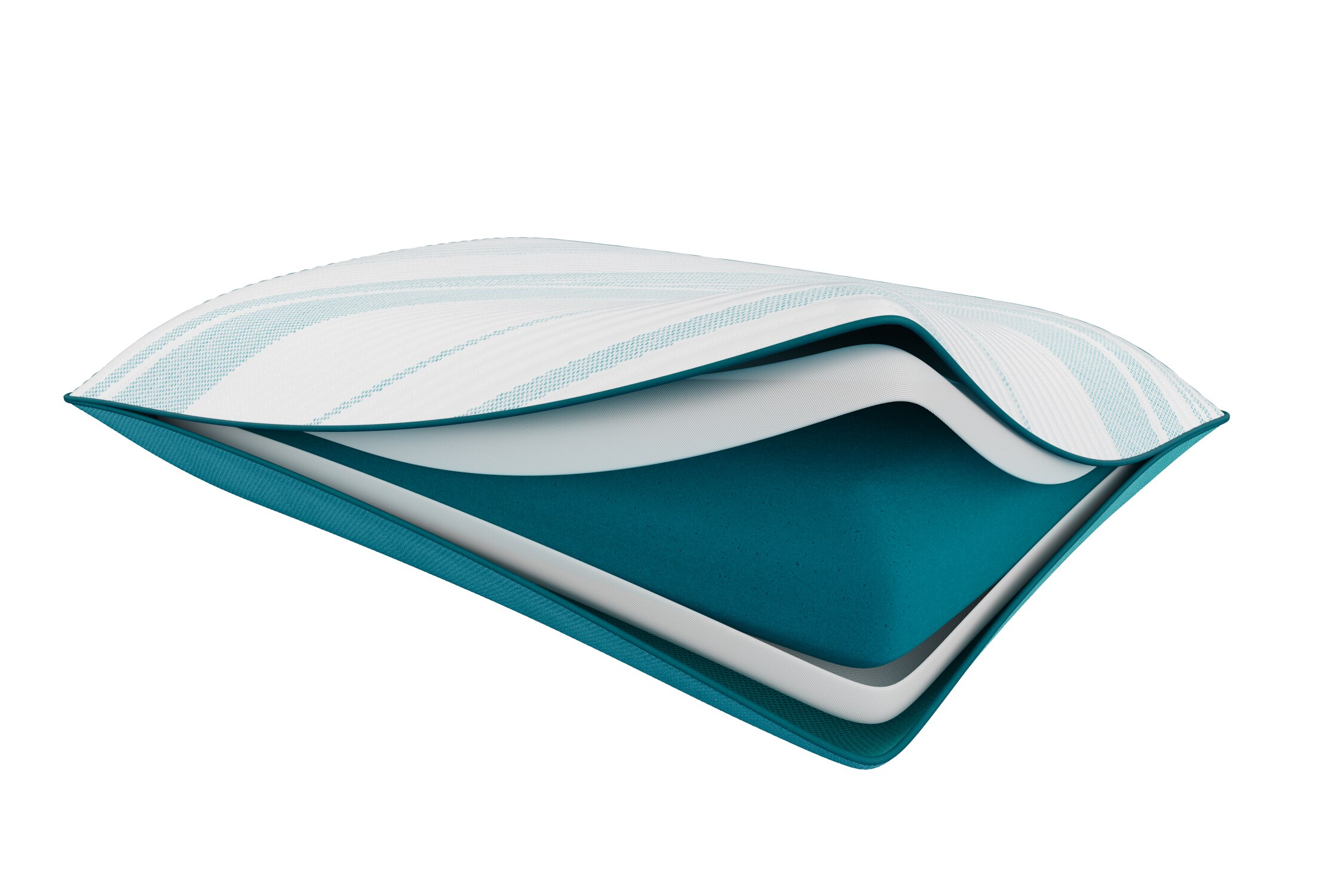
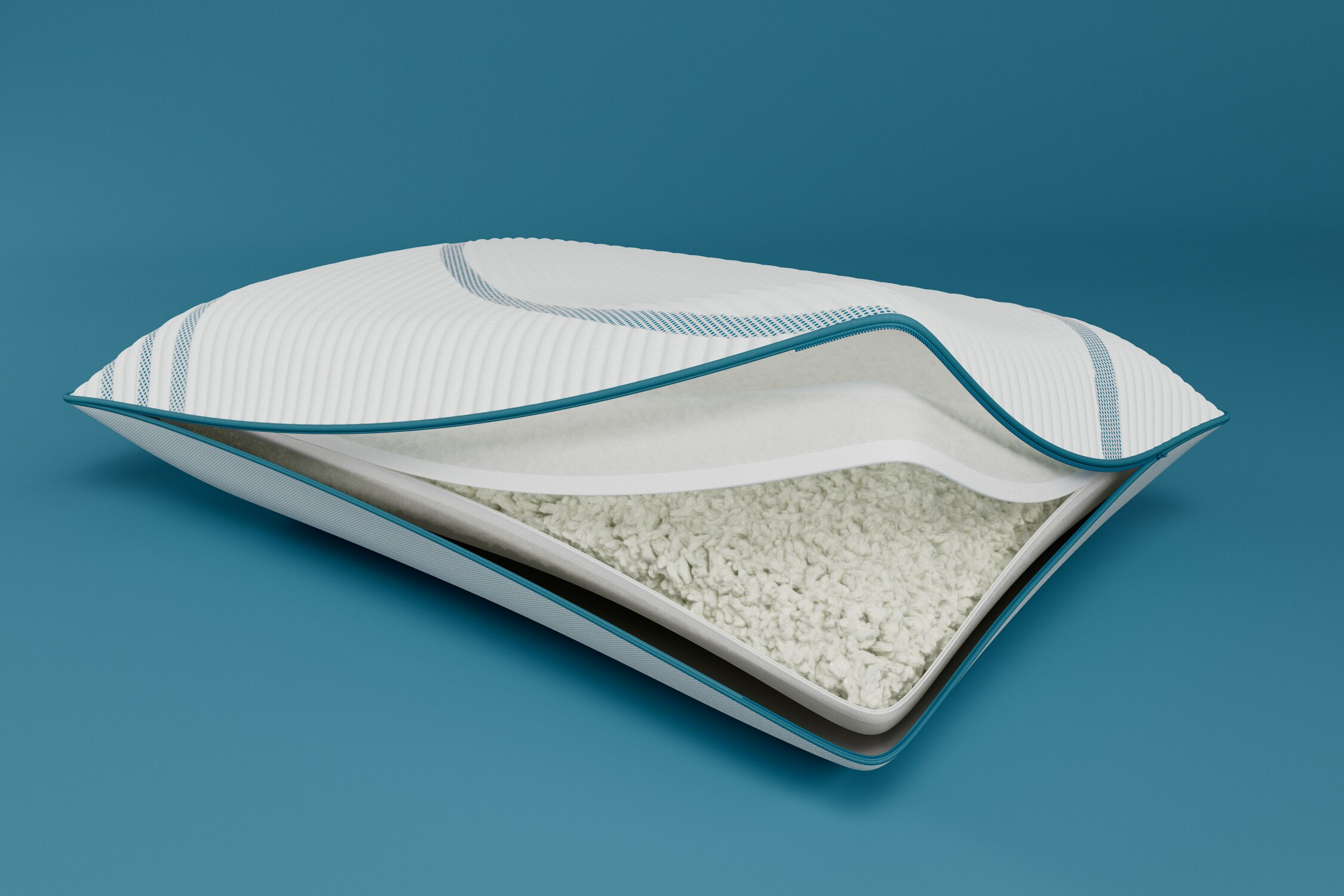
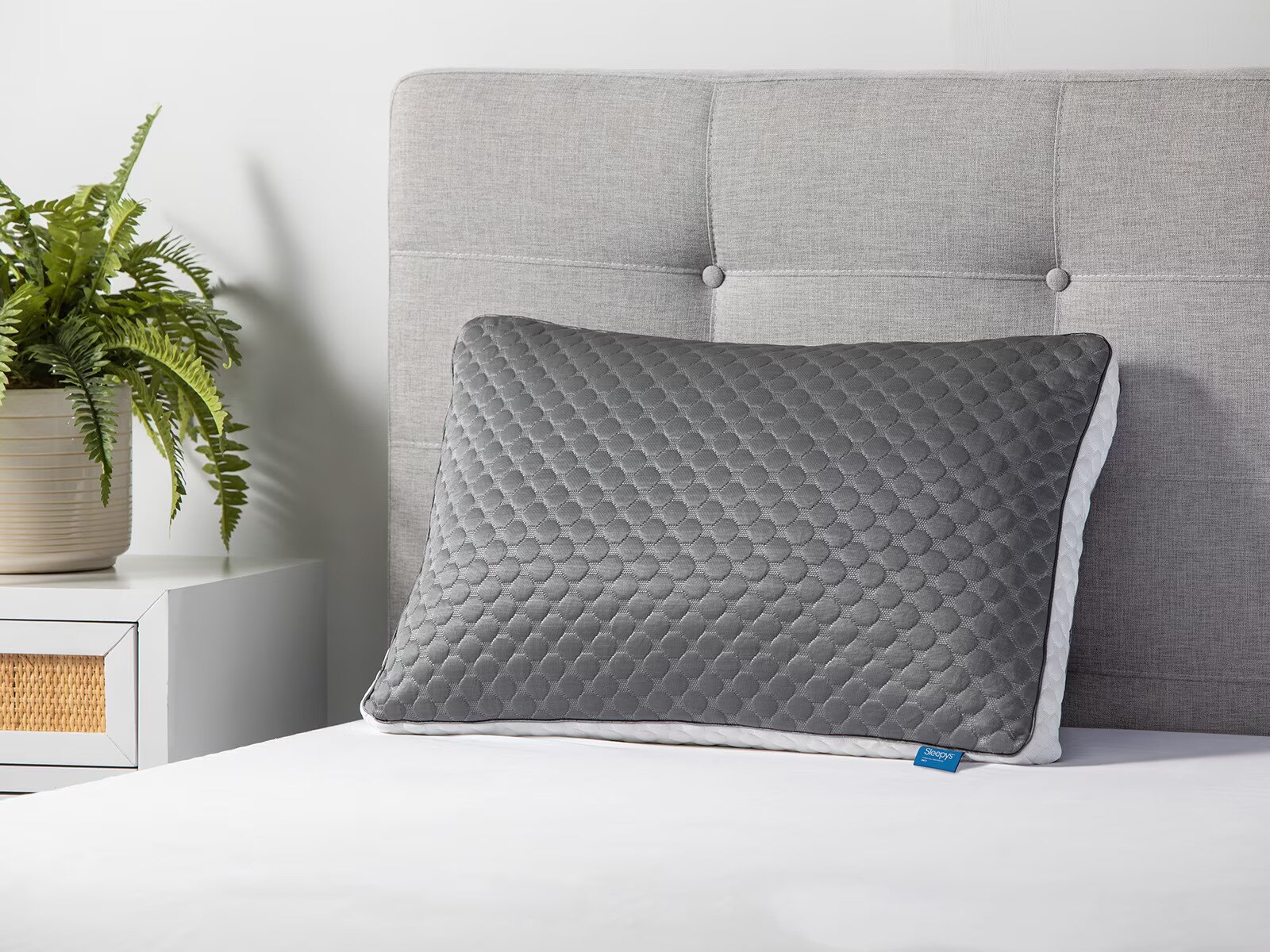
Shape-retaining pillows are designed to recover their loft or contour after pressure is removed, helping them maintain a more consistent sleep surface through repeated use. For a sleeping pillow, that means more than keeping a tidy outline on a made bed. The goal is dependable cushioning beneath the head and neck without having to fold the pillow in half or bunch the filling into one corner each night. Shape retention is different from firmness: a pillow can feel soft against the cheek while still springing back, and a firm pillow can gradually lose height as its materials wear. Construction makes a meaningful difference. Solid memory foam typically compresses around the head and returns gradually toward its original shape, while latex generally has a more responsive, buoyant feel. Shredded foam and latex fills allow individual pieces to shift, creating a more moldable surface, although they may need occasional redistribution. Fiber-filled pillows can also maintain a full profile, depending on the resilience of the fibers, the amount of filling and the way the interior is constructed. They often benefit from regular fluffing to restore an even shape. A contoured profile serves a different purpose: its raised and recessed areas create a defined resting place for the neck and head, but the presence of a contour alone does not establish how well a pillow will retain its shape. Neither a tall silhouette nor a dense feel automatically means better support. What matters is how the pillow behaves under the weight of the head and whether it settles at a comfortable height. Someone who dislikes repeatedly punching a flattened pillow back into place may appreciate a solid, resilient core. Someone who hugs the edge or tucks a hand underneath may prefer a more flexible fill. Shape-retaining pillows can accommodate either preference, provided the material, loft and construction suit the way they will be used. The distinction is between a pillow that feels pleasantly cushioned and one that compresses so far that the intended support disappears.
Fit begins with sleeping position, but the mattress underneath also affects the amount of pillow height needed. A side sleeper generally needs enough loft to fill the space between the head and the mattress without tilting the neck upward. Broader shoulders can create a larger gap, while a mattress that lets the shoulder settle more deeply may reduce it. For back sleeping, a more moderate profile often works well, with cushioning that supports the neck without pushing the chin toward the chest. Stomach sleepers typically need a thinner, softer surface to avoid adding unnecessary lift beneath an already turned head. These are starting points rather than fixed rules. A pillow’s uncompressed height can be misleading because two equally tall pillows may settle very differently. During a fit check, lie in the usual sleeping position long enough for the filling to compress, keeping the shoulders on the mattress rather than propped onto the pillow. Notice whether the head feels supported without needing an arm underneath for extra height. If changing positions is part of the nightly routine, consider how easily the surface adapts when moving from back to side. A traditional shape may offer more freedom to reposition, while a defined contour may feel more comfortable to someone who stays in one position for longer stretches. Adjustable fill can help fine-tune loft, provided the construction is intended to be opened and the manufacturer’s directions are followed. Length and width matter, too. A person who moves across the bed may appreciate a wider resting area, while someone sharing a smaller sleep surface may prefer a more compact footprint. Use a pillowcase that matches the pillow’s dimensions and profile; a case that pulls tightly across the surface can restrict the cushioning, while excess fabric can gather beneath the face. Reading upright or resting against a headboard may call for a separate support pillow rather than folding a sleeping pillow into a position it was not designed to hold.
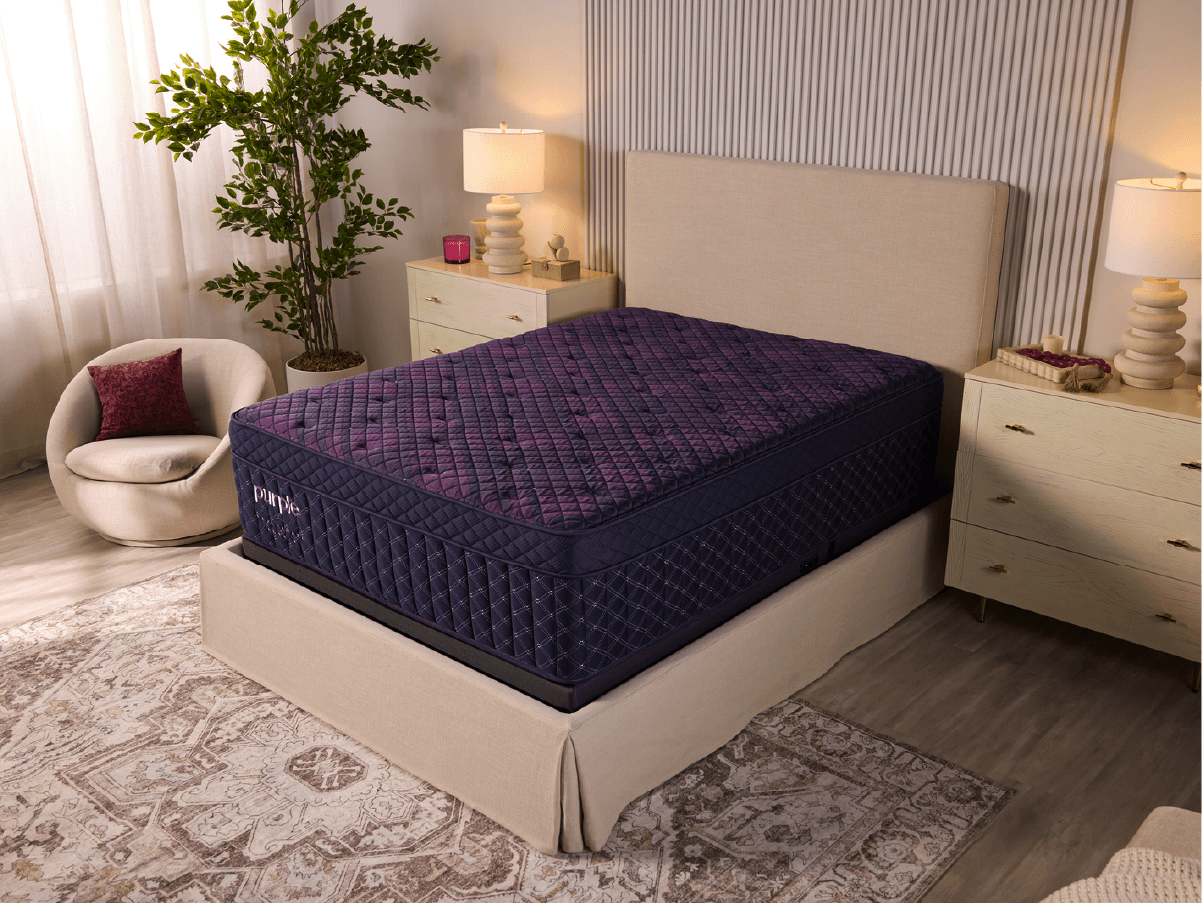
Care habits help shape-retaining pillows stay comfortable, but the right routine depends on what is inside. Check the care label for both the cover and the core rather than assuming the entire pillow can go into the washing machine. Many solid foam cores require gentle spot cleaning instead of soaking or machine washing, and any cleaned area needs to dry fully before the pillow is covered again. Some fiber-filled constructions can be machine washed, but cycle settings, detergent instructions and drying requirements vary. A removable, washable cover can simplify everyday upkeep, while a correctly fitted protector adds a barrier against perspiration and spills without compressing the pillow. For loose-fill designs, occasional fluffing and gentle redistribution can help prevent the filling from collecting at the ends. Avoid aggressive twisting or wringing, which may damage materials or alter the shape. Durability depends on the quality of the fill, how heavily the pillow is used and whether its care requirements are followed; shape retention does not mean that a pillow will remain unchanged indefinitely. Persistent low spots, broken or clumped filling, a core that no longer rebounds and the need to keep refolding the pillow are useful signs that its support has changed. Consider the whole sleep surface as well. Exploring
Shape Retaining Mattresses alongside pillow options can help connect pillow loft with the way the body settles into bed, although neither component can compensate for a poor fit in the other. For a guest room, an easy-care pillow with a familiar profile can be practical, especially when paired with a clean protector and a second loft option. As a gift, a pillow is most thoughtful when the recipient’s sleeping position and material preferences are known. Someone who loves a buoyant surface may not enjoy slow-conforming foam, even if both options recover their shape well. The most useful choice combines reliable recovery with comfortable cushioning, manageable care and a fit that feels natural when the head reaches the pillow.