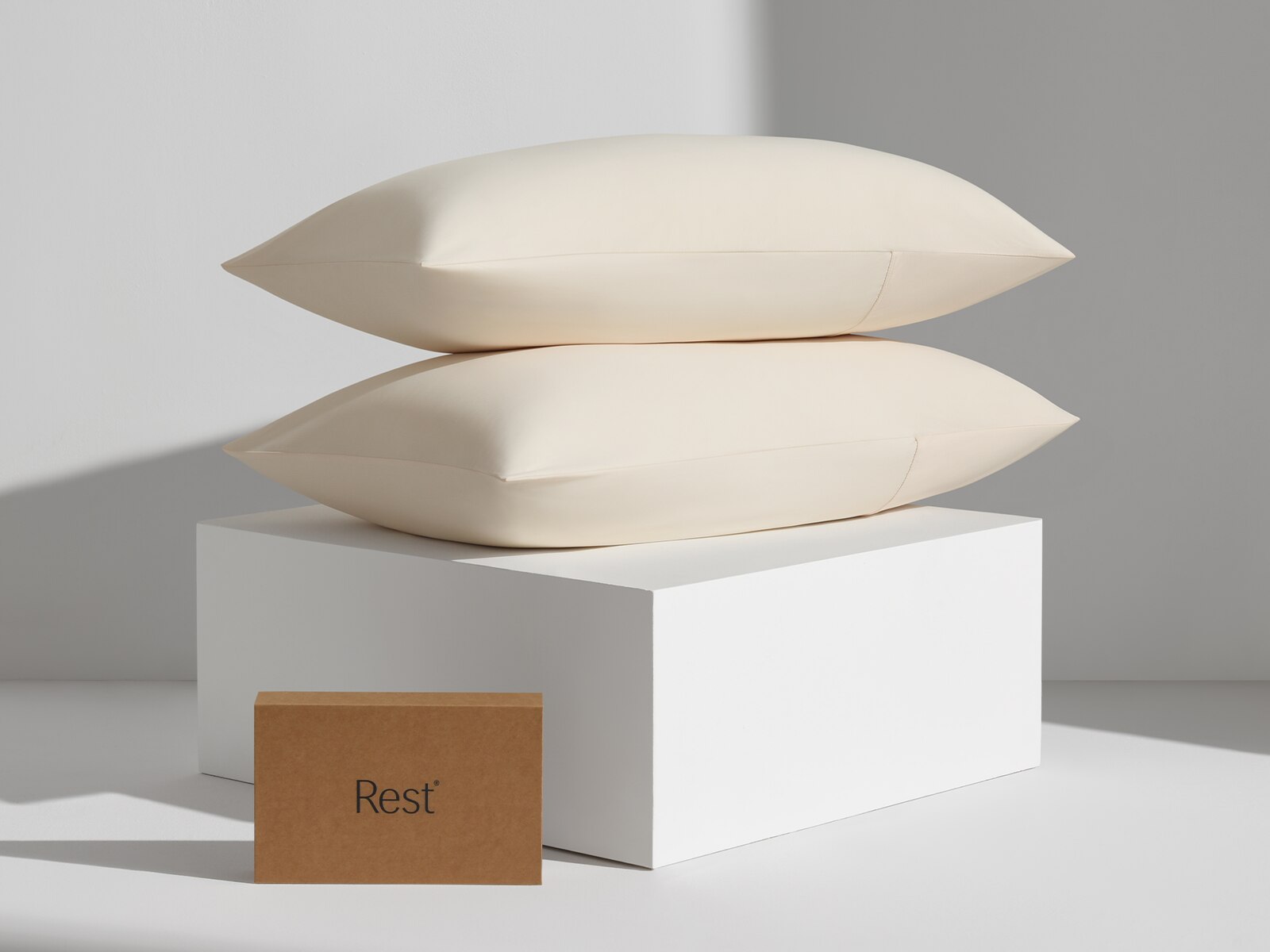
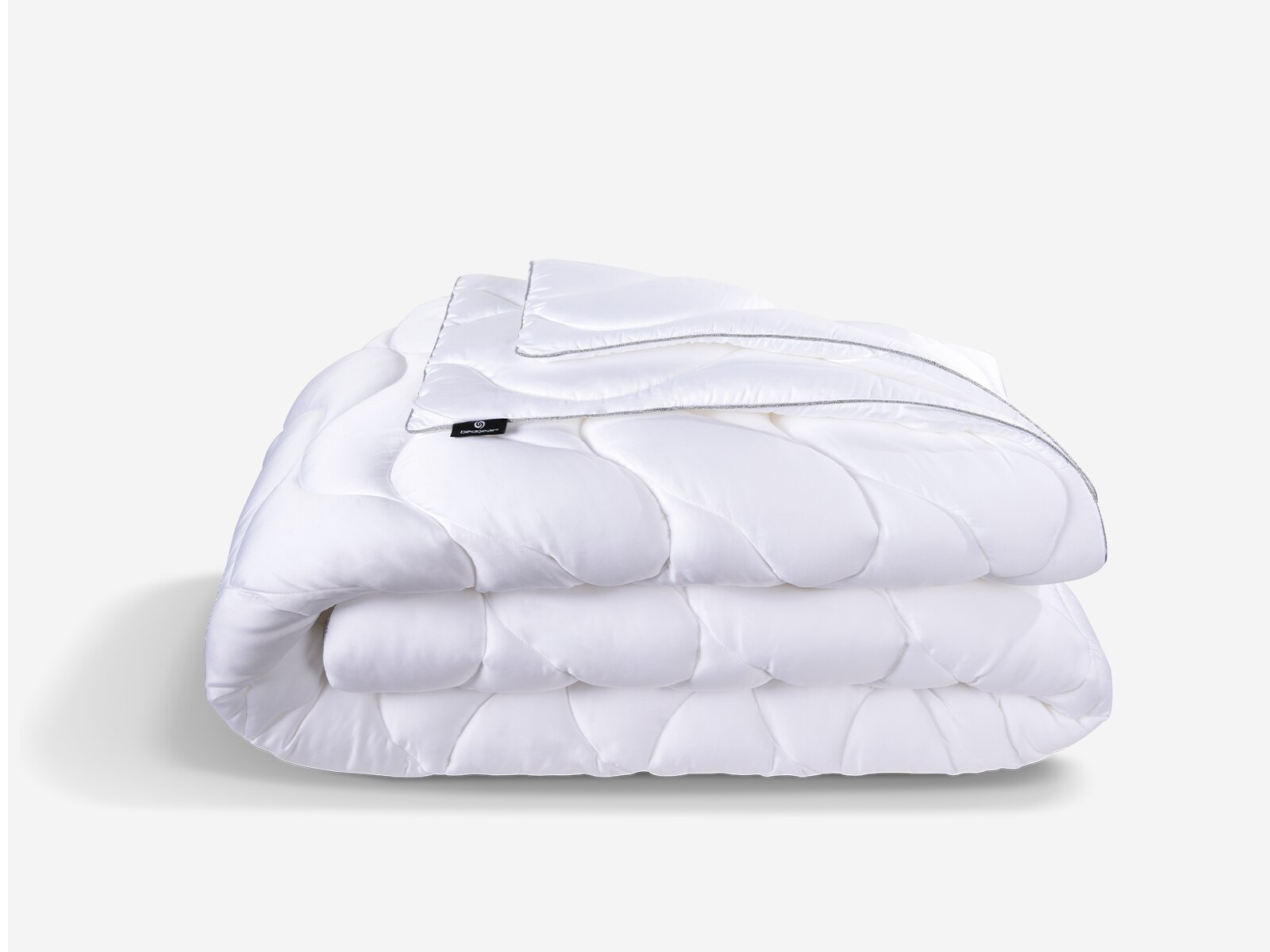
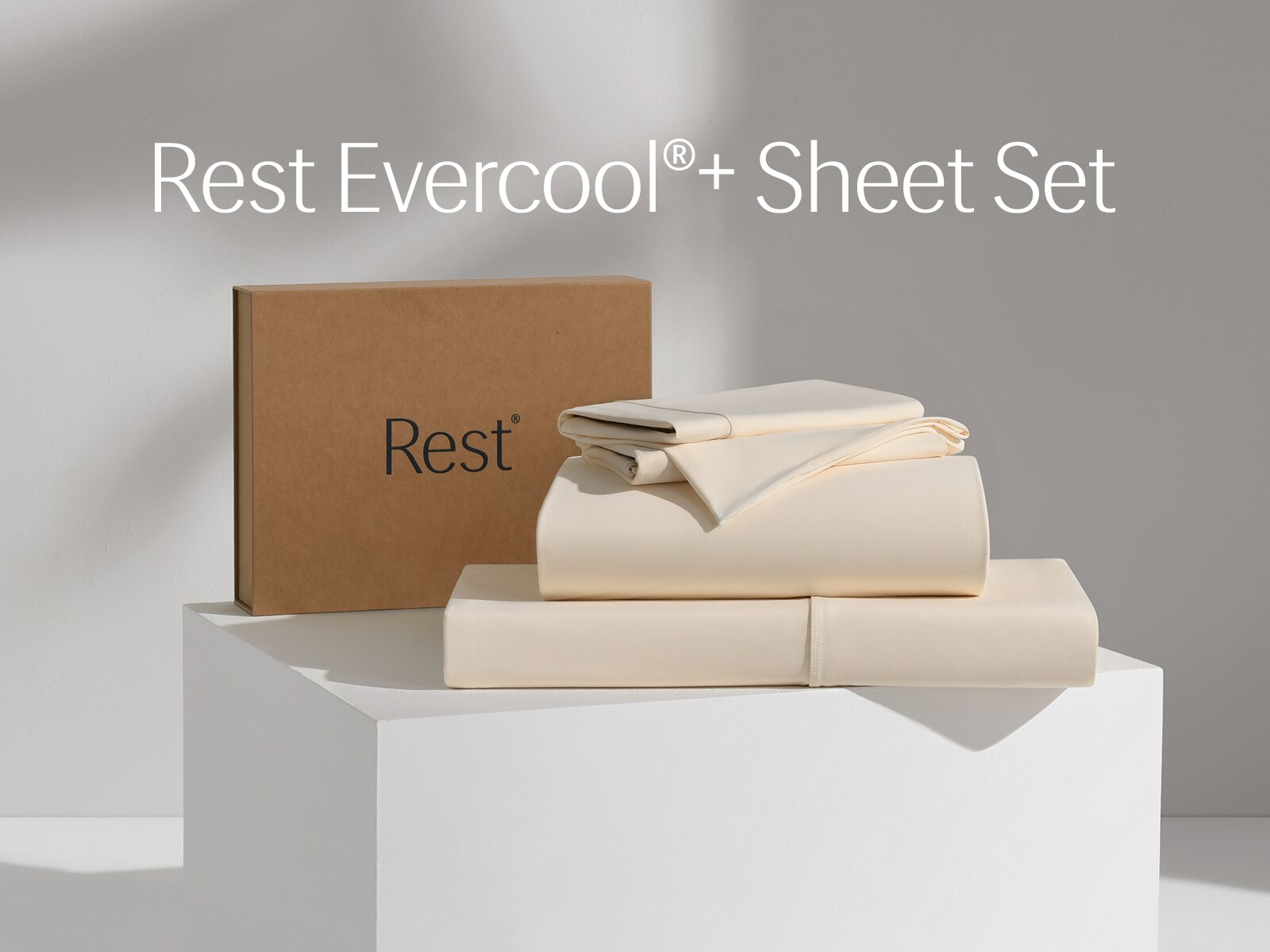
Sleep products for sensitive skin put the feel of bedding against the body at the center of everyday comfort. Sheets, pillowcases, mattress protectors and other bedding can differ in surface texture, fiber content, construction and care requirements, all of which matter when skin reacts easily to contact or residue. A smooth fabric with tidy seams may feel gentler against the cheek or along the arms than a coarse weave, raised embroidery or a scratchy decorative edge. Silk is often chosen for its smooth surface, which may help reduce friction as the face moves across a pillow, though it does not prevent irritation or treat a skin condition. Cotton offers an absorbent option with a wide range of textures, from the crisp feel of percale to the smoother finish of sateen. Lyocell fabrics can also have a soft, fluid feel, while blends vary depending on their fiber proportions and construction. The name of a material alone does not establish how well someone will tolerate it. Finishes, dyes, seams and laundering habits can make a meaningful difference, and even a fabric that feels pleasant in the hand may feel different after several hours of contact. Thread count is only one detail to consider; fiber quality, weave and finishing also influence softness and durability. For someone whose cheeks feel uncomfortable against a textured pillowcase, a smooth sleeping surface may be especially appealing. For someone bothered by bedding that bunches beneath the legs, a well-fitting sheet may matter just as much as the fiber itself. Breathable construction and effective moisture management are useful considerations when perspiration leaves fabric feeling damp against the skin. Labels such as hypoallergenic describe an intended benefit, not a promise that a material will suit every person or eliminate every possible trigger. Clear fiber information, specific care instructions and details about textile testing provide a more useful basis for comparison than broad claims of purity or universal comfort.
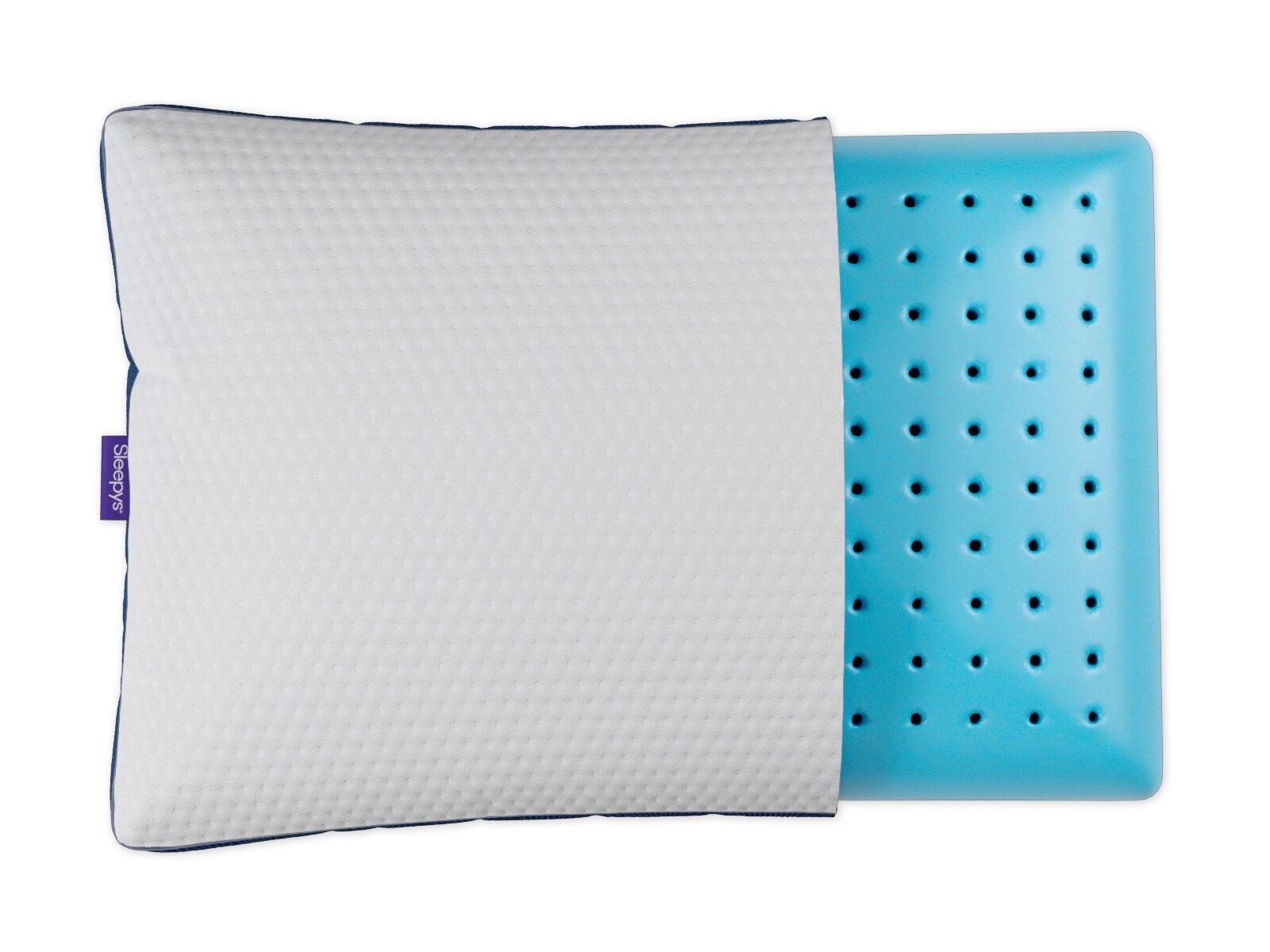
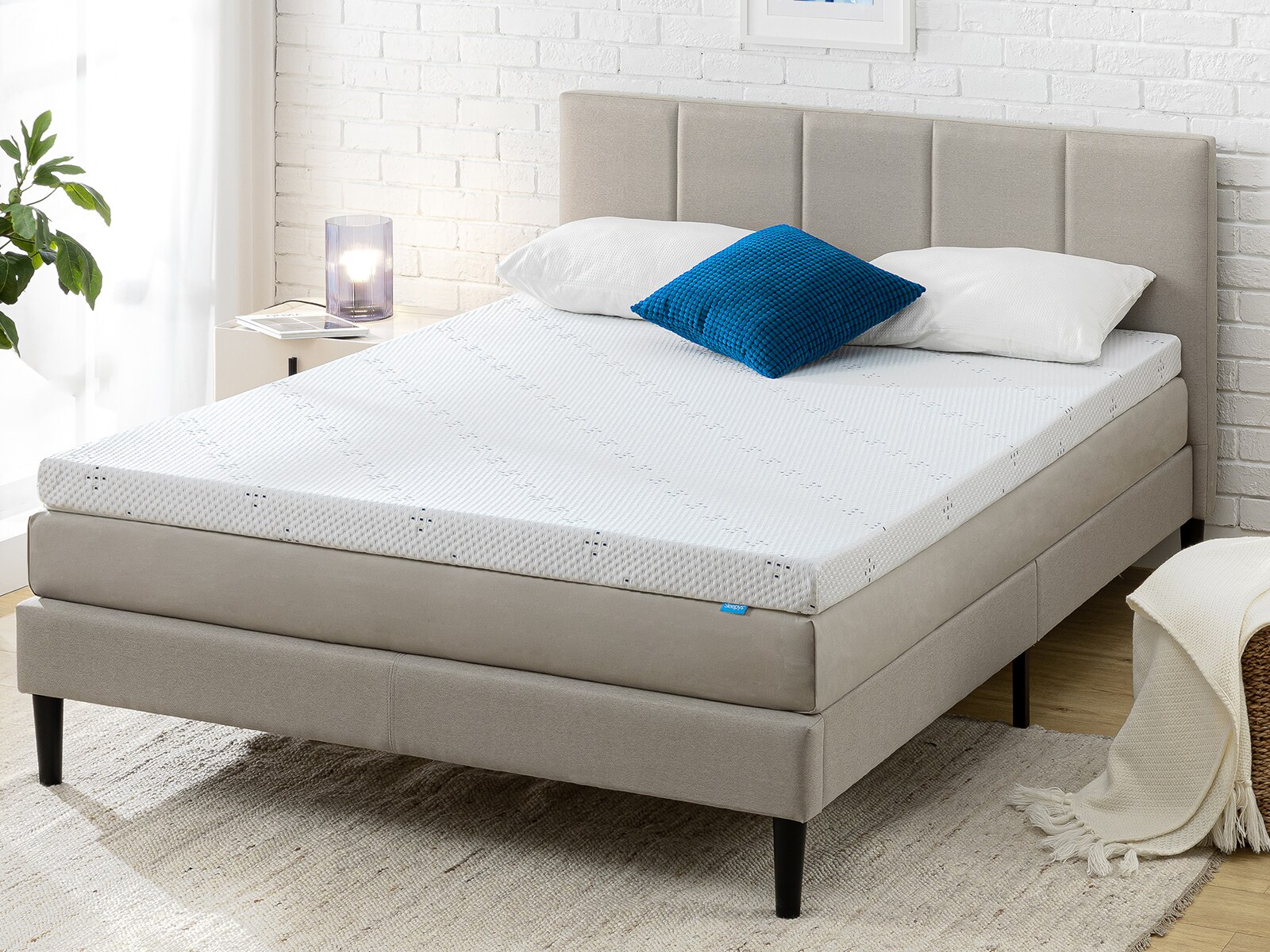
Fit helps preserve the comfortable surface that sensitive skin bedding is meant to provide. A fitted sheet should accommodate the full depth of the mattress, including any topper, without pulling sharply at the corners or leaving loose folds across the sleeping area. Elastic that holds securely can help keep the fabric in place as a sleeper changes position. Pillowcases need enough room for the pillow to retain its shape without excessive fabric gathering beside the face, and closures should sit where they are unlikely to press against the cheek. A concealed zipper, envelope opening or neatly finished seam can change how a pillowcase feels in use, even when two fabrics appear similar. The pillow beneath that cover matters, too: loft, firmness and fill affect how the head rests and how much the face presses into the surface. Side sleepers often need enough height to fill the space between the head and mattress, while back and stomach sleepers may prefer a lower profile, depending on their body shape and mattress feel. The selection of
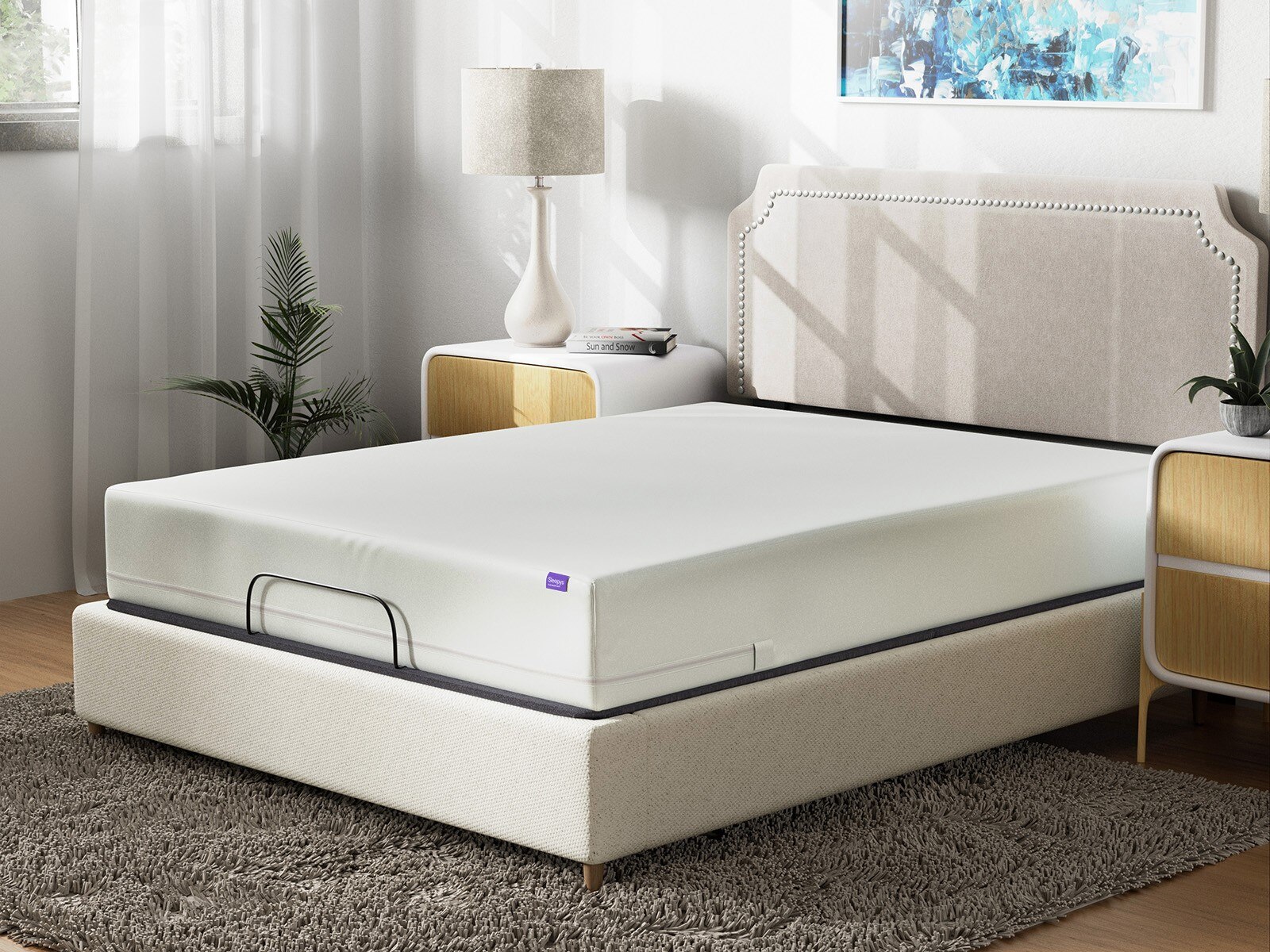
Pillows For Sensitive Skin brings that part of the sleep surface into focus alongside the bedding that touches it. Removable, washable covers can make routine care more manageable, particularly when facial products, hair products or perspiration transfer onto fabric. Mattress and pillow protectors add another layer between bedding and the underlying sleep surface, but their construction deserves attention. A waterproof backing may help protect against spills, while its texture, flexibility and breathability influence the overall feel. Protection from liquids is not the same as protection from allergens, and an ordinary cover is not necessarily an allergen barrier. When dust mite exposure is a known concern, specifically labeled encasements may be worth considering as part of a broader care plan. Whatever the intended purpose, each layer should fit smoothly and work with the layers around it rather than creating stiff edges, bulky overlaps or an uneven place to rest.
Care requirements are part of choosing sleep products for sensitive skin because bedding spends many hours in contact with the body and needs regular cleaning. Washing new washable bedding before its first use, according to the care label, can help remove some manufacturing residues and leave the fabric ready for everyday use. A fragrance-free detergent may be preferable for people who react to scented laundry products, and using the recommended amount helps limit unnecessary residue. Unscented and fragrance-free do not always mean the same thing, so ingredient information can be helpful when fragrance is a known concern. Fabric softeners and scent additives may also be worth avoiding if they have caused discomfort before. Thorough rinsing and complete drying support a clean sleep surface, while care-label instructions protect the fibers, elastic, closures and protective layers from avoidable damage. Some materials tolerate frequent machine washing; others need a delicate cycle, a laundry bag or more careful drying. Silk, in particular, can require a different routine from everyday cotton bedding. Durability includes more than fabric strength: a sheet that stays smooth, a pillowcase with secure seams and a protector that retains its intended performance after repeated cleaning can all contribute to consistent comfort. A spare set of washable bedding can make it easier to maintain that routine without rushing the drying process. These considerations may be useful for adults or children with easily irritated skin, people with known sensitivities and anyone who prefers a soft, low-friction sleep surface. As a gift, bedding for someone with sensitive skin calls for attention to preferences rather than assumptions. Knowing the recipient’s mattress size, preferred fabric and laundry routine makes the choice more personal and practical. No bedding material is a treatment for eczema, acne or other skin conditions, and persistent itching, redness or discomfort deserves guidance from a healthcare professional. The most useful choices combine a pleasant feel, an appropriate fit and care requirements that suit everyday life, creating a comfortable place to rest without relying on promises that any fabric will work for everyone.