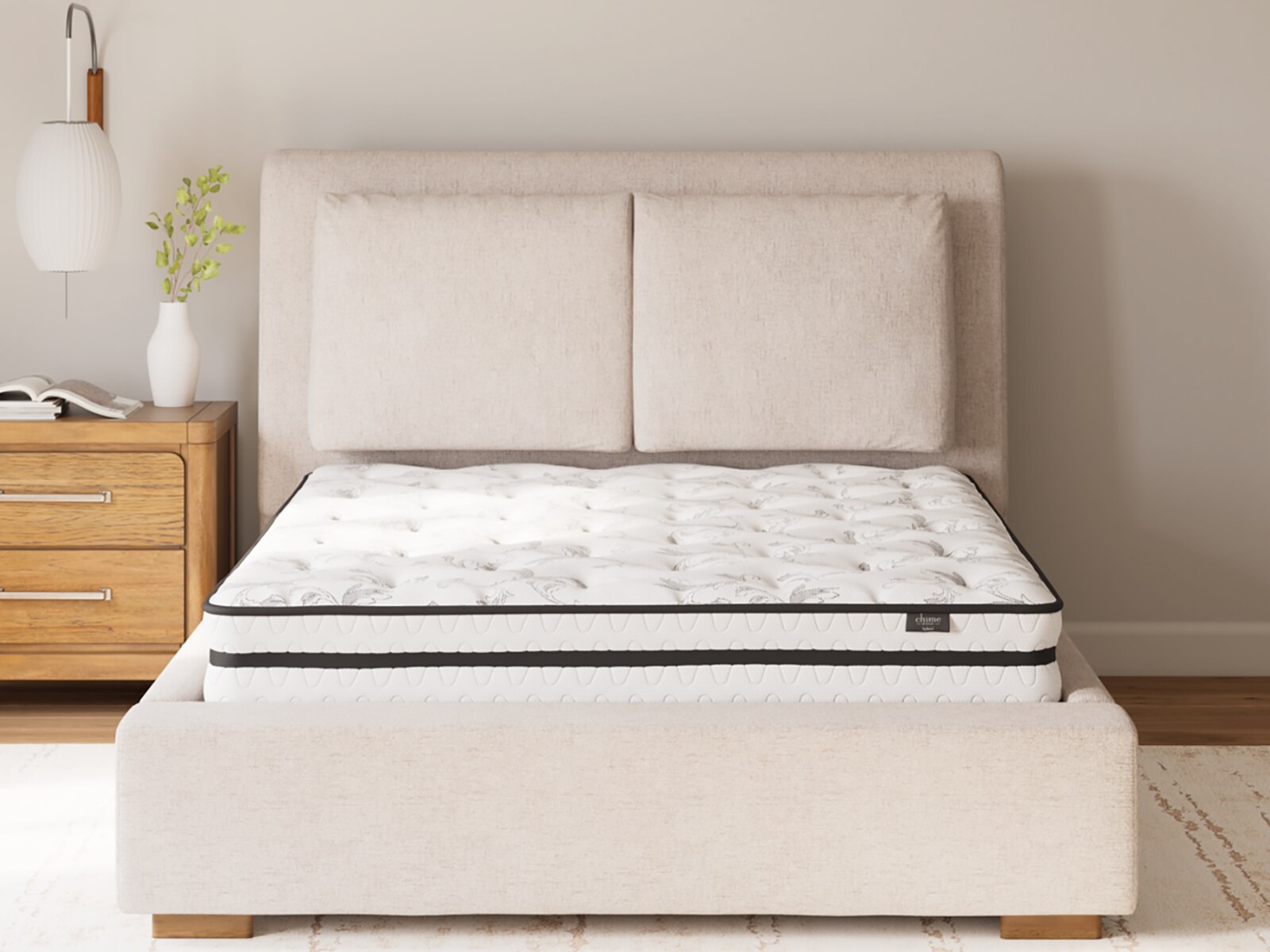
Sleep Solutions For Bunk Beds can make a shared room, guest space or compact sleeping area feel more comfortable and easier to manage. The right combination starts with a mattress that fits the bunk bed frame correctly and supports the sleeper without taking away from the bed’s built-in safety features. Low-profile mattresses are often preferred for bunk beds because they help preserve the clearance between the sleeping surface and the guardrail. Many bunk bed frames are designed for mattresses around five to six inches thick, but the exact requirement can vary, so check the manufacturer’s specifications before making a purchase. A mattress that is too tall may reduce guardrail height, while one that is too small can shift within the frame. Look for the correct mattress size, a snug fit and a construction that suits the person using the bed. Children may appreciate a responsive, comfortable surface that makes it easier to move around, while teens and adults may prefer more cushioning and pressure relief for shoulders, hips and lower backs. In a room that serves several purposes, a supportive bunk mattress can help turn an occasional guest bed into a welcoming place to sleep. It can also be a thoughtful gift for a child moving into a new room, a grandparent preparing a vacation home or a family making space for overnight visitors. Along with the mattress, a thin mattress pad or topper can add a softer feel without dramatically changing the overall height. Choose one that stays securely in place and does not interfere with the fit of the bedding or the guardrails. Breathable materials can be especially useful in rooms that become warm during the warmer seasons, while a quilted layer can add cozy comfort during cooler months. Mattress protectors are another practical choice for children’s rooms, guest spaces and shared bedrooms because they help shield the mattress from spills, perspiration and everyday wear while making routine care simpler.
Changing sheets on a bunk bed can be awkward, particularly on the upper bunk where reaching every corner may require careful positioning. Bedding designed for a close-fitting mattress can make the task more manageable, and fitted sheets with secure elastic can help reduce bunching during the night. Zippered bedding systems and integrated comforter designs can be useful when the top bunk is difficult to reach, allowing the bed to be made with less lifting and tugging. Choose bedding that matches the mattress dimensions and is easy to remove for washing. Soft, breathable sheets can help children settle in comfortably, while a washable comforter makes sense for sleepovers, seasonal changes and rooms where snacks, crafts or outdoor play are part of daily life. Keep blankets and pillows appropriately sized for the sleeper and avoid allowing excess fabric to hang over the sides of the upper bunk. A small bedside caddy or clip-on shelf can provide a dedicated place for a book, glasses, a water bottle or other nighttime essentials without requiring a full nightstand beside the bed. This can be particularly helpful in narrow bedrooms, dorm-style spaces and shared rooms where floor space is limited. A reading light that attaches securely to the frame can make bedtime reading more convenient, but select a design with protected wiring, a stable clip and controls that are easy to reach. Battery-operated or rechargeable options can reduce the need for cords running along the ladder or hanging near the sleeping area. The light should be positioned so it illuminates the reader without shining directly into another sleeper’s eyes. These small additions can help a bunk feel more personal and organized, whether it belongs to a young reader who likes one more chapter before sleep, a teenager keeping a phone and headphones nearby or a guest who wants a comfortable place to set personal items. For more ideas that bring comfort, convenience and organization together, explore
Must Haves For Bunk Beds.
Storage is another important part of creating a better bunk bed setup. The area beneath the lower bunk can become a useful place for low-profile rolling bins or containers that hold spare blankets, seasonal bedding, stuffed animals, clothing and travel bags. Bins with handles or smooth casters are easier to access than deep containers that must be pulled out by reaching underneath the frame. In a children’s room, labeled storage can make it easier to return belongings to their place, while in a guest room it can keep extra linens close at hand without crowding a closet. A trundle or lower sleeping area may need especially shallow storage, so measure the available clearance before choosing a container. Keep the path around the ladder and the space used for getting in and out of bed clear of loose items. For families preparing a room as the weather warms, breathable bedding, a washable protector and organized storage can make sleepovers and visits feel less hectic. During cooler months, an extra blanket stored beneath the bed can be available without taking up valuable closet space. Every bunk bed arrangement is different, so consider the sleeper’s age, the room’s dimensions, the frame’s weight and mattress requirements and how the bed will be used from day to day. A child’s needs may center on easy-to-clean fabrics and accessible storage, while an adult guest may value added cushioning, a quieter mattress surface and a reading light. With a properly fitted low-profile mattress, comfortable bedding, practical bedside organization and dependable storage, bunk beds can support restful sleep while making the most of a compact room.