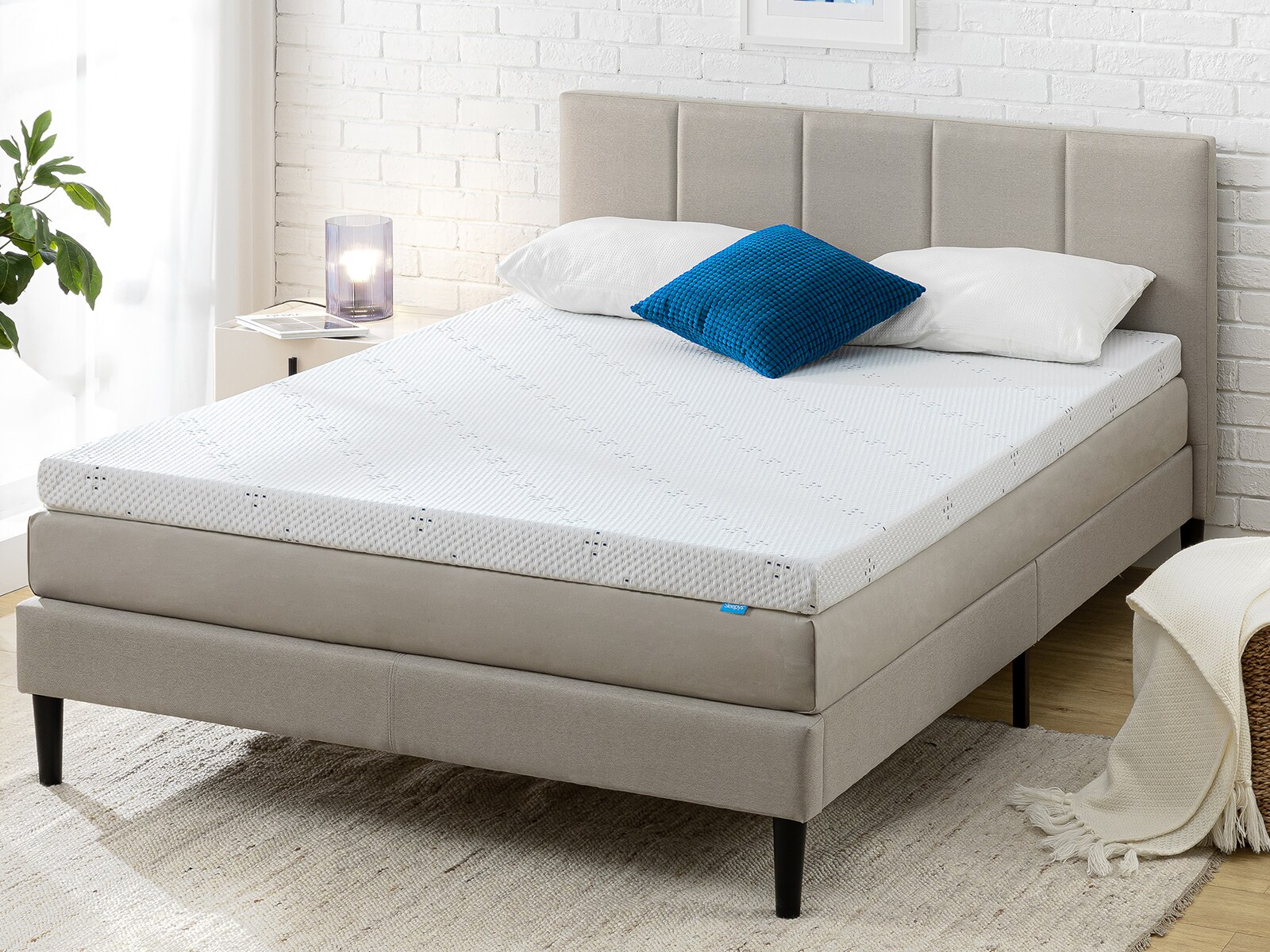
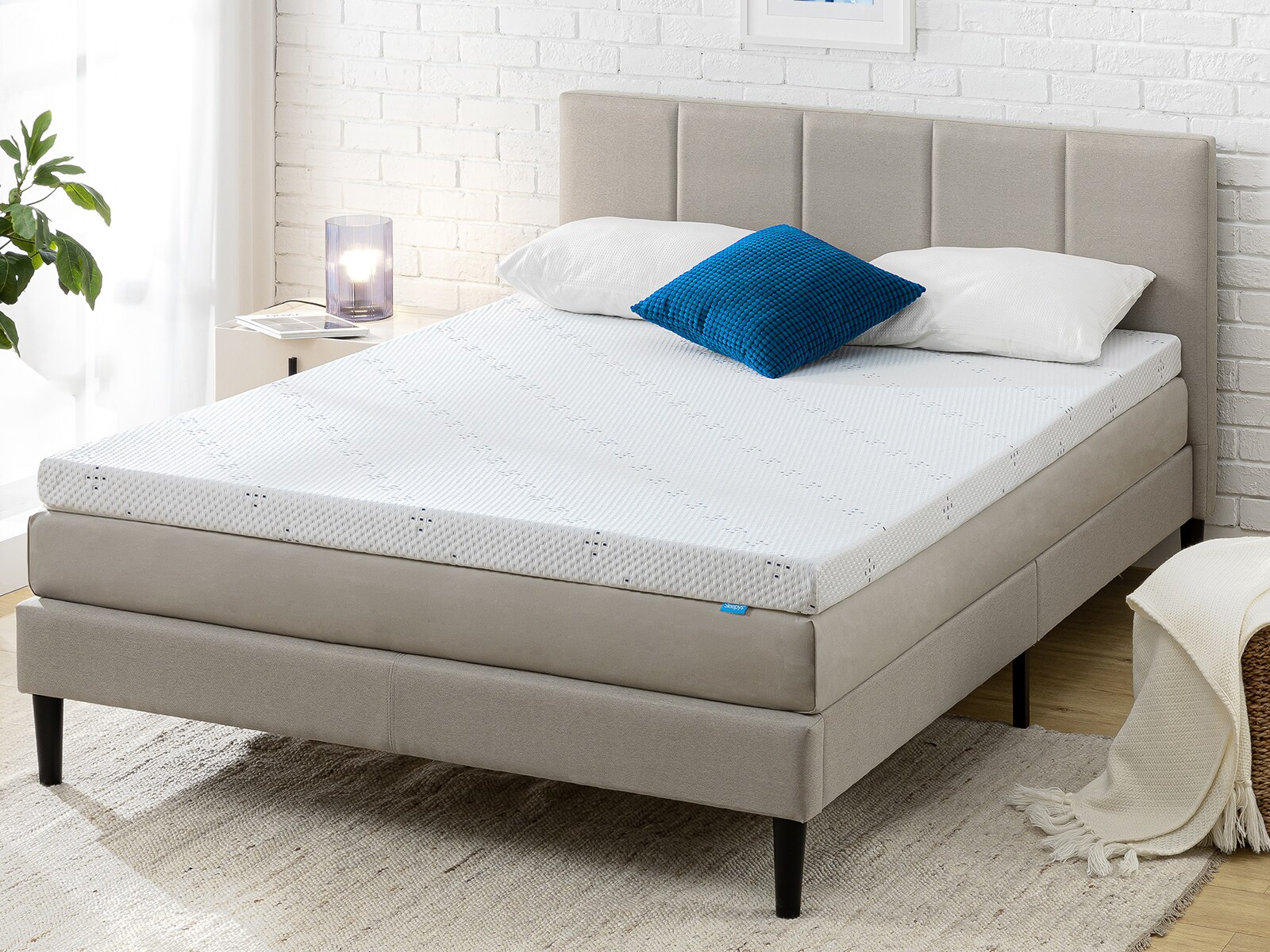
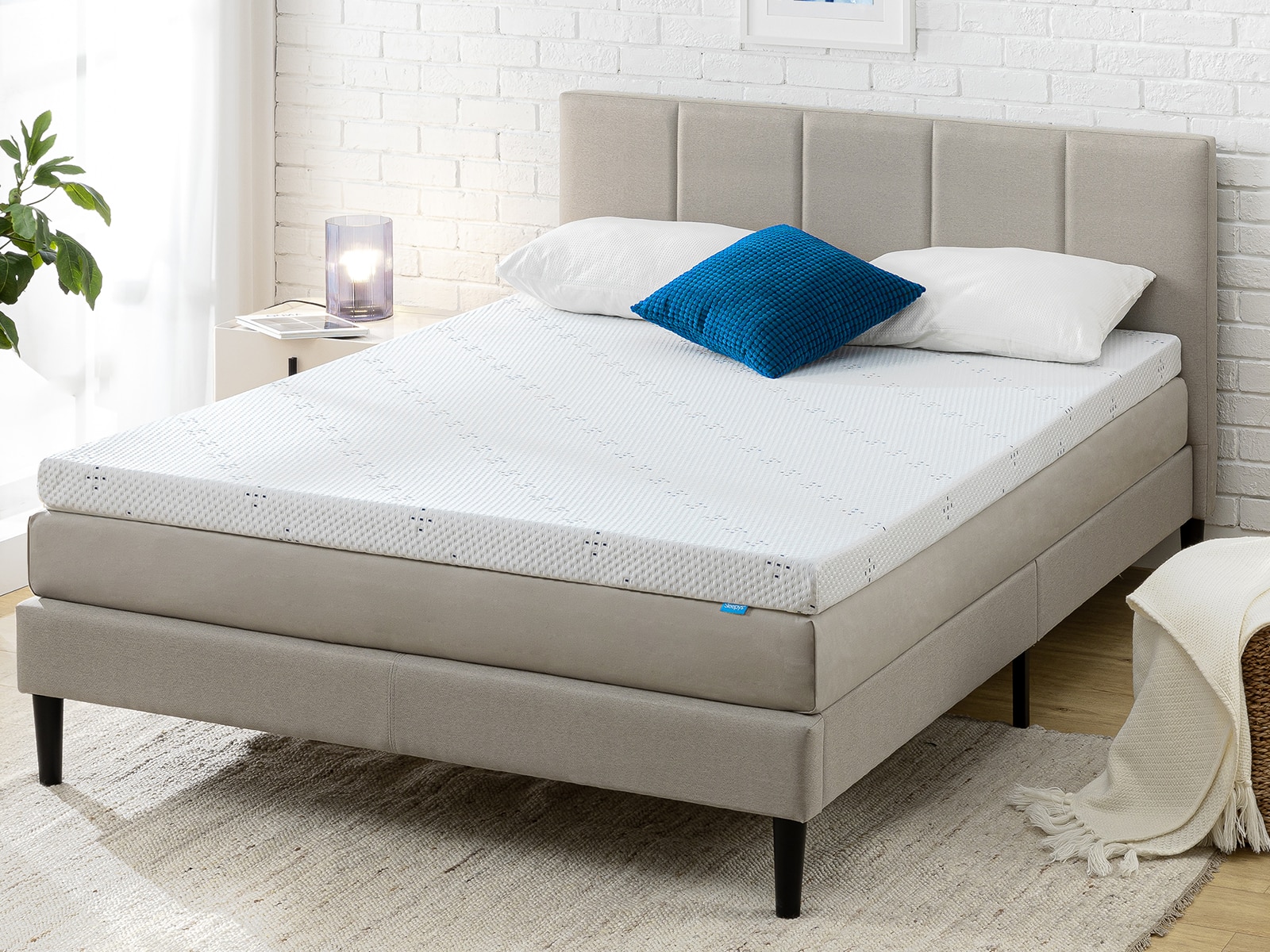
A soft bed topper is a removable layer of cushioning that rests on a mattress to make the sleep surface feel plusher. It can soften the first impression of a firm bed, add contouring around the shoulders and hips or create a more inviting place to settle in at night. The mattress underneath still provides the foundation, while the topper changes how that foundation feels against the body. This distinction matters: a topper can improve surface comfort, but it cannot repair deep sagging, broken components or an uneven mattress. It works best over a mattress that remains supportive but feels firmer than preferred. For example, a side sleeper whose shoulder feels crowded against a firm surface may appreciate cushioning that allows that area to settle in more gently. A back sleeper might prefer a softer surface with enough resilience to keep the hips from sinking too far. Stomach sleepers often need a more restrained amount of cushioning because excessive sink can make a comfortable position harder to maintain. These are starting points rather than fixed rules; body weight, mattress construction and personal preferences all affect the result. A plush feel should still allow comfortable movement, whether that means rolling onto another side or sitting up in bed. Softness also differs from the buoyant feel of a responsive material or the close contouring of slower-moving foam. A topper is generally thicker and more focused on changing comfort than a mattress pad, while a mattress protector is primarily intended to help shield the bed from everyday spills and soil. Understanding those roles makes it easier to choose a layer for a specific need, whether that is softening a firm primary bed, refreshing the feel of a supportive guest mattress or making a familiar sleep space feel more comfortable without replacing its foundation.
Materials shape the experience of a soft mattress topper as much as thickness does. Memory foam responds to pressure and gradually contours around the body, creating a cradling sensation that some sleepers enjoy at the shoulders, hips and lower back. Its slower response can feel noticeably different from latex, which typically compresses and rebounds more quickly. Latex can offer cushioning with a buoyant feel, making it worth considering for someone who wants softness without as much of a settled-in sensation. Latex formulations vary, so material descriptions matter, particularly for anyone with a known latex sensitivity. Fiber-filled toppers offer another kind of softness: a pillowy layer that compresses beneath the sleeper rather than closely tracing the body. Down, feather and down-alternative fills have distinct textures and care needs, and their construction affects how evenly the cushioning stays distributed. Some may benefit from regular fluffing to restore loft. Quilting or divided compartments can help limit fill movement, though the overall feel still depends on the amount and type of fill. Thickness alone does not establish softness. A thicker, denser layer can feel more substantial than a thinner, airy one, and the same topper may feel different on two mattresses. Body weight also changes how deeply a sleeper compresses the material. When comparing options, consider the balance between gentle cushioning and ease of movement rather than choosing by height alone. Fit deserves equal attention. Match the topper dimensions to the mattress, including distinctions such as twin versus Twin XL or king versus California King. Measure the combined height of the mattress and topper before choosing fitted sheets so the corners can stay secure without pulling tightly across the added cushioning. Straps, fitted skirts or textured undersides may help reduce shifting, depending on the design. For a shared bed, both sleepers’ preferences matter, especially when one enjoys a deep cradle and the other prefers a lighter layer. The
Best Bed Topper page offers another place to explore topper options while keeping those individual comfort needs in mind.
Everyday care helps a soft bed topper retain its comfort and keeps the sleep surface easier to maintain. Start with the care label, since a washable cover does not necessarily mean the cushioning inside can go into a washing machine. Foam and latex cores often require gentle spot cleaning rather than soaking, while fiber-filled constructions may have different washing and drying requirements. Use only the cleaning methods recommended for the material, and let every cleaned area dry fully before covering it with bedding. A removable cover can simplify routine upkeep, and a properly fitted mattress protector can add a barrier against spills without replacing the topper’s cushioning role. After unpacking a compressed topper, allow the recommended time for it to reach its intended shape before assessing its feel. Keep the surface flat and the edges aligned with the mattress, and rotate the topper only if its instructions recommend doing so. Some designs have a designated sleeping surface and should not be flipped. Over time, pay attention to whether the cushioning rebounds, whether fill stays evenly distributed and whether lasting depressions change the way the bed feels. Durability depends on material quality, construction, use and care, so a universal replacement schedule is less useful than checking the topper’s condition. If the underlying mattress develops a dip, adding more cushioning is unlikely to solve the problem. For a guest room, a soft topper can make a firm, supportive bed more welcoming, provided the finished bed remains easy to get into and out of. It can also be a thoughtful housewarming or college move-in gift when the recipient’s mattress size and comfort preferences are known. Because softness is personal, knowing whether someone likes pillowy loft, close contouring or a buoyant surface is more helpful than assuming that the thickest layer will suit them. The goal is a comfortable combination: cushioning that welcomes the body, a mattress that continues to support it and bedding that fits neatly over both.