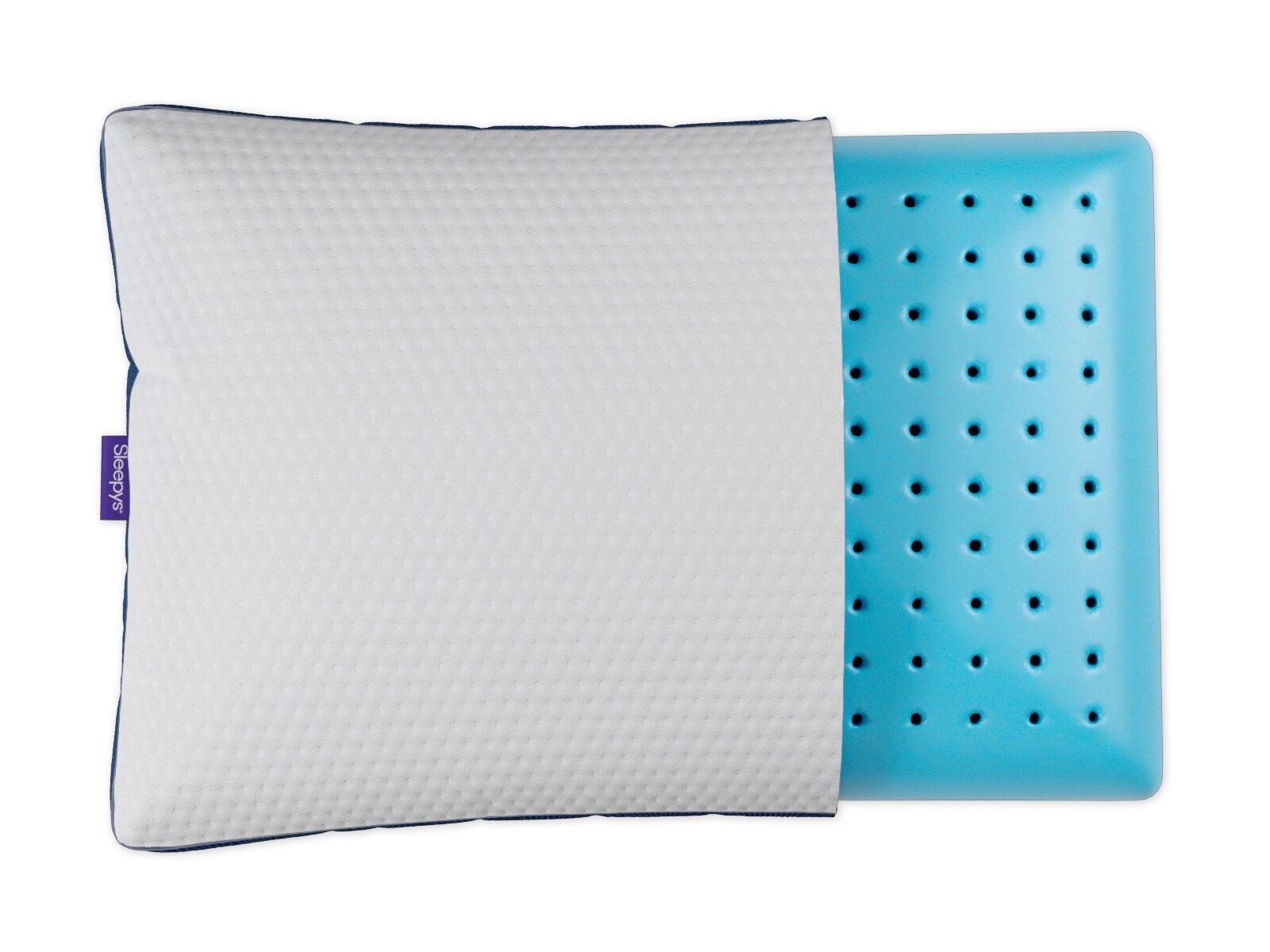
Soft memory foam mattress toppers for side sleepers add a contouring layer that can make a firm mattress feel more forgiving beneath the shoulders and hips. When someone settles onto their side, these areas carry much of the body’s contact with the bed. A softer surface lets them settle into the cushioning rather than press against it, helping distribute weight across a broader area. Memory foam responds gradually to pressure, creating a close, cradled feel instead of the springy lift associated with some other cushioning materials. That makes it appealing to sleepers who enjoy feeling nestled into their bed, especially when the mattress underneath still provides consistent support but feels too firm at the surface. The goal is gentle cushioning without so much sinkage that the pelvis drops noticeably below the rest of the body. Thickness plays a part in that balance: profiles around two to four inches are common options, with thinner layers offering a subtler adjustment and thicker layers creating a more pronounced change in feel. A two-inch topper may provide enough cushioning for someone who wants just a little more give, while a three- or four-inch profile may offer more room for the shoulder and hip to settle. Thickness alone does not determine comfort, however. Body weight, foam firmness and the condition of the mattress underneath all influence the result. A lighter sleeper may find substantial cushioning in a thinner, softer layer, while a heavier sleeper may compress that same foam more deeply. The most useful match cushions pressure points while allowing the mattress below to continue supporting the body. A topper can soften an otherwise sound sleep surface, but it cannot repair a sagging mattress, restore worn support layers or level out a deep body impression. Starting with a flat, supportive foundation gives soft memory foam a better opportunity to provide the surface comfort side sleepers are seeking.
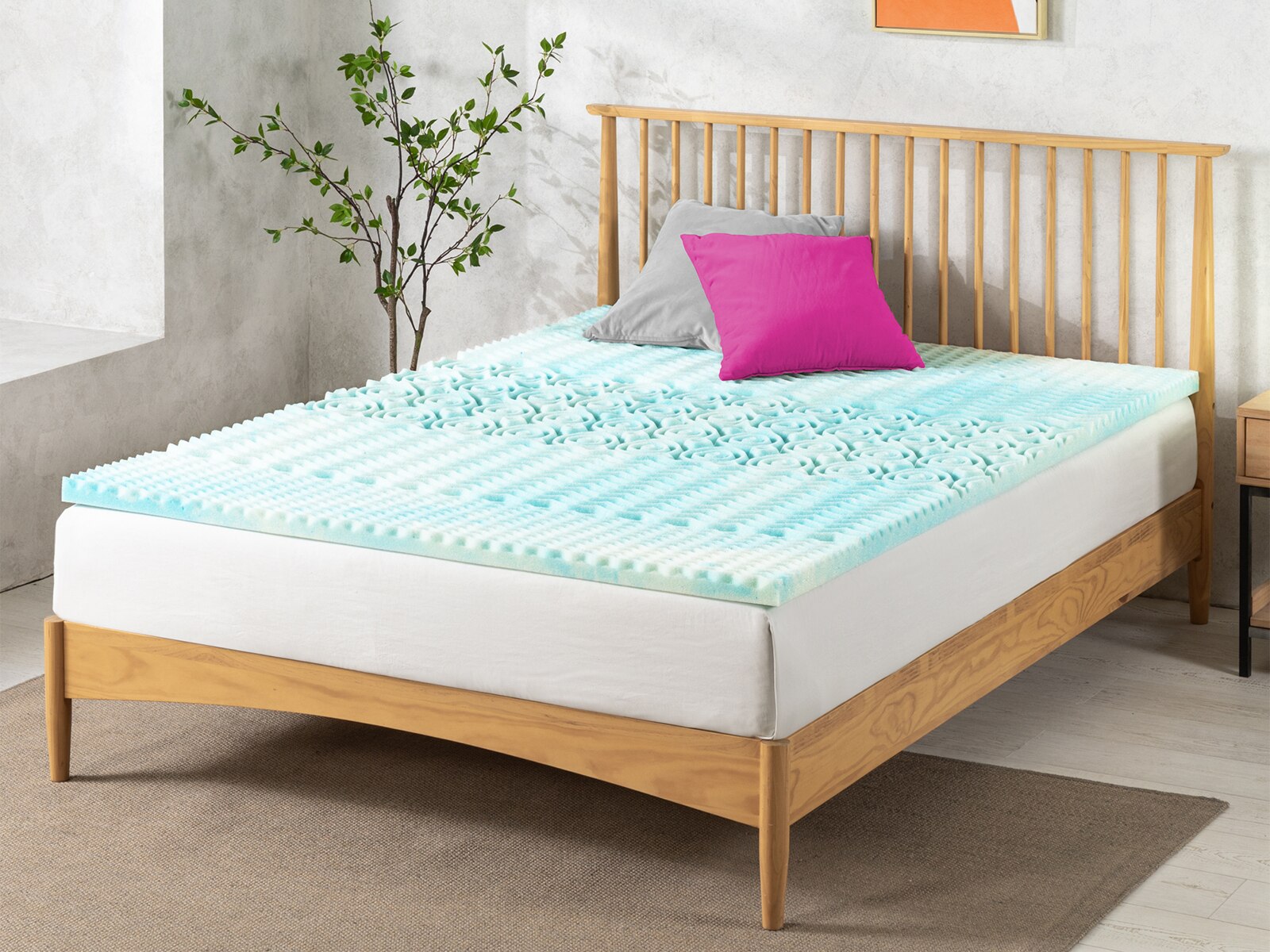
The construction of a memory foam topper shapes how that cushioning feels through the night. Some foam has a slower response that holds a gentle impression briefly after a sleeper changes position; other formulations recover more quickly and make turning over feel less restricted. For someone who sleeps almost entirely on one side, a close contour may feel comfortably enveloping. A person who alternates between sides or rolls onto their back may prefer cushioning that releases more readily with movement. Foam density and firmness describe different characteristics: density refers to the amount of material within a given volume, while firmness describes how resistant the foam feels to compression. A denser foam is not automatically firmer, and a very soft feel does not by itself indicate how well a topper will hold up. Material quality, construction, care and the amount of compression during use all contribute to durability. Surface design matters, too. Ventilation channels, perforations and breathable covers can encourage airflow, while gel or other infusions may be included to influence how the foam manages warmth. Those features should be considered alongside the complete bedding setup rather than treated as a guarantee of a particular sleeping temperature. A thick protector or tightly woven sheet can change the feel of the surface, including how closely the foam contours. Partners may also appreciate memory foam’s ability to absorb some movement, although a topper will not eliminate motion traveling through the mattress or bed frame. Sleep position remains an important consideration when choosing softness. Someone who spends part of the night on their stomach may need less sinkage beneath the hips than a dedicated side sleeper. The related collection of
Mattress Toppers For Side And Stomach Sleepers offers another way to explore this balance. For any combination sleeper, comfort depends on how the entire sleep surface responds as positions change, not simply how plush the topper feels at first touch.
A well-fitting topper should sit evenly across the mattress without bunching, stretching beyond the edges or leaving an uncomfortable gap along the side. Matching the labeled mattress size is the starting point, but checking the actual dimensions is helpful, especially with an existing mattress that has slightly different measurements. Added height also changes the fit of bedding. A deeper fitted-sheet pocket may be needed to accommodate both the mattress and topper without pulling tightly across the foam and limiting its ability to contour. Corner straps, an elasticized skirt or a textured underside can help keep the layer in place, depending on its construction. These details are useful for sleepers who change positions frequently or sit on the edge of the bed while getting ready. A removable, washable cover can simplify everyday care, but the cover and foam often require different cleaning methods. Care directions should be checked before either component is washed. Memory foam generally should not be soaked or placed in a washing machine unless the manufacturer specifically permits it; gentle spot cleaning and complete air drying are commonly required. A compatible mattress protector can help limit contact with spills and perspiration while preserving the topper’s intended feel. Letting newly unpacked foam expand for the recommended period helps it reach its intended shape before bedding is added. Over time, checking for persistent flattening, cracking or areas that no longer recover can help reveal when the cushioning has changed. Rotating the topper may encourage more even wear if its care instructions allow it, while flipping is appropriate only for designs intended for use on both sides. These layers can serve adults refreshing a supportive mattress, side sleepers furnishing a guest room or couples seeking a softer shared surface. The lasting benefit comes from a thoughtful match: enough contouring to welcome the shoulder and hip, a secure fit that stays comfortable beneath the sheets and care suited to the material.