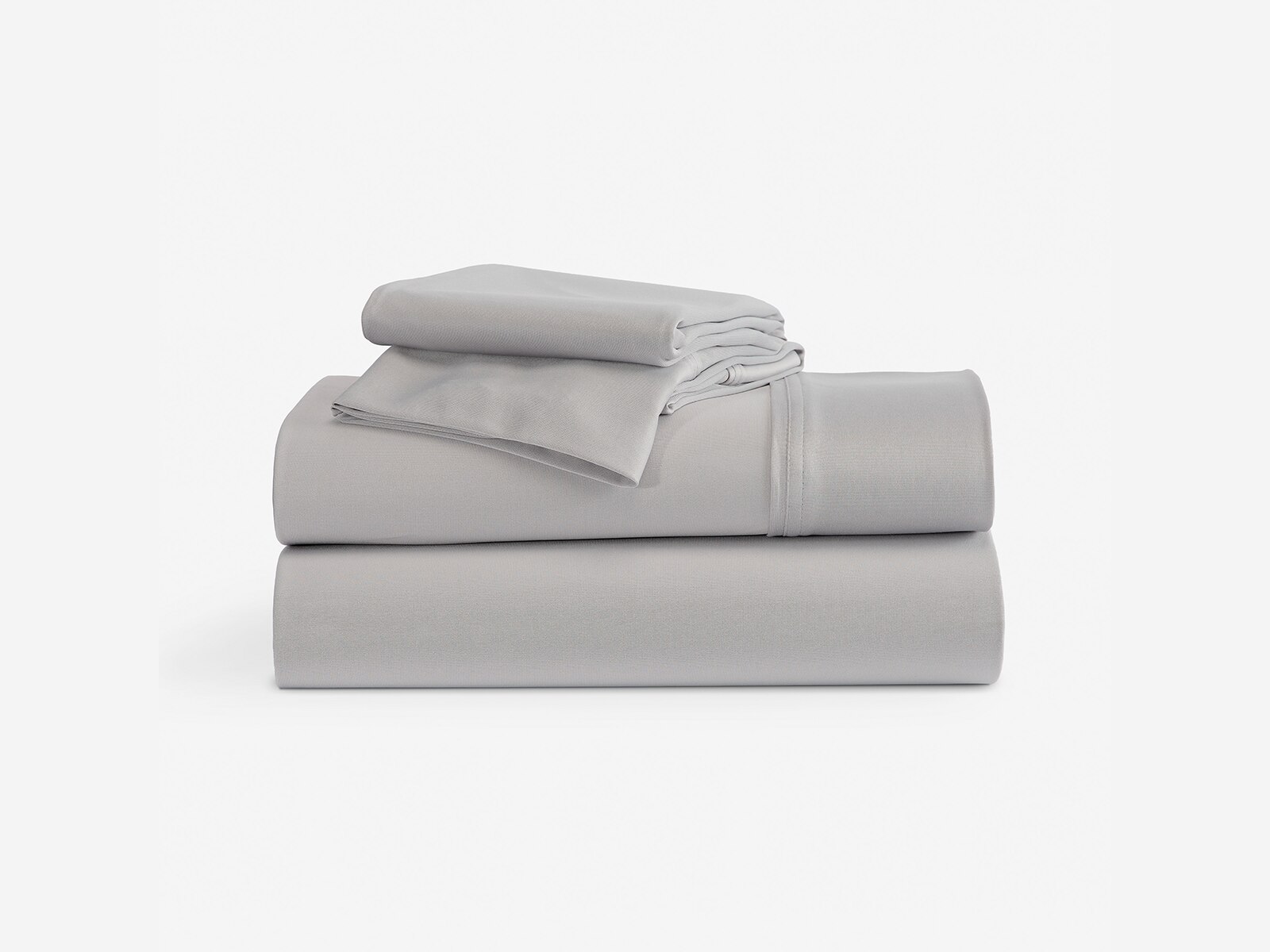
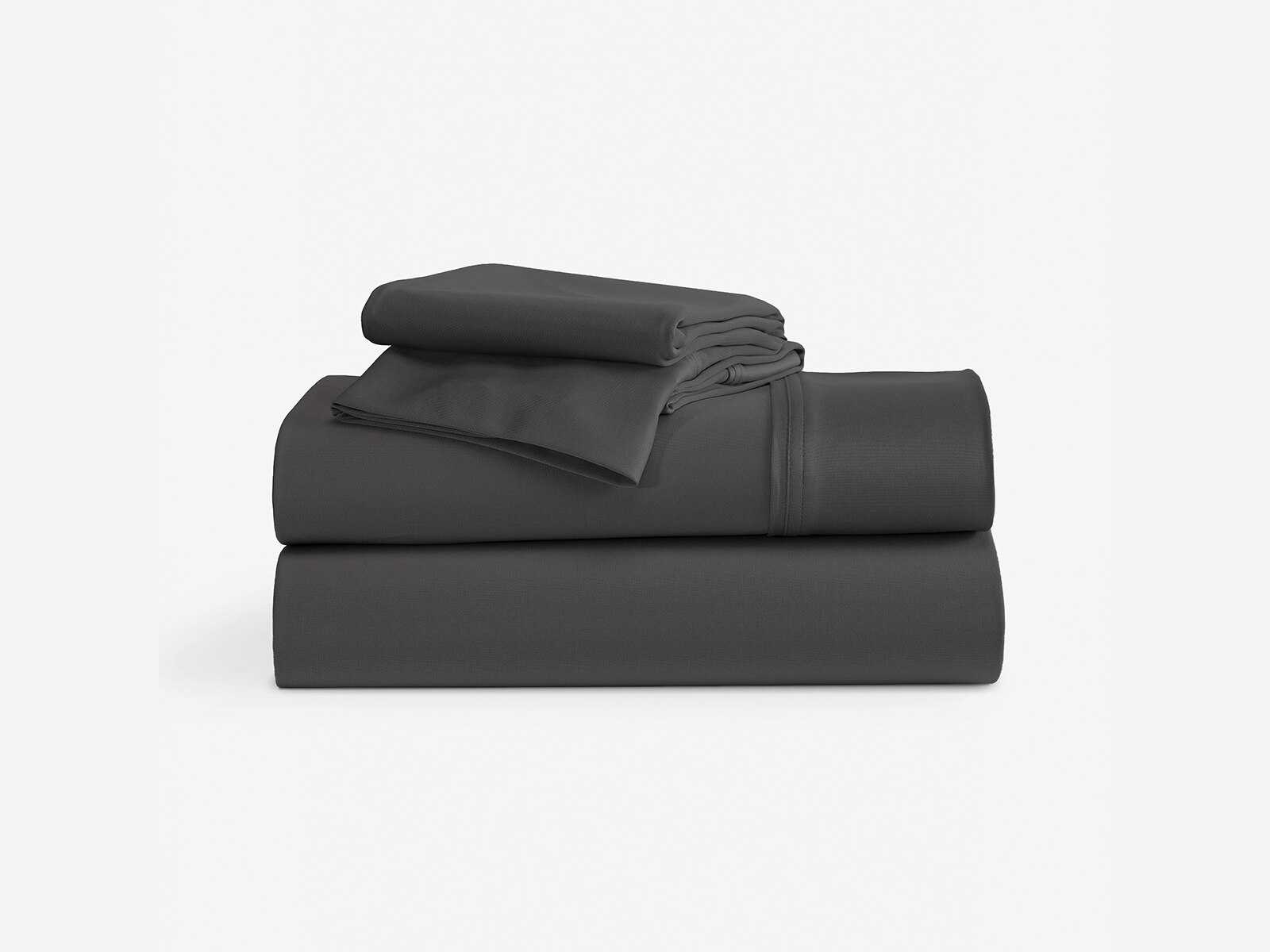
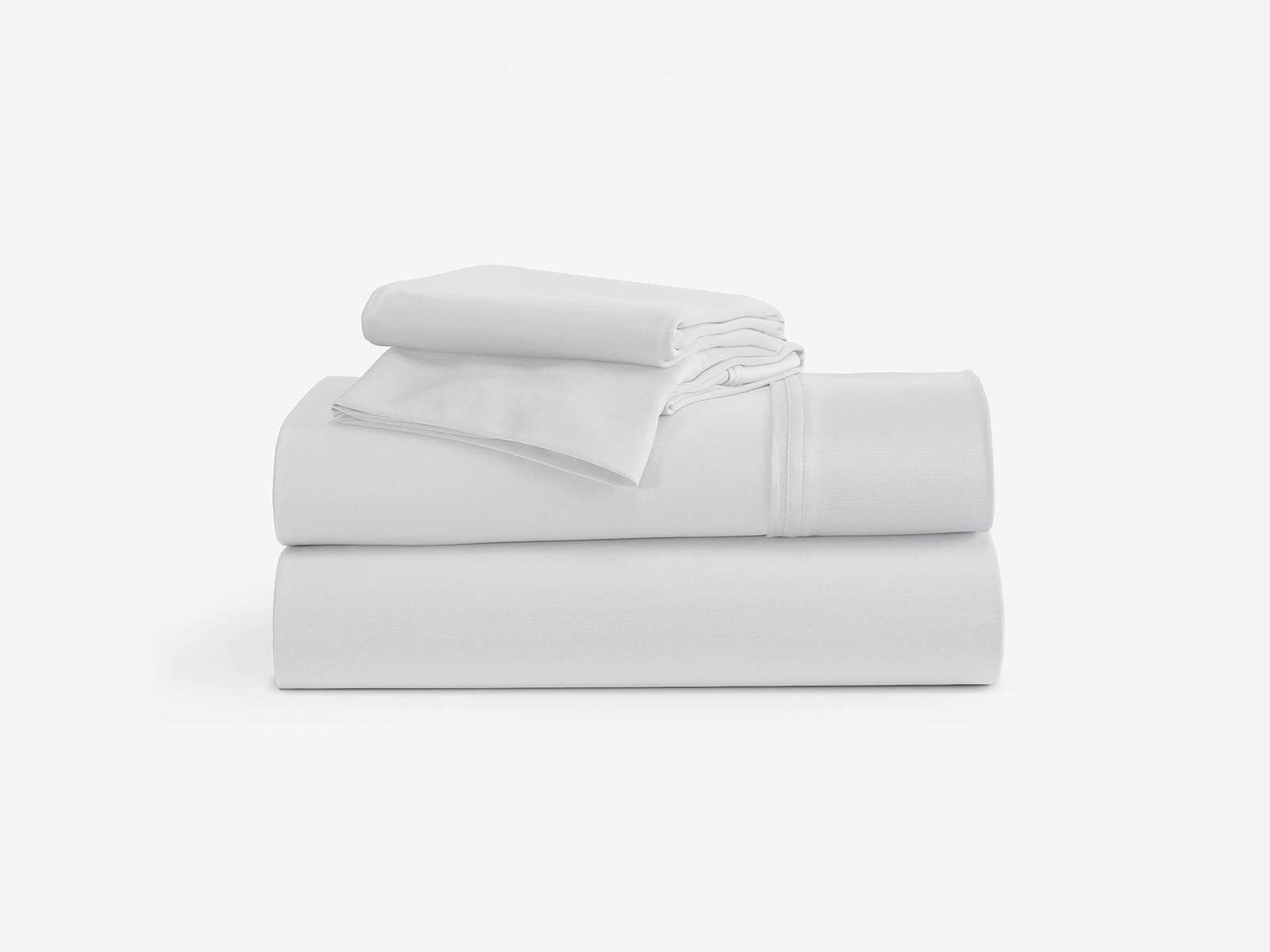
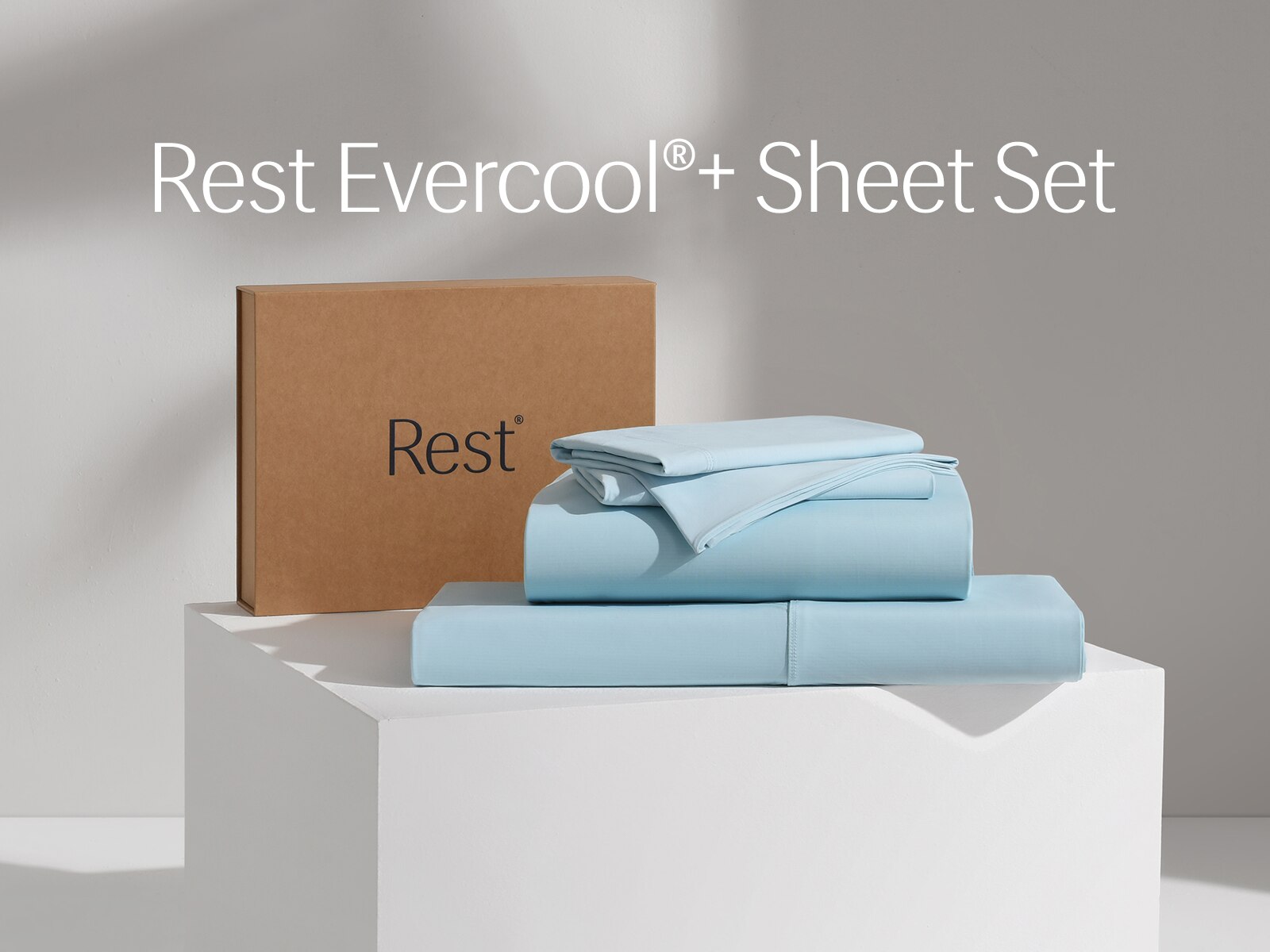
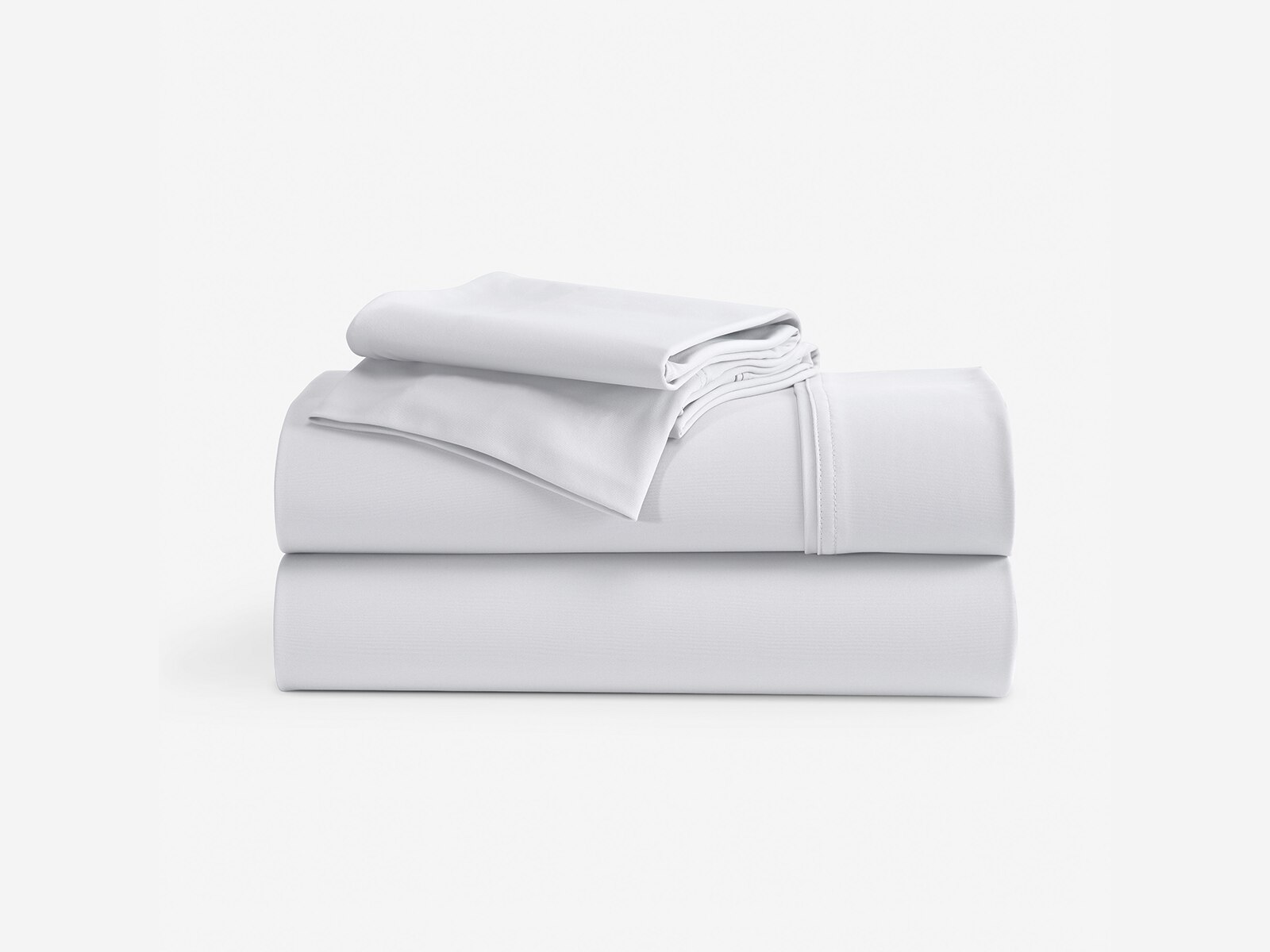
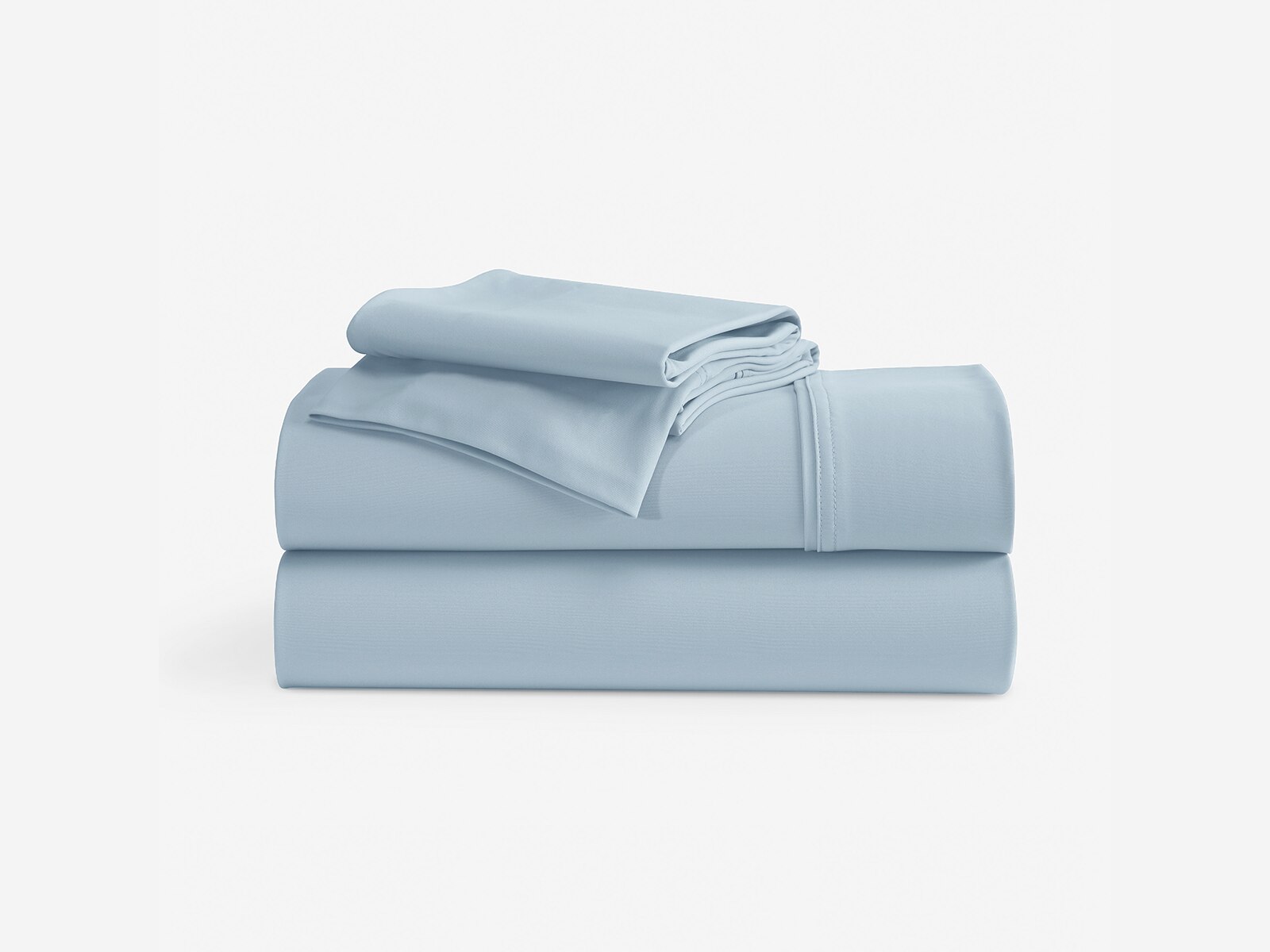
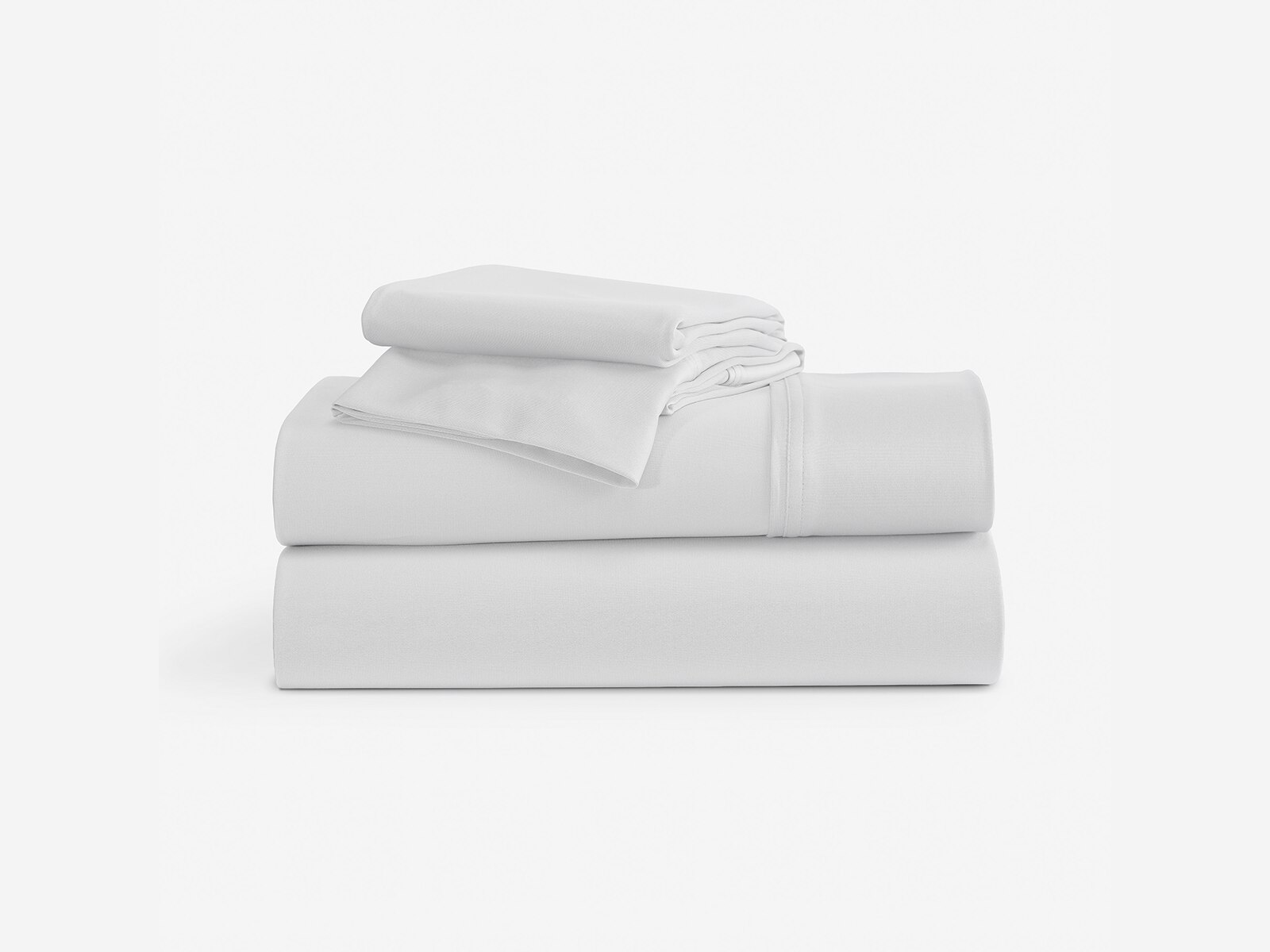
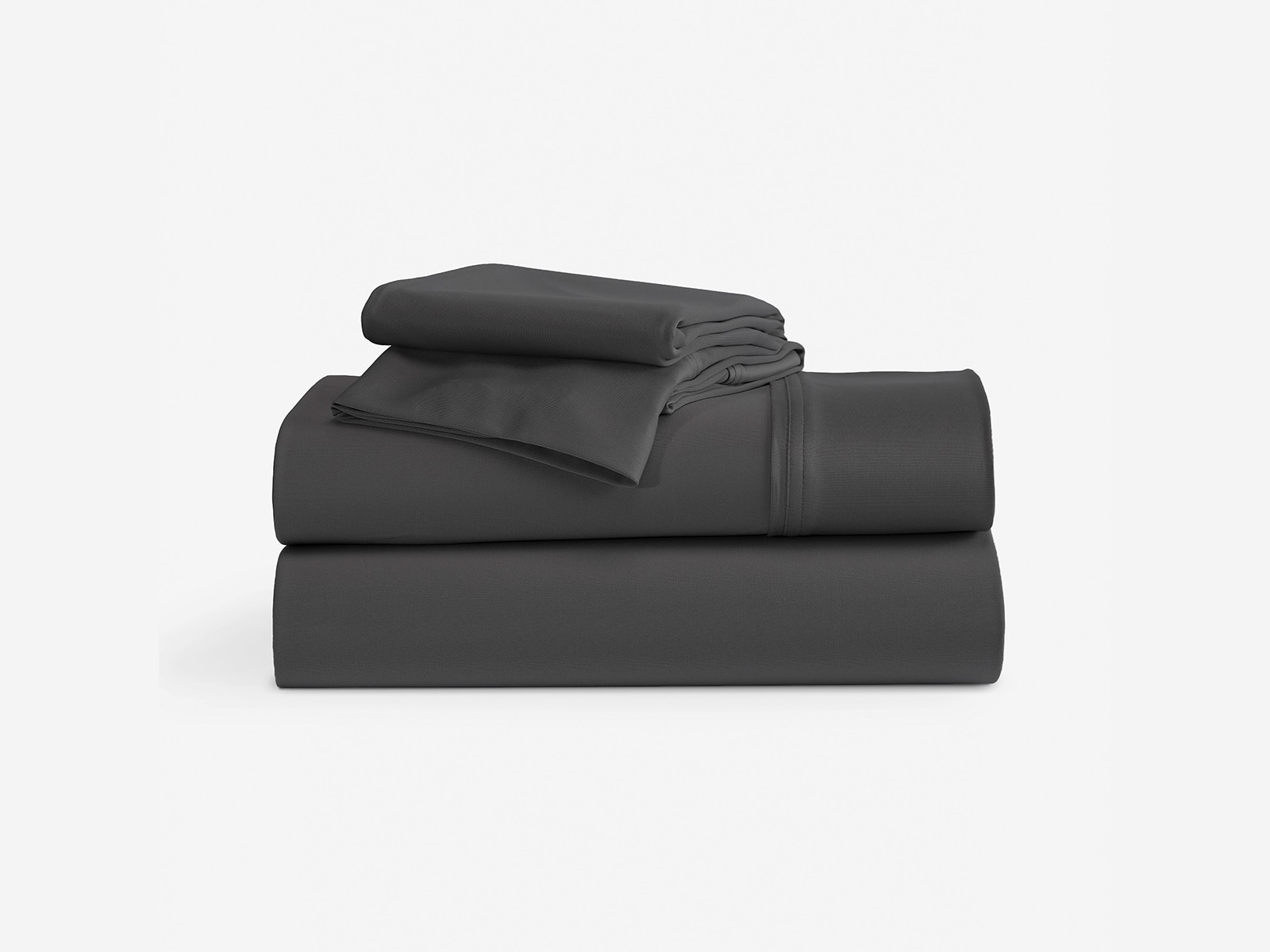
The softest moisture-wicking sheets combine a gentle feel against the skin with fabric construction that helps move perspiration away from the body. Softness and moisture management are separate qualities: a sheet can feel silky without moving moisture effectively, while a highly absorbent fabric may hold moisture rather than release it quickly. Wicking describes how moisture travels through a fabric; drying describes how that moisture evaporates. Breathability, or how readily air passes through the material, also contributes to comfort. The balance among these properties matters more than any single fiber name or thread count. Lyocell often has a smooth surface and fluid drape, making it appealing to sleepers who dislike a rough or stiff feel. Viscose made from bamboo can also have a silky texture, though its moisture performance depends on the yarn, weave and finishing process rather than the plant source alone. Cotton offers a familiar softness and absorbs moisture readily, but how dry it feels depends on fabric weight, construction and drying conditions. A cotton percale weave generally feels lighter and crisper, while sateen usually has a smoother surface and a more closely draped feel. Polyester and blended fabrics may use specially shaped fibers or performance finishes to encourage moisture movement, so the material label tells only part of the story. Product descriptions that explain both fabric composition and moisture-management features are more informative than a broad claim of softness. For someone who wakes with a damp feeling behind the knees or along the back, the goal is a soft surface that handles perspiration without feeling heavy or clingy. Someone who mainly dislikes scratchy bedding may place greater emphasis on smooth yarns and a supple weave. The softest choice is ultimately personal: some sleepers prefer the almost weightless touch of a fine, smooth fabric, while others find comfort in a slightly fuller sheet that settles gently around the body. Neither preference requires an unusually high thread count, and a dense weave is not automatically better at managing moisture.
Fit gives those fabric qualities room to work. A smooth, properly fitted sheet feels different from one that gathers beneath the hips or pulls loose at a corner each time someone turns over. Mattress size is the starting point, but mattress depth is just as important. The depth measurement should include any topper that sits beneath the fitted sheet, and the sheet’s stated pocket depth should accommodate that full height. A queen mattress with a substantial topper may need a different pocket depth than a queen mattress without one. Strong elastic and well-shaped corners help the fitted sheet stay in place, while an excessively loose fit can leave folds that bunch beneath the body. Twin XL and California King beds also require attention to their specific dimensions rather than an assumption that a similarly named size will fit. For an adjustable base, enough fabric depth and secure corners help accommodate the mattress as it bends; compatibility still depends on the bedding and mattress specifications. Flat-sheet dimensions affect how much fabric remains available for tucking and how comfortably two people can share the bed. Pillowcase dimensions deserve the same attention, particularly with taller pillows that need enough room to retain their shape. These practical details matter for people who perspire during sleep, couples with different fabric preferences and anyone who wants a soft surface without adding a bulky layer. Moisture-wicking sheets can also suit a guest room, where an easy-care fabric and dependable fit make bed changes simpler. As a gift for a new home or a college move, sheets are most useful when the recipient’s mattress dimensions, preferred texture and laundry routine are known. A silky drape is not everyone’s favorite, and someone who loves a crisp cotton feel may value that familiar texture more than a glossy finish. Color and pattern can complete the room, but comfort starts with how the fabric feels and how securely it fits through ordinary movement.
Care and durability determine whether soft moisture-wicking sheets remain comfortable beyond the first few nights. The care label is the best starting point because laundering requirements vary among fibers, blends and finishes. Some fabrics tolerate routine machine washing and low-heat drying, while others need a gentler cycle or different drying method. More detergent does not necessarily mean cleaner bedding; excess detergent can leave residue that changes the hand feel and may interfere with moisture movement. Fabric softeners and dryer sheets can also leave coatings that affect the performance of some moisture-managing textiles, so their use should follow the sheet manufacturer’s recommendations. Washing sheets separately from towels, garments with exposed zippers and other abrasive fabrics helps limit friction, snagging and surface wear. Prompt attention to spills and regular laundering help keep body oils from accumulating, while avoiding unnecessary heat can protect fibers and elastic. Removing sheets when the recommended drying cycle is complete also reduces needless tumbling. Durability is visible in details such as even stitching, secure hems and elastic that recovers after stretching. Longer, smoother fibers may be less prone to forming surface fuzz than shorter fibers, although yarn quality and fabric construction remain important. Pilling is not simply a sign that a sheet lacks softness; friction, laundering and the interaction of different fibers can all contribute. Likewise, a very soft finish at first touch does not establish how the fabric will feel after repeated washing. Clear care information and specific construction details provide a better basis for comparison. Keeping a second set in rotation makes regular laundering easier and allows each set to dry fully before it returns to the bed. The most satisfying choice brings together a texture worth settling into, moisture handling suited to the sleeper and care requirements that fit everyday life. For another collection centered on the same balance of softness and moisture management, explore
Fall Moisture Wicking Sheets.