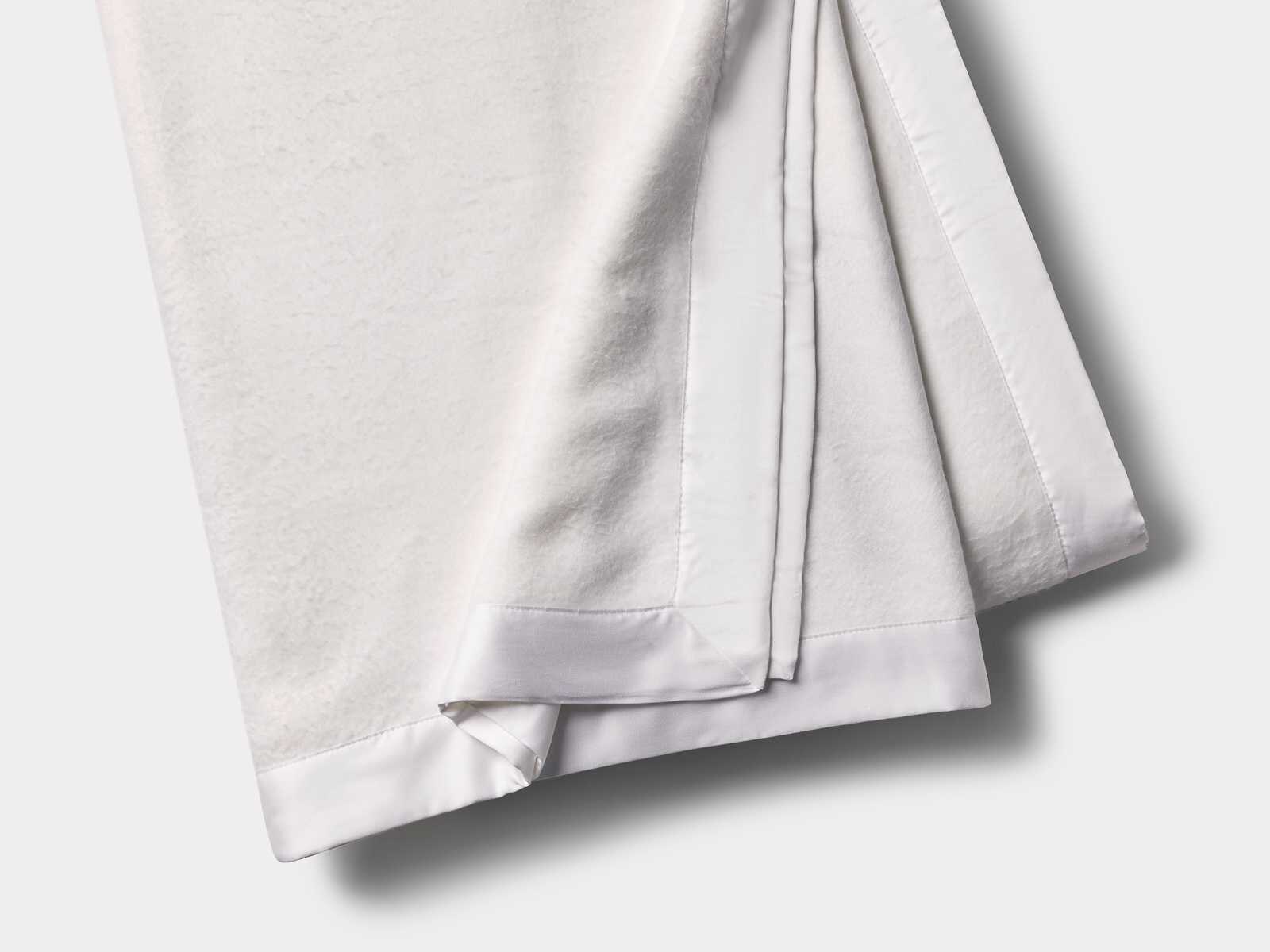
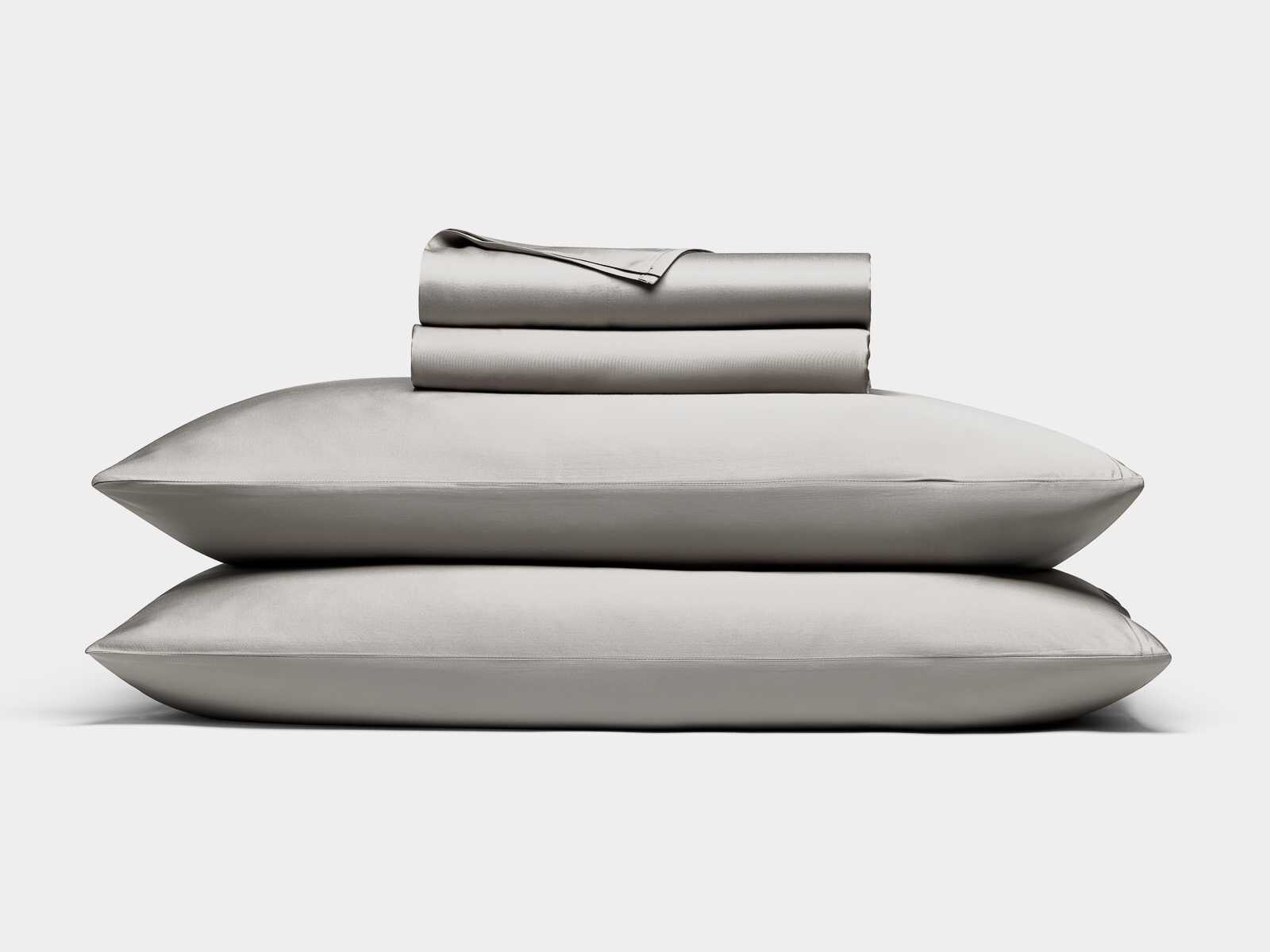
Solid color bedding uses a single main hue rather than a printed pattern, creating a versatile foundation for sheets, pillowcases, duvet covers, comforters and quilts. Its appeal comes from the way color and texture work together: an ivory bed can look crisp with smooth cotton sheets or relaxed with a softly rumpled linen cover. Without a busy print competing for attention, details such as stitched channels, a woven border or a subtle ribbed finish become more noticeable. This makes solid bedding a natural fit for many bedroom styles, from a simple room with pale wood furniture to a layered space with an upholstered headboard and richly colored accents. White, cream and soft gray provide a quiet backdrop, while navy, charcoal and deep brown add visual depth. Muted blue, dusty mauve and terracotta introduce color without requiring a patterned centerpiece. Matching every layer is not necessary. A cream sheet folded over a taupe duvet creates gentle contrast, and a lighter pillowcase can keep a dark bed covering from feeling visually heavy. For a more unified look, different shades of the same color create depth while maintaining a consistent palette. The room’s existing finishes matter, too: the undertone in a wall color, rug or wood bed frame can influence whether a fabric looks balanced in the space. Soft cream often sits comfortably beside honey-colored wood, while charcoal can echo dark hardware or a black bed frame. Pairing bedding with
Solid Color Blankets adds another layer of texture without introducing a competing print. A blanket folded across the foot of the bed can repeat a color from nearby artwork or provide a subtle contrast to the main covering. Because solid colors work with both patterned and unpatterned accents, they also make it easier to refresh a bedroom by changing a few smaller details rather than replacing the whole arrangement.
The feel of solid color bedding depends on the fiber, weave and finishing—not just its appearance. Cotton is a familiar choice for an everyday bed because it can offer softness, breathability and straightforward care, though the exact feel varies by construction. Cotton percale has a plain weave with a crisp, matte finish, while cotton sateen generally feels smoother and has a gentle sheen. Jersey is knitted rather than woven, giving it a relaxed stretch similar to a favorite T-shirt. Linen has a more textured surface and a naturally rumpled appearance that suits a less tailored bed; it often becomes softer with repeated laundering. Polyester microfiber typically has a fine, smooth feel and tends to resist wrinkles, although its moisture handling differs from that of cotton or linen. Blended fabrics combine characteristics from more than one fiber, so the fiber percentages help explain what to expect. Thread count alone does not establish quality or comfort. Fiber quality, yarn construction, stitching and finishing also affect how bedding feels and holds up to regular use. Solid colors make these tactile differences especially visible: a smooth sateen surface reflects light differently from a matte percale weave, even when both fabrics are similar shades. For a bed used every night, practical construction details deserve attention alongside softness. Even seams, neatly finished edges and secure closures can support repeated use, while care requirements should fit the household’s routine. A large comforter may need more washer space than a removable duvet cover, and some decorative textures require gentler handling. Following the care label helps protect both the fabric and its color. Washing deep shades separately when directed, avoiding more detergent than needed and drying according to the instructions can help reduce residue, fading and unnecessary wear. For someone who prefers a freshly smoothed bed, wrinkle resistance may matter more than a relaxed drape. Someone who enjoys visible texture may find a softly creased finish part of the appeal.
Fit determines how comfortably bedding functions and how neatly it sits on the bed. Mattress size is the starting point, but measurements provide a clearer picture than the size name alone. A fitted sheet needs enough pocket depth to accommodate the mattress and any topper beneath it; a sheet that is too shallow may pull loose at the corners, while excess fabric can bunch across the sleeping surface. Twin XL mattresses require additional sheet length compared with twin mattresses, and king and California King dimensions are not interchangeable. Flat sheets, quilts and comforters also vary in their finished measurements, so the amount of fabric hanging over the sides can differ even among pieces labeled for the same bed size. On a taller mattress, a wider covering may create a more balanced drape, while a lower platform bed may suit a shorter overhang that stays clear of the floor. A duvet cover should closely match its insert, and interior ties can help keep compatible inserts from shifting. Pillowcase dimensions matter as well, especially when a bed combines standard and king pillows. Beyond measurements, the best arrangement reflects how the space is used. An everyday bedroom may benefit from washable layers that can be changed independently, while a guest room can feel welcoming with a simple, coordinated palette and an extra folded blanket within reach. For a shared bed, separate lightweight layers give each sleeper more flexibility without disrupting the overall look. Solid bedding can also make a thoughtful housewarming, wedding or graduation gift when the recipient’s mattress size, fabric preferences and care routine are known. A neutral shade may be easier to coordinate than a strong accent color, but the recipient’s style remains the better starting point. Households with pets may prefer a shade that makes shed hair less noticeable and a fabric finish that is less prone to snagging. A spare set of sheets can make laundry day easier, keeping the bed ready while another set is being washed. Together, a comfortable fabric, dependable fit and well-chosen color give solid bedding its lasting usefulness.