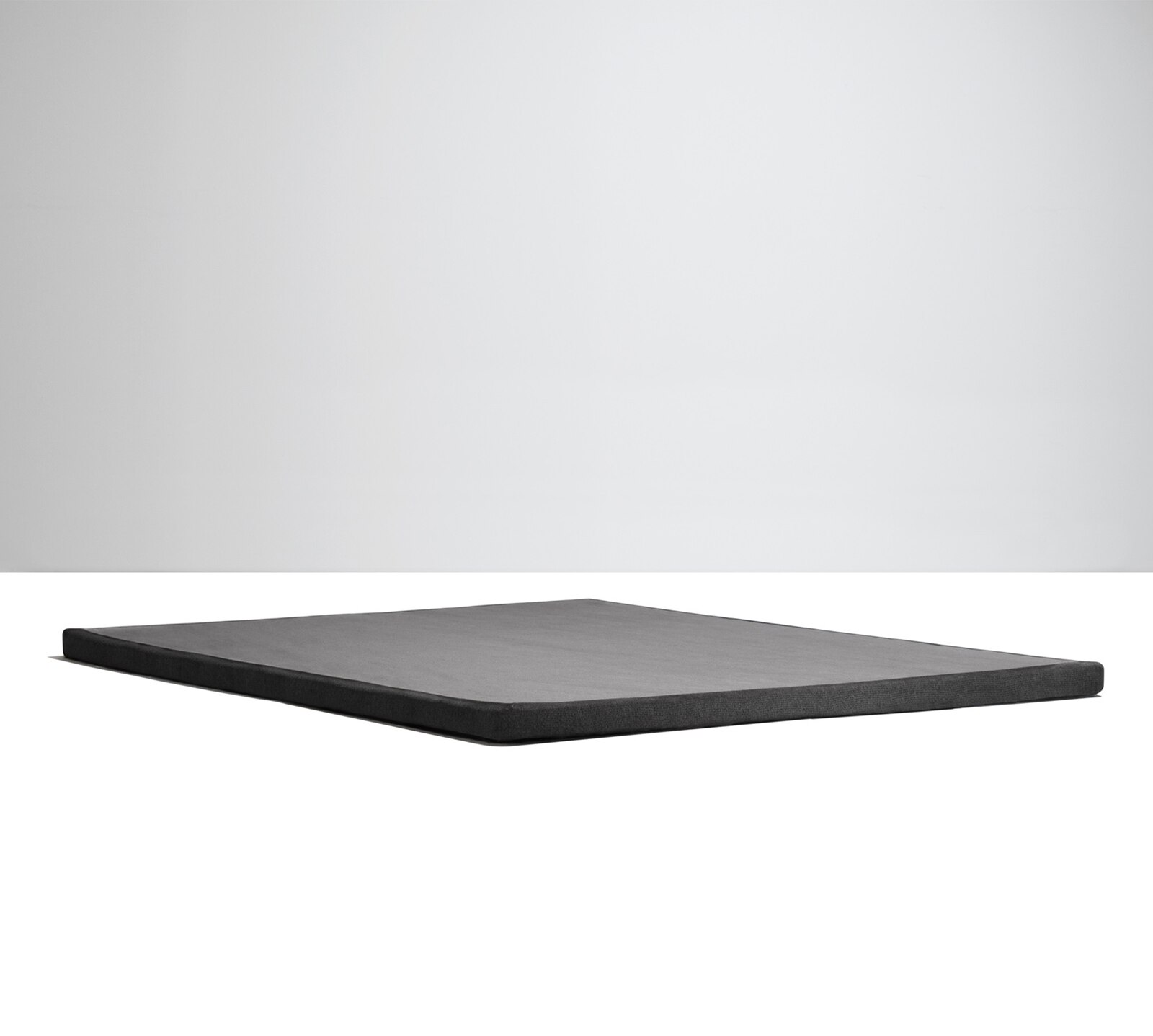
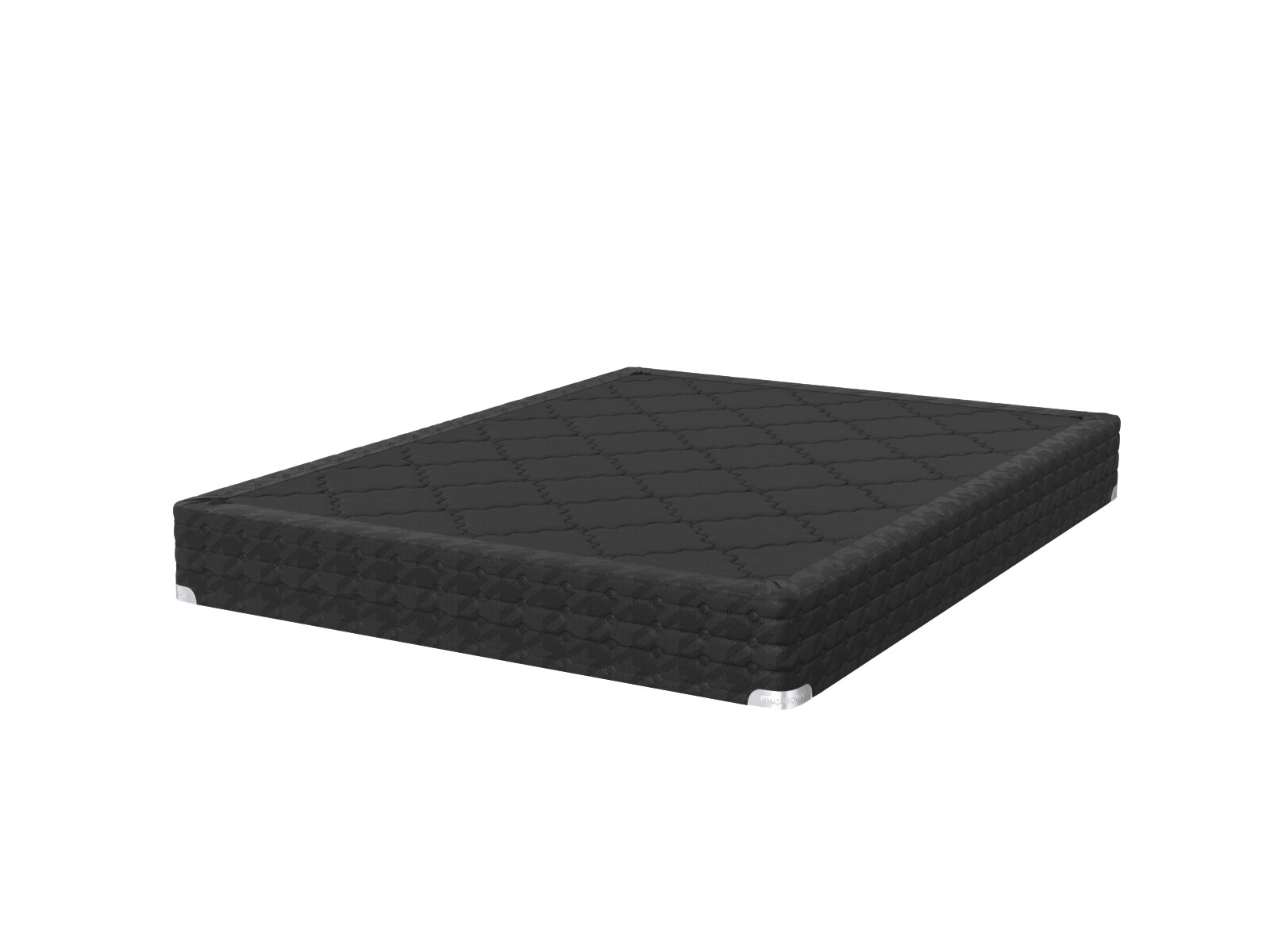
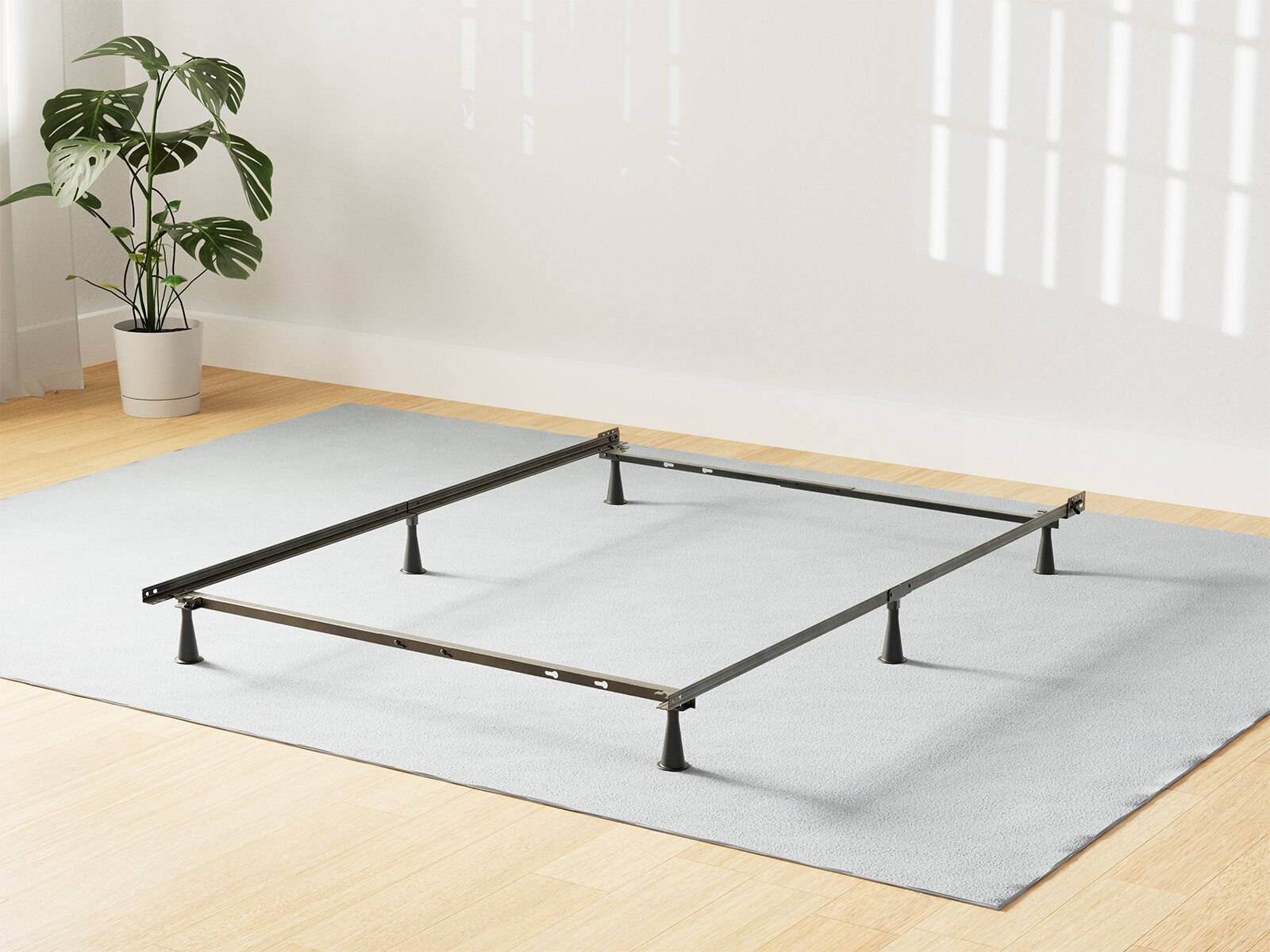
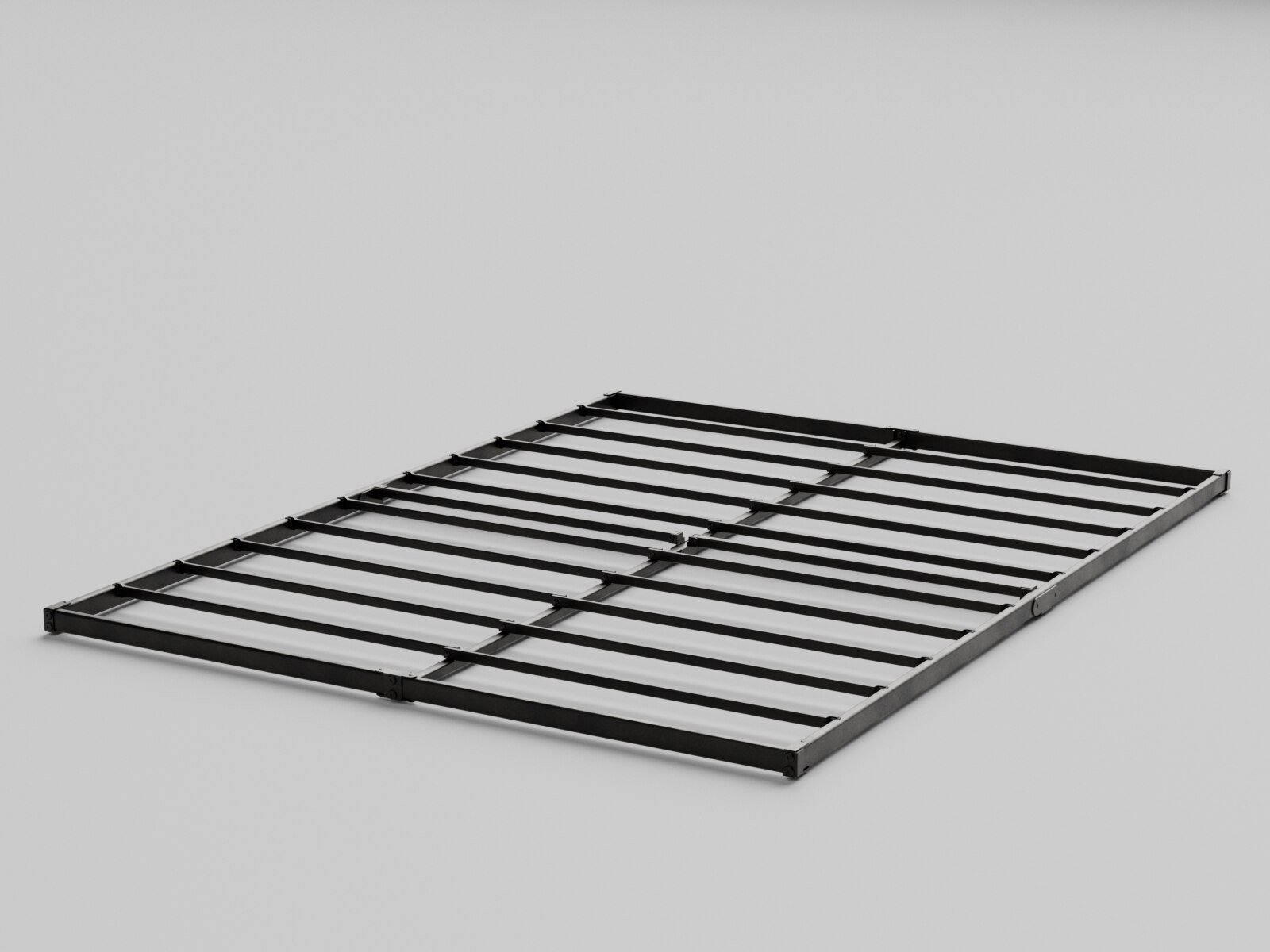
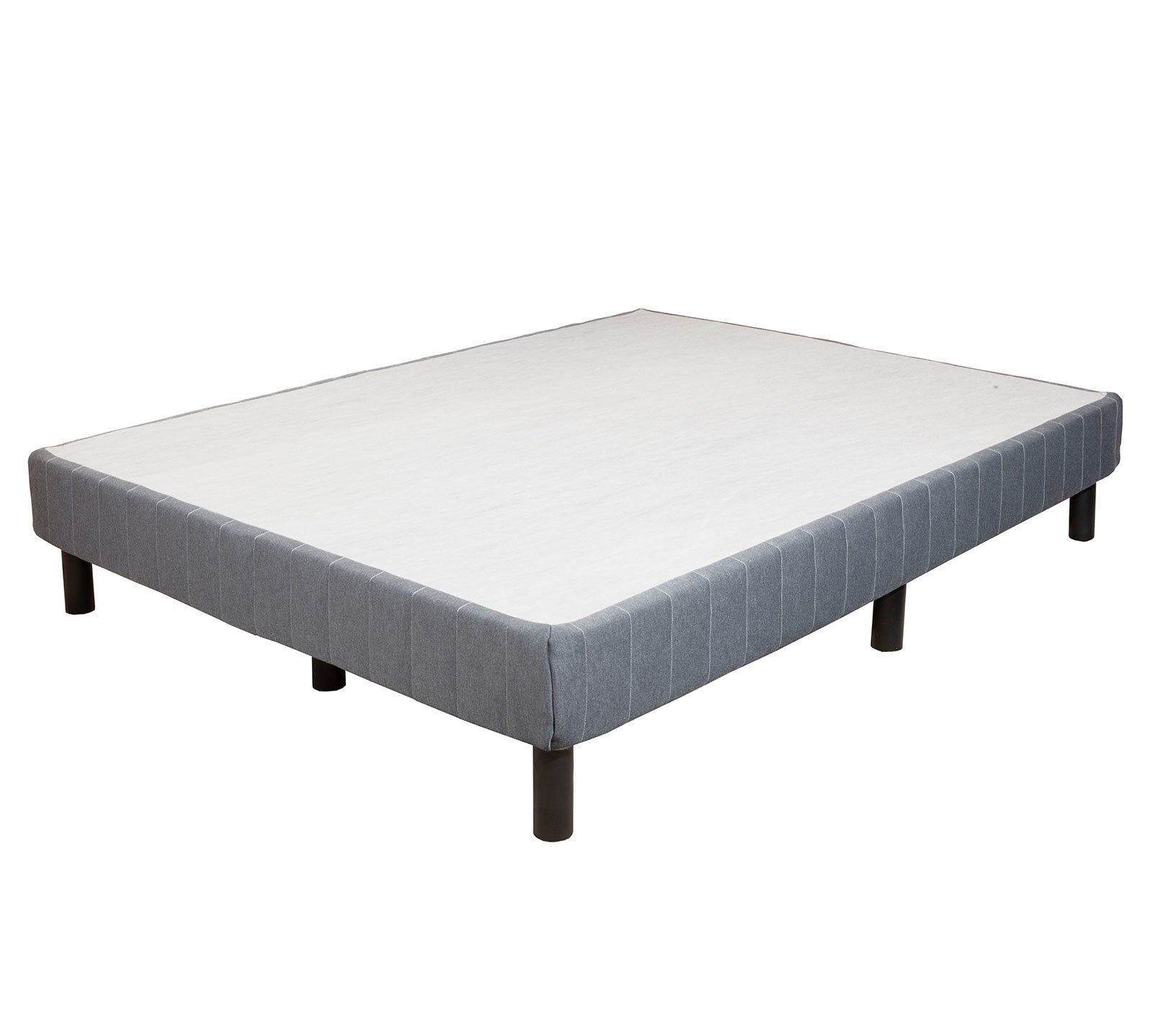
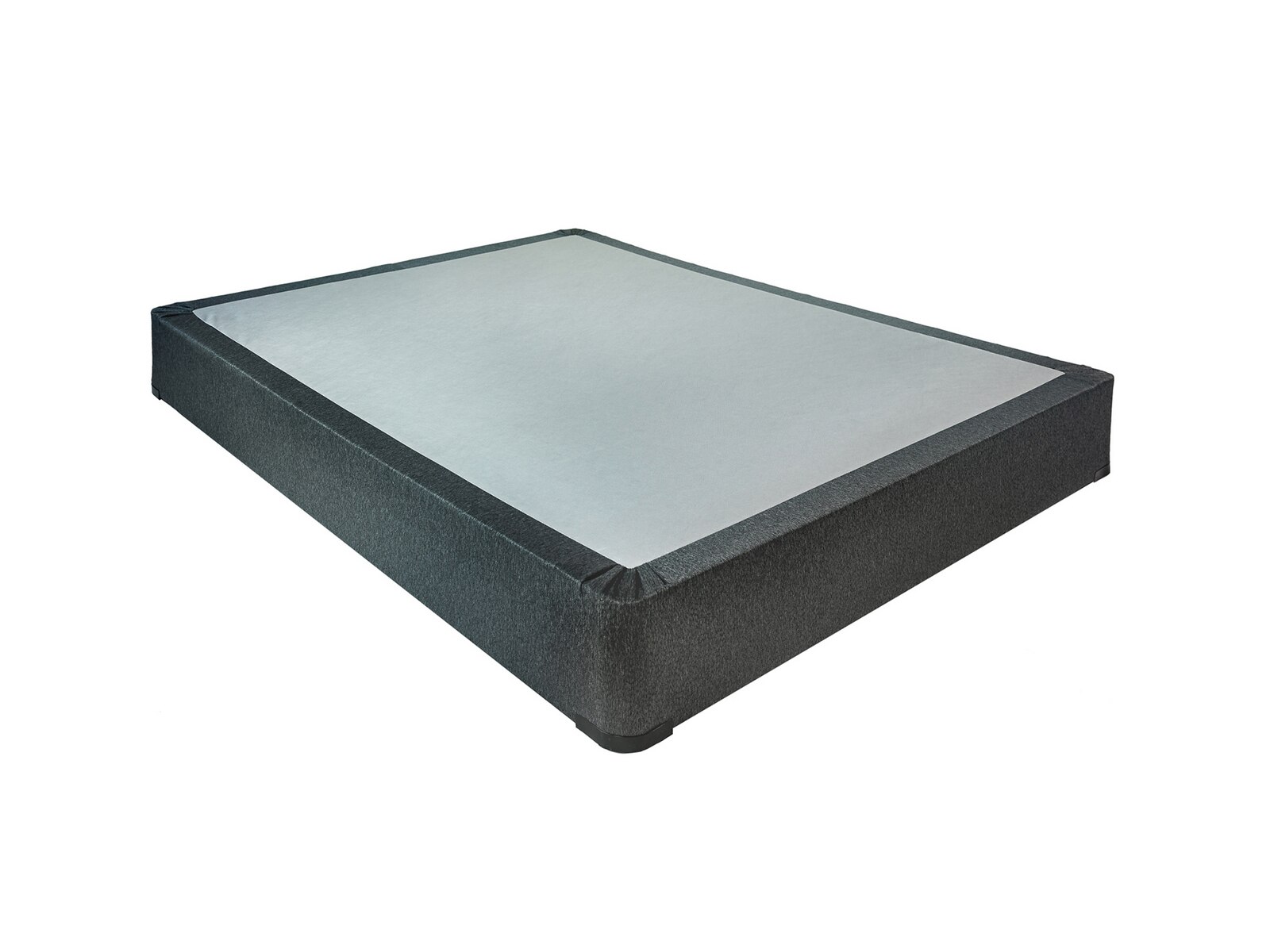
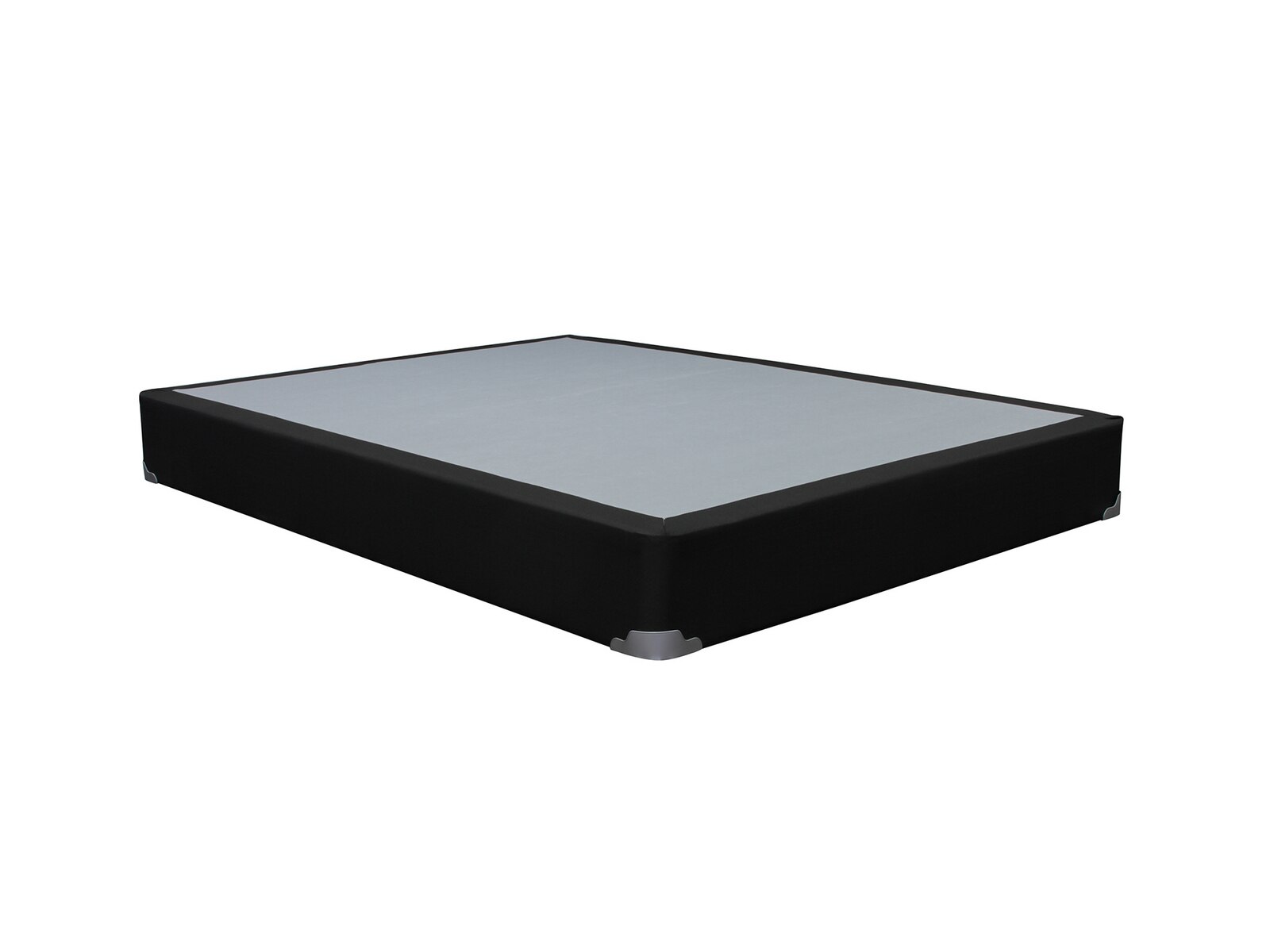
Solid flat bed foundations provide a firm, level surface beneath a mattress without the flexible coils found in many traditional box springs. They are designed for today’s memory foam, latex and hybrid mattresses, which generally perform best on stable support that helps maintain their shape from edge to edge. Depending on the design, a foundation may use a solid wood deck, a closely spaced wood slat system or a sturdy metal grid. These structures are intended to limit movement beneath the mattress and help reduce the dips that can develop when a mattress rests on an uneven or overly flexible base. A solid flat bed foundation can also be a practical choice when replacing an older box spring, refreshing a guest room or furnishing a new bedroom during a move. The clean, straightforward design works with many bed frames and bedroom styles, while a covered foundation can provide a more traditional appearance. For shoppers who want to keep the total bed height more manageable, low-profile foundations can make it easier to sit down, get up and change sheets, especially when paired with a taller mattress. Standard-height options add more space beneath the bed and can create the familiar feel of a raised bed. As you compare choices, consider the mattress size, the height of the finished bed and whether the foundation will be placed inside a frame, on a platform or directly on another support surface. A twin foundation may suit a child’s room, a compact guest space or a first apartment, while queen, king and California King foundations typically need additional structural support through the center to help keep the surface level.
Compatibility is one of the most important details when selecting a solid flat bed foundation. Start by checking the mattress manufacturer’s support requirements, including the permitted foundation type, the maximum space between slats and any weight limits that apply to the mattress and sleepers together. Many foam mattresses need slats spaced no more than three inches apart so the material does not press into the gaps over time. A foundation with a fully solid deck may be appropriate for certain mattresses, while another mattress may call for ventilation beneath it and work best with a tightly spaced slat or metal-grid design. The word “solid” often describes the firm, non-flexing feel of the support surface rather than a single uninterrupted board, so reviewing the construction details is worthwhile. Look for slats that remain securely in place, reinforced corners and a frame that does not twist when it is moved. For larger sizes, a strong center beam and center legs or another form of vertical support can help prevent the middle of the foundation from bowing. Weight capacity should include the mattress, bedding and everyone who will use the bed, not just the sleeper’s body weight. It is also helpful to check the assembled dimensions, door and stairway clearance, package size and whether assembly requires more than one person. Some foundations arrive in sections that are easier to carry through a narrow hallway and connect in the bedroom. Others have a heavier, more substantial build that may take additional time to position. A stable foundation should feel secure when you turn over or sit on the edge, with minimal shifting, rattling or squeaking. If the mattress is still covered by a warranty, keep the care instructions and purchase information, and confirm that the selected foundation meets the warranty’s support standards before setting up the bed.
A solid flat bed foundation can be useful for more than a primary bedroom. It can give a guest room a finished, comfortable setup without the bulk of a traditional box spring, and it can help prepare a room for visiting family during the cooler months. It may also be a thoughtful housewarming gift for someone settling into a new home, particularly when paired with the practical essentials that make a bedroom feel complete, such as supportive pillows, breathable sheets and a warm comforter. For a child moving into a larger bed, a dependable foundation can create a steady base that is simple to maintain. In a college apartment or compact city bedroom, a low-profile design can preserve walking space while keeping the mattress at an accessible height. Shoppers who need to maximize storage may prefer a taller foundation that leaves room beneath the bed for neatly contained seasonal bedding, while those with a deep mattress may favor a shorter option to avoid an overly high sleep surface. Before purchasing, measure the bed frame’s interior opening rather than relying only on the advertised mattress size, since small differences in dimensions can affect how neatly the pieces fit together. Confirm that the foundation is intended for the mattress size you own, especially with split king configurations or adjustable bed arrangements, which may require specialized support. When the foundation arrives, place it on a level surface, secure every connection and inspect the support points before adding the mattress. A well-matched base can help create a more even sleep surface, make the bed feel more stable and support the mattress as it is used night after night. For bedrooms where floor space, storage or ease of setup matters most, explore
Compact Bed Foundations as another way to build a comfortable, efficient sleep setup.