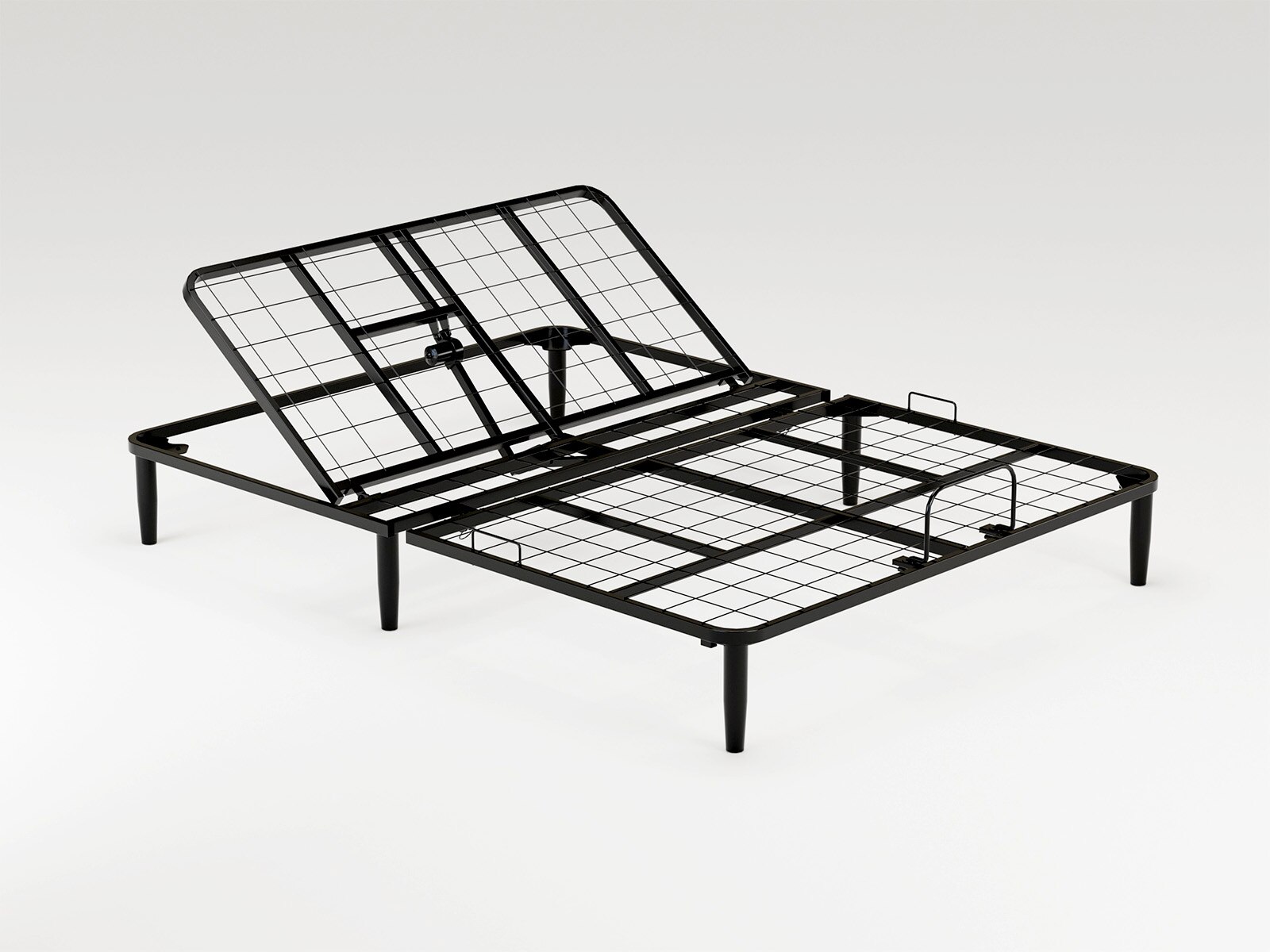
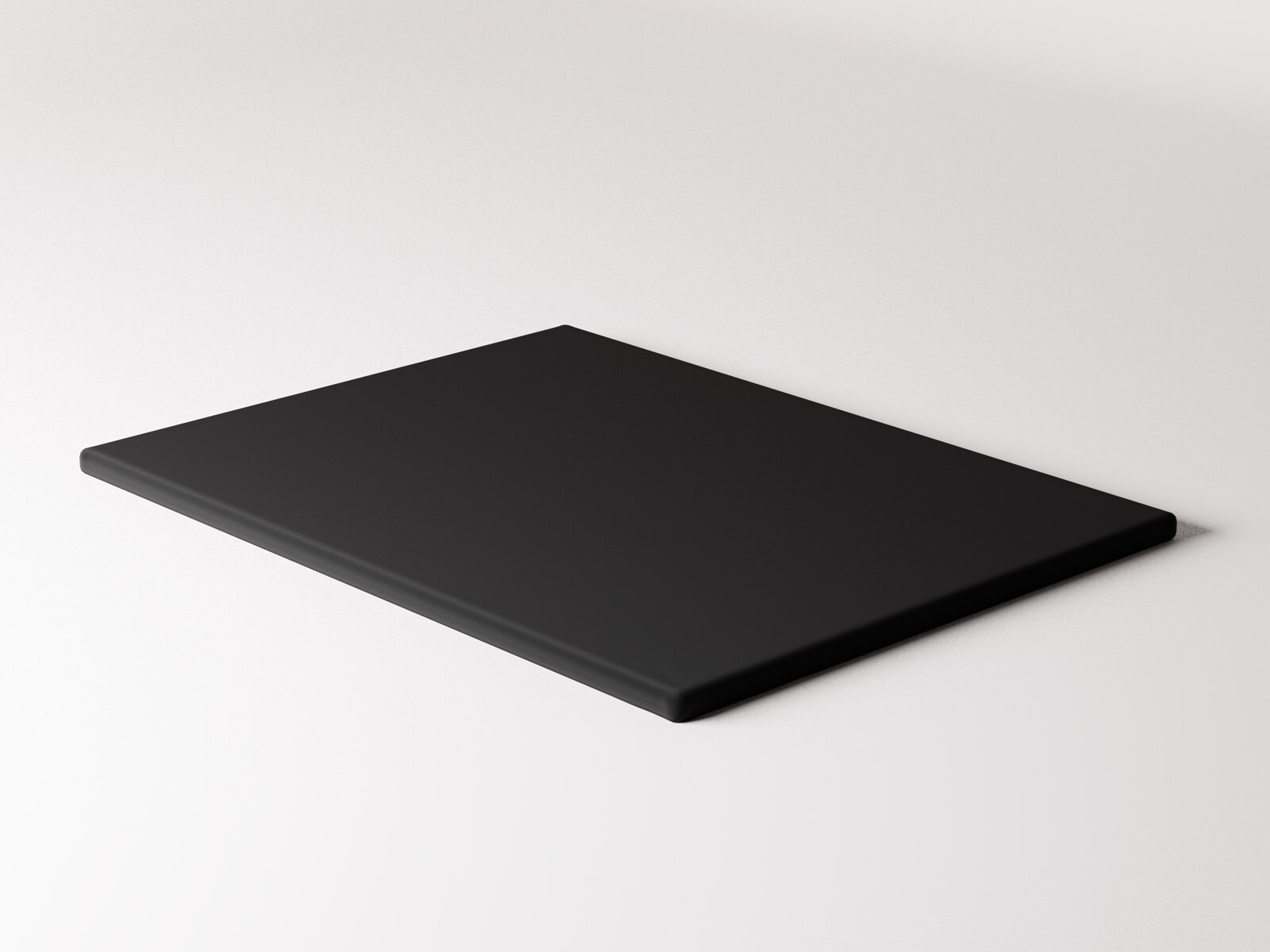
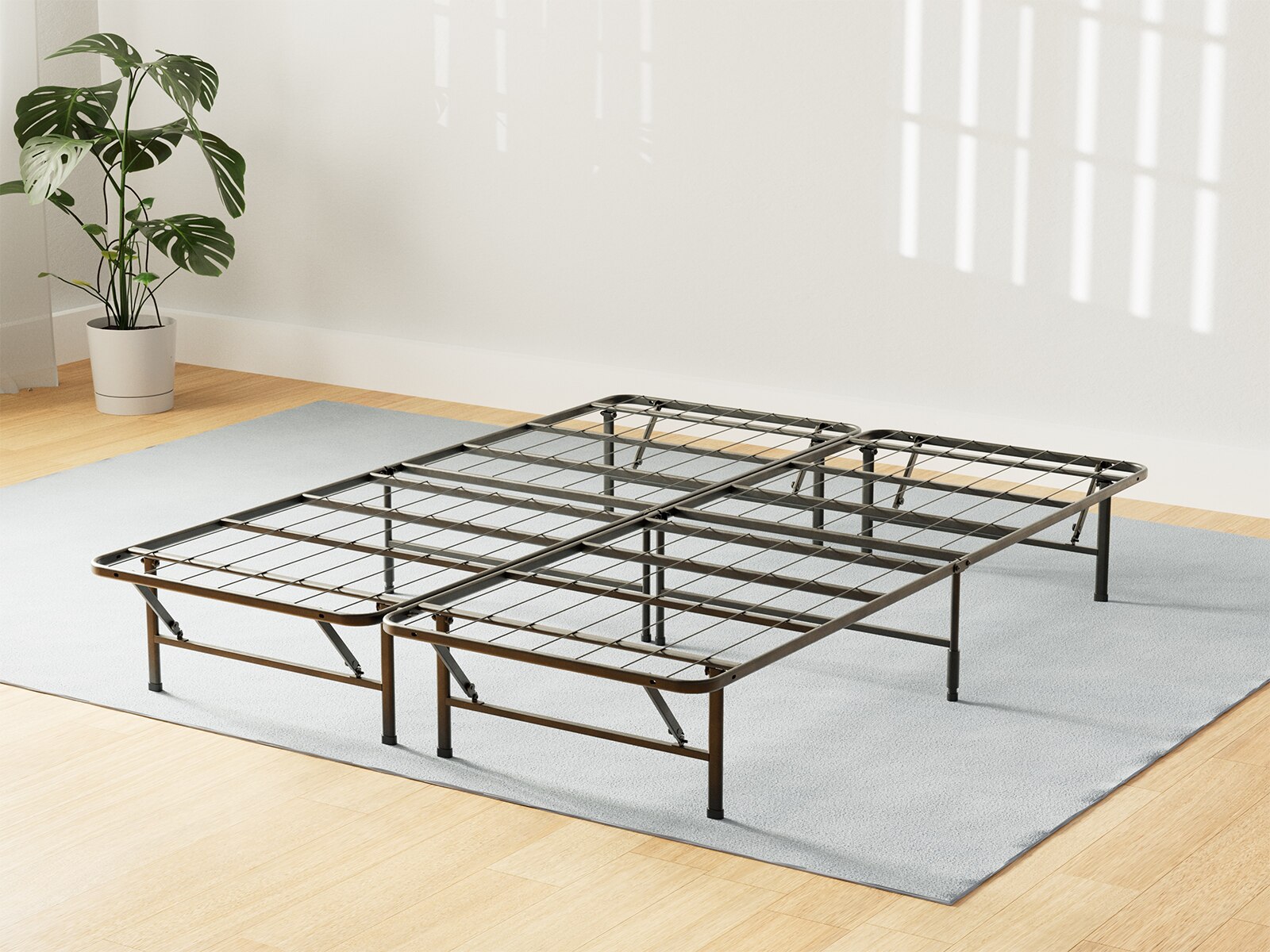
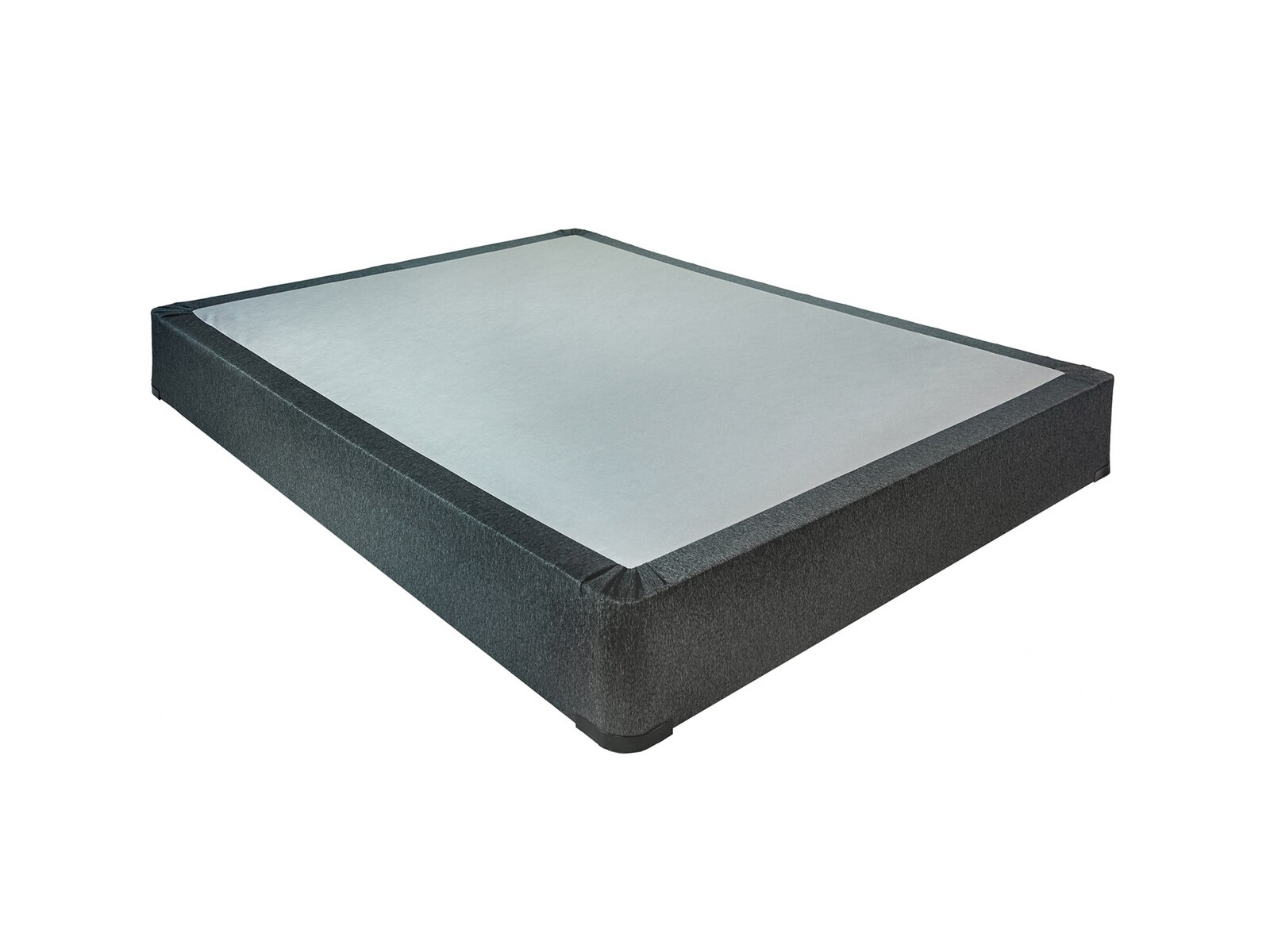
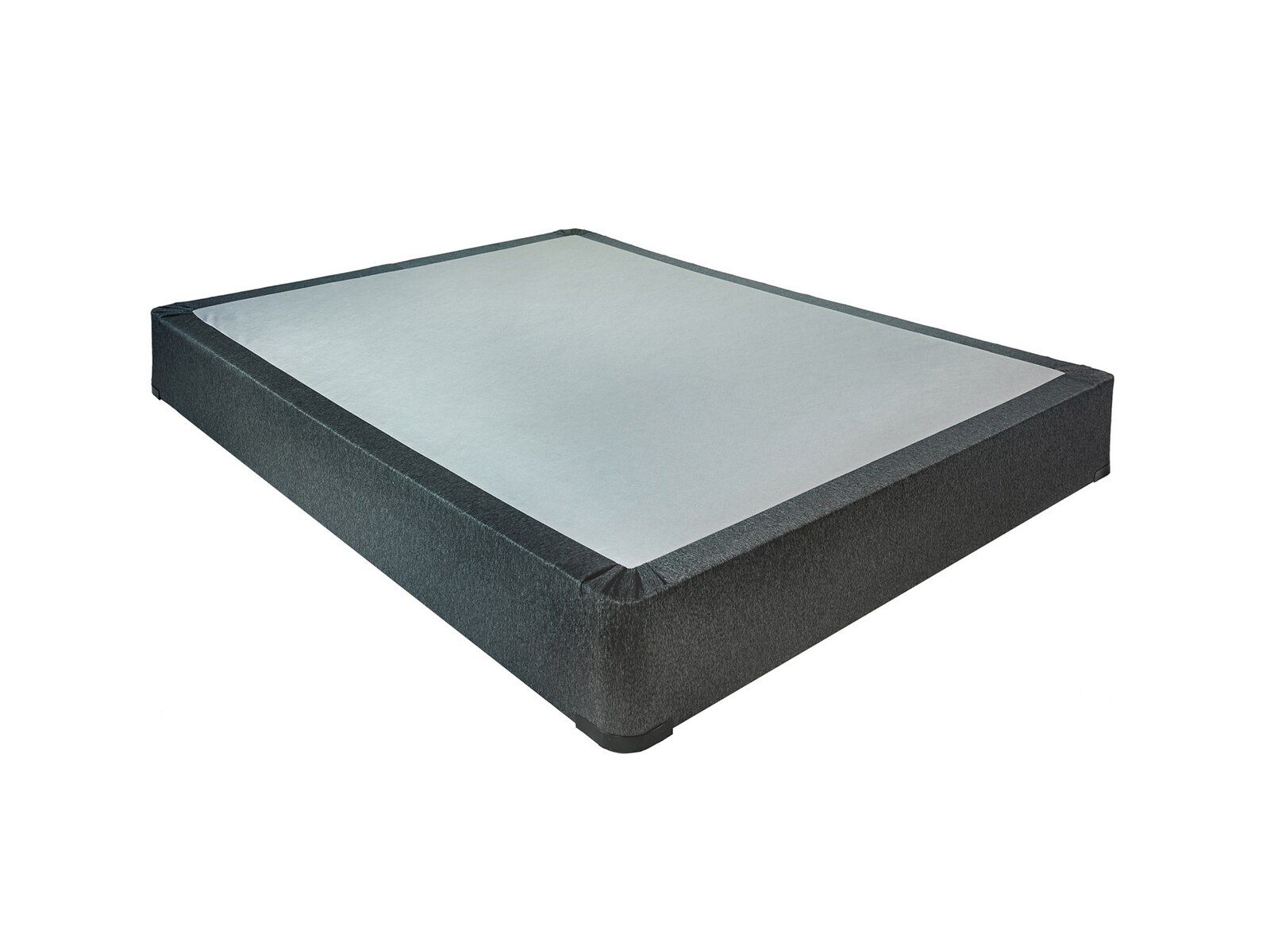
Solid queen-size bed supports provide a stable base beneath a queen mattress, helping distribute weight instead of leaving the mattress to span unsupported gaps. Common designs include wooden slats, low-profile bunkie boards, metal platform bases and center support rails with legs that reach the floor. Each serves a different purpose: a platform can form the main base of the bed, while replacement slats or a center rail reinforce a compatible existing frame. A bunkie board adds a shallow supporting layer beneath the mattress, although its construction and placement must match the requirements of both the mattress and the bed. A standard queen mattress measures approximately 60 inches wide by 80 inches long, but that measurement alone does not determine which support will fit. The structure beneath it needs to work with the frame’s interior dimensions, attachment points and intended setup. In this context, solid support means dependable construction; it does not necessarily mean one continuous, unbroken surface. Closely spaced slats can provide an appropriate base when the mattress manufacturer permits them, while a solid panel may be suitable for a different setup. Solid wood components offer a familiar furniture material and can work within decorative wooden beds, while steel rails and platforms provide structural support through their beams, joints and floor-contact points. Material alone is not a measure of strength. Slat thickness, rail design, secure connections and the placement of supporting legs all contribute to how the bed performs. For a shared queen bed, those details matter when both sleepers settle in, change positions or sit along opposite sides. In a guest bedroom, a dependable base helps create a steady setup without necessarily adding much height. The best match is the support system designed for the mattress and frame together, rather than whichever construction looks strongest in isolation.
Fit involves more than matching the word queen on two labels. A support that rests inside an existing bed must sit securely on the designated ledges or brackets, with adequate contact at both ends and no loose sections that can shift during use. Interior frame measurements are especially useful when refreshing an older bed whose rails remain in good condition but whose supporting components need attention. Center support is particularly important for many queen configurations because the middle of the bed spans a substantial distance between the side rails. A center beam with properly positioned legs helps carry that load to the floor instead of relying solely on the outer frame. Those legs need firm contact with the floor according to the assembly instructions; a leg suspended above it cannot provide the intended support. Weight ratings also deserve careful attention, including whether the stated limit accounts for the mattress, foundation and sleepers together. Foam, hybrid and innerspring mattresses can have different base requirements, and the mattress manufacturer’s specifications should determine acceptable slat spacing, foundation type and center reinforcement. Widely spaced slats may leave sections of some mattresses insufficiently supported, while a continuous board can affect airflow beneath the mattress. A fabric-covered surface does not, by itself, establish that a support is ventilated or suitable for every mattress. Bed height is another practical consideration. A low-profile support can preserve the proportions of a tall headboard or keep a thick mattress at a manageable sitting height, while a deeper foundation changes the overall height of the sleeping surface. The combined height matters when getting into bed, putting on shoes at the edge or fitting bedding around the frame. Under-bed space, access for cleaning and the location of support legs also shape everyday use. For an adjustable base, compatibility is a separate requirement: the base generally supplies its own mattress support, and any surrounding bed frame must accommodate its dimensions and movement.
Durability shows up in the details that remain largely out of sight once the bed is made. Smooth wooden slats, secure metal connections, sound brackets and evenly supported surfaces help create a foundation that stays steady through ordinary use. Wood should be free of cracks or significant warping, and metal components should not be bent or left with loose hardware. Fabric-covered boards benefit from intact coverings that protect the underlying structure from routine abrasion, but the fabric should not hide damage that affects support. Care is usually straightforward and should follow the manufacturer’s directions: accessible surfaces can be kept free of dust, approved fabric surfaces can be vacuumed gently and spills should be addressed without saturating wood or upholstery. Keeping the area beneath the bed clear enough for inspection makes it easier to notice a shifted leg or loosened connection. Hardware may need attention after a move or reassembly, particularly when a bed has been taken apart to pass through a narrow doorway. Lifting and disassembling the frame as directed, rather than dragging the assembled bed across the room, helps protect joints, legs and flooring. Floor protectors should be appropriate for the support design and should not interfere with secure footing. A squeak or wobble can come from a loose connection, uneven floor contact or movement where components meet, so the cause matters more than simply adding another layer beneath the mattress. Likewise, a stronger base cannot restore worn comfort materials inside a mattress, though correcting an unsuitable foundation may address a separate support problem. These distinctions are useful when keeping a favorite headboard, furnishing a first home or making a guest bed feel more settled and dependable. For a coordinated bedroom setup,
queen size luxury bed supports offer another area to explore with mattress compatibility, dimensions and construction in mind. Whether the finished bed is simple or dressed with layered bedding, its underlying support should remain secure, properly fitted and suited to the way the bed is used.