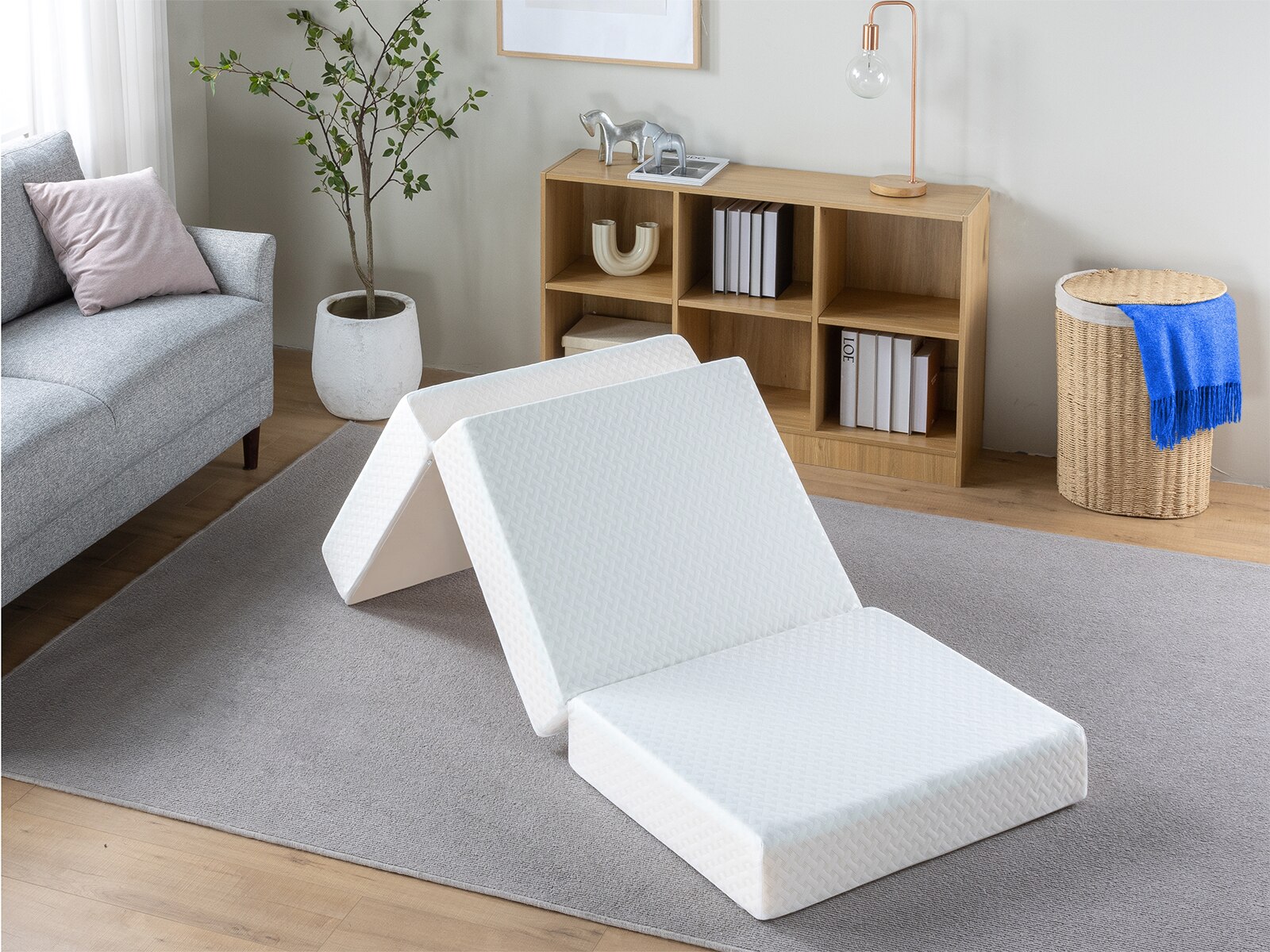
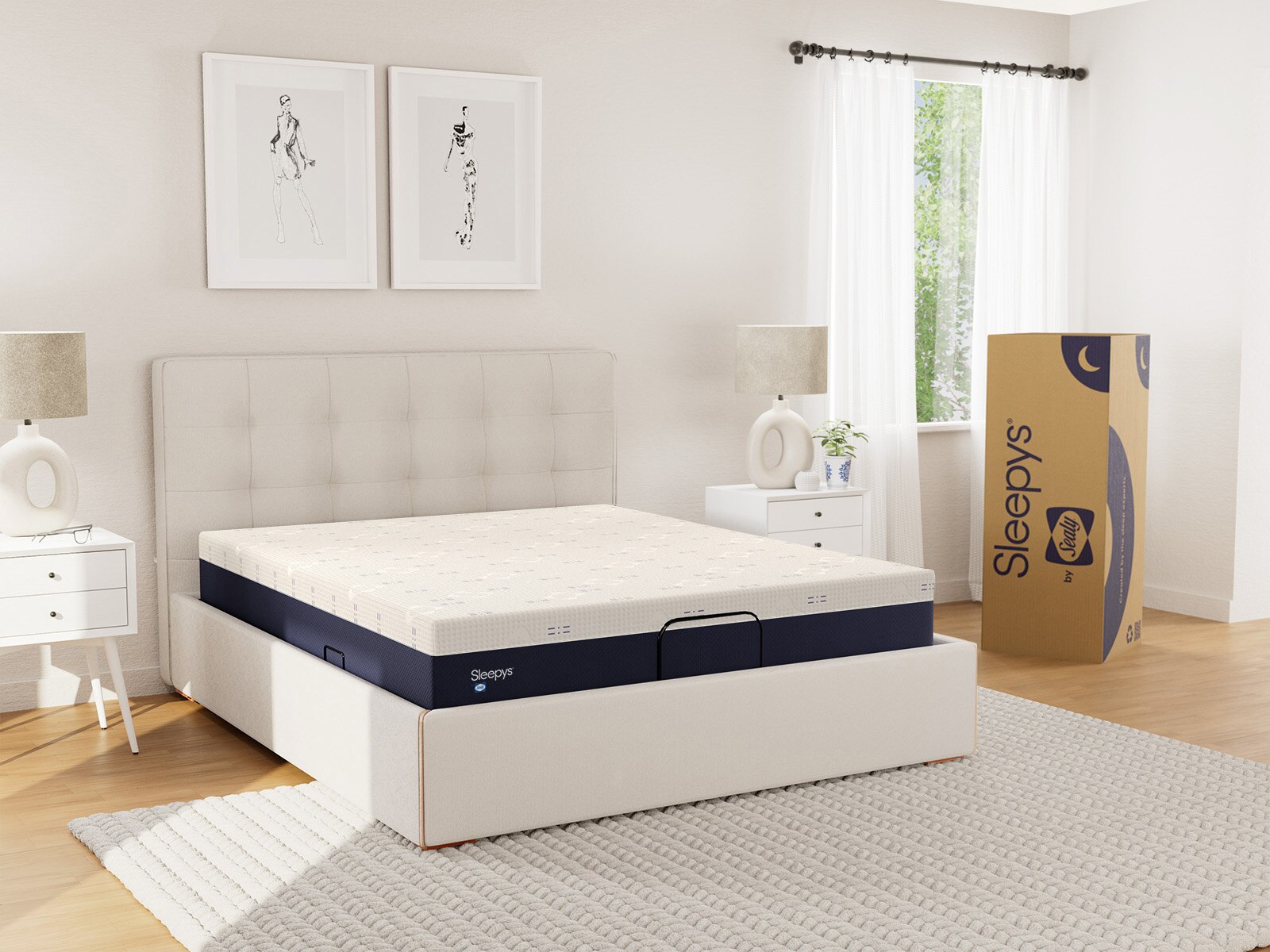
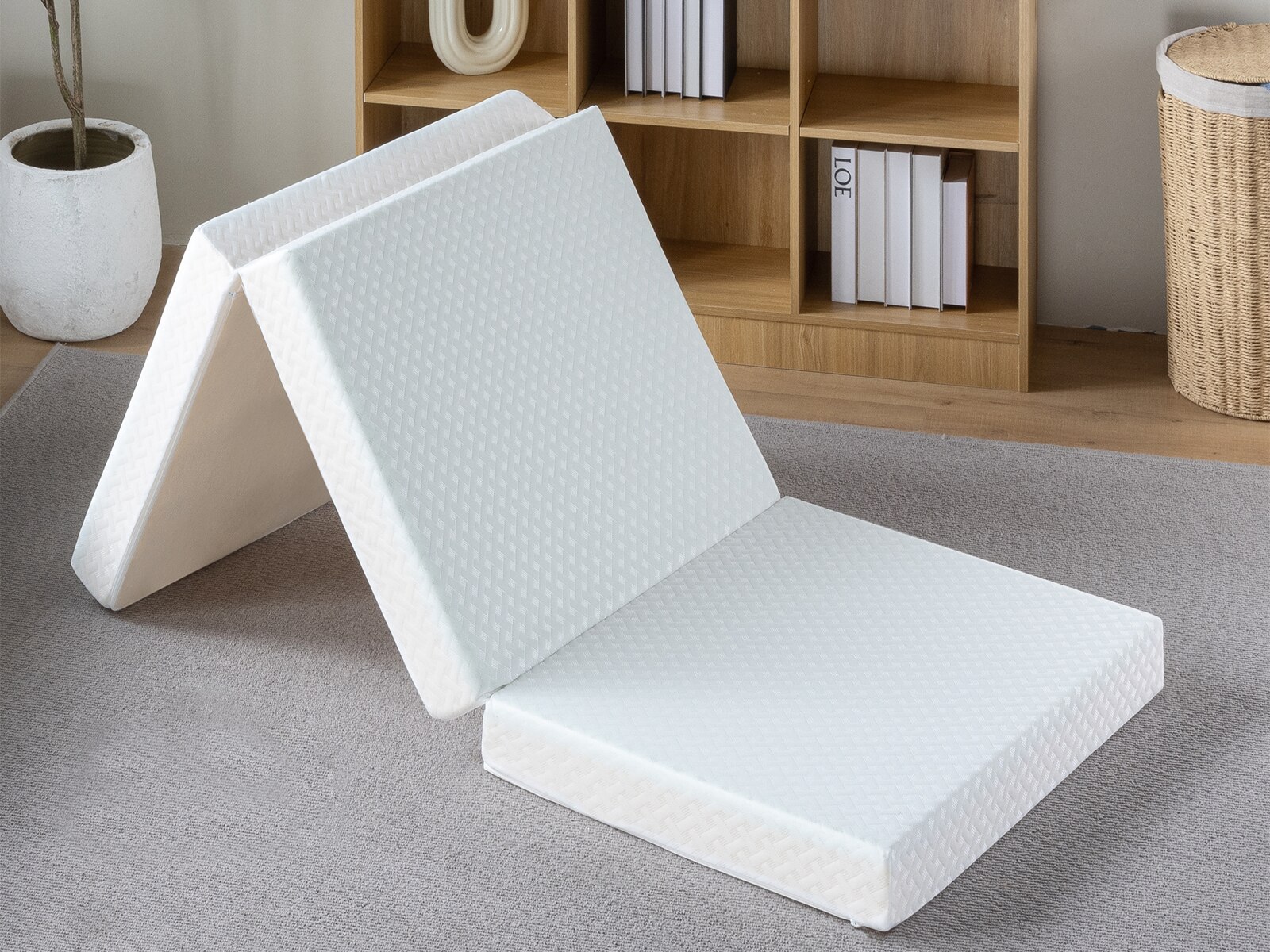
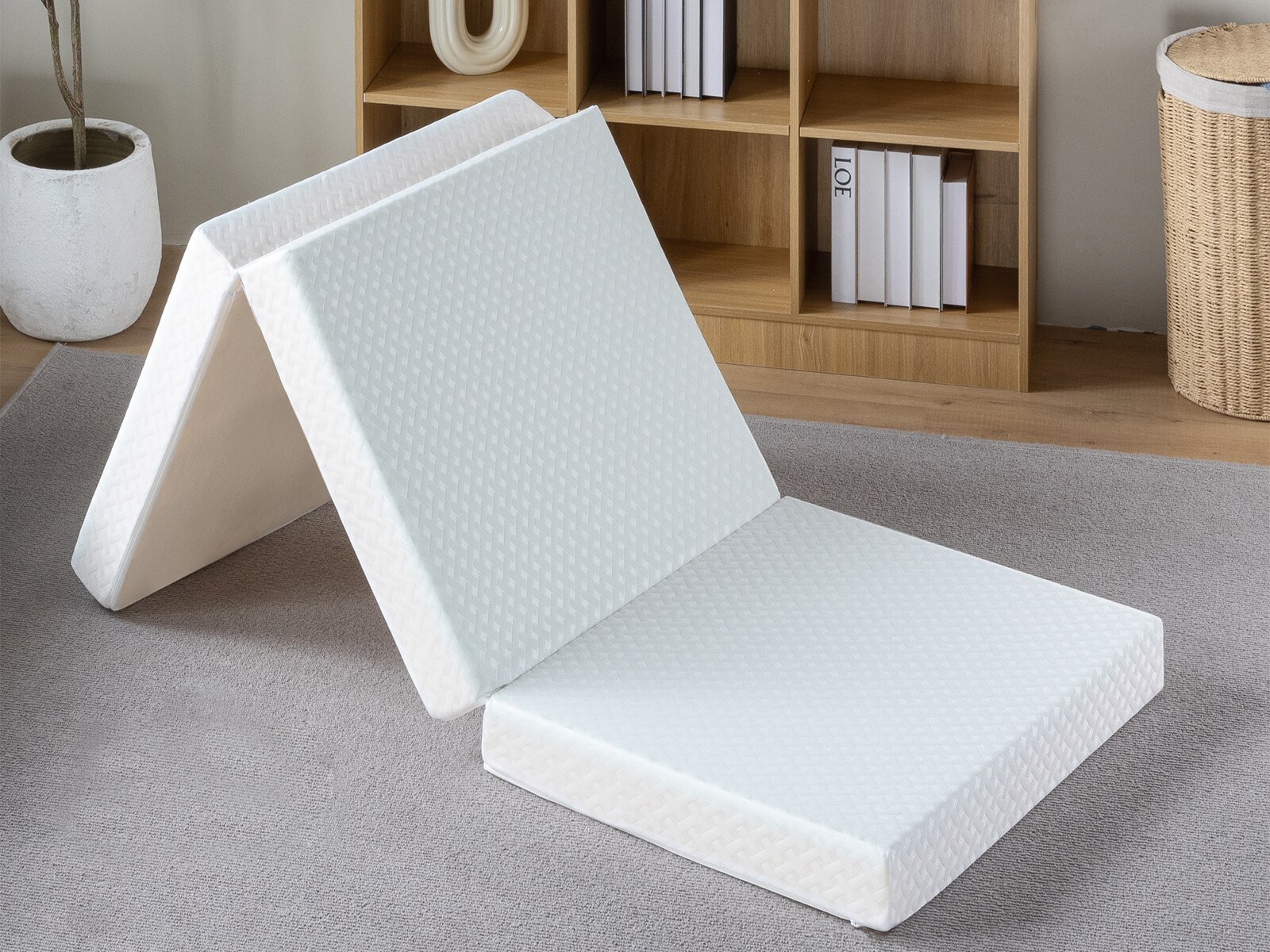
Camping sleep solutions combine portable cushioning, supportive pillows and easy-care bedding to make sleeping away from home more comfortable. A useful setup fits the sleeper, the available space and the way everything will travel to the campsite. For someone arriving by car, that might mean having room for a more substantial sleep surface and a familiar pillow. For someone carrying equipment along a trail, packed size and weight become much more important. The difference matters: bedding that feels comfortable at home may be awkward to transport, difficult to clean outdoors or too bulky for a tent. A camping sleep surface needs enough length for the sleeper to stretch out and enough width to change positions without slipping over the edge. Its dimensions also need to leave practical room for bags, footwear and access to the entrance. Two people sharing a sleeping area may prefer separate surfaces when their comfort preferences differ, while a shared surface requires enough usable space for both. Thickness alone does not determine comfort. The way cushioning responds to body weight, the support beneath it and the sleeper’s usual position all affect how it feels through the night. Side sleepers often appreciate cushioning around their shoulders and hips, while back and stomach sleepers may prefer a steadier feel that does not allow excessive sinking. Pillow height deserves the same attention because the distance between the head and sleep surface changes with sleeping position and the amount of cushioning underneath. A compact pillow is easier to pack, but its shape and support still need to suit the person using it. Whether the destination is an established campground or a site reached on foot, comfortable camping starts with a sleep setup suited to the actual trip rather than simply the thickest or largest option.
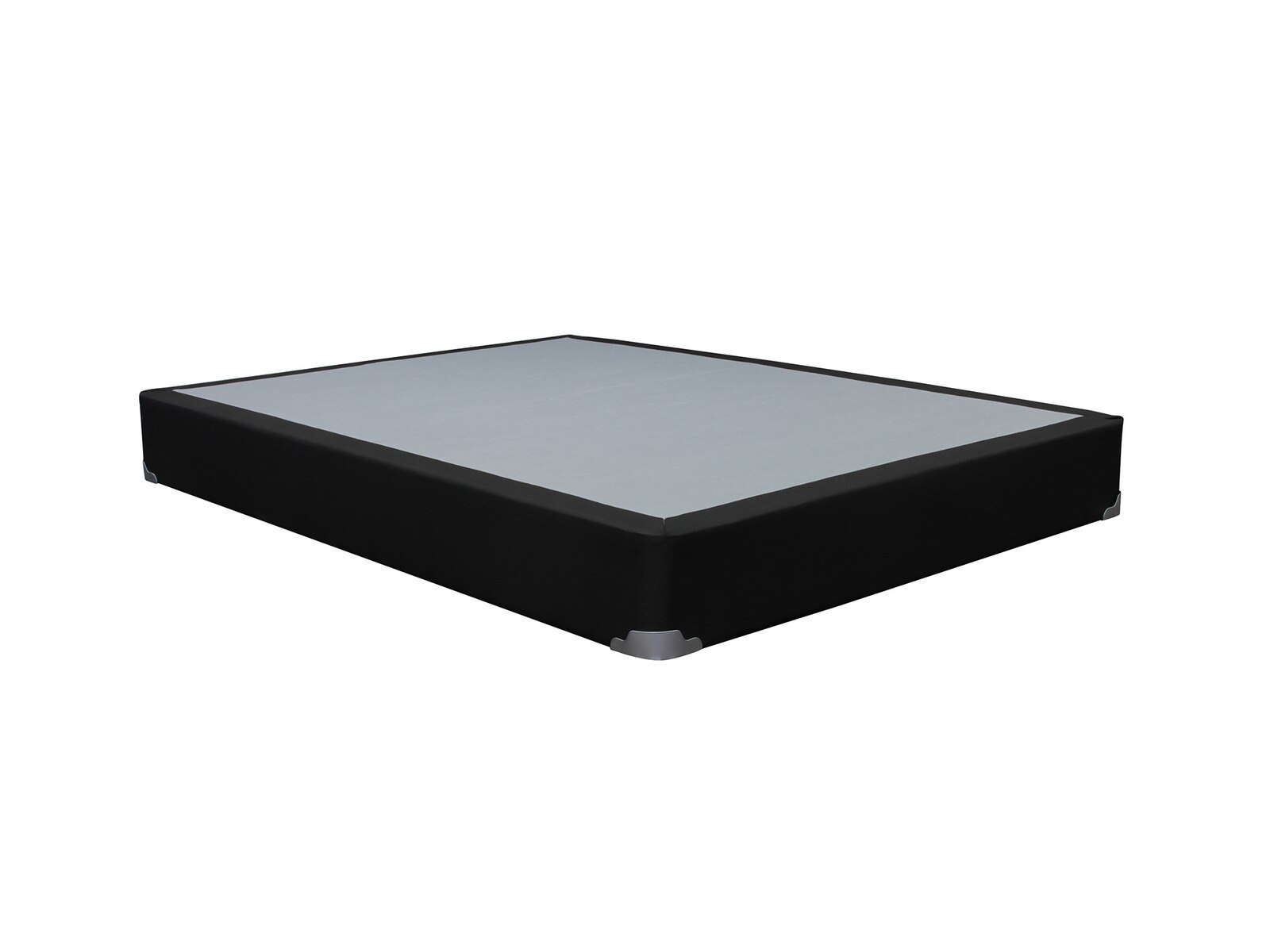
Materials and construction influence how camping bedding feels, how much space it occupies and how well it holds up to repeated packing. Foam cushioning can offer a consistent surface without needing inflation, although its weight, flexibility and compressed size vary by construction. Memory foam generally contours more closely to the body, while other foam types may have a quicker response when the sleeper moves. Air-filled designs can pack into a smaller space, but they require attention to inflation, valves and protection from sharp objects. Designs that combine foam and air offer another approach, with performance depending on their construction and intended use. Any sleep surface should be used on a base approved by its manufacturer; a topper designed to add cushioning to a mattress is not necessarily intended to serve as a stand-alone camping mattress. Covers and bedding bring their own practical differences. Cotton can provide a familiar, soft feel, while polyester blends may offer easier care and quicker drying, depending on the fabric and finish. Smooth covers can be easier to brush clean, and removable, washable covers make it simpler to manage dust, body oils and the occasional spill. A water-resistant finish does not automatically make bedding waterproof, and indoor materials should not be assumed suitable for direct contact with the ground. Durability also depends on details that are easy to overlook, including reinforced seams, secure closures and a storage bag that does not strain when packed. Care instructions help determine whether a piece suits frequent trips or occasional use. Some covers can be machine washed, while foam interiors and other components may require spot cleaning only. Bedding should be fully dry before storage, and compression should follow the manufacturer’s recommendations rather than becoming a permanent storage method. Keeping sleep surfaces away from abrasive ground, avoiding dragging them across a campsite and checking them before packing can help preserve their condition. These details matter when equipment is repeatedly loaded into a vehicle, unpacked at camp and stored between outings.
The best fit for camping depends as much on routines as on materials. A couple settling into a tent after a day on the trail may value a surface that gives each person room to turn without disturbing the other. A solo camper who reads before settling down may appreciate cushioning that remains comfortable when shifting from sitting to lying down, provided the surface is designed for that use. Families sharing a tent often benefit from bedding that is easy to identify, simple to clean and sized to keep sleeping areas organized. Familiar textures can make an unfamiliar setting feel more welcoming, whether that means a pillow with the right loft or a cover that feels similar to bedding at home. For people who travel with a vehicle-based sleeping space,
Comfortable Sleep Solutions For Rv Trips offers a related approach to comfort where mattress dimensions, platform support and access around the bed deserve particular attention. A sleep surface that works inside a recreational vehicle may not suit a tent, and a portable camping setup may not provide the everyday support someone wants for longer stays. Frequency of use helps clarify those differences. An occasional overnight trip places different demands on bedding than repeated extended outings, especially when packing and cleaning are part of every departure. Camping bedding can also be a thoughtful gift for someone who enjoys nights outdoors, but personal preferences matter more than appearance alone. Knowing how the recipient travels, how much storage space is available and what kind of pillow or cushioning feels comfortable can make the choice more useful. A gift should complement the person’s existing setup rather than add something difficult to carry or fit. From the first unpacking to the final morning at camp, a well-matched sleep setup makes it easier to settle into a familiar resting place, with enough support to get comfortable and practical materials that suit life beyond the bedroom.