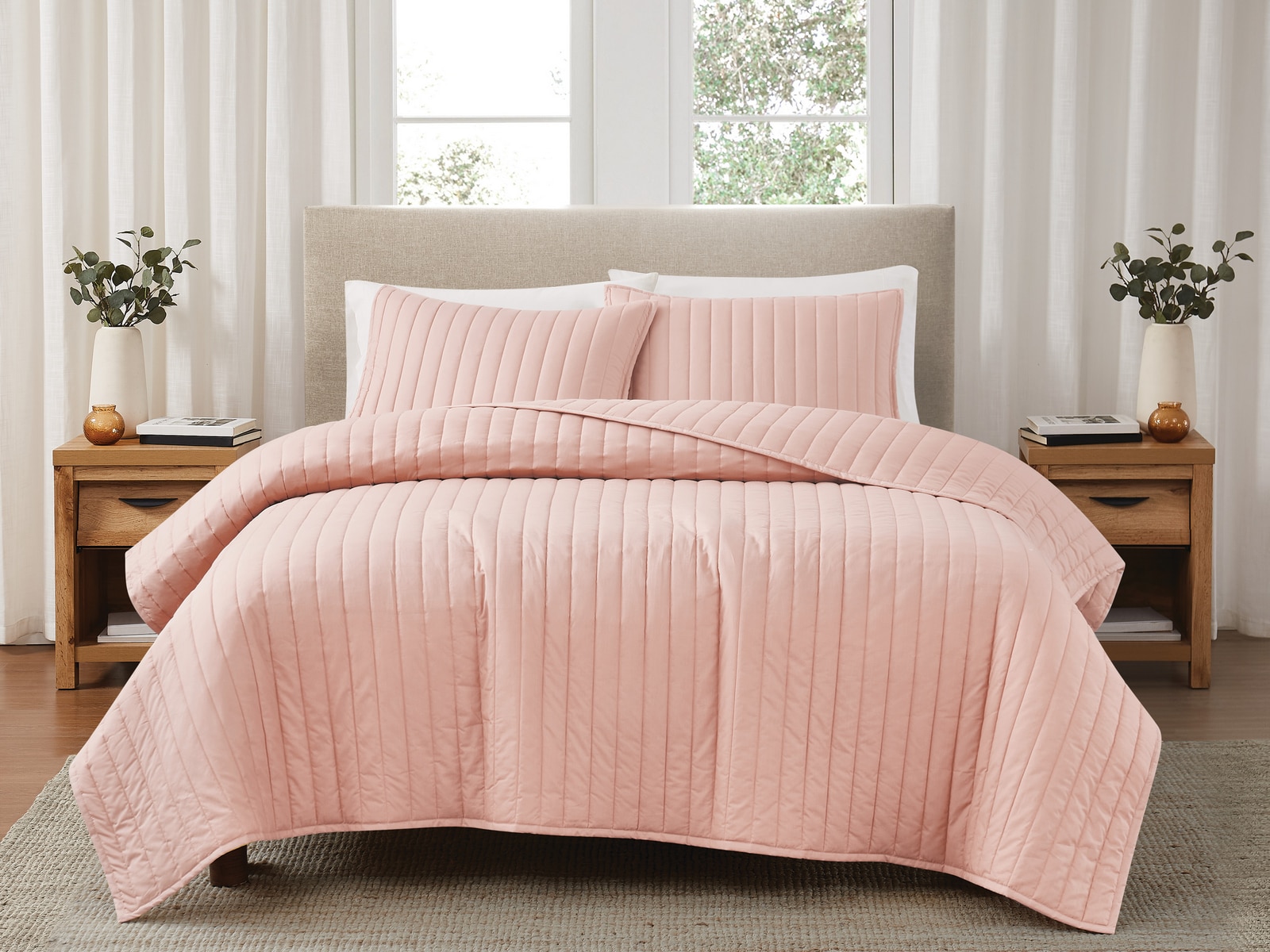
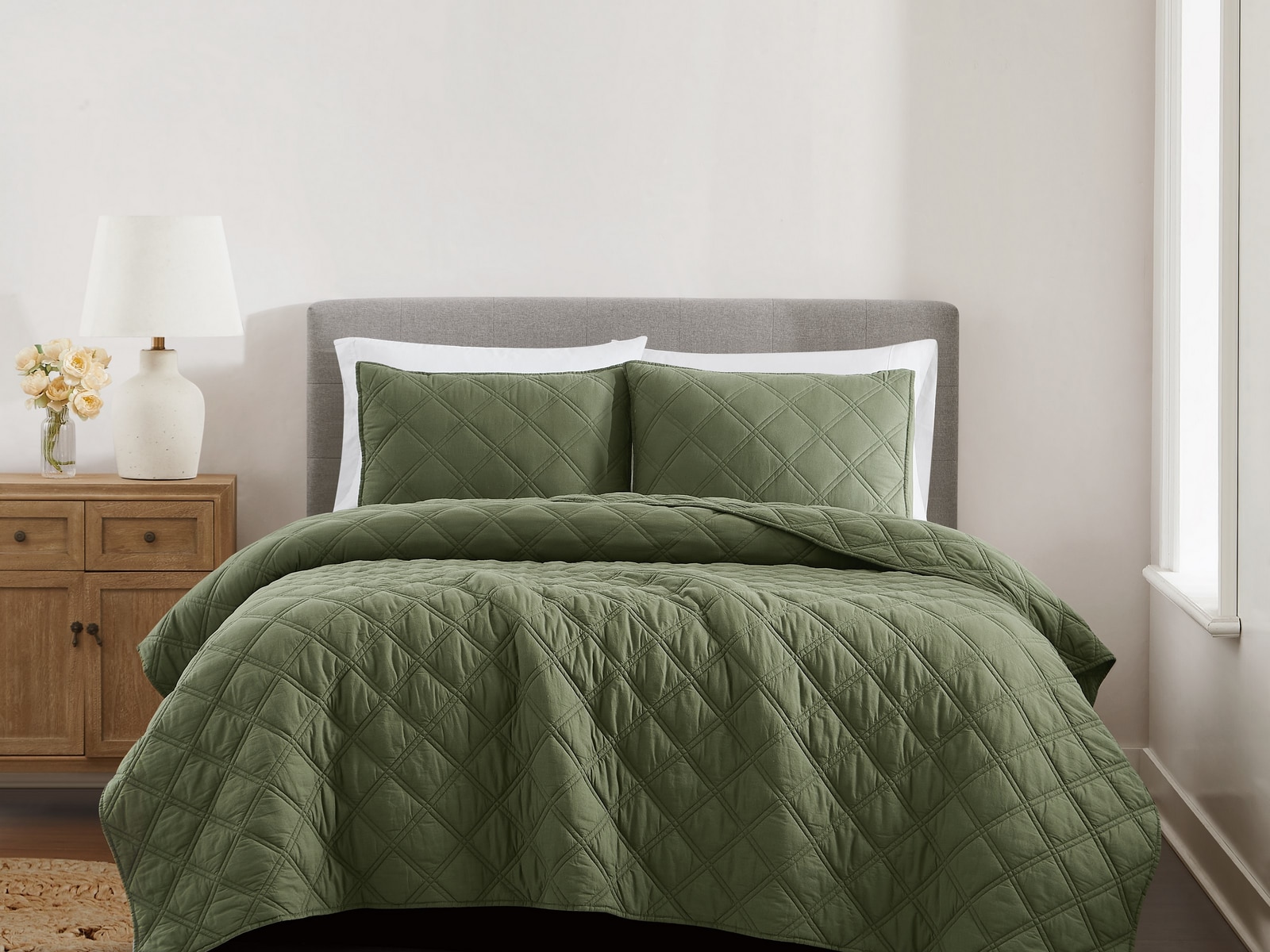
Spring bedding sets bring a lighter visual feel to the bedroom through soft color, inviting texture and layers that can be adjusted to suit personal comfort. A bed dressed in pale blue, warm ivory or a small floral print can feel fresh without requiring changes to furniture or wall color. Stripes and subtle botanical patterns offer another approach, adding detail while leaving room for a favorite throw or a pair of textured pillows. The pieces included in a bedding set determine both its appearance and its everyday function. Sheet sets generally focus on the fitted sheet, flat sheet and pillowcases, while comforter, duvet cover and quilt sets create the visible top layer and may include coordinating shams. Contents vary, so the included pieces matter as much as the pattern. A duvet cover needs a compatible insert, while a quilt or comforter has its own construction and fill. Fabric also shapes the experience of getting into bed. Cotton percale typically has a crisp, matte feel that appeals to sleepers who like a freshly made bed with a little structure. Cotton sateen has a smoother surface and a subtle sheen, giving even a simple solid color a more polished appearance. Linen brings an easy, gently rumpled texture and can soften with repeated laundering when cared for as directed. Fabrics made with lyocell fibers often have a fluid drape and smooth hand, though the finished feel depends on the weave and any additional fibers in the blend. For spring bedding, breathability is a useful consideration, but fiber content alone does not determine comfort. Fabric weight, weave, fill and the number of layers on the bed all play a part. A lightweight-looking set can still feel substantial, while a textured fabric may allow more airflow than its appearance suggests.
The right fit helps spring bedding look settled rather than stretched, bunched or constantly in need of adjustment. Mattress size is the starting point, but mattress depth is just as important for fitted sheets, especially when a topper adds height. Pocket depth should accommodate the full sleeping surface, and secure elastic can help keep the corners in place through nightly movement. For quilts, comforters and duvet covers, finished dimensions give a clearer picture than the size name alone. A deep mattress or tall bed frame may call for more side coverage, while a low platform bed may look balanced with a shorter drape. On a shared bed, enough width can also make it easier for both sleepers to stay covered. Pillowcase and sham dimensions deserve the same attention: a pillow should fill its cover comfortably without being compressed into a shape that changes its feel. Beyond fit, spring bedding sets work best when their layers reflect how the bed is actually used. Someone who tends to feel warm may prefer a breathable sheet with a light quilt, while someone who likes more warmth can add a separate blanket that is easy to fold back. Partners with different preferences may find individual lightweight blankets useful beneath a coordinated top layer. A guest room benefits from the same flexibility, giving visitors an extra covering within reach rather than relying on one heavy layer. For a similarly light approach to the top of the bed,
summer bedding quilt sets offer another seasonal direction to consider alongside spring colors and patterns. The distinction is less about a fixed calendar date than the weight, texture and coverage that feel comfortable to the person using them. A softly quilted surface can add dimension without an elaborate arrangement, and reversible designs can offer a second look when both sides are intended for display. Even a simple combination of smooth sheets, a patterned quilt and neatly fitted shams can make the room feel thoughtfully put together.
Everyday care is part of choosing bedding that will remain comfortable and presentable beyond its first wash. Care labels provide the most reliable direction because fabrics, dyes, trims and fills can have different requirements, even when two sets look similar. Machine-washable construction can be especially practical for a primary bedroom, a child's room or a frequently used guest bed, but the size of the bedding should also suit the washer and dryer. A bulky comforter needs enough space to move freely; crowding the drum can make thorough washing and drying more difficult. Removable duvet covers offer a different routine, allowing the outer layer to be washed separately from the insert according to each piece's instructions. Gentle laundering, an appropriate amount of detergent and the recommended drying temperature help protect fabric feel and appearance. Bedding should be fully dry before it is folded away or returned to the bed. For durability, details such as secure stitching, neatly finished edges and well-attached closures are worth attention. Quilting or other fill-securing construction can help maintain an even surface, while duvet corner ties can help keep a compatible insert positioned inside its cover. Homes with pets may benefit from considering whether a loose weave, delicate trim or raised texture could catch on claws. A smoother, simpler surface may be easier to maintain, although no fabric is completely resistant to wear. Spring bedding sets can also make thoughtful housewarming or wedding gifts when the recipient's mattress dimensions, preferred colors and care habits are known. Soft neutrals and restrained patterns can be easier to work into an existing room than a bold print, while a familiar favorite color makes the choice feel personal. For daily use or an occasional guest stay, the most useful set is one that combines a pleasing look with manageable care, comfortable coverage and fabrics that feel good against the skin. Those practical details give spring bedding its lasting appeal, well beyond the first impression of a freshly dressed bed.