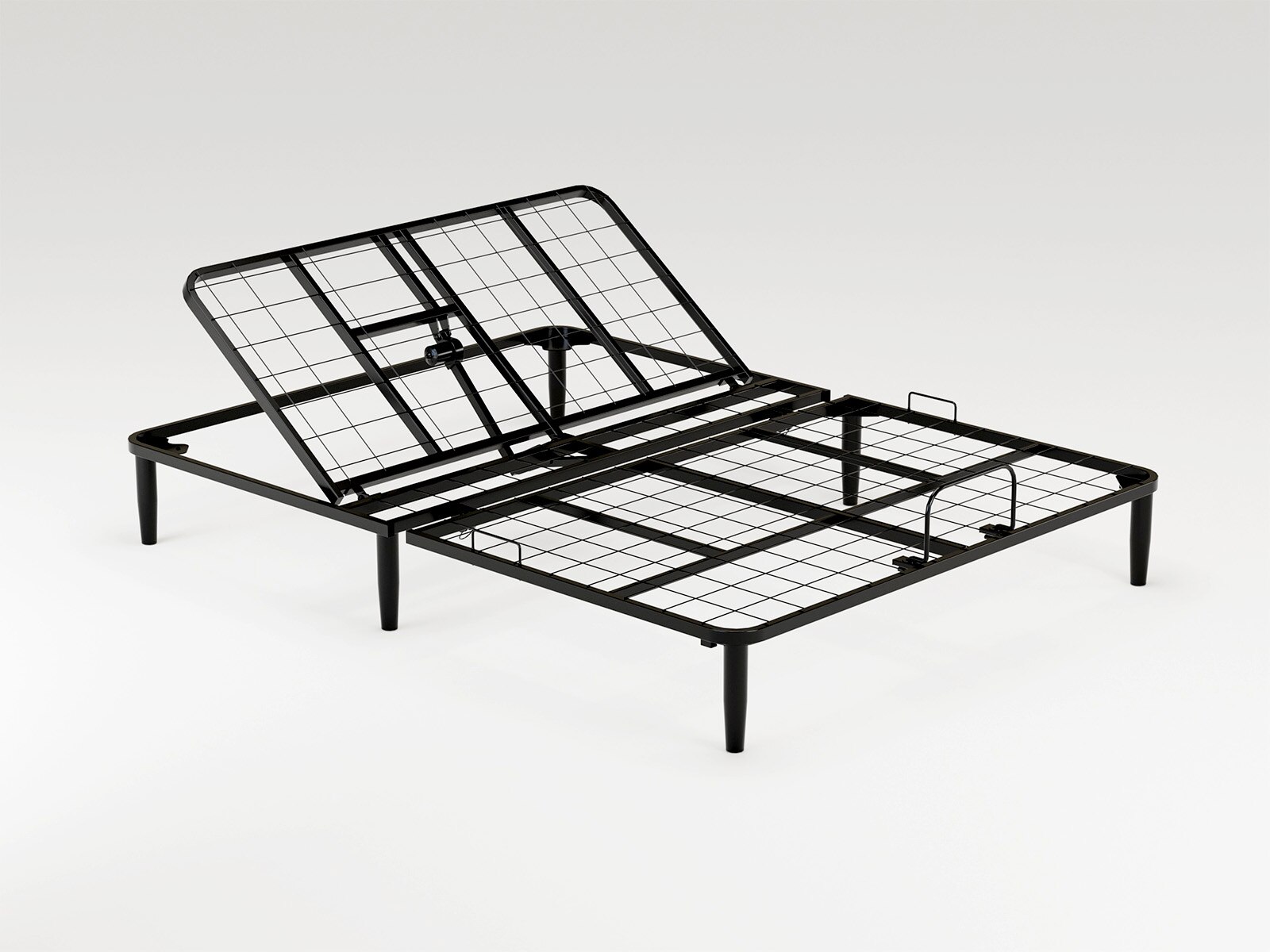
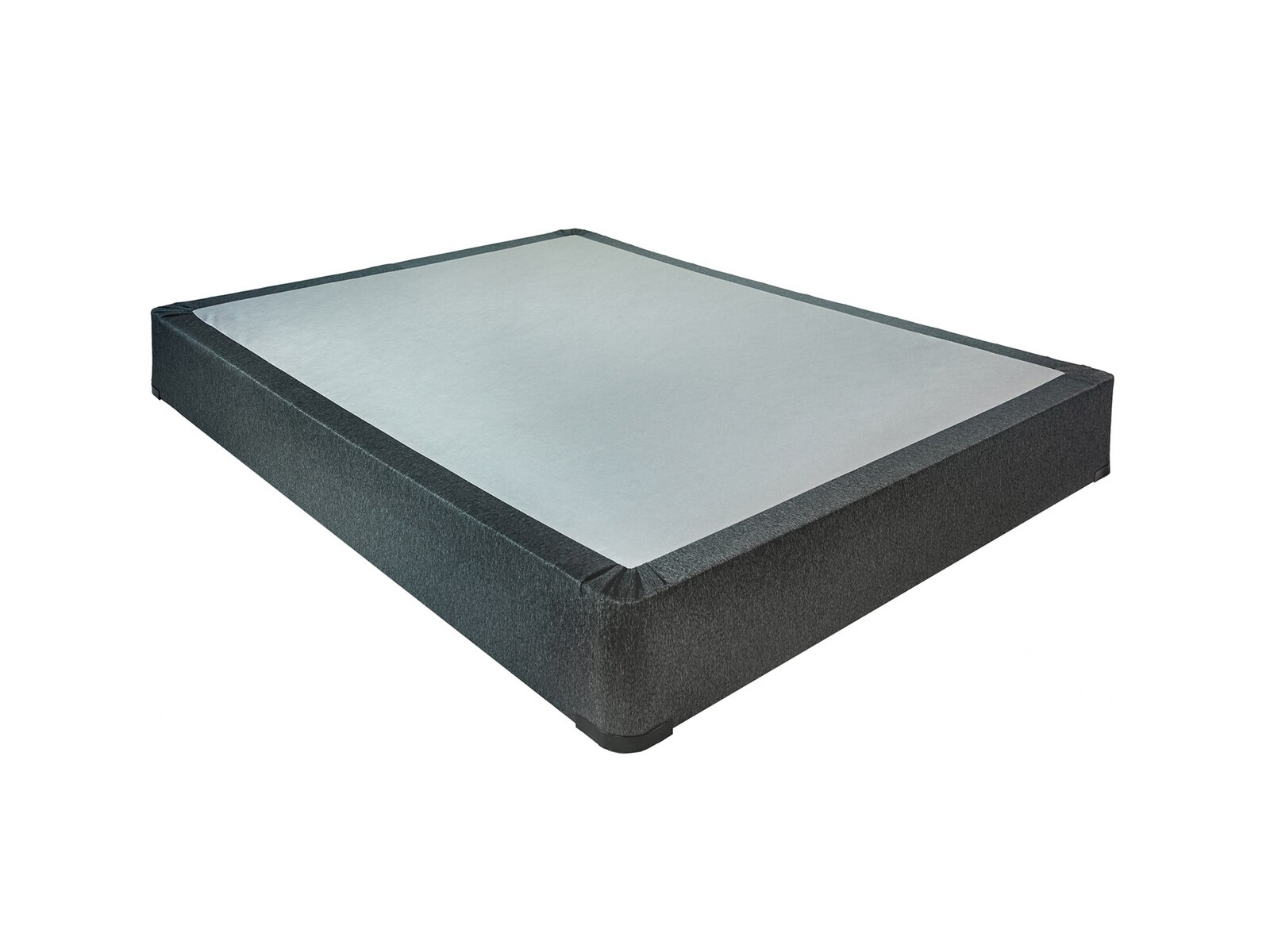
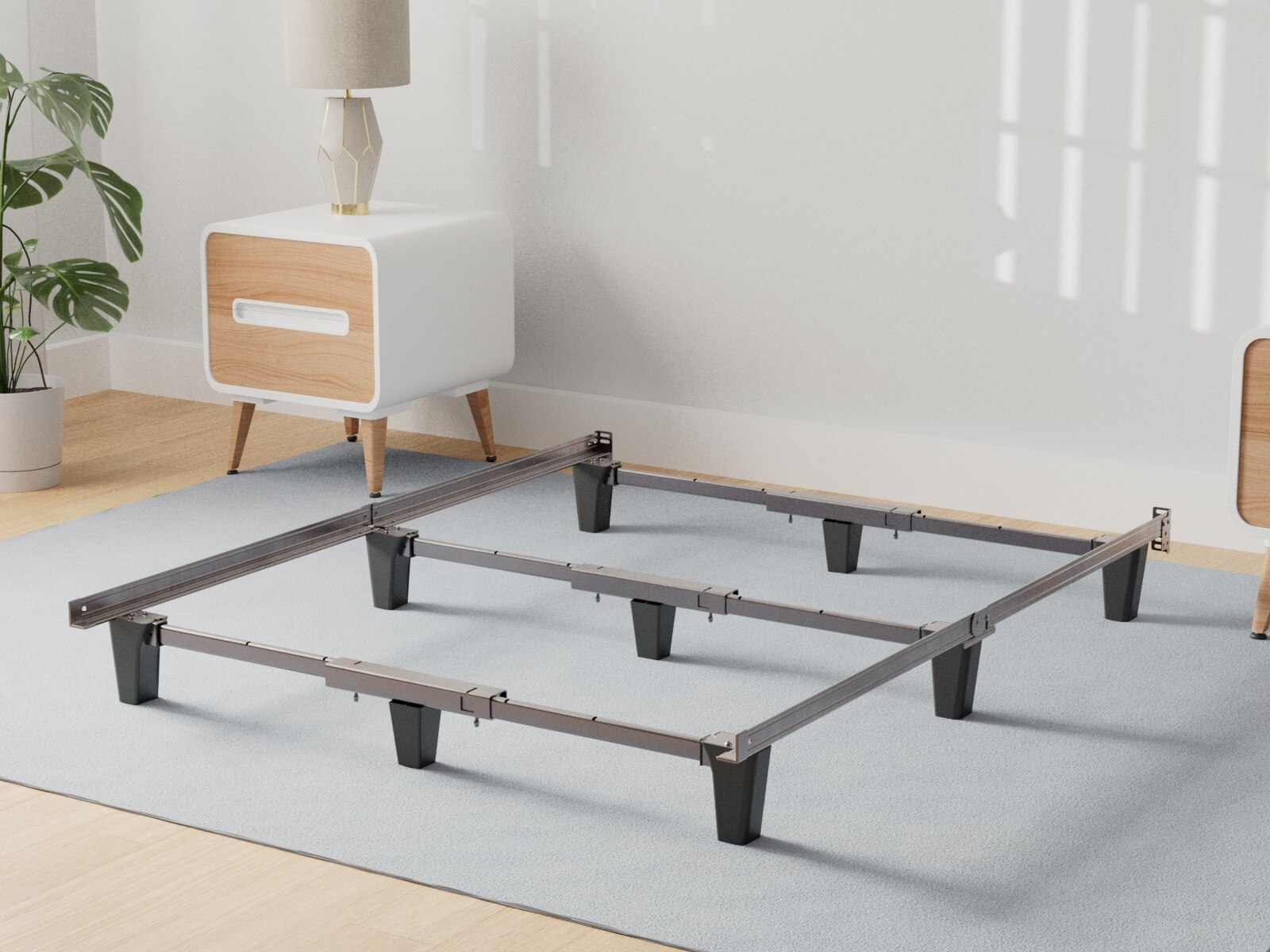
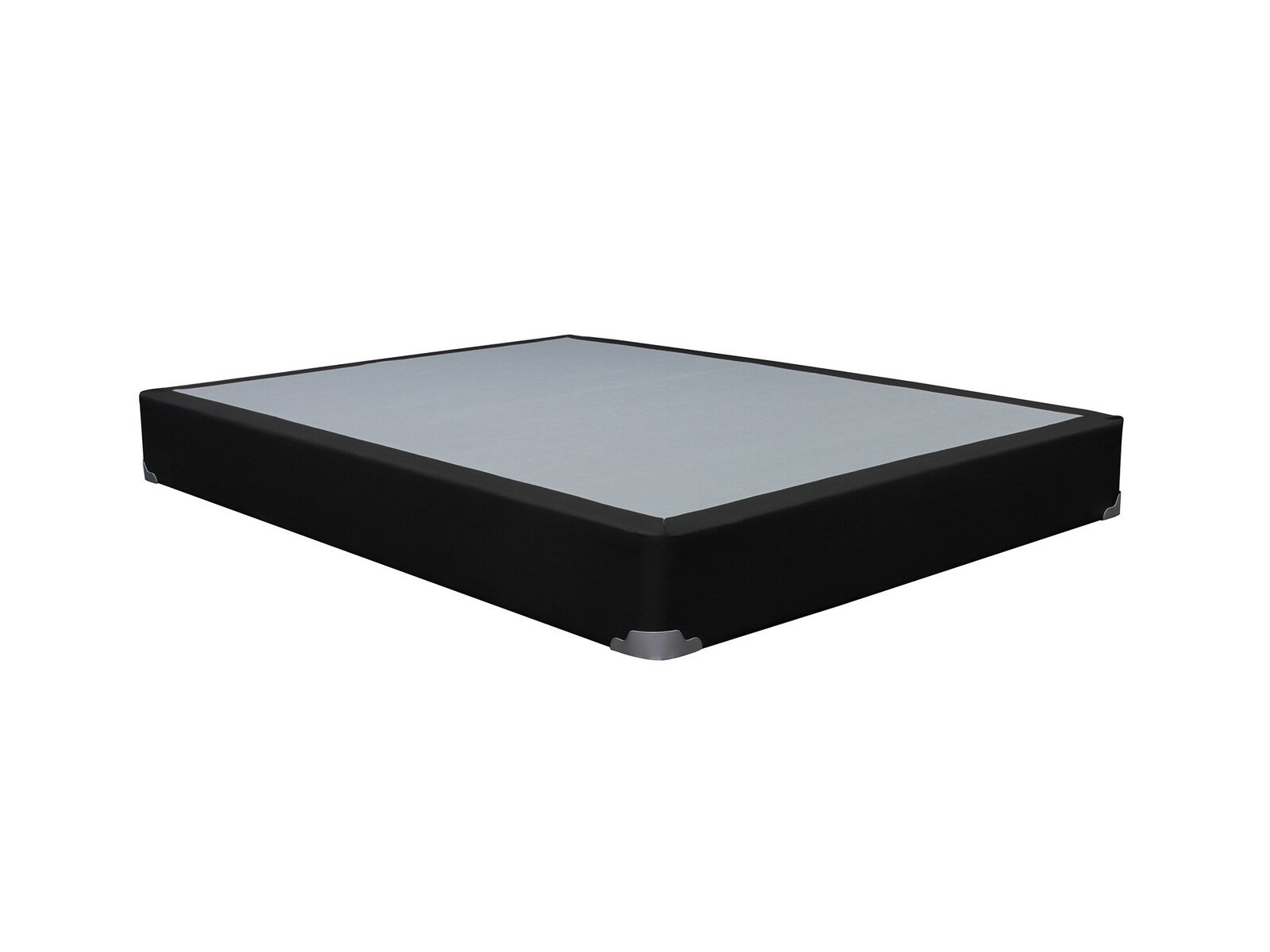
Sturdy bed foundations for families create a dependable base for everyday sleep, from a child’s first full-size bed to a shared bedroom or a guest room that welcomes visiting relatives. A foundation supports the mattress from beneath, helping distribute its weight across a stable surface rather than leaving sections unsupported. Depending on the design, that support may come from closely spaced slats, a metal grid or a rigid platform. Some foundations sit inside a separate bed frame, while others have integrated legs and serve as both the mattress support and the freestanding base. That distinction matters when coordinating a foundation with an existing headboard, footboard or set of side rails. A traditional box spring contains springs, while many foundations use a rigid support structure; the terms are sometimes used interchangeably, but the construction and mattress compatibility can differ. Memory foam, latex, hybrid and innerspring mattresses each have support requirements, so the mattress manufacturer’s specifications should determine the appropriate surface and any maximum spacing between slats. There is no single slat-spacing rule that applies to every mattress. A foundation should also match the mattress size and fit securely within any surrounding frame, without forcing the rails outward or leaving unsupported edges. Actual dimensions matter as much as the size name, particularly when fitting an existing bedroom set. For larger beds, center support and legs that reach the floor may be required by the mattress or frame manufacturer. These details become especially relevant in a family bedroom where two adults share a mattress or a parent sits beside a child for a bedtime story. The foundation’s height also changes the finished bed height once the mattress is added. A lower profile can make getting into bed easier for some sleepers, while a taller base may provide useful space underneath. The most suitable combination leaves enough room to sit comfortably at the edge, move around the bed and use nearby furniture without crowding the room.
Strength depends on the complete construction, not simply whether a foundation is made of wood or metal. Wood foundations may use solid lumber, engineered wood components or a combination of materials, with slats and cross supports arranged to carry the mattress evenly. Steel foundations often use rails, crossbars and welded or fastened connections to form a rigid structure. In either material, secure joints, suitable support spacing and a well-supported center can matter more than a substantial-looking outer edge. A fabric cover can create a finished appearance, but the framework beneath it does the supporting. Weight capacity is another useful comparison point, provided the stated limit is read carefully. Manufacturers may define capacity differently, so confirm whether a rating includes the mattress, sleepers and other weight on the bed, and whether it applies to the exact foundation size being considered. A higher capacity alone does not establish compatibility with a particular mattress or compensate for missing support legs. For a shared bed, the relevant load includes both sleepers and the mattress rather than either person’s weight alone. For a child’s room, sturdy construction supports normal sleeping and everyday use, but it does not make a bed a jumping surface. Connections that remain secure can also help limit the squeaks and shifts that interrupt a quiet bedroom. Some designs include cushioning at contact points to reduce rubbing between components, although no foundation can promise complete silence or eliminate movement through the mattress. Rounded or recessed corners, stable legs and thoughtfully placed supports may make a difference in rooms where children walk close to the bed. Upholstered sides offer another finish option, with care needs that differ from exposed wood or metal. In a busy household, these practical construction details help distinguish a foundation suited to repeated everyday use from one chosen mainly for its appearance. The goal is reliable support that works with the mattress, the room and the people sleeping there.
Everyday practicality extends beyond the assembled foundation. A base for an upstairs bedroom needs to pass through doorways, around stair landings and into the room, whether it arrives in sections or as a larger assembled piece. Split designs can make moving a larger foundation more manageable, but both sections still need the support specified for the complete setup. Assembly requirements deserve attention as well: some structures use interlocking components, while others rely on bolts and brackets that must be secured in the stated sequence. Following the manufacturer’s directions helps keep the frame square and the support points properly positioned. After setup, a foundation should rest evenly, without rocking, and all required legs should contact the floor. Protective pads may help protect flooring when appropriate for the foundation and floor surface, but they should not interfere with stability. Underbed clearance can make room for spare linens or children’s keepsakes, provided storage does not press against supports or obstruct access for cleaning. For households that rearrange bedrooms as children grow, a foundation that can be disassembled according to its instructions may be easier to move and reassemble. Routine care is generally straightforward: remove dust from exposed surfaces, clean upholstery according to its care label and inspect accessible connections periodically. Spills should be addressed promptly using the recommended method, allowing affected materials to dry thoroughly. New creaking, visible bending, cracked components or persistent rocking are reasons to inspect the setup rather than simply covering the sound. When comparing
Durable Bed Foundations, consider how construction, dimensions and maintenance fit the household’s daily routines. A guest bed used by visiting grandparents may call for a different finished height than a child’s bed, while a shared bedroom may place greater emphasis on weight capacity and center support. Across these uses, a well-matched foundation provides a steady base without asking the mattress to bridge gaps or compensate for an unstable structure.