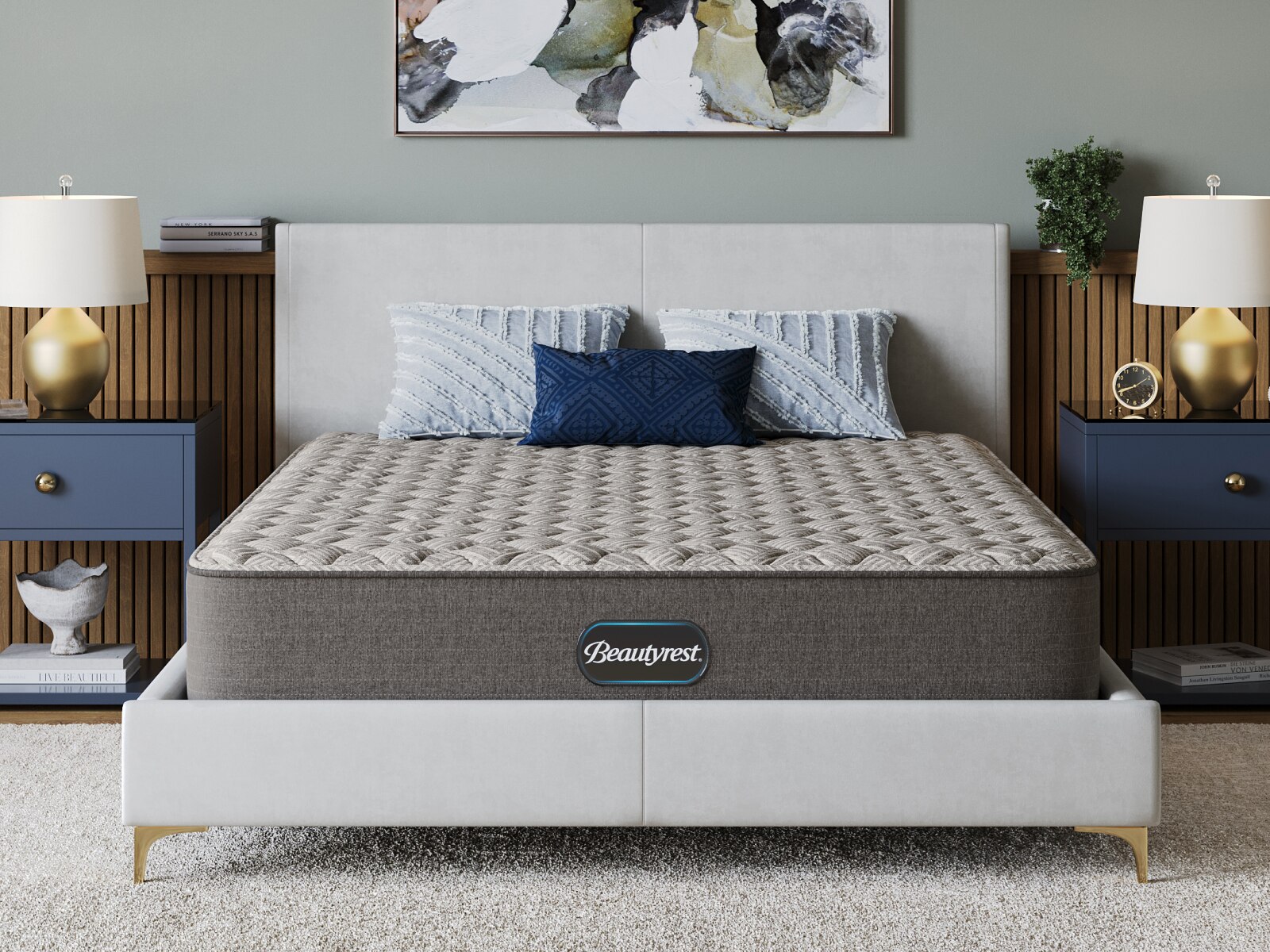
Sturdy mattresses combine a stable support system with comfort layers that suit the person sleeping on them. Their purpose is not simply to feel hard; it is to distribute weight, limit excessive sinking and maintain a dependable sleeping surface through regular use. That distinction matters because firmness describes how a mattress feels, while support describes how well it holds the body in a balanced position. A cushioned mattress can have a substantial support core, and a very firm surface can still be a poor fit if it leaves the shoulders or hips uncomfortable. Common constructions include innerspring mattresses with steel coil systems, hybrids that pair coils with foam or latex, and all-foam designs with dense support layers. Individually wrapped coils can respond to pressure in separate areas, while connected coil systems tend to create a more unified, responsive feel. Latex offers buoyant cushioning, and memory foam contours more closely around the body. Foam density can help indicate durability within the same type of foam, but density and firmness are not interchangeable. Coil count alone is not a reliable measure of strength, either; wire thickness, coil shape, reinforcement and the surrounding materials all contribute to performance. Reinforced edges are especially relevant for anyone who sleeps near the side or sits there to put on socks. A well-supported perimeter can make that area feel more stable, though the amount of compression varies by construction and body weight. Some mattresses also use zoned support, with different levels of resistance beneath the shoulders, midsection or hips. Those zones may help limit deeper sinking in heavier areas, but their placement needs to work with the sleeper’s height and position. The most useful definition of a sturdy mattress is therefore a complete construction that provides consistent support, appropriate cushioning and stability across the parts of the surface used every night.
The right balance depends on how the mattress will be used and who will sleep on it. For a person with a higher body weight, a substantial support core and comfort layers that do not compress too deeply can be important considerations. The same mattress may feel noticeably firmer to someone with a lighter build, so a firmness label is a starting point rather than a universal answer. Back sleepers often prefer enough contouring to accommodate the lower back without letting the hips settle too far down. Stomach sleepers generally benefit from support that limits excessive sinking through the middle, while side sleepers typically need more give beneath the shoulder and hip. A sturdy mattress does not have to sacrifice that pressure relief. For someone who changes positions, a responsive surface can make turning over feel less effortful than a deeply conforming one. Couples have additional considerations: movement transfer, usable space and whether both people feel supported when lying close together or near opposite edges. Individually wrapped coils and motion-absorbing comfort layers may reduce disturbances, although no construction eliminates every movement. Strong edge support can help the surface feel more consistent when one partner stretches out toward the perimeter. Size matters as well. A queen or king may offer a shared bed more room, but the bedroom layout should still leave comfortable clearance for walking, opening drawers and changing sheets. Tall sleepers may appreciate the length of a Twin XL or California King, depending on their space and whether they share the bed. For a primary bedroom, frequent overnight guests or a growing teenager, intended use helps determine how much emphasis to place on everyday durability, responsiveness and cushioning. When a firmer feel is part of that preference,
Durable Firm Mattresses offers a related selection to explore. Firmness should still be considered alongside the underlying construction, since a firm first impression does not establish how a mattress will perform over time.
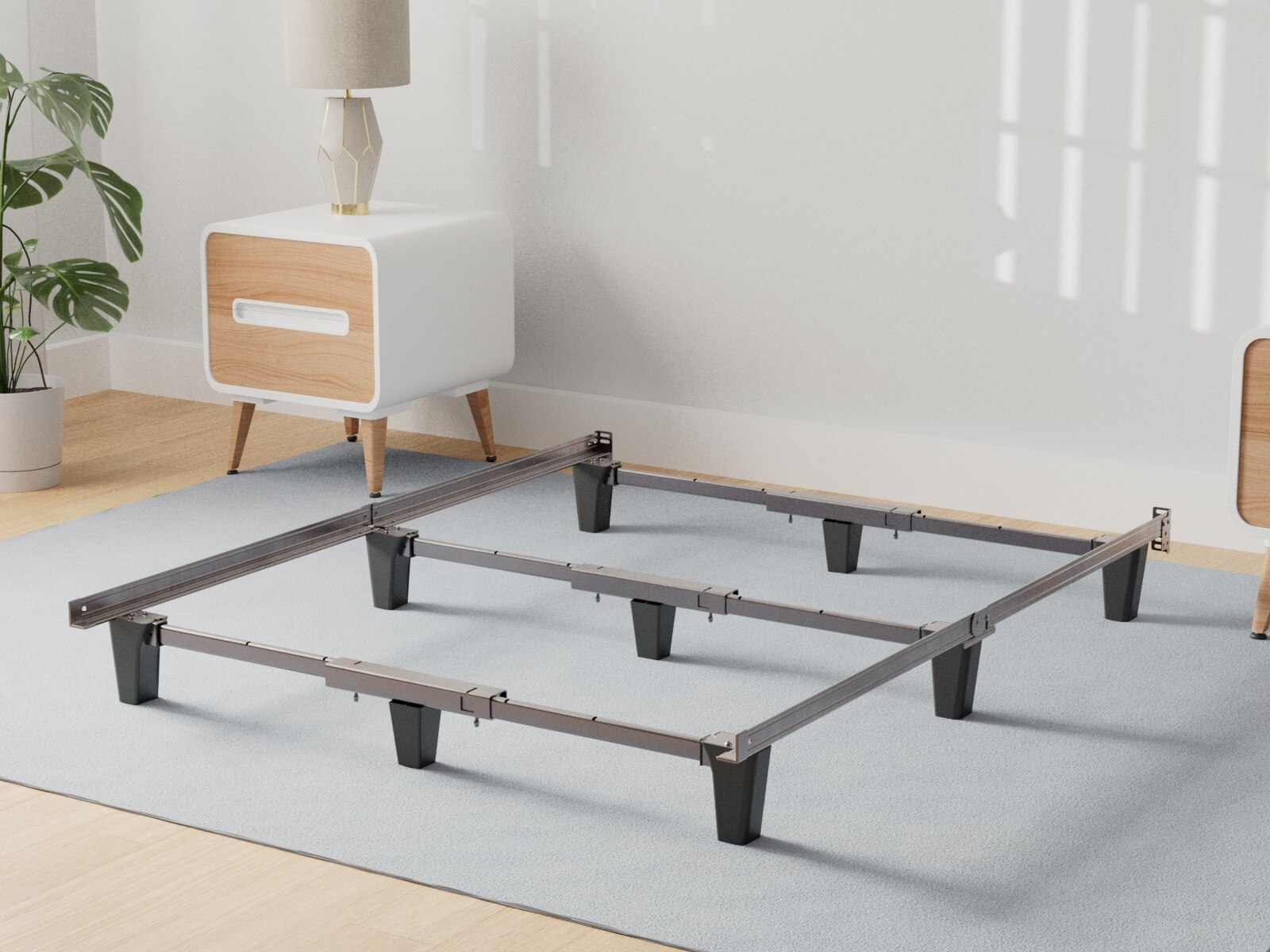
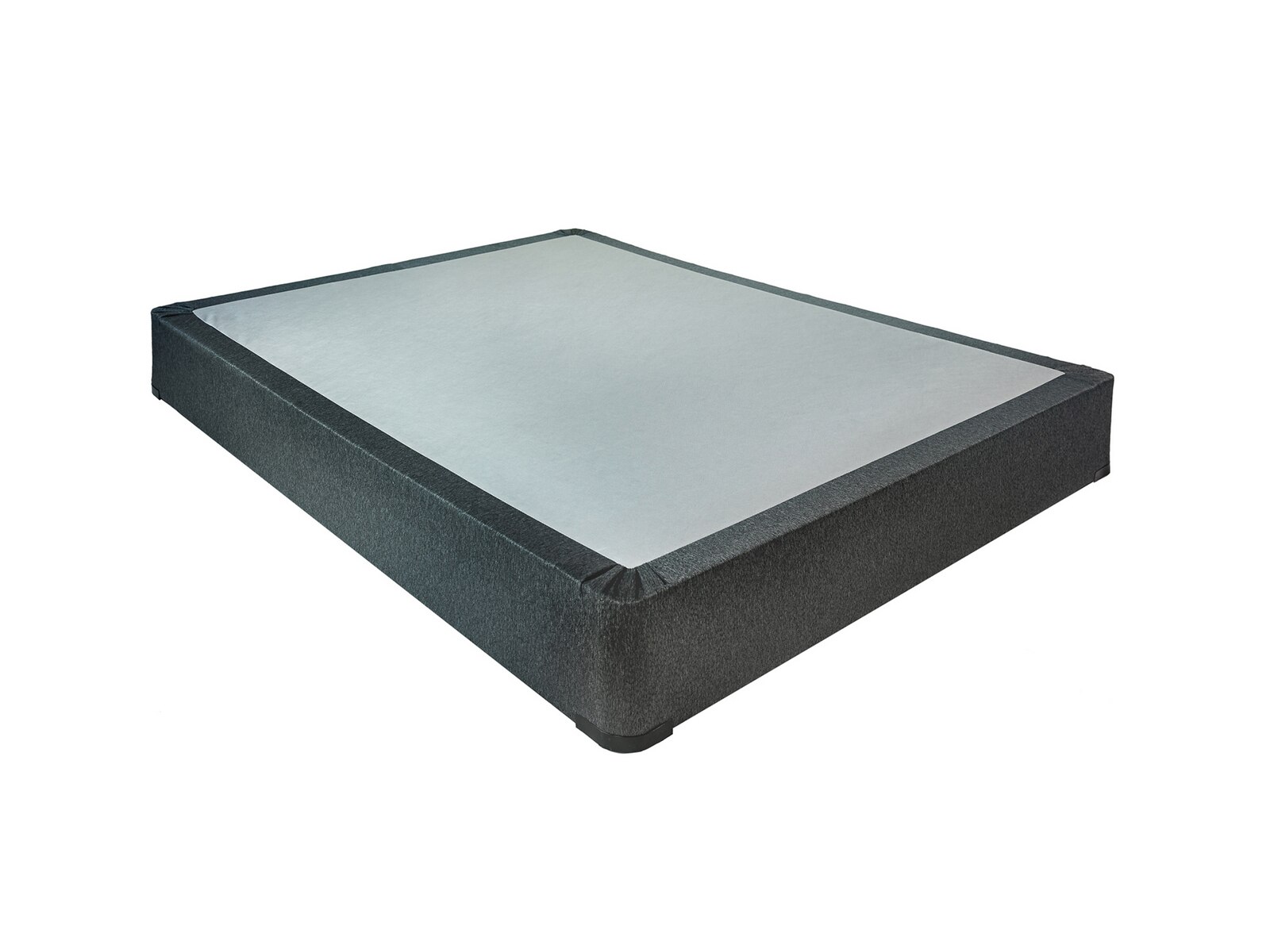
Long-term performance also depends on what sits beneath the mattress and how the entire sleep setup is maintained. A sturdy mattress needs a compatible base that supports it evenly; a worn foundation, widely spaced slats or an unsupported center can undermine an otherwise substantial design. Larger sizes often require center support, and manufacturer requirements should determine the appropriate frame, slat spacing and foundation type. For an adjustable base, compatibility matters because not every mattress is designed to bend repeatedly. Weight limits deserve the same attention. Check whether a stated capacity applies to each sleeper or the combined load, and review the base’s requirements separately rather than assuming both components have the same limit. Everyday care can help preserve comfort and protect the materials. A properly fitted mattress protector creates a barrier against spills and everyday moisture without replacing the need for routine cleaning. Follow the care label for spot cleaning, use only the recommended amount of moisture and allow the surface to dry fully before replacing bedding. Rotation may help distribute wear when the manufacturer recommends it, particularly when partners have different body weights or one side gets more use. Flipping is appropriate only for a mattress specifically designed to be used on both sides. Keeping heavy loads concentrated away from one small area, rather than repeatedly standing or jumping on the surface, also helps protect the internal components. Some settling in cushioning layers can occur with use, but a persistent dip, a tilted sleeping surface or a noticeable loss of support deserves closer inspection. Warranty terms often distinguish normal changes in feel from qualifying structural defects, so coverage should not be treated as a promise that comfort will remain unchanged. There is no single lifespan that applies to every mattress. Materials, construction, sleeper needs, use and foundation condition all influence durability. A dependable choice brings those details together: a sound support system, cushioning suited to the sleeper and a compatible base that helps the mattress perform as intended.