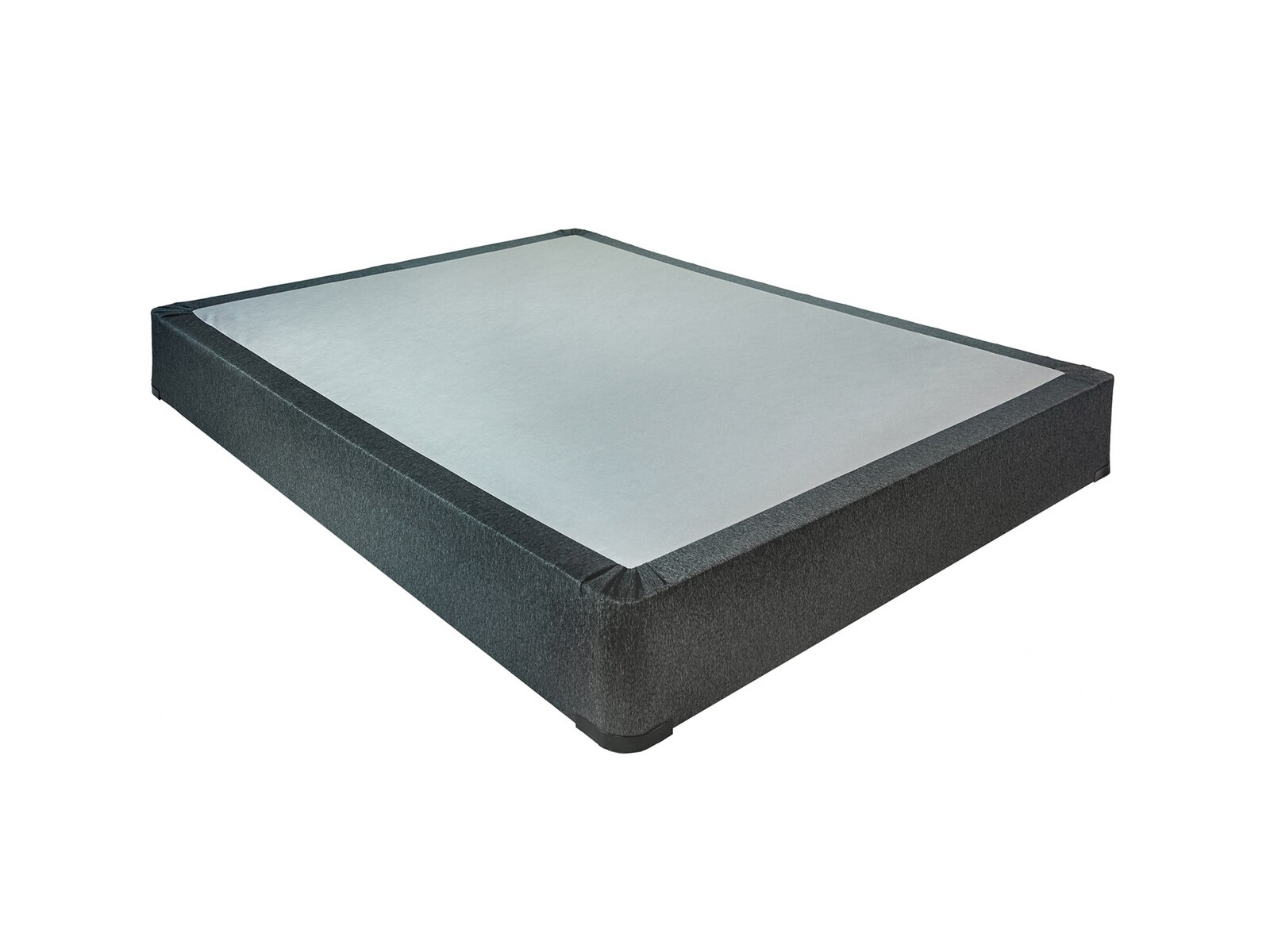
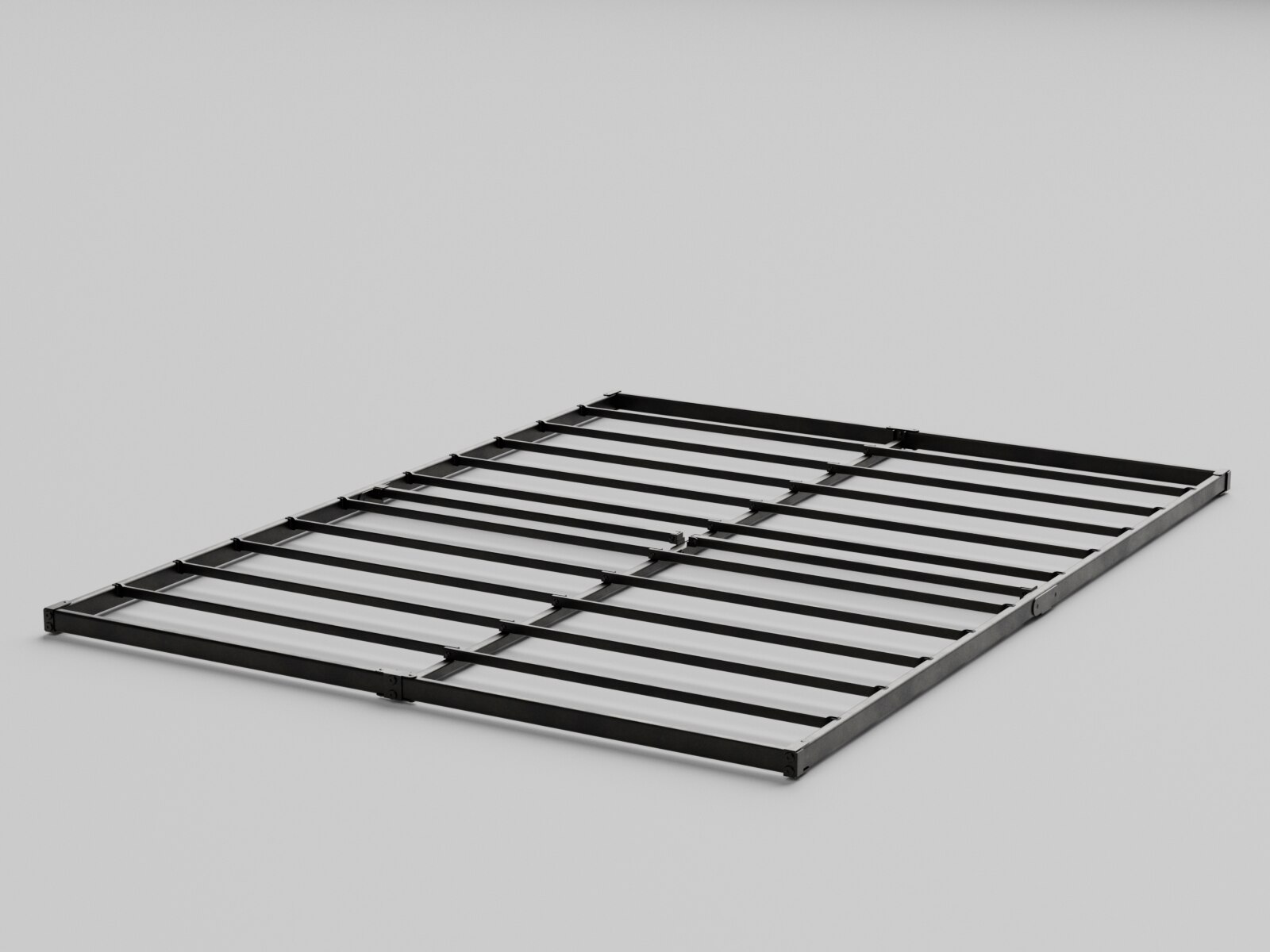
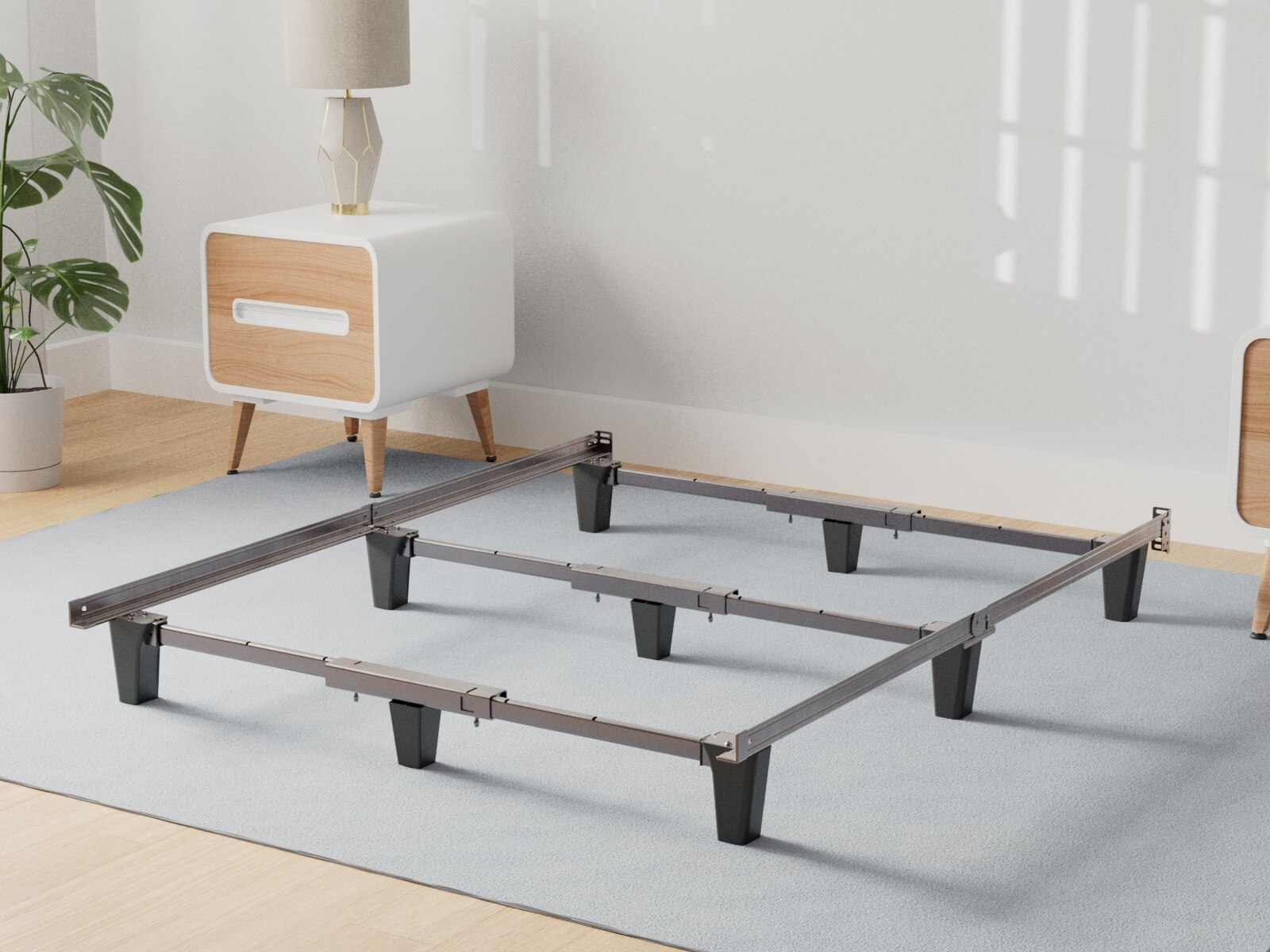
Sturdy platforms provide a supportive base for a mattress through a rigid frame and either closely spaced slats or a solid deck. In a bedroom, sturdiness depends on the whole structure: the strength of the rails, the connections at the corners, the support beneath the center and the way the mattress rests on top. A substantial-looking frame is not necessarily the strongest choice, and a streamlined design can be dependable when its construction and weight rating suit its intended use. When comparing
sturdy platform beds, mattress compatibility is a useful starting point. Many platform designs support a mattress without a separate box spring, although the requirements for both the mattress and the frame should confirm that arrangement. Foam, latex and hybrid mattresses may have specific requirements for slat spacing, slat width or the type of surface underneath them. Gaps that exceed those requirements can leave portions of the mattress unsupported, while a solid deck may need to meet ventilation requirements set by the mattress manufacturer. A platform should match the mattress size as well as its support needs. Twin and Twin XL designs can suit a smaller bedroom or a taller solo sleeper, while queen, king and California King sizes call for closer attention to the footprint and the structure beneath the sleeping surface. Nominal mattress size does not describe the entire bed: projecting rails, an upholstered headboard or a wide ledge can add several inches around it. Measuring the full frame helps preserve room for bedside tables, dresser drawers and a comfortable path through the bedroom. For a shared bed, central reinforcement is especially worth checking because the frame needs to support weight across a broad surface rather than only along its outer edges. The most useful specifications explain how that support is built, not simply how substantial the bed appears in a photograph.
Materials contribute to durability, but their performance depends on how they are used. A wood platform may combine solid wood rails with engineered wood panels, while a metal frame may use tubular rails, crossbars and welded or bolted connections. Wood species, component thickness, metal gauge and joint design all influence how a frame handles everyday use. Upholstery adds another layer of texture and cushioning around the frame, but the fabric itself does not indicate the strength of the structure beneath it. Reinforced corners, securely seated slats and center supports that reach the floor where required are more meaningful details than a bulky silhouette. Weight capacity also needs careful reading. Depending on the manufacturer, a stated limit may include the mattress, sleepers and bedding, or it may describe a different loading standard. A rating should never be assumed to apply only to body weight, and a capacity listed for one size should not automatically be applied to another. Couples, adults with heavier mattresses and households planning for changing needs benefit from checking these details before choosing a platform. Ordinary movement matters, too: sitting along the edge to put on shoes or turning over together places demands on joints and supports that a stationary display cannot reveal. Secure construction can help limit unwanted movement, though no frame should be treated as a jumping surface or loaded beyond its stated limits. Bed height shapes daily comfort just as much as structural strength. The combined height of the platform and mattress determines where the sleeping surface sits; a low frame with a thick mattress may feel quite different from its profile alone. A height that lets a sleeper sit with feet resting comfortably on the floor can make getting into and out of bed feel more manageable. For someone who needs assistance with transfers, suitable dimensions and compatibility with any required equipment deserve individual attention rather than an assumption that a taller or lower bed will always work better.
A well-chosen platform also fits the routines around the bed. Open space underneath can accommodate storage containers and make floor cleaning easier, while a low base creates a more grounded appearance with less exposed space below. Center legs and crossbars may divide the storage area, so overall clearance does not always tell the full story. Built-in drawers need room to extend beyond the frame, particularly beside a nightstand or near a wall. In a guest room, a straightforward platform can provide a consistent foundation without adding unnecessary bulk; in a primary bedroom, the same practical construction may be paired with a padded headboard or a wood finish that complements existing furniture. A platform chosen for a growing teenager should account for expected mattress size and everyday use, not appearance alone. Lasting performance also depends on correct assembly and routine care. All required supports should be installed, hardware should be tightened in the sequence specified by the manufacturer and the finished frame should rest on a level surface. A center foot suspended above the floor or a missing bracket can compromise an otherwise sound design. Periodic checks are useful after a move or whenever new movement or noise develops; tightening hardware should follow the care instructions rather than relying on extra force that could strip a connection. Wood and metal surfaces generally need gentle cleaning suited to their finishes, while upholstered sections may require vacuuming and fabric-specific spot treatment. Moisture should not be left sitting on finished surfaces, and bedding should not obscure areas that need occasional inspection. When rearranging a room, removing the mattress and moving the frame as directed helps protect joints from sideways stress. These practical details give sturdy platforms their lasting value: a base that fits its mattress, supports its intended sleepers and remains dependable through the ordinary rhythm of bedtime, morning routines and everyday care.