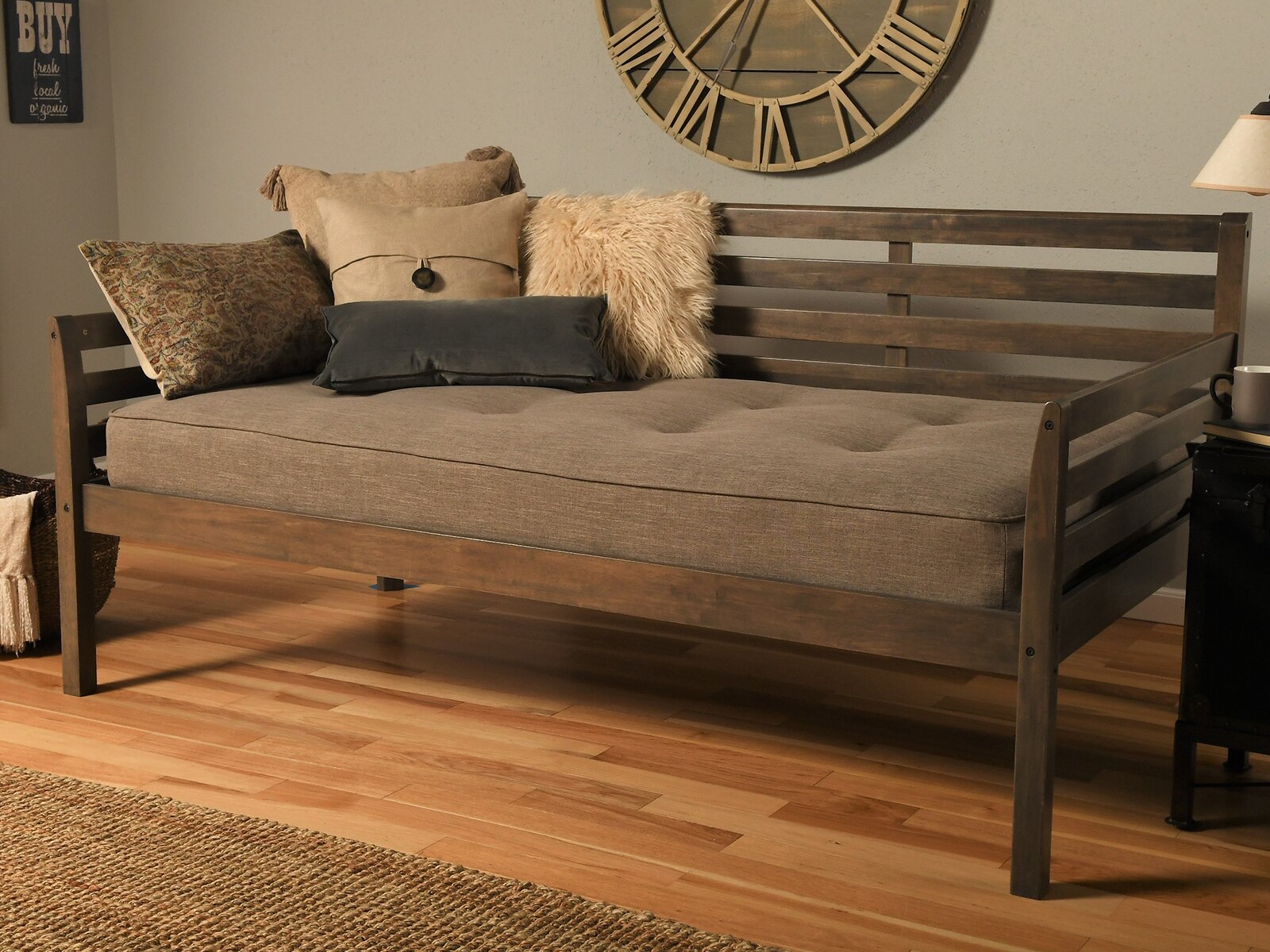
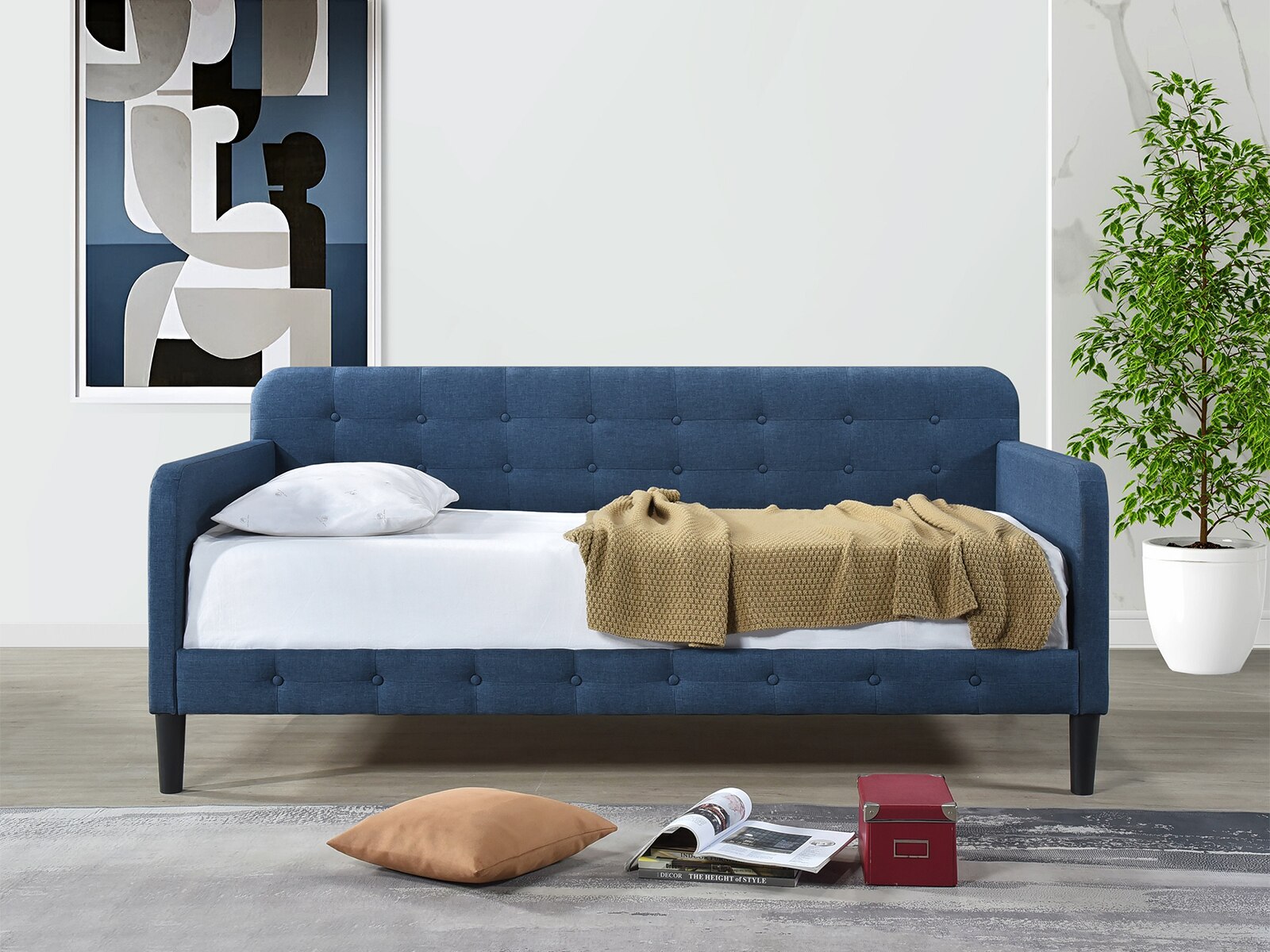
Summer daybeds create an inviting place to stretch out with a book, share a quiet conversation or settle in for an afternoon rest. Their appeal comes from combining the relaxed feel of a lounge with a shape that can work along a wall, beneath a window or within a thoughtfully arranged outdoor seating area. Indoor daybeds typically pair a mattress with a frame that has a back and side rails, allowing the same space to serve as seating and a sleeping surface. Outdoor versions are designed primarily for lounging and may use fitted cushions rather than a standard mattress, so intended use matters as much as appearance. A covered porch, an exposed patio and a guest bedroom call for different construction and upholstery. Solid wood brings warmth and visible grain to an indoor setting, while metal can give a compact room a more open look. For outdoor use, aluminum, appropriately finished steel, weather-suitable wood and synthetic woven materials each have distinct care needs. Aluminum resists rust, although its finish and hardware still need attention. Steel relies on a protective coating to help limit corrosion, particularly around scratches and joints. Wood exposed to sunlight and moisture may change color or require periodic maintenance according to the manufacturer's directions. With woven designs, both the surface material and the frame underneath contribute to durability. Fabric deserves the same consideration: indoor upholstery should remain indoors unless expressly rated otherwise, and outdoor cushions still benefit from protection when not in use. Weather resistance does not mean that cushions can stay wet indefinitely or that every frame belongs beside a pool. The most useful summer daybed is one whose materials suit its actual setting, whether that means a bright reading corner with washable bedding or a sheltered lounge area with cushions that can be brought inside after use.
Fit determines how comfortably a daybed works in everyday life. The frame's overall dimensions can be noticeably larger than the mattress or cushion area, especially when it has broad arms, a curved back or a surrounding platform. In a small room, those extra inches affect whether a drawer opens fully, a closet remains accessible or someone can pass without turning sideways. A daybed placed under a window also needs clearance for curtains, shades and any nearby heating or cooling equipment. When a design includes a pullout sleeping surface, allow room for it to extend completely without blocking the doorway. Mattress compatibility is another essential distinction between indoor sleeping daybeds and outdoor loungers. Many indoor frames accommodate a twin mattress, while other configurations require a different size; the frame's stated measurements and support requirements should always determine the fit. A mattress that is too thick can reduce the useful height of the back or side rails, and a lower pullout frame may have a particularly limited clearance. Slat spacing, foundation requirements and weight capacity should be checked together rather than considered separately. Comfort also depends on how the daybed will be used. Someone who reads upright for an hour may appreciate a supportive mattress and substantial back cushions, while an overnight guest needs a sleeping surface suited to their preferences and position. Cushions can bridge the distance between the front edge and back rail for seated use, then move aside when it is time to sleep. Breathable sheets and a lightweight, washable cover make an indoor daybed easy to refresh after a summer visit. For outdoor lounging, removable cushion covers and materials designed to dry efficiently can simplify care, provided their cleaning instructions are followed. Neither a fabric's soft feel nor a mattress's thickness alone establishes comfort; support, proportions and the way the whole setup fits the user matter more.
The practical details often determine whether a summer daybed becomes a favorite resting spot or an awkward piece to maintain. In a multipurpose room, a simple bedding arrangement can help the space move easily between daytime seating and overnight use. A fitted sheet beneath a washable cover keeps preparation straightforward, while a nearby basket or closet shelf gives extra pillows and blankets a place to go. Storage built into a frame can be useful, but drawers need opening clearance and should not be mistaken for sleeping platforms. Families furnishing a child's bedroom can explore
Kids Daybeds with attention to age-appropriate use, mattress fit and a layout that leaves room for play. Decorative side rails are not automatically safety rails, and any pullout mechanism should be operated according to the manufacturer's directions. For guests, clear walking space and a nearby place for glasses or a phone can make a modest room feel more welcoming. Outdoors, placement affects both comfort and upkeep: a level, stable surface supports the frame properly, while some shelter can reduce exposure to direct sunlight and rain. Allow damp cushions to dry thoroughly before storing them, and avoid enclosing moisture beneath a protective cover. Leaves, pollen and everyday dust are easier to manage with regular light cleaning than with occasional heavy scrubbing. Use only cleaners appropriate for the frame and fabric, and check whether removable covers are machine washable rather than assuming they are. Periodic inspection of fasteners, slats, seams and protective finishes helps identify wear before it interferes with use. If a daybed will be moved between spaces, consider its weight, doorway clearance and whether disassembly is permitted. With suitable materials, a well-fitting mattress or cushion and manageable care requirements, a summer daybed can provide a comfortable setting for quiet breaks, shared lounging and, when designed for it, a restful overnight stay.