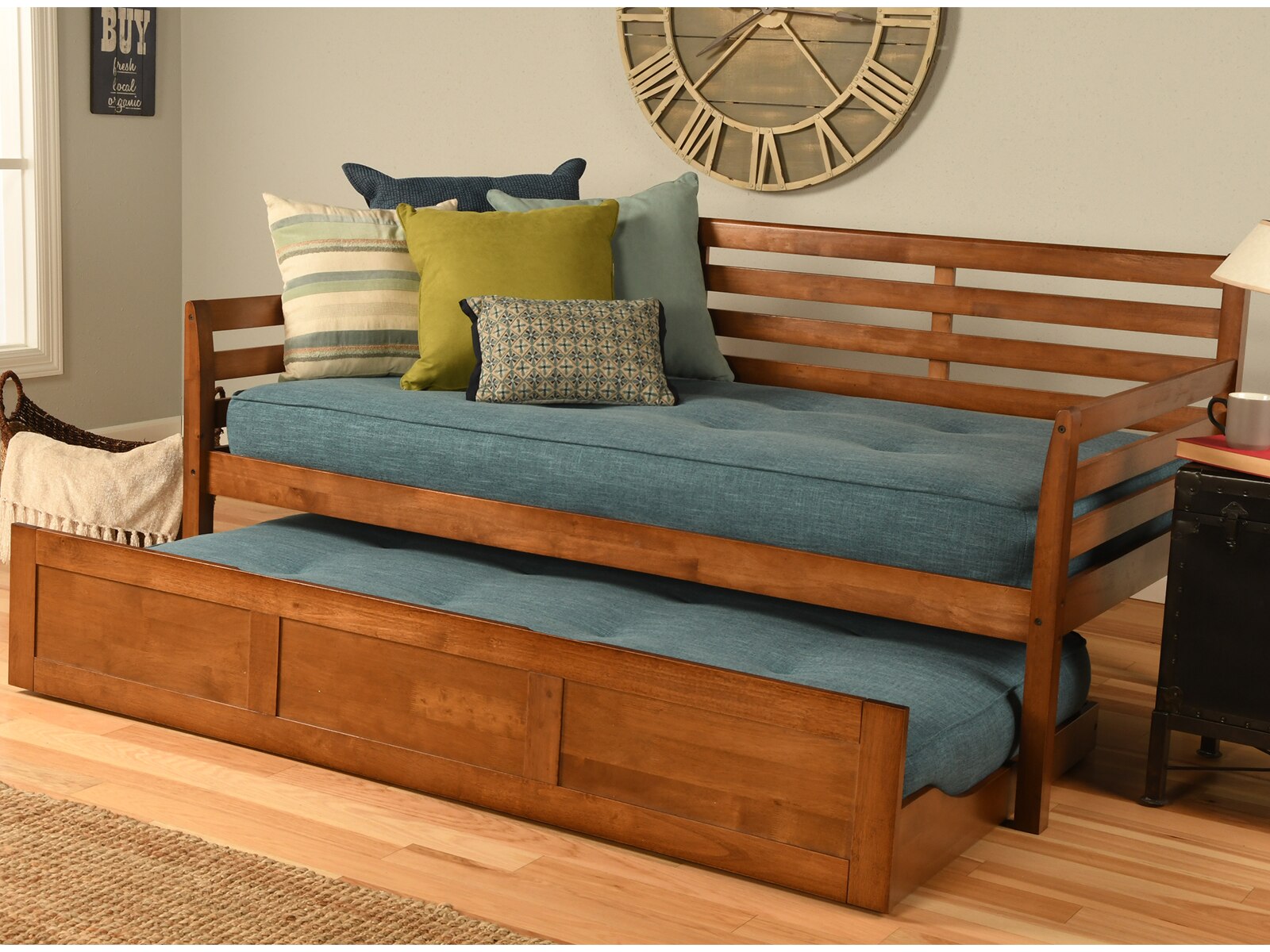
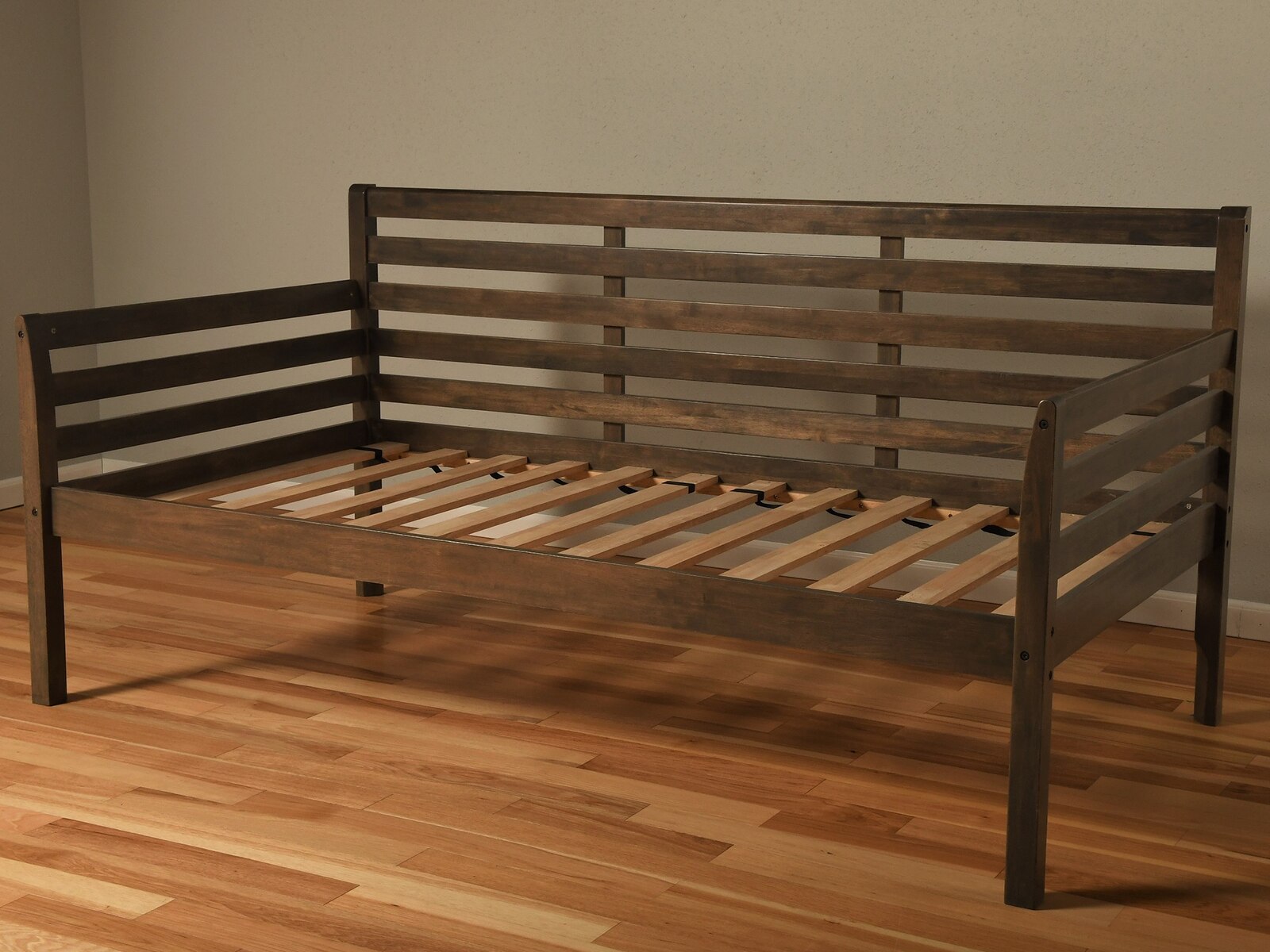
Boho daybeds for summer entertaining bring relaxed seating and an inviting place to stretch out to spaces where people gather. Their appeal comes from a mix of airy silhouettes, woven textures, warm wood tones and soft bedding rather than a perfectly matched furniture arrangement. In a sunroom, a daybed can become the spot where guests settle with iced tea while conversation moves between the kitchen and the garden. On a covered patio, a model designed for outdoor use can create a comfortable lounging area beside a low table and a few chairs. Indoors, a daybed may also serve as an occasional sleeping space, provided its frame, mattress and support system are intended for that purpose. The important distinction is where the furniture is built to function: a boho appearance does not make an indoor daybed suitable for outdoor exposure. Natural woven details and wood finishes can be sensitive to moisture and direct sunlight, even beneath a roof, so the manufacturer’s placement and care recommendations should guide the setup. Before choosing a size, measure the full frame rather than relying on the mattress dimensions alone. Arms, backrests and decorative curves can add width or depth that matters in a narrow sitting area. Leave room for guests to pass without turning sideways, and check that nearby doors can open fully. A daybed with a pullout trundle needs additional floor space when extended, while drawers need clearance to open without moving surrounding furniture. Placement also affects how the gathering feels. Facing the daybed toward other seating encourages conversation; positioning it along the edge of the room leaves more space for serving refreshments. For households that host overnight visitors, a layout that offers privacy after the gathering can be just as useful as generous daytime seating. Couples furnishing a first home, families creating a flexible guest room and hosts refreshing a gathering space may all appreciate that versatility.
Materials help define both the boho look and the daybed’s everyday practicality. Rattan is a material, while wicker describes a weaving technique, so a woven frame may contain natural fibers or manufactured alternatives with different care needs. Natural rattan can contribute a light, textured appearance indoors; synthetic woven materials may be appropriate outside when the complete daybed is specifically rated for outdoor use. A wood frame adds warmth and can complement linen, cotton and woven accents, but its finish and construction determine how it should be maintained. Metal frames offer another way to keep the silhouette open, although outdoor suitability depends on the coating, hardware and manufacturer’s specifications rather than the material alone. For durability, consider the frame’s stated weight capacity, assembly requirements and support structure. Secure joints and properly installed slats matter when the daybed will move between everyday lounging and overnight use. Comfort starts with the right fit: confirm the required mattress size, allowable thickness and whether the base needs any additional support. Many daybeds accommodate a twin mattress, but dimensions vary, and a Twin XL mattress requires a frame designed for its extra length. Mattress height also changes how much of the backrest remains visible and how easily someone can sit down with their feet supported. Trundle mattresses often have separate thickness limits, so the main sleeping surface and the pullout space should be checked independently. For daytime lounging, larger pillows against the back can make a deep seat feel more supportive without crowding the usable surface. Cotton or linen bedding can provide a breathable, textured foundation, while a lightweight quilt gives the arrangement a finished appearance without excessive bulk. Terracotta, cream, sand and muted blue work well with woven surfaces and wood tones. Coordinating
Boho Daybeds For Layered Bedding offers another way to connect the furniture’s relaxed character with tactile bedding. Keep outdoor cushions and textiles appropriate to their setting, and avoid treating decorative indoor bedding as weather-resistant.
An entertaining space works best when its styling leaves room for actual use. A daybed piled with pillows may look inviting, but guests still need somewhere to sit, set a glass and place a bag. A few supportive cushions, a washable layer and a nearby stable table can be more practical than a dense arrangement of accessories. Keep walking paths clear, position drinks away from bedding edges and use floor coverings appropriate to the location, with secure edges that do not create a tripping hazard. For summer gatherings that continue into the evening, an easily accessible lightweight throw gives guests another comfort option without requiring a complete change of bedding. If the daybed will accommodate an overnight visitor, set aside clean sheets, a sleeping pillow and bedding suited to the indoor room conditions. Decorative cushions can move to a basket or shelf so the mattress remains clear for sleep. Care routines should match the frame, upholstery and intended environment. Remove dust from woven surfaces with a soft brush or a vacuum attachment when recommended, and address spills promptly using the manufacturer’s cleaning directions. Removable covers are not necessarily machine washable, so check their labels before laundering. Let cleaned cushions dry fully before storing them, and avoid putting damp textiles beneath a cover where moisture can linger. Outdoor-rated furniture still benefits from protection appropriate to its materials; storing cushions in a dry place and using a suitable cover can help limit unnecessary exposure between gatherings. Indoor daybeds should remain indoors unless their care instructions explicitly permit another setting. For gifting, a daybed is most appropriate when the recipient has confirmed the space, dimensions and intended use, while compatible bedding can be a more flexible housewarming gesture. Thoughtful sizing, supportive construction and manageable care make the boho aesthetic feel lived-in rather than staged, giving summer entertaining a comfortable centerpiece that can support the household’s other needs when the gathering ends.