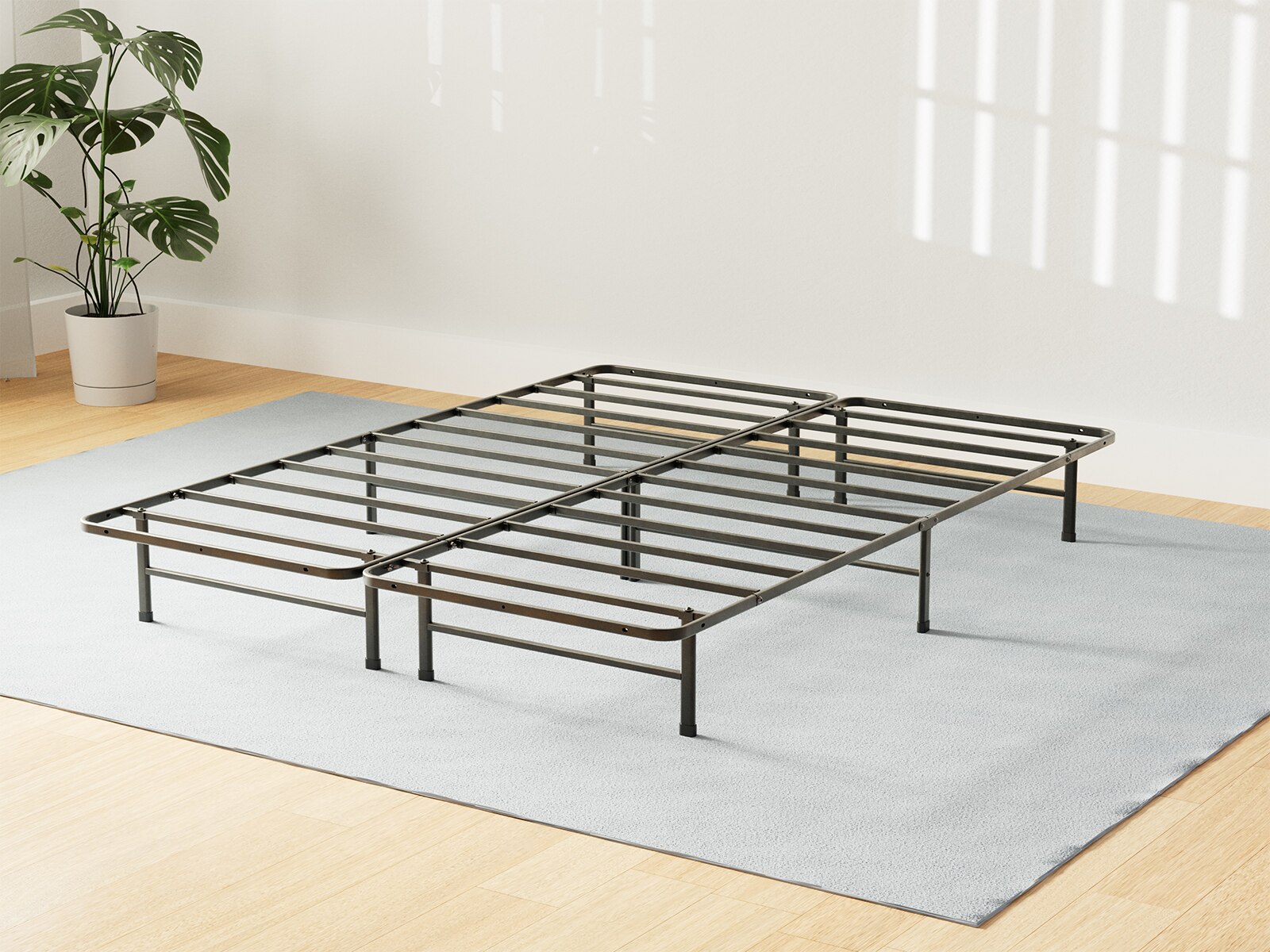
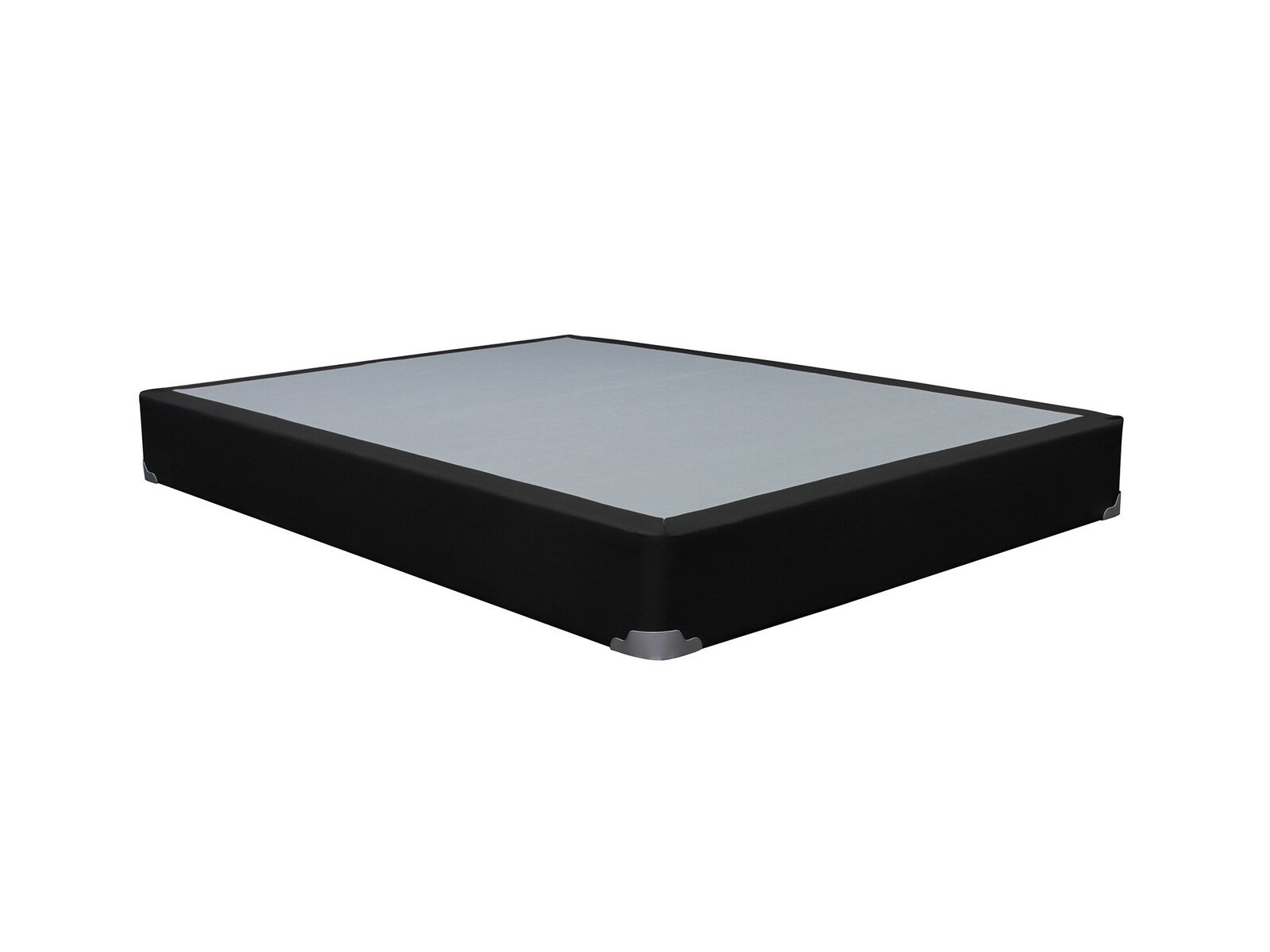
Space-saving twin beds make small bedrooms, guest rooms and shared living spaces more functional through compact frames, built-in storage, elevated sleeping surfaces or designs that tuck away when not in use. A standard twin mattress typically measures 38 inches wide by 75 inches long, offering a single-person sleeping surface that leaves more room for everyday activities than larger mattress sizes. The complete bed takes up additional space, however, so the frame’s outside dimensions matter just as much as the mattress measurements. A slim platform frame can keep the footprint close to the mattress size, while a substantial headboard, footboard or surrounding storage unit may extend it. In a child’s bedroom, that difference can determine whether there is room for a reading chair or an open patch of floor for building blocks. In a multipurpose guest room, it can help preserve space for a desk and a clear path to the closet. Storage beds make use of the area beneath the mattress for clothing, extra bedding or toys, potentially reducing the need for a separate dresser. Raised frames create room for storage containers, while trundle designs tuck a second sleeping surface beneath the main bed. A trundle needs enough open floor space to extend fully, and storage drawers need clearance to open without hitting a wall or nearby furniture. Loft and bunk designs use vertical space rather than spreading multiple functions across the floor, though their overall height and access requirements remain important. The most useful twin bed space saver fits the room both when everything is tucked away and when drawers, ladders or additional sleeping surfaces are in use. Door swings, baseboards, windows and walkways all influence that fit. A bed positioned along one wall can open up the center of a room, but bedding changes and access to storage should still feel manageable rather than becoming a daily squeeze. These practical details distinguish a layout that merely fits from one that remains comfortable to live with.
The frame and mattress work together, so a compact footprint should not come at the expense of dependable support or a comfortable sleeping surface. Solid wood, engineered wood and metal are common frame materials, each with different construction details to consider. Wood can bring a warm, substantial feel to a bedroom, while metal can suit a visually lighter design with slender rails and an open profile. Engineered wood often appears in storage components, where panel thickness, edge finishes and secure connections contribute to everyday durability. Material alone does not determine strength; well-fitted joints, stable legs, properly attached hardware and the manufacturer’s weight limits are more useful indicators. For slatted frames, the spacing and condition of the slats should meet the mattress manufacturer’s support requirements. Some mattresses work directly on an appropriate platform, while others require an additional foundation, which can change the finished bed height and usable space underneath. Mattress construction also affects the sleep experience. Foam can offer contouring and help absorb movement, innerspring designs often have a more responsive feel, and hybrids combine springs with comfort layers. Firmness is a separate consideration from those material categories and should reflect the sleeper’s preferences, body size and usual sleep position. A side sleeper may appreciate cushioning at the shoulders and hips, while someone who prefers a firmer surface may want a steadier feel with less sink. Mattress thickness deserves particular attention with trundles, bunks and fold-away frames because these designs can have specific clearance or compatibility limits. On an upper bunk, the mattress must stay within the prescribed height so the guardrails remain effective. Children younger than six should not sleep on an upper bunk, and all elevated beds should follow the manufacturer’s age, assembly and safety requirements. Ceiling clearance, a secure ladder and enough room to sit up comfortably help make an elevated sleeping area usable. A standard twin can suit many children and adults, while a Twin XL typically adds five inches of length for taller sleepers, provided the frame and room can accommodate it.
Everyday use often reveals which space-saving features matter most. A child who keeps favorite books beside the bed may benefit from accessible shelving, while a guest room used as a home office may work better with a simple frame that leaves room for the desk chair to move. For siblings sharing a bedroom, vertical sleeping arrangements can preserve floor space, but each sleeper still needs a safe route in and out of bed and somewhere to keep personal belongings. A tucked-away second sleeping surface can make overnight visits more comfortable without occupying the room permanently. The related collection of
Twin Bed Frames For Extra Sleeping Space offers another way to explore compact sleeping arrangements for shared rooms and guest spaces. For everyday adult use, access and bed height deserve as much attention as storage capacity; a very low frame or elevated sleeping surface may not suit someone who finds climbing or getting up from a low seat difficult. If a twin bed is intended as a gift for a child’s room or a family member’s first apartment, confirming the room measurements and sleeping preferences helps make the gesture genuinely useful. Long-term care is usually straightforward when it follows the materials and construction. Finished wood and metal surfaces can often be wiped with a soft cloth using manufacturer-approved methods, while upholstered sections may need regular vacuuming and fabric-specific spot cleaning. Storage drawers stay easier to use when they are not overloaded and their tracks remain clear of stray clothing or bedding. Hardware should be checked periodically, especially after moving the frame, and any loose connections should be addressed according to the assembly instructions. A washable mattress protector can help manage everyday spills, and rotating the mattress is appropriate when its care instructions recommend it. Keeping ventilation paths clear and stored belongings within the designated storage area helps preserve the bed’s intended function. Thoughtful sizing, sound construction and manageable upkeep allow a compact twin sleeping arrangement to remain useful as the room’s needs change.