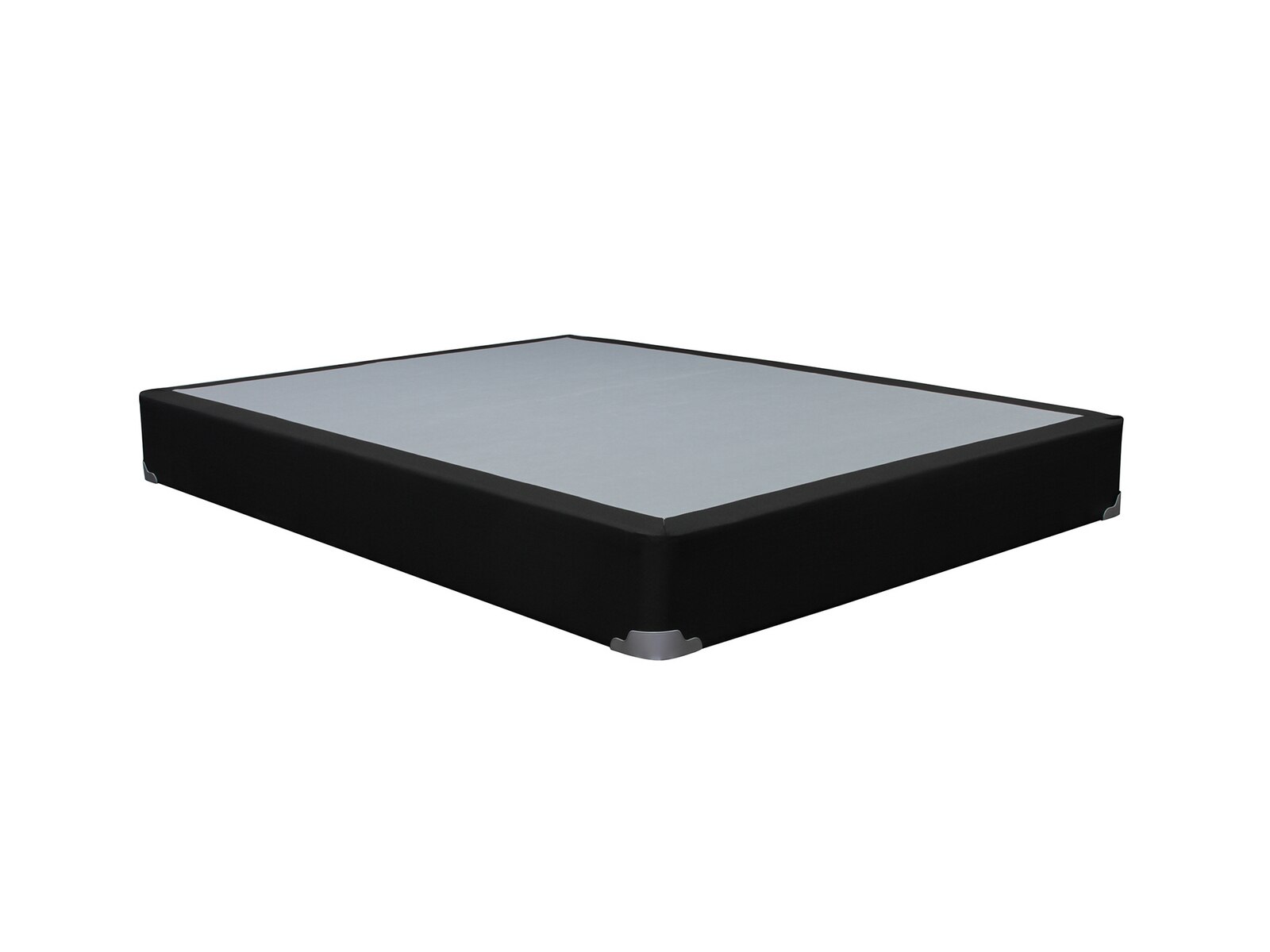
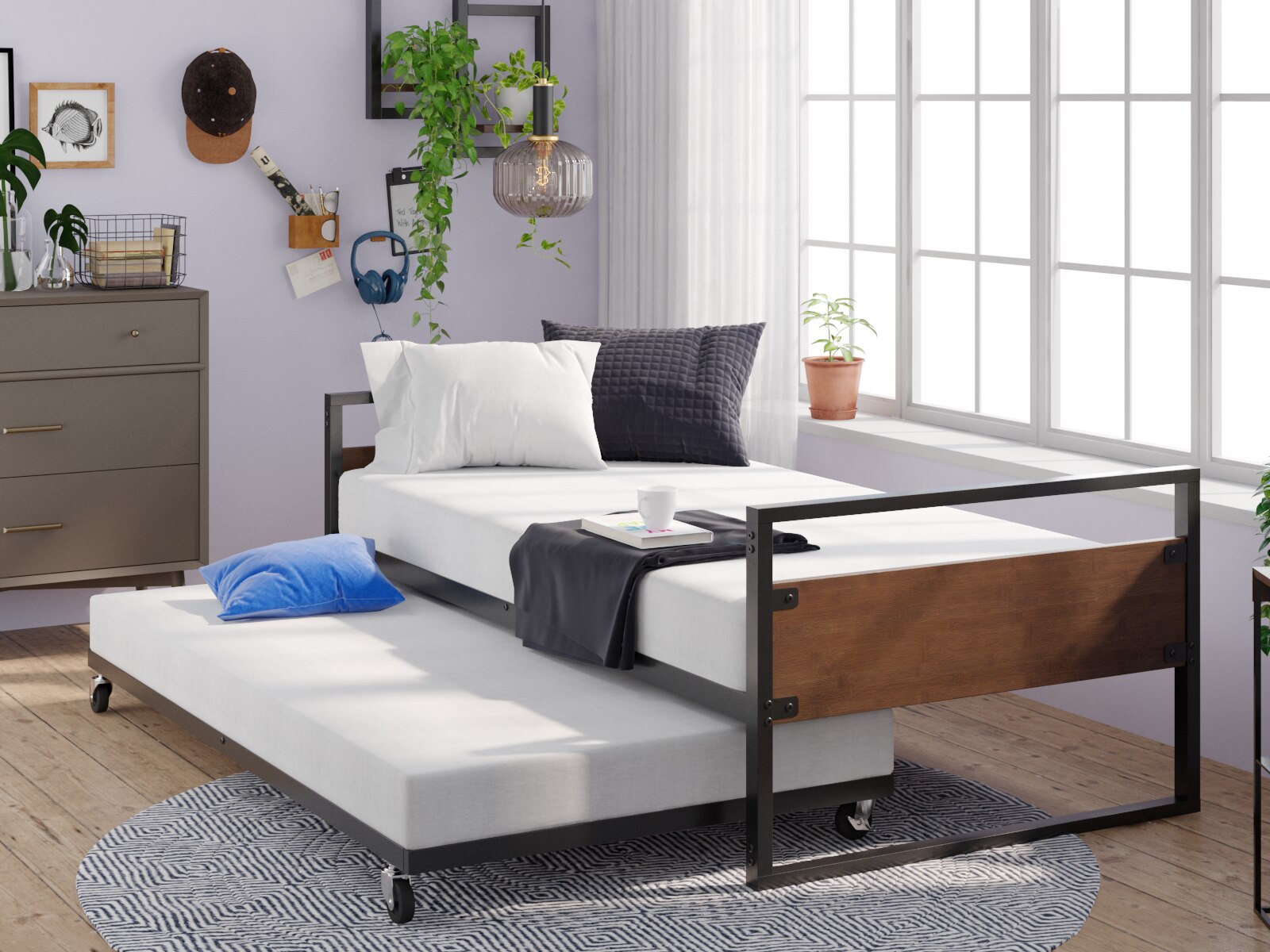
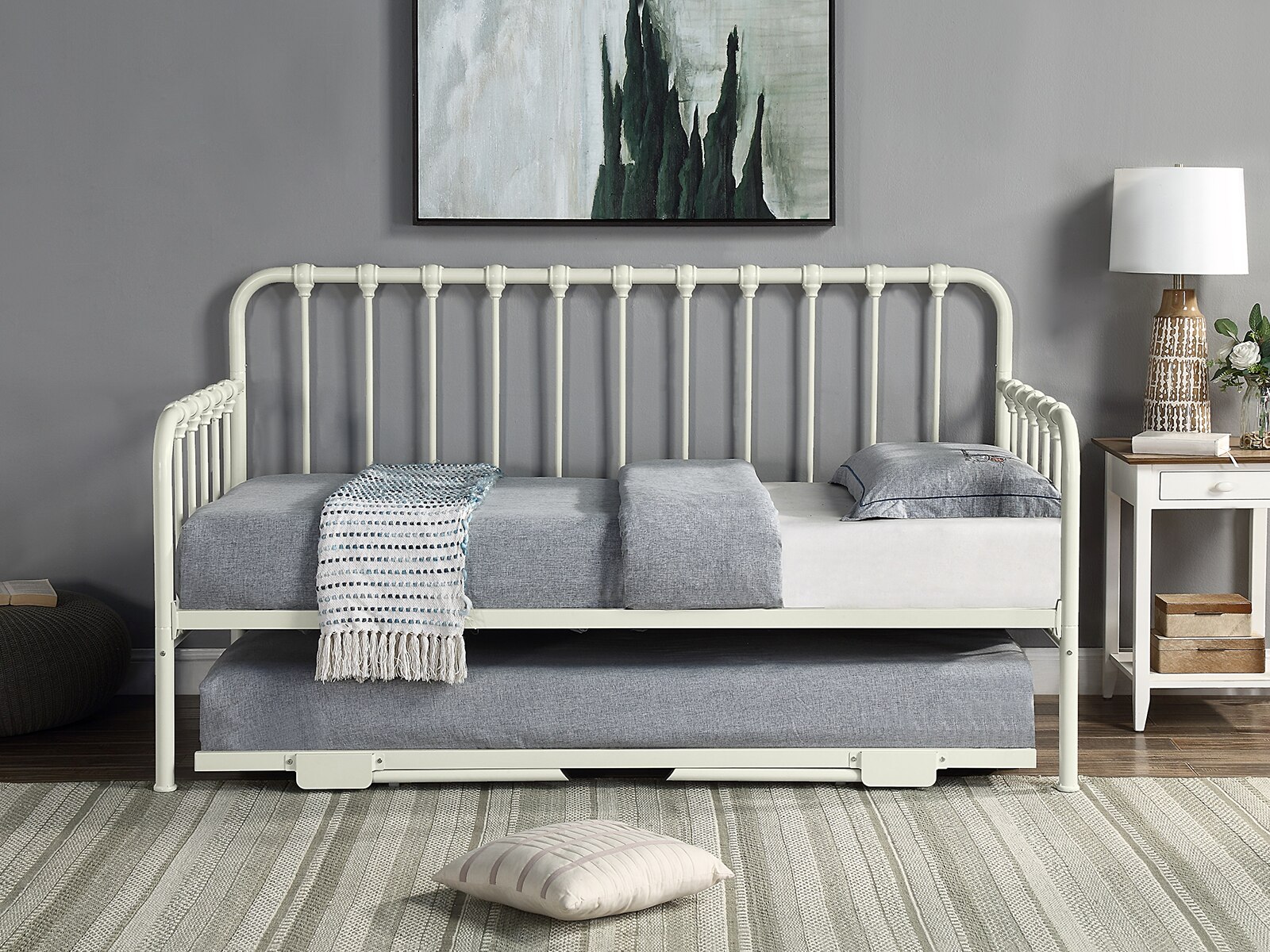
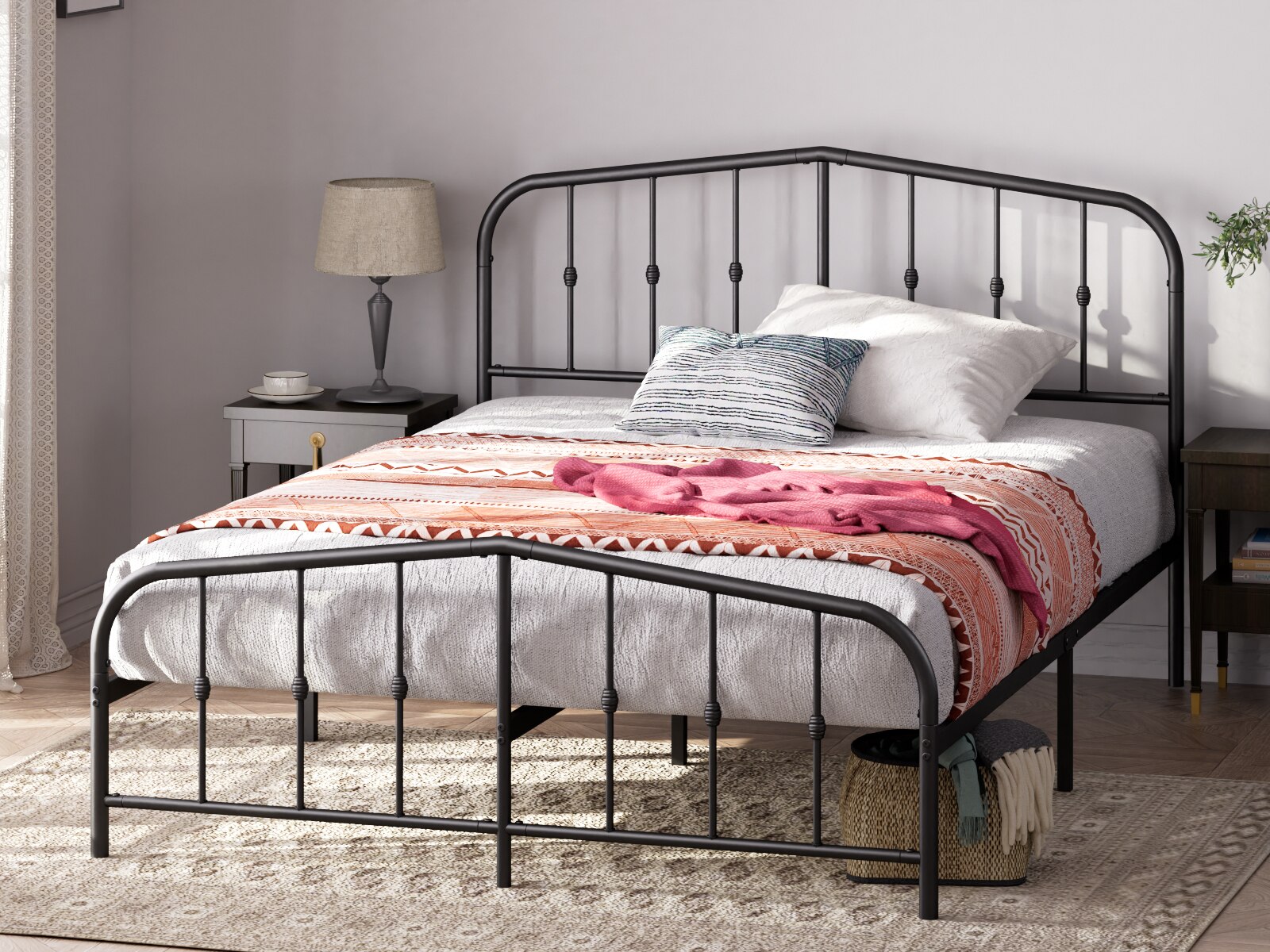
Twin bed systems combine a twin mattress with a compatible support setup, such as a frame and foundation, a platform bed or an adjustable base. A standard twin mattress measures 38 inches wide by 75 inches long, making it a space-conscious choice for children, single sleepers and guest rooms. Those measurements describe the mattress, not the entire bed: a headboard, footboard or upholstered frame can add to the overall footprint. In a smaller bedroom, that distinction can determine whether a dresser drawer opens fully or a bedside table fits comfortably beside the bed. Twin setups also work well in shared bedrooms, where two separate beds give each sleeper a defined space while leaving room for other furniture. For a child moving into a larger bed, the height of the assembled system matters as much as its width; a thick mattress on a tall foundation may be harder to climb into than a lower platform configuration. Adults can use twin beds, too, though length deserves attention. A Twin XL mattress is typically 38 inches wide by 80 inches long, providing five additional inches of length, and it requires support components sized for Twin XL rather than standard twin. This distinction is especially important in college housing, where room requirements can vary. Within either size, the support arrangement should match the mattress manufacturer’s requirements. A platform may provide support without a separate foundation, while another frame may be designed to hold both a mattress and a foundation. The components grouped under
Twin Bed Substructures form the supporting portion of the setup, so dimensions, construction and compatibility deserve the same attention as mattress comfort. A well-matched system keeps the mattress properly supported without adding unnecessary layers or height. It also leaves enough usable space around the bed for everyday routines, from making the bed to reaching a closet.
Comfort depends on the mattress and the structure beneath it working together. Foam mattresses can provide close contouring, while innerspring construction often has a more responsive feel; hybrid construction combines coils with cushioning layers. These categories describe construction rather than a guaranteed comfort level, and firmness can vary within each one. A side sleeper may appreciate cushioning around the shoulders and hips, while a back or stomach sleeper may prefer a surface that limits excessive sinking. Body size and personal preference also affect how a mattress feels, so a twin bed for a growing child may call for different considerations than one used nightly by an adult. For a guest room, a broadly comfortable feel can accommodate a range of visitors without requiring the room to serve only one person’s preferences. Beneath the mattress, support details have a practical effect on performance. Slats should meet the mattress manufacturer’s requirements for spacing and construction, and any required center supports or legs should be part of the assembled base. A mattress that spans unsupported gaps may not perform as intended, even if the frame’s outer dimensions are correct. Wood, metal and upholstered structures each bring different qualities to a room. Wood can add visible grain and a substantial appearance, metal can create a lighter visual profile and upholstery can soften the look of a headboard. Durability, however, depends on more than the material name. Secure joints, appropriate support, sound hardware and a suitable weight rating all matter. Upholstered surfaces also introduce fabric care considerations, especially in a child’s room or a space shared with pets. Adjustable configurations add another compatibility requirement: the mattress must be designed to flex with the base, and the surrounding frame must allow that movement. A standard twin adjustable base should not be assumed to have the same dimensions or requirements as a Twin XL configuration. These distinctions help keep comfort, appearance and structural support aligned with the way the bed will actually be used.
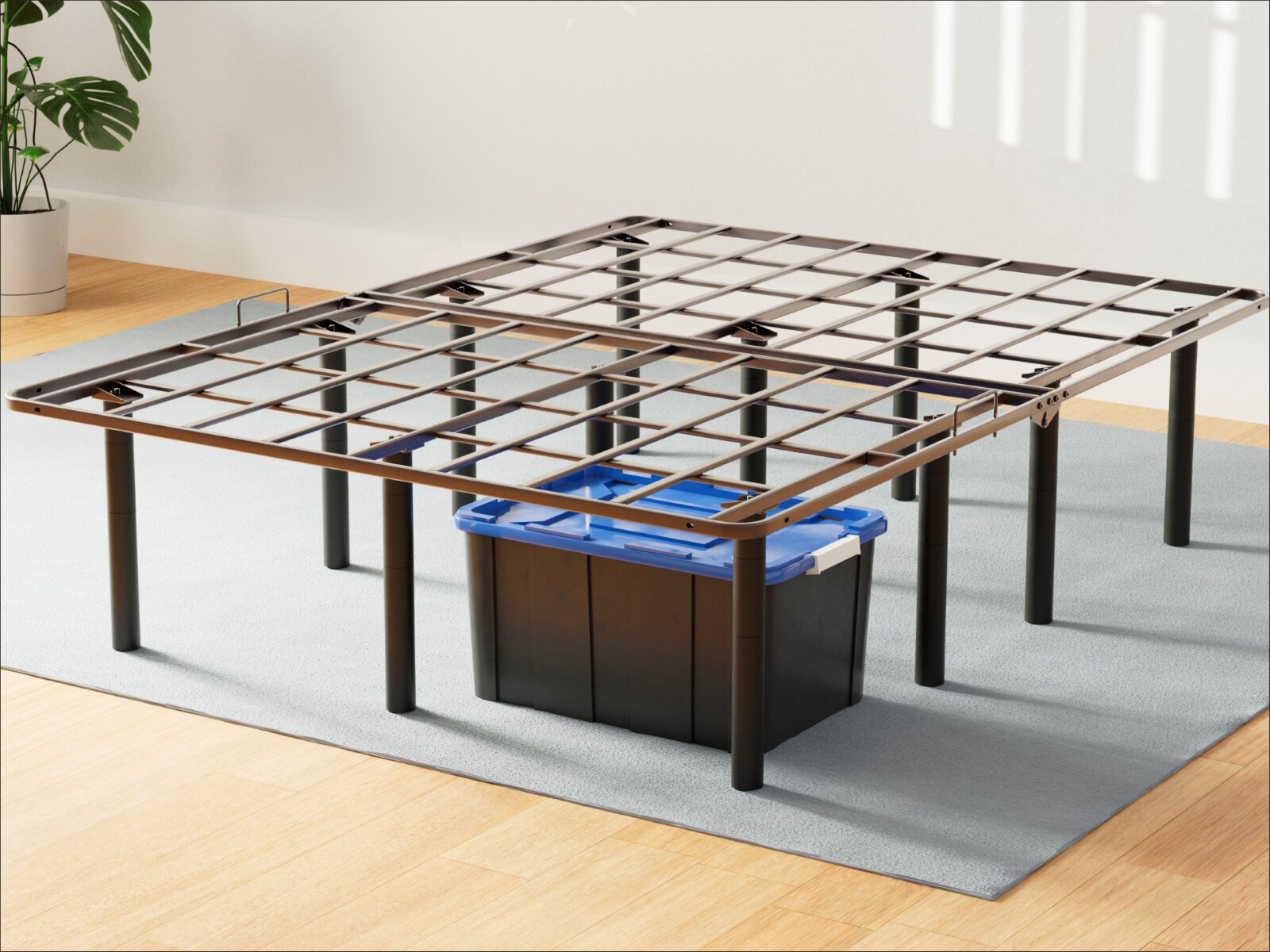
Everyday details often determine how comfortably twin bed systems fit into a home over time. A low-profile setup can make a small room feel more open, while a raised frame may create useful space beneath the mattress for storage. That extra clearance is most helpful when containers can slide out without blocking a doorway or requiring other furniture to move. Beds with built-in drawers need their own opening space, and a frame placed close to a wall can make changing fitted sheets more awkward. Bedding fit also depends on mattress depth, not just the twin size printed on the package. A fitted sheet needs enough pocket depth to stay secure around the mattress, and a mattress protector should fit smoothly without bunching beneath the sleeper. A washable protector can help manage everyday spills and reduce direct wear on the mattress surface, particularly in children’s rooms or frequently used guest spaces. Care requirements vary by component: removable bedding follows its own laundry directions, upholstery may require spot cleaning and wood or metal surfaces need cleaning methods suited to their finishes. Mattress care should follow the manufacturer’s instructions, including whether rotation is recommended; flipping is appropriate only when the mattress is designed for it. Keeping liquids away from adjustable-base motors and controls is another practical consideration. Over time, loose fasteners, shifted slats or unusual movement can signal that the support structure needs attention. Manufacturer guidance on hardware checks, weight limits and assembly helps preserve the system’s intended use. For households that rearrange rooms or move between homes, doorway clearance, stair turns and the ability to disassemble the frame can matter just as much as its assembled dimensions. A twin bed system works best when its footprint, comfort and upkeep suit the person sleeping in it and the room around it, whether that means a child reaching a bedside book independently or a guest having a clear path beside the bed.