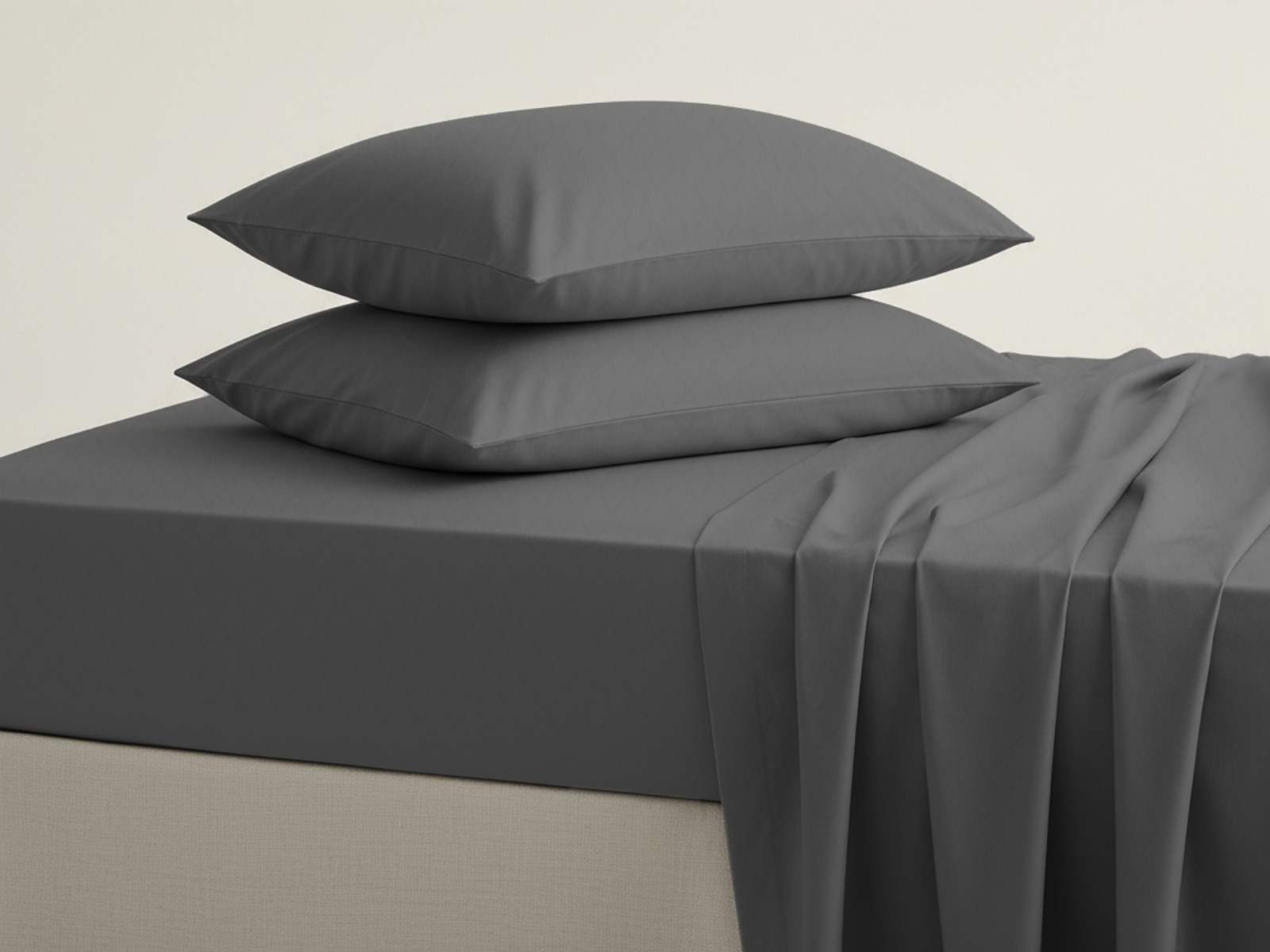
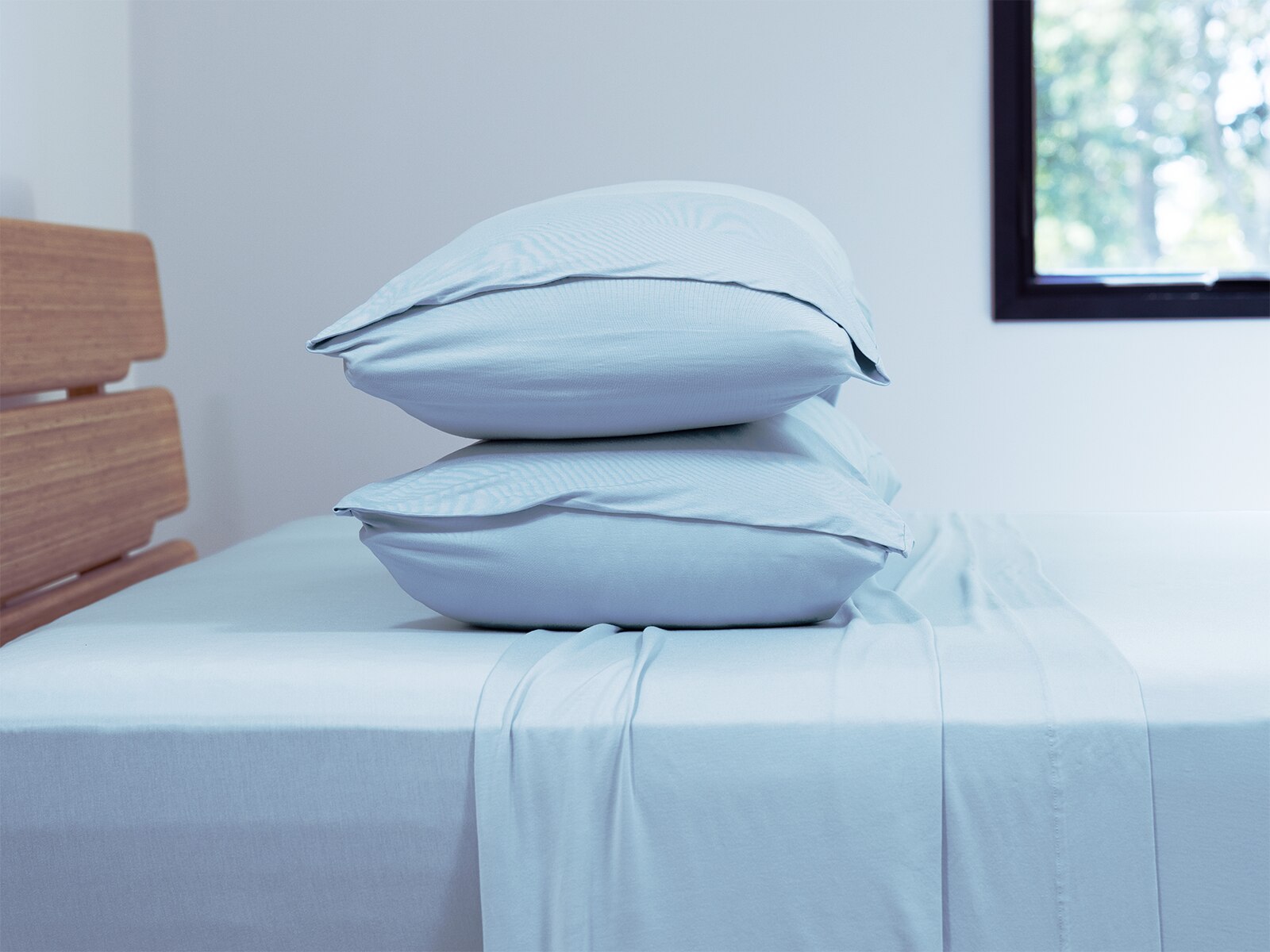
Twin cooling sheets are bedding sized for a twin mattress and designed to help manage warmth and moisture at the sleep surface. Depending on the fabric, they may encourage airflow, move moisture away from the skin or offer a cool-to-the-touch feel when someone first settles into bed. These features are related, but they are not interchangeable: a sheet that feels cool at first contact does not necessarily stay cool throughout the night, and a breathable sheet may feel pleasantly neutral rather than noticeably chilled. Material and construction both matter. Cotton percale typically has a crisp, matte finish that appeals to sleepers who prefer a light, freshly made bed feel. Cotton also absorbs moisture, although how quickly it dries depends on the fabric’s thickness and construction. Linen has a more textured feel, often softens with washing and can suit someone who prefers bedding with a relaxed drape. Lyocell and viscose made from bamboo can feel smooth and fluid against the skin, but the fiber name alone does not establish how well a sheet manages heat. Performance fabrics made with polyester or nylon may be engineered to spread moisture across the fabric so it can evaporate, while a small amount of stretch fiber can help a fitted sheet conform to the mattress. The finished weave, fabric weight and any applied treatments influence how these materials perform. For that reason, thread count is not a reliable cooling score on its own. A dense fabric with a high thread count may feel substantial, while a lighter construction may allow more airflow. Cotton sateen generally has a smoother surface and more sheen than percale, but its comfort still depends on the particular construction. Someone who dislikes a clingy feel may prefer a crisper fabric; someone bothered by rough texture may favor a smoother finish. The most useful comparison considers breathability, moisture management and the way the fabric feels against the skin rather than relying on a single cooling claim.
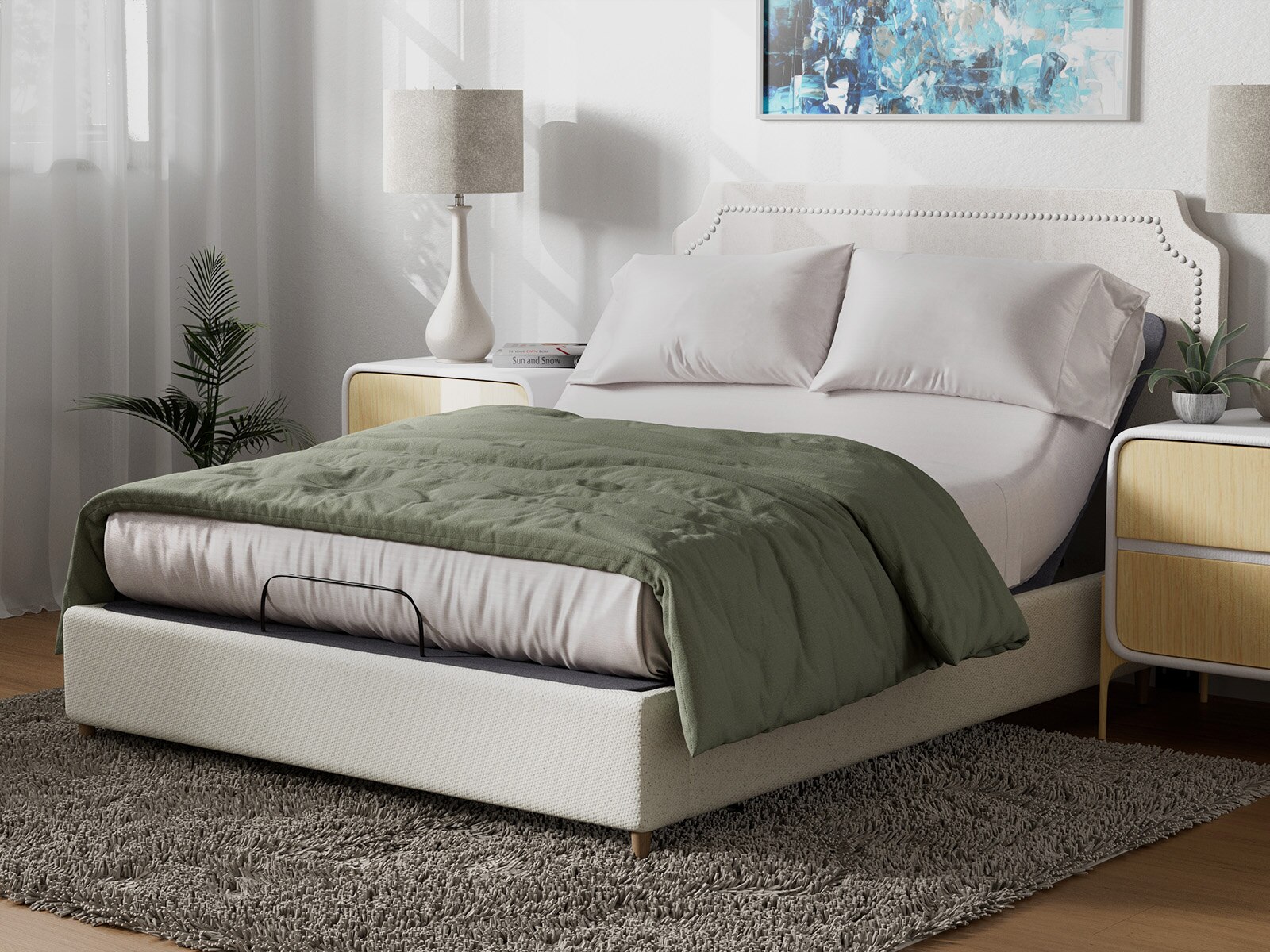
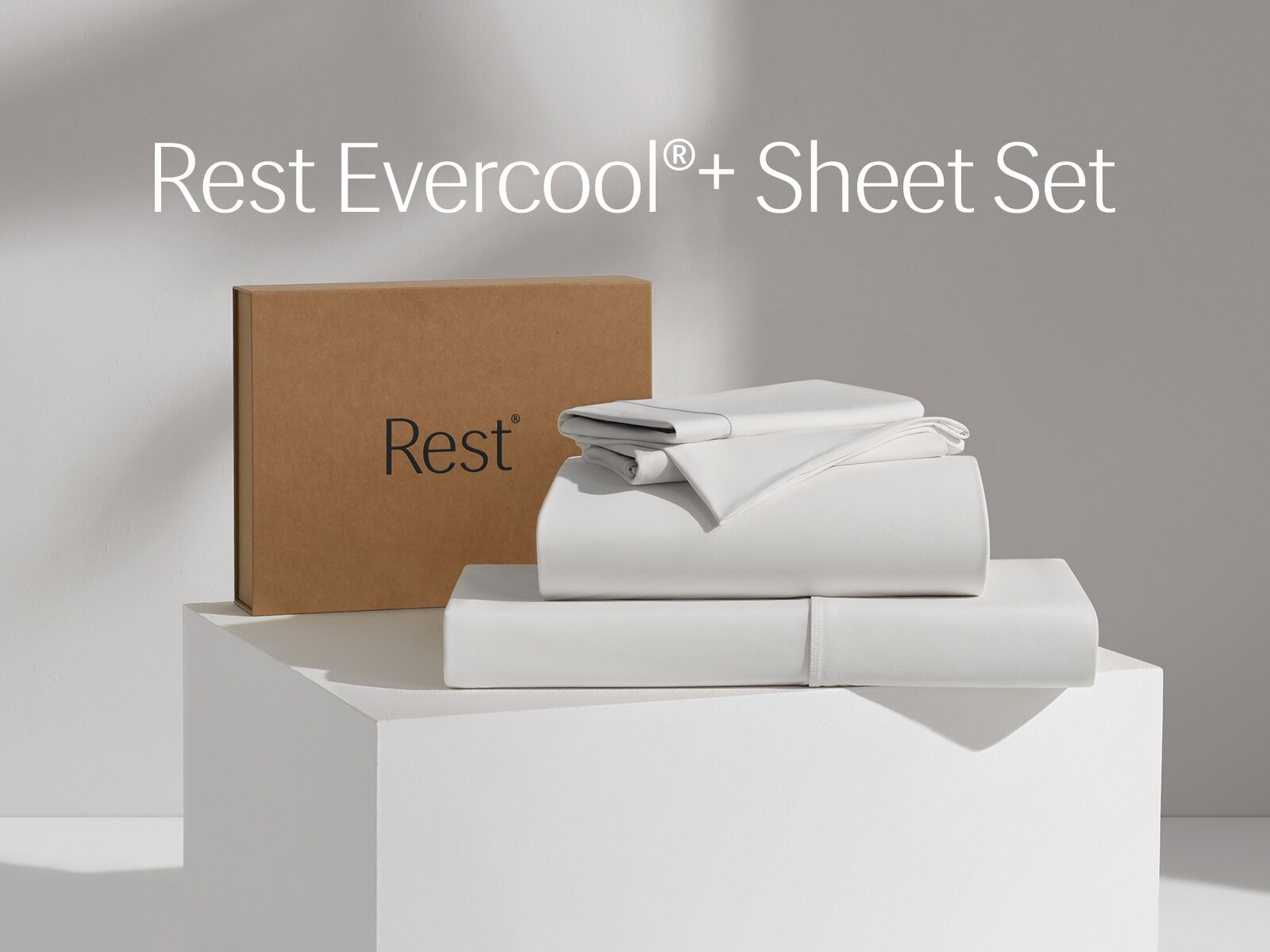
Fit deserves just as much attention as fabric when choosing twin cooling sheets. A standard twin mattress is typically 38 inches wide and 75 inches long, while a Twin XL mattress is typically 38 inches wide and 80 inches long. That extra length matters: standard twin fitted sheets generally will not fit a Twin XL mattress properly, even though the widths match. Check the mattress dimensions and fitted-sheet pocket depth before selecting bedding, especially when a mattress protector or topper adds height. A pocket that is too shallow can pull free at the corners, while excessive fabric on a thin mattress may bunch beneath the sleeper. Elastic around the fitted sheet can help keep it secure, but the stated fit range is still important. A sheet should lie smoothly without being stretched so tightly that it compresses the corners or makes the surface feel taut. Flat-sheet dimensions also affect comfort, particularly for someone who likes to tuck in the sides or tends to pull the covers loose while turning over. Twin cooling sheets can make sense for children’s rooms, teen bedrooms, compact adult sleeping spaces and guest beds used by people with different comfort preferences. College bedding calls for an extra dimension check because many residence halls use Twin XL mattresses. As a gift for a student moving into a dorm or someone setting up a guest room, sheets are most useful when the size, preferred texture and care needs are already known. Check what a sheet set includes rather than assuming it contains a particular number of pillowcases or a flat sheet. The rest of the bed also shapes the experience. A heavy comforter, thick protector or heat-retaining mattress can influence comfort even when the sheets feel breathable. Exploring
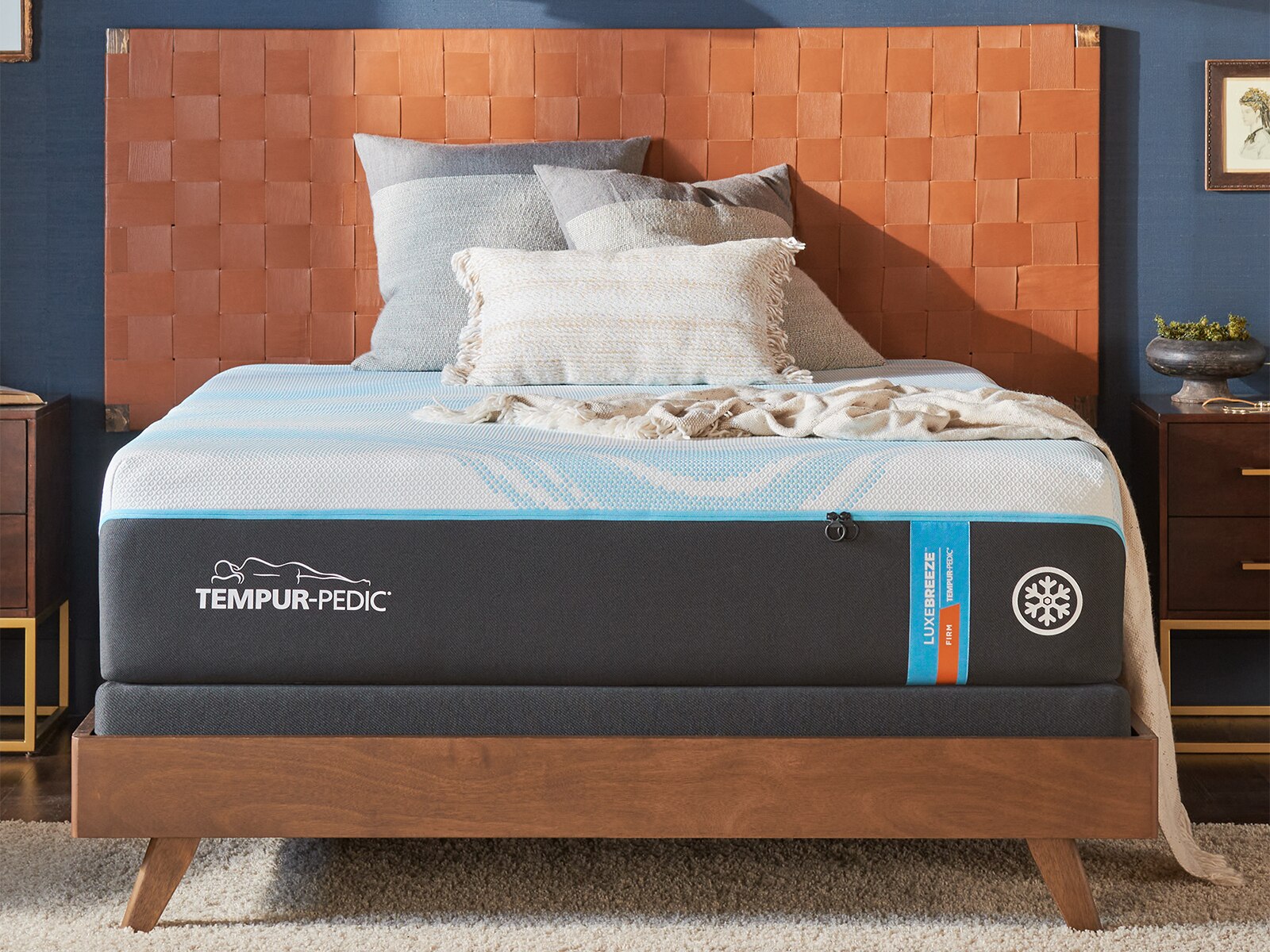
Cooling Twin Mattresses alongside cooling bedding can help bring attention to the complete sleep surface, while keeping personal preferences for support, cushioning and fabric feel in view.
Care habits help twin cooling sheets maintain their feel, fit and useful life. The sewn-in care label should determine wash settings, detergent choices and drying methods, since cotton, linen, regenerated fibers and performance blends do not all respond the same way to heat or laundry additives. Washing before first use can remove residual processing finishes and make the fabric feel more familiar against the skin. Avoid overloading the washer so sheets have room to move and rinse thoroughly; trapped detergent can leave fabric feeling stiff or coated. Some moisture-managing fabrics call for avoiding fabric softener because residue can interfere with their intended performance. Use bleach only when the care instructions permit it, and choose a drying setting that matches the fabric rather than assuming higher heat is better. Excessive dryer heat can contribute to shrinkage or damage elastic, changing how securely a fitted sheet stays in place. Removing sheets promptly after drying can reduce deep creases, while making sure they are completely dry before storage helps prevent musty odors. For an everyday twin bed, an additional sheet set makes it easier to keep up with laundry without remaking the bed before the fabric is fully dry. Durability depends on more than softness at first touch. Look for securely finished seams, resilient elastic and a fabric construction suited to repeated washing. A very delicate feel may require gentler handling, while a crisper fabric may become softer with use. Pilling, thinning and stretched corners can affect comfort even when the sheets remain usable. Regular washing is especially relevant for sleepers who perspire, but laundering more aggressively than the label recommends can shorten fabric life. Cooling sheets work best as one part of a comfortable bedding arrangement, not as a promise to eliminate every source of nighttime warmth. Pairing the right size with a preferred texture, manageable care requirements and suitable top layers creates a bed that feels inviting when the covers are pulled back and remains comfortable as the sleeper changes position through the night.