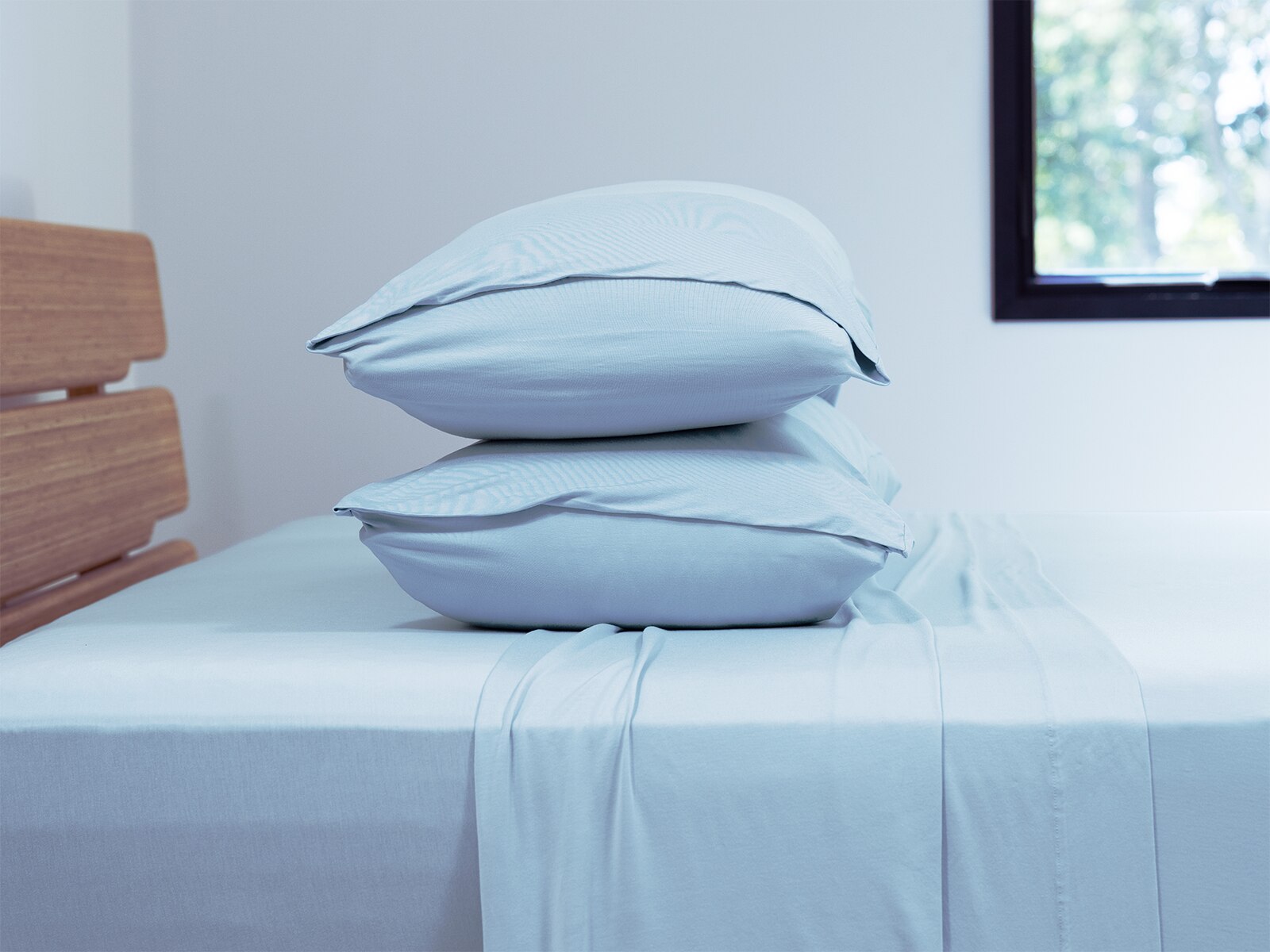
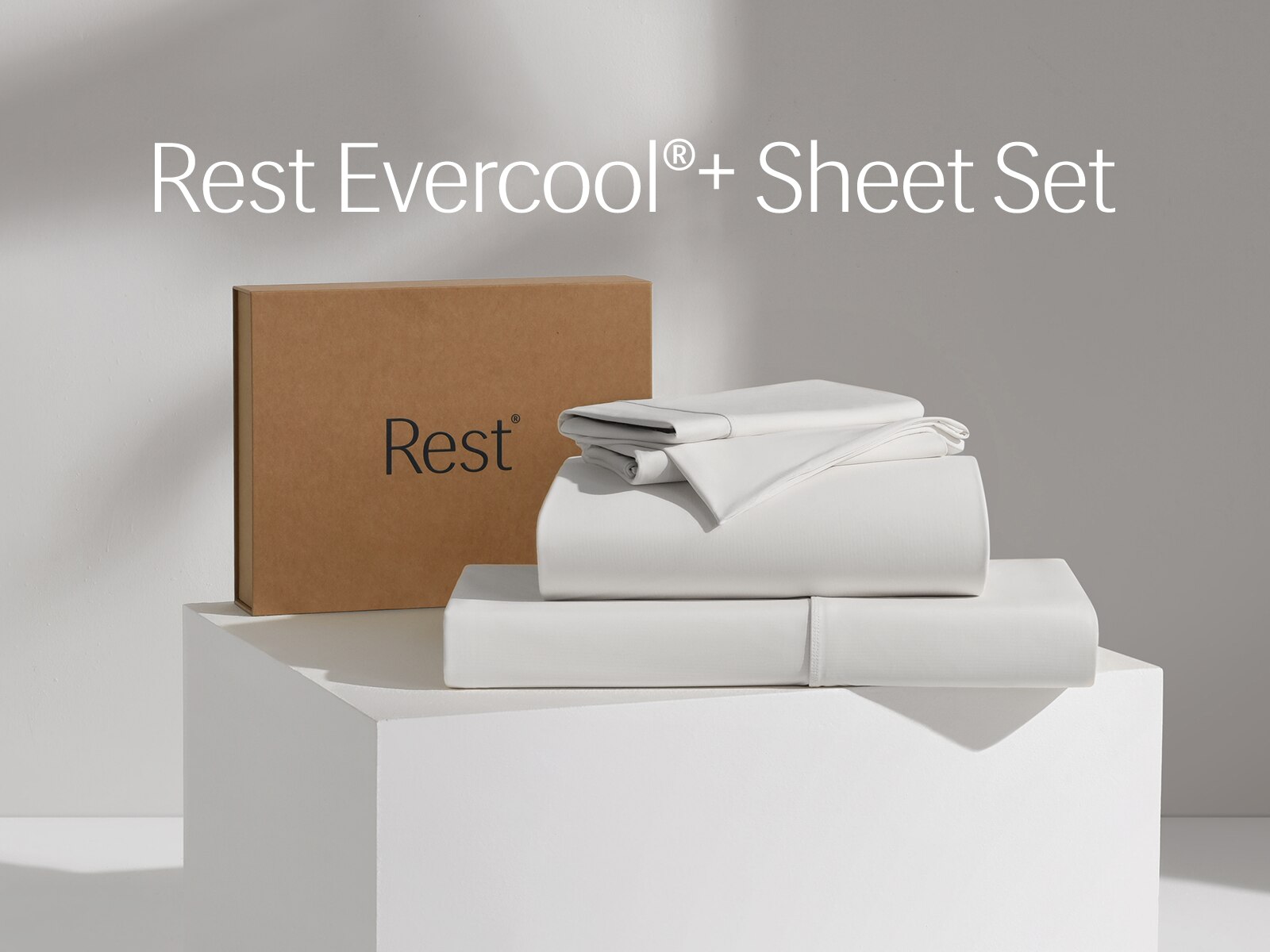
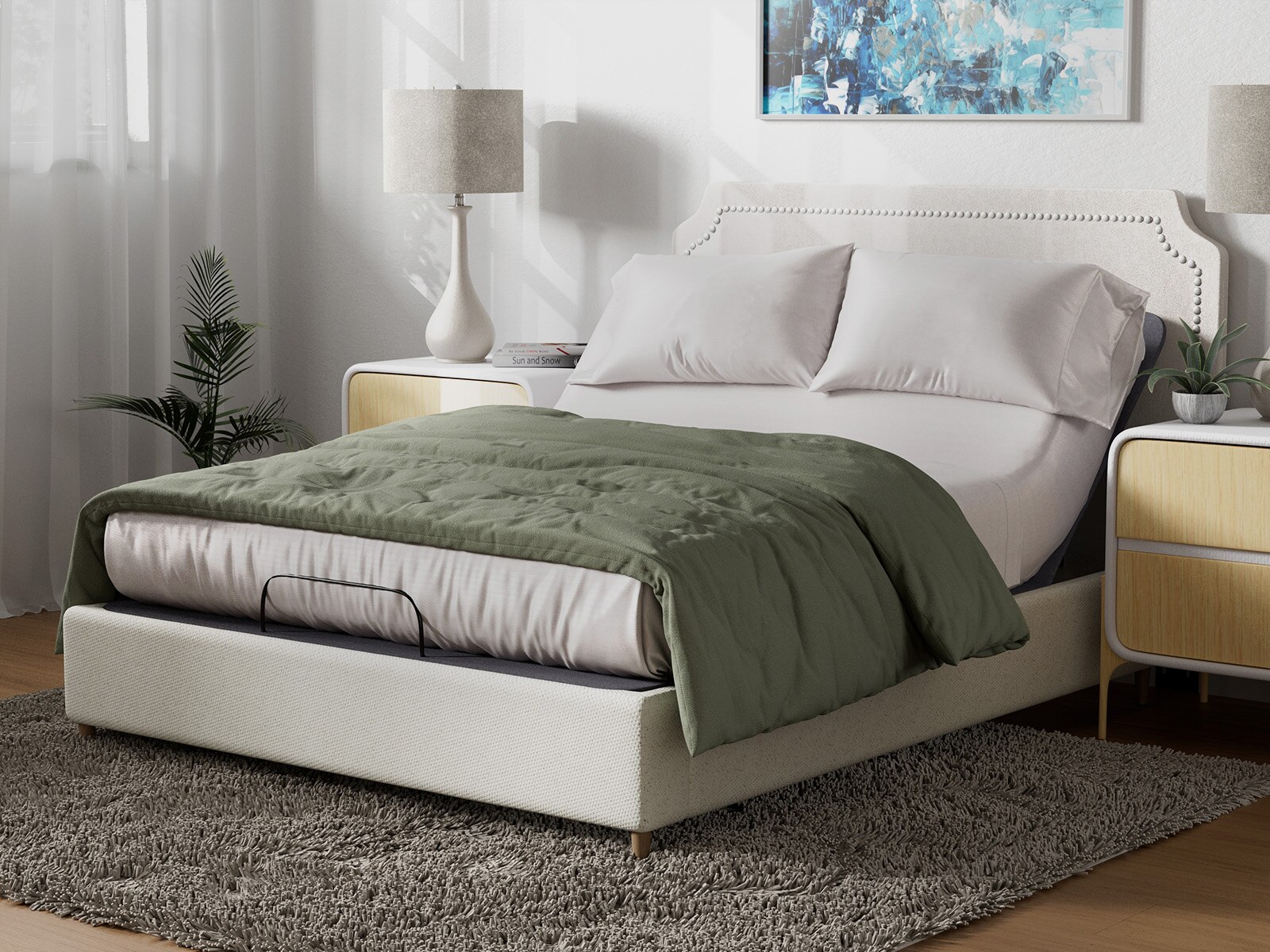
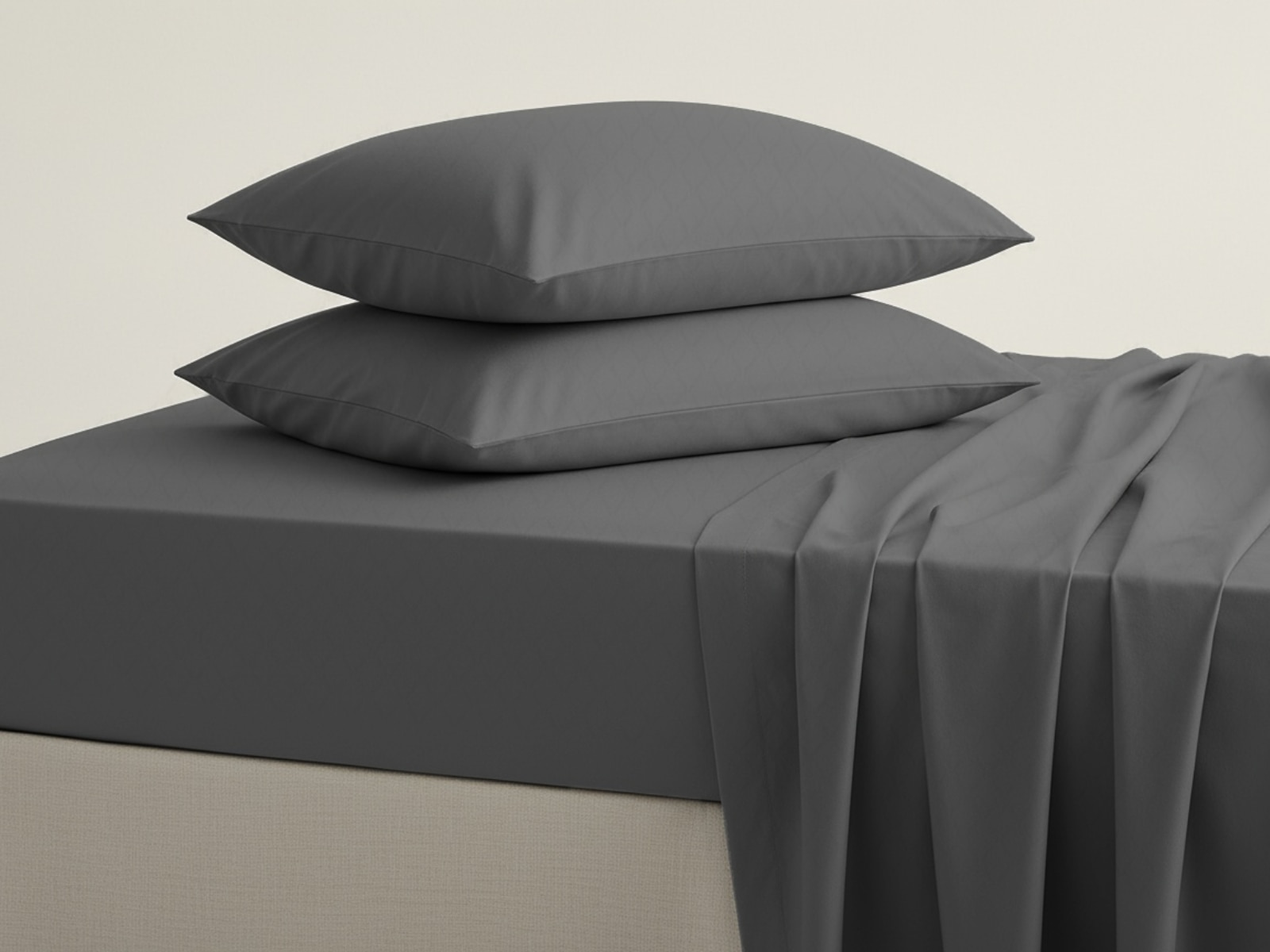
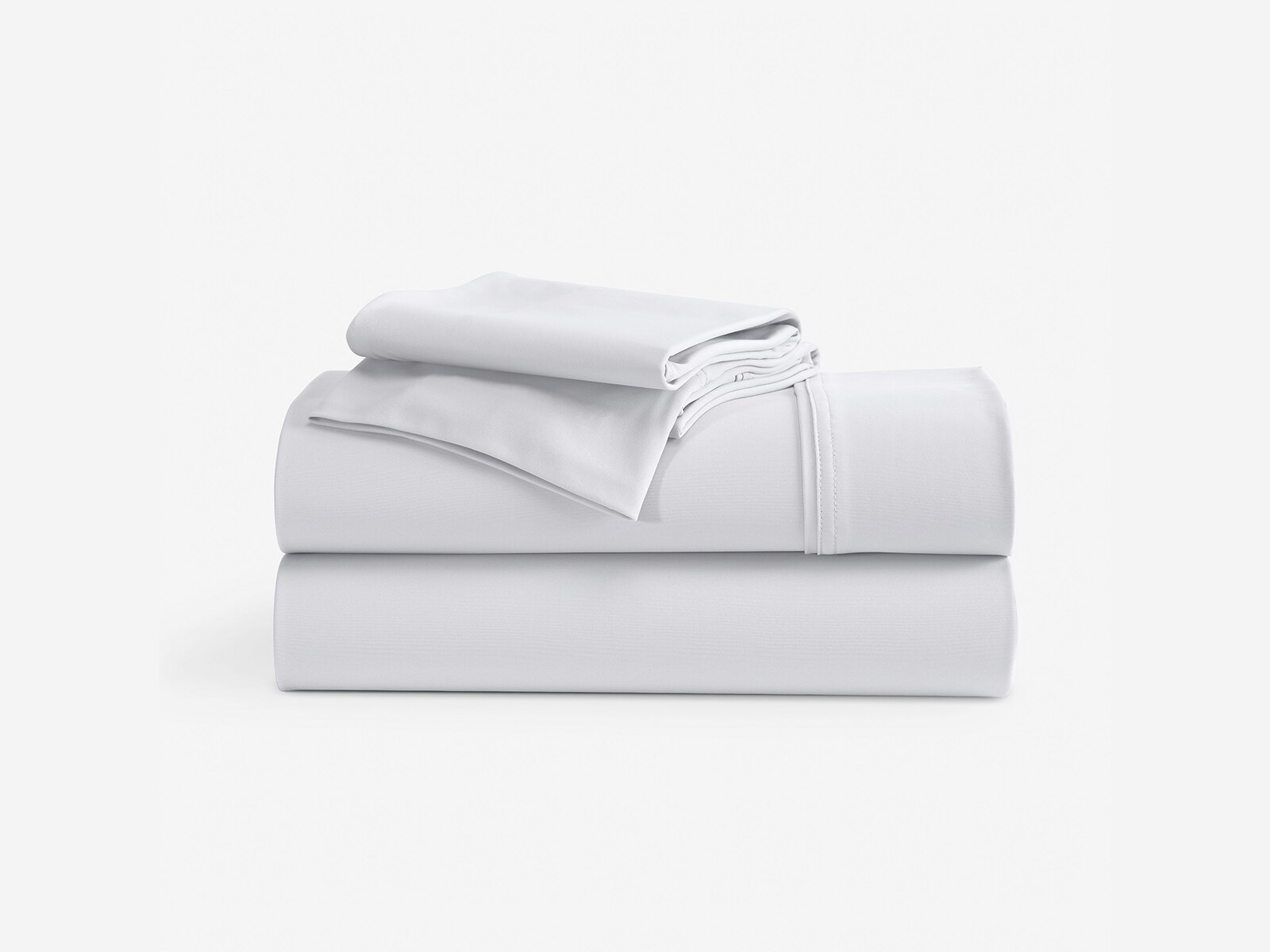
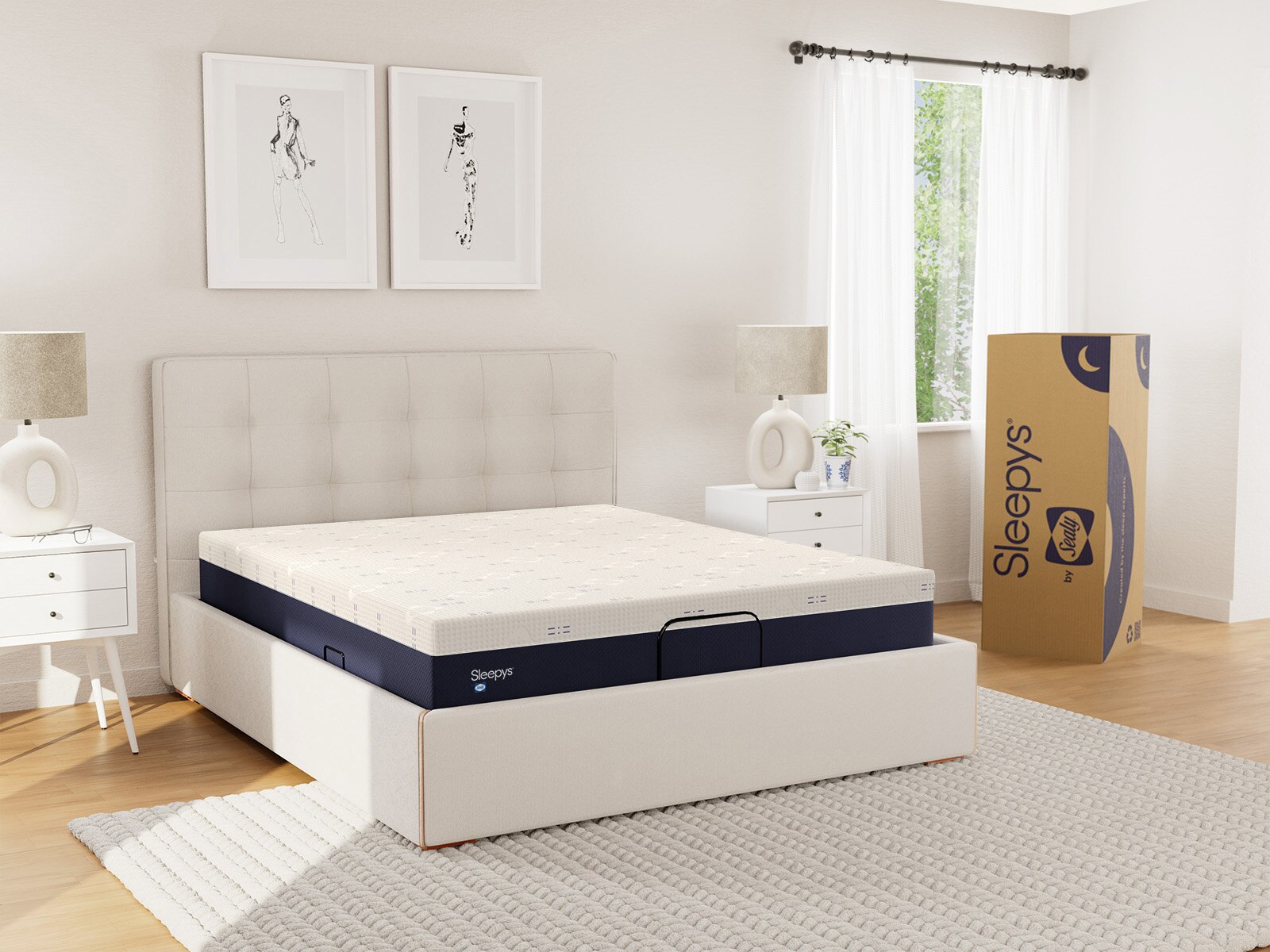
Cooling bed sheets can make a meaningful difference in how a bed feels, especially for people who tend to sleep warm, experience night sweats or prefer a lighter, airier layer against the skin. Rather than trapping body heat beneath a dense, heavy weave, cooling sheets are designed to encourage airflow and help manage moisture throughout the night. The right choice depends on more than a cool-to-the-touch finish. Fiber content, weave, weight, fit and personal comfort preferences all shape the experience. Cotton percale is a dependable option for sleepers who enjoy a crisp, fresh feel and breathable construction. Its matte, one-over-one-under weave allows air to move through the fabric and typically becomes softer with regular washing. Linen, made from flax fibers, has a naturally relaxed texture and an open structure that can feel especially airy as the weather warms, while remaining useful as the seasons shift. Bamboo-derived rayon and eucalyptus-derived Tencel™ are often chosen for a smooth, silky hand feel, moisture management and a fluid drape that feels gentle against the skin. Performance synthetic fabrics may provide a sleek, cool-to-the-touch sensation and are commonly engineered to move moisture away from the body. No sheet can control every factor that affects sleep temperature, but a breathable set can work with a supportive mattress, a lightweight comforter and comfortable sleepwear to create a more balanced sleep environment. For a broad selection by size, including options for larger beds, explore
Cooling King Sheets.
When comparing cooling bed sheets, start with the way you like your bedding to feel at bedtime. Crisp percale may suit someone who enjoys the clean, lightly textured sensation of a freshly made hotel bed, while linen has a more casual, lived-in character that grows softer over time. Smooth rayon-based fabrics can appeal to sleepers who prefer a silky surface with less friction, and performance blends may be useful for people who want quick-drying moisture management. Thread count can be part of the comparison, but it should not be the only measure of quality or coolness. A very high thread count may indicate a denser fabric that feels less breathable, depending on the fiber and construction. Look for clear information about the material, weave and care instructions, and consider whether the fitted sheet has deep enough pockets for the mattress and any topper. A secure fit helps prevent bunching, which can create uncomfortable warm spots and make it harder to settle in. Color and finish also matter in daily use: lighter shades can give a room an open, breezy look, while a relaxed texture can make the bed feel inviting without adding visual weight. Wash new sheets according to the care label before using them, then avoid excessive heat when possible. Warm or cool water, a gentle detergent and thorough drying can help preserve the fibers, while fabric softener may coat some materials and reduce their natural ability to absorb moisture. Rotating between two sets gives each set time to dry fully and can make it easier to keep the bed feeling fresh.
Cooling sheets can be a practical gift for many kinds of sleepers, from a college student setting up a first apartment to a loved one who wakes up overheated or prefers a lighter bed during the cooler months. They are also a thoughtful choice for a guest room, where breathable bedding can help accommodate different comfort preferences without changing the mattress or adding complicated layers. For a gift, consider the recipient’s mattress size, preferred texture and laundry habits before choosing a set. Someone who appreciates a crisp, structured bed may enjoy percale cotton, while a person drawn to soft, draping fabrics may prefer a bamboo-derived or eucalyptus-derived option. Linen can be a fitting choice for someone who likes natural materials and an easygoing, gently rumpled appearance. If the exact size or feel is uncertain, a neutral color and familiar fabric construction can make the gift more versatile. Cooling bed sheets are useful beyond the warmest part of the year, too. In late summer, breathable layers can help release excess heat, and during the cooler months they can work beneath a quilt or comforter without creating a stuffy, enclosed feel. Pairing them with a ventilated mattress protector and a lightweight blanket can help create a bed that feels fresh at night and comfortable when morning arrives. With thoughtful material selection and the right fit, cooling sheets can support a more pleasant sleep routine while bringing an inviting, polished finish to the bedroom.