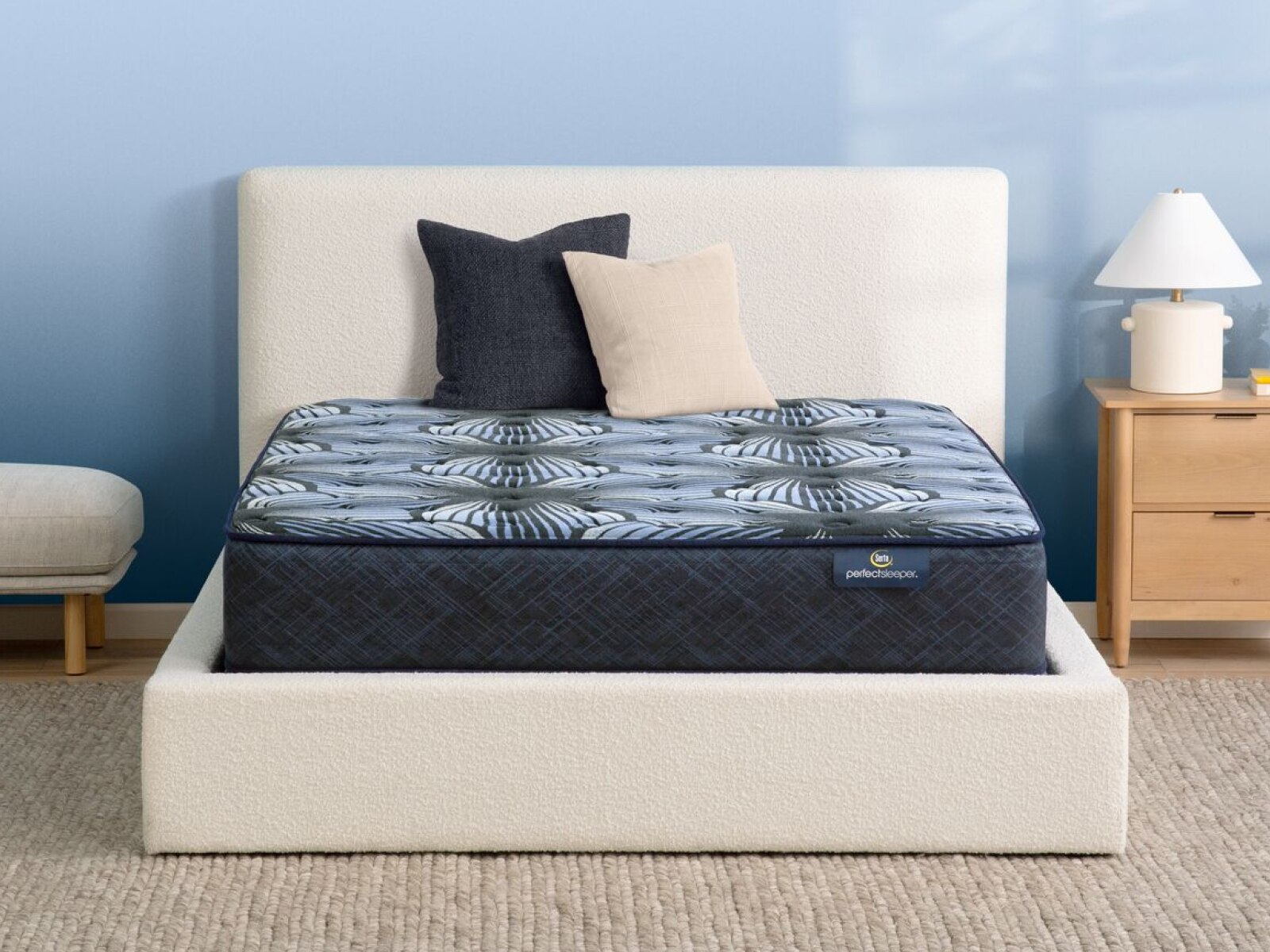
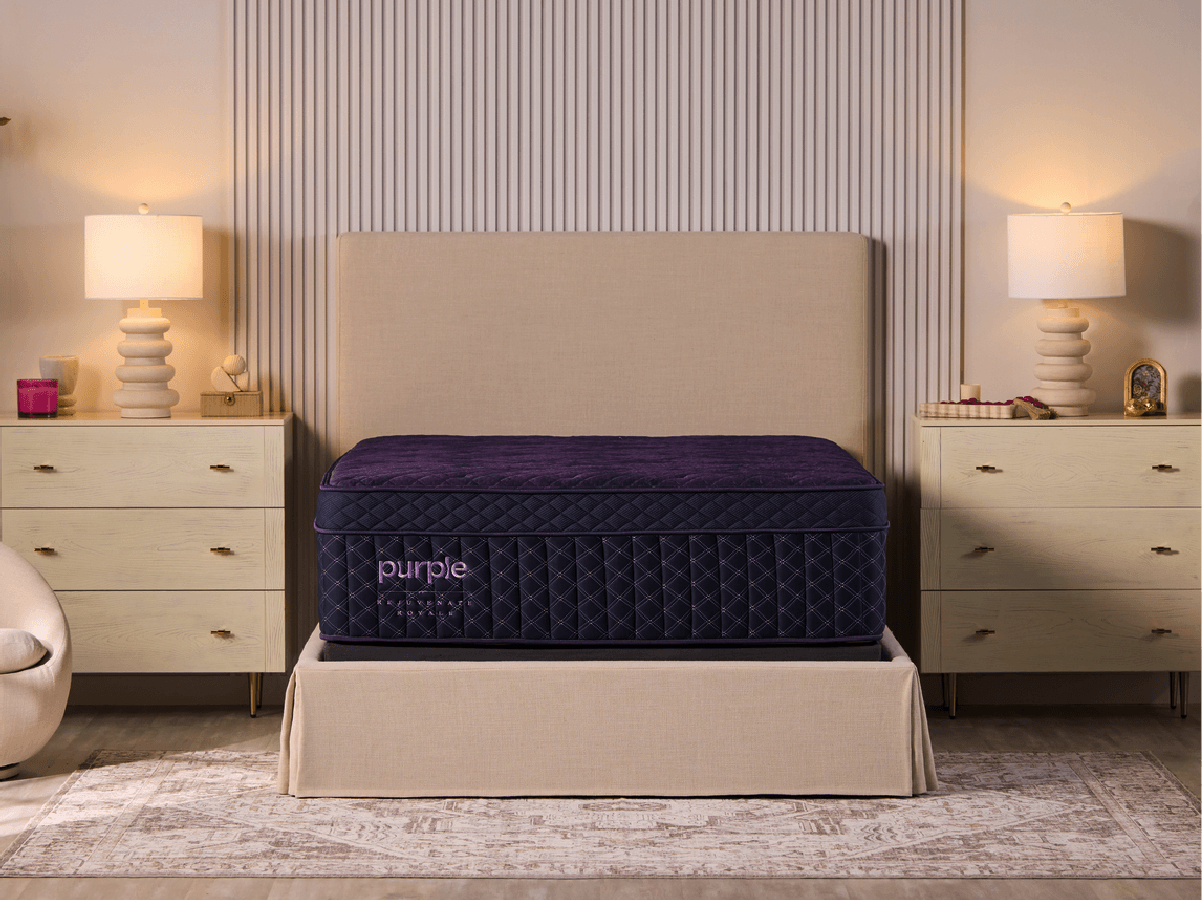
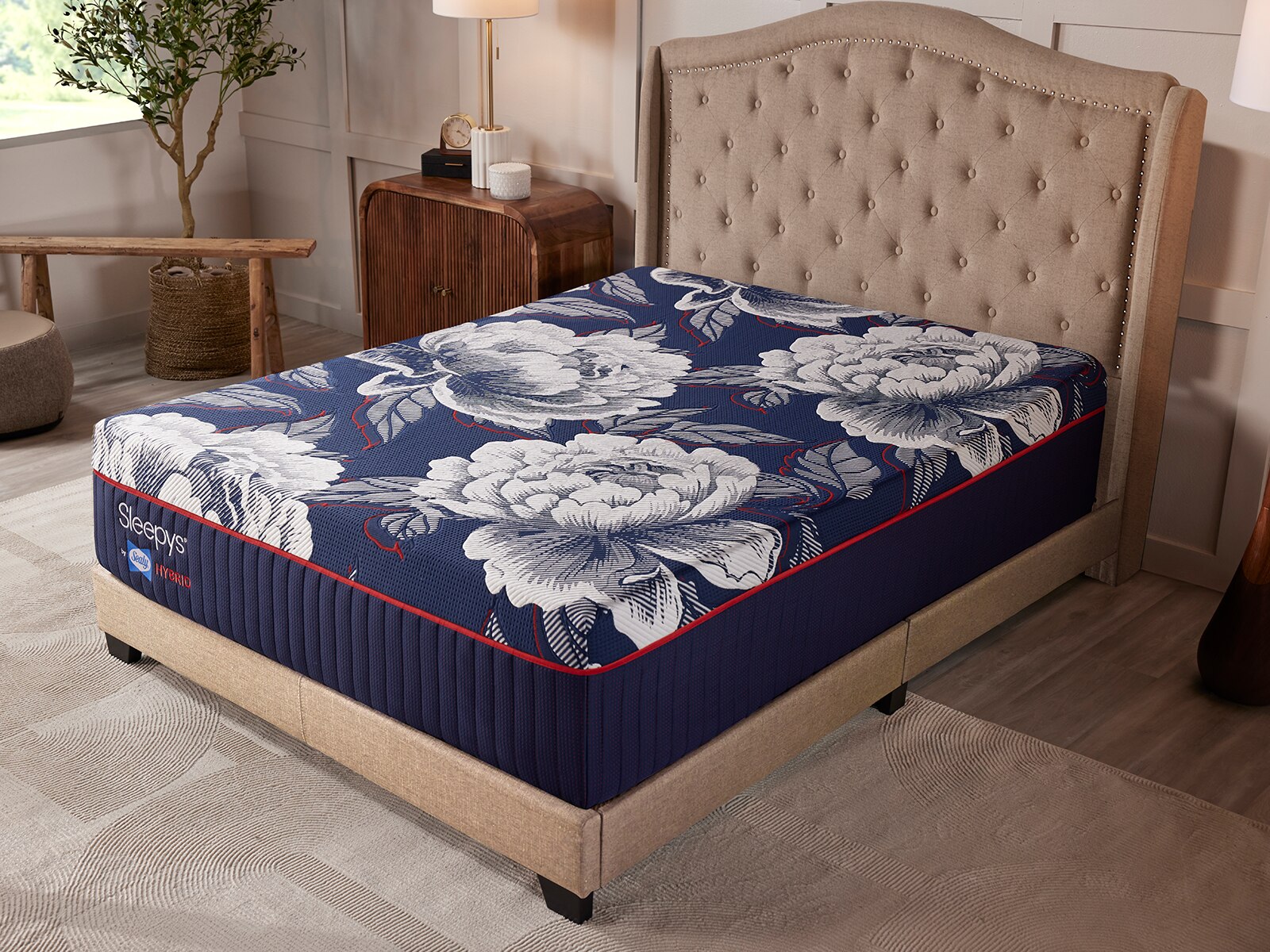
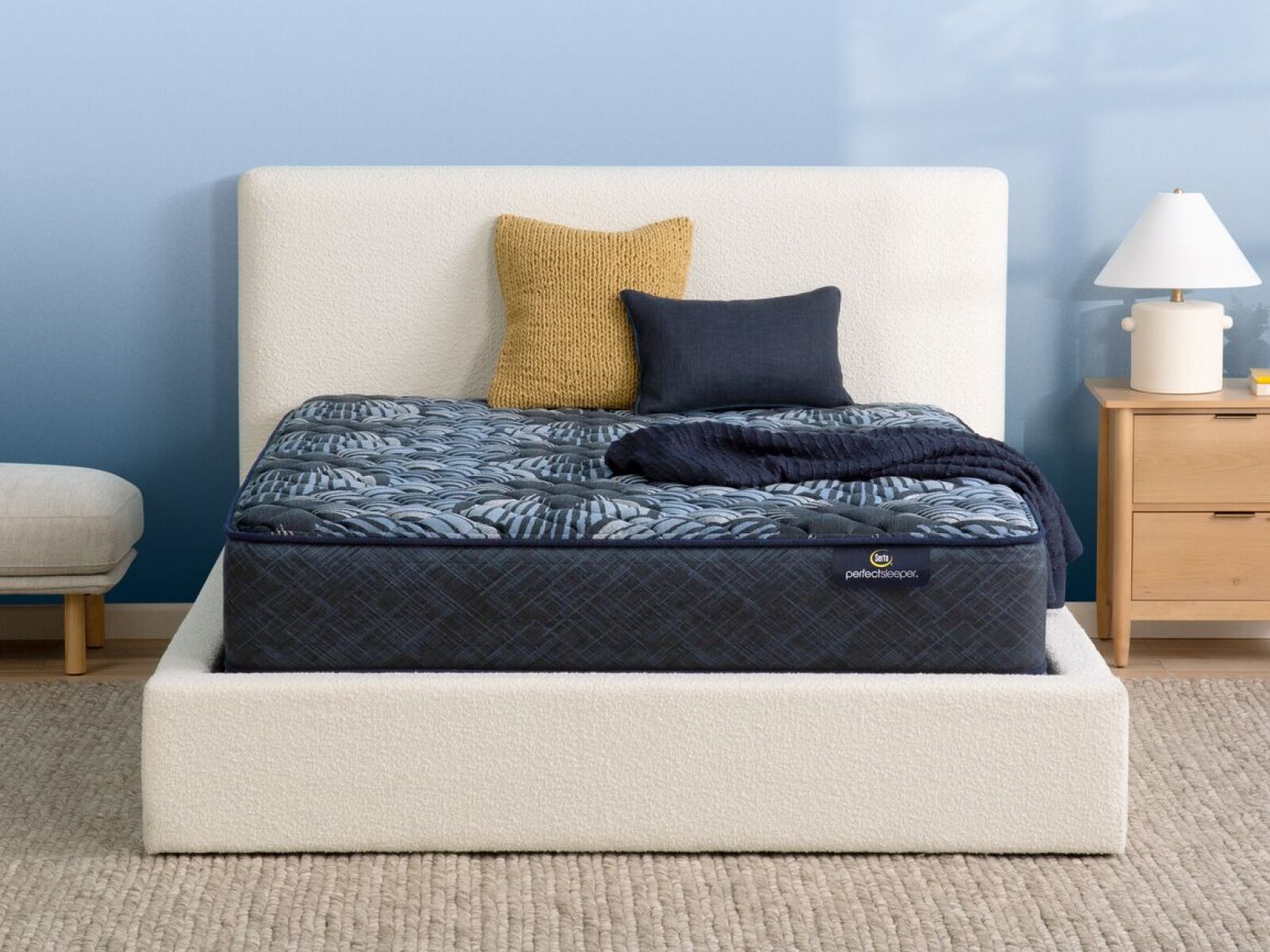
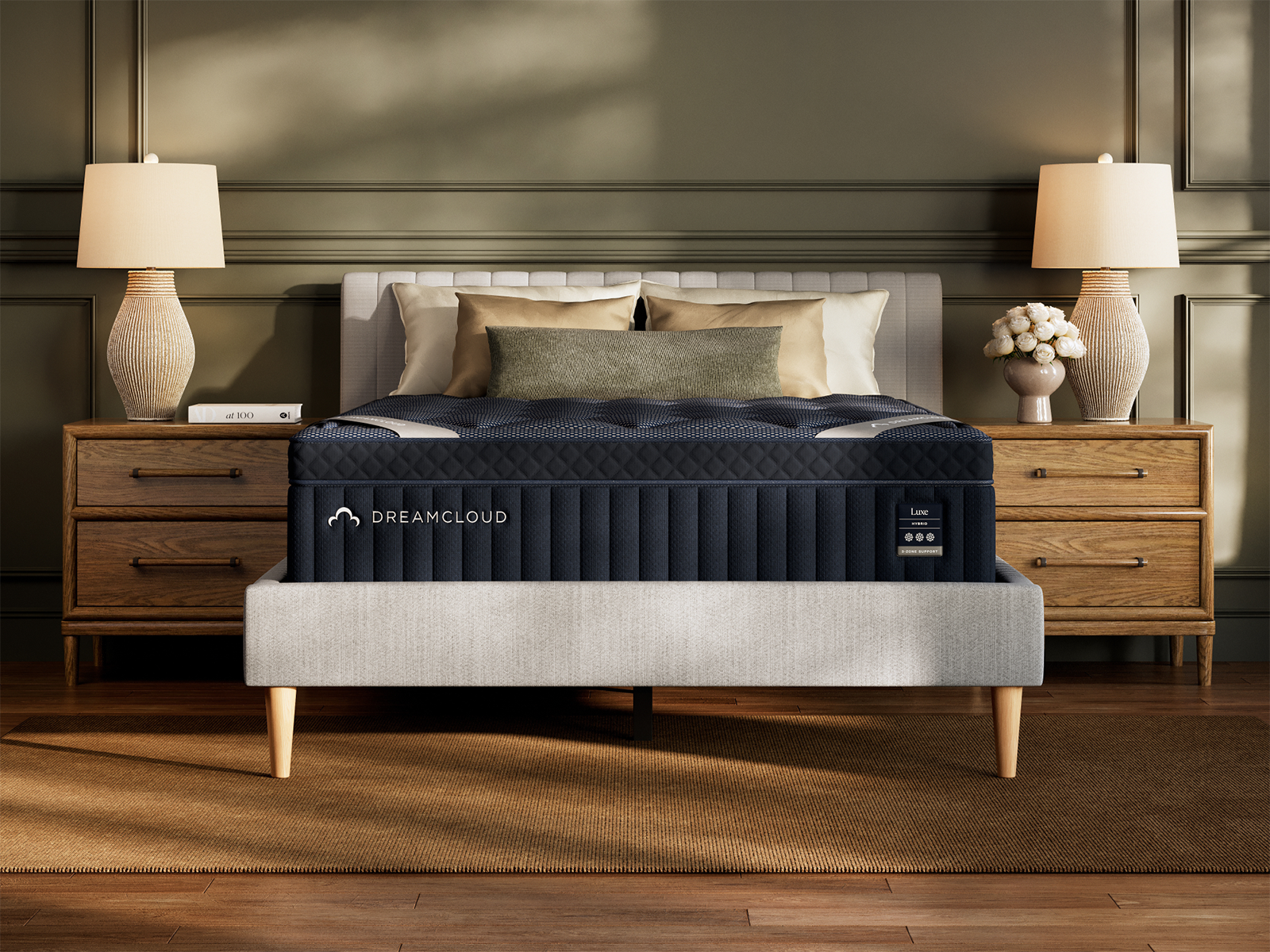
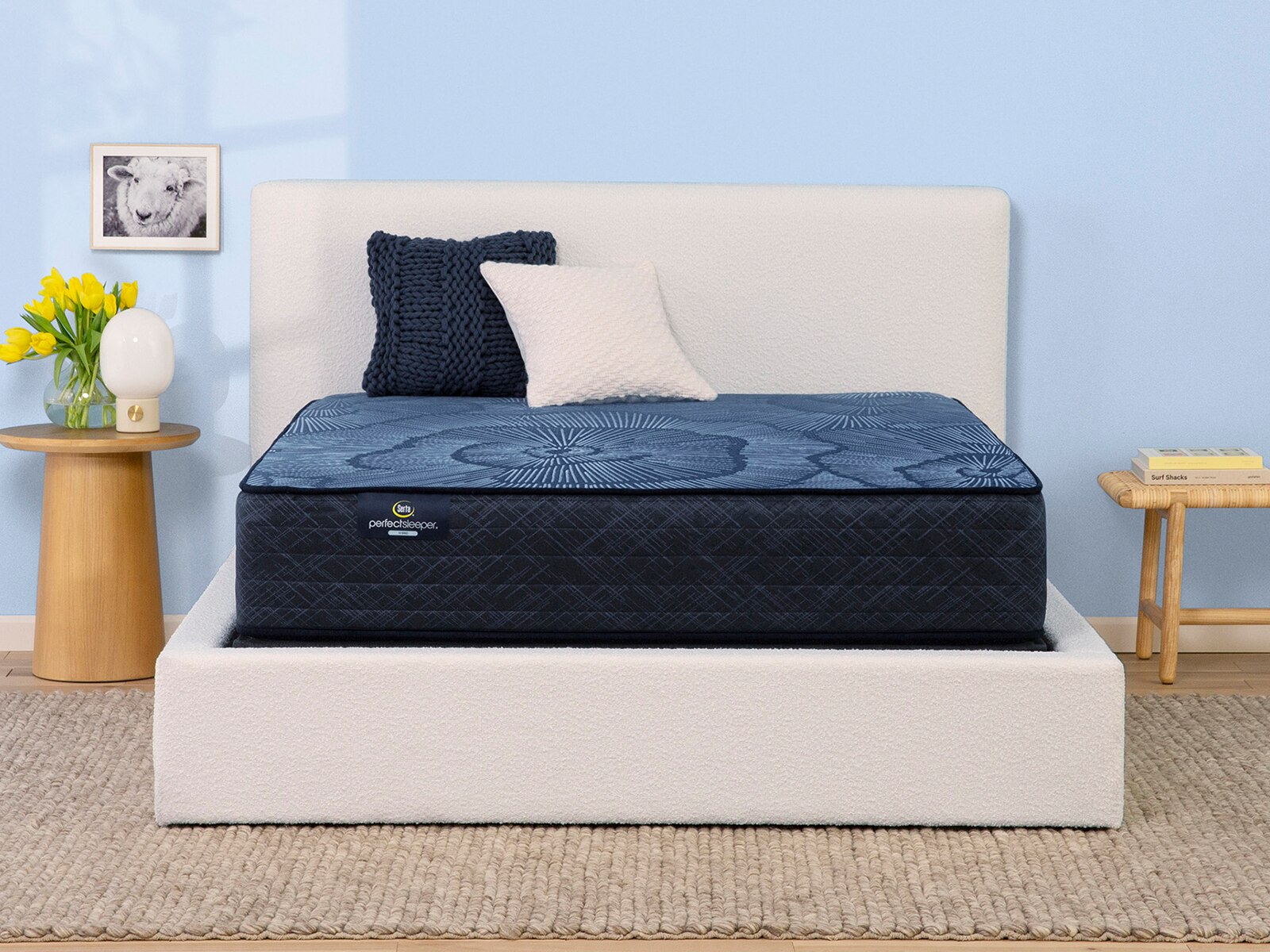
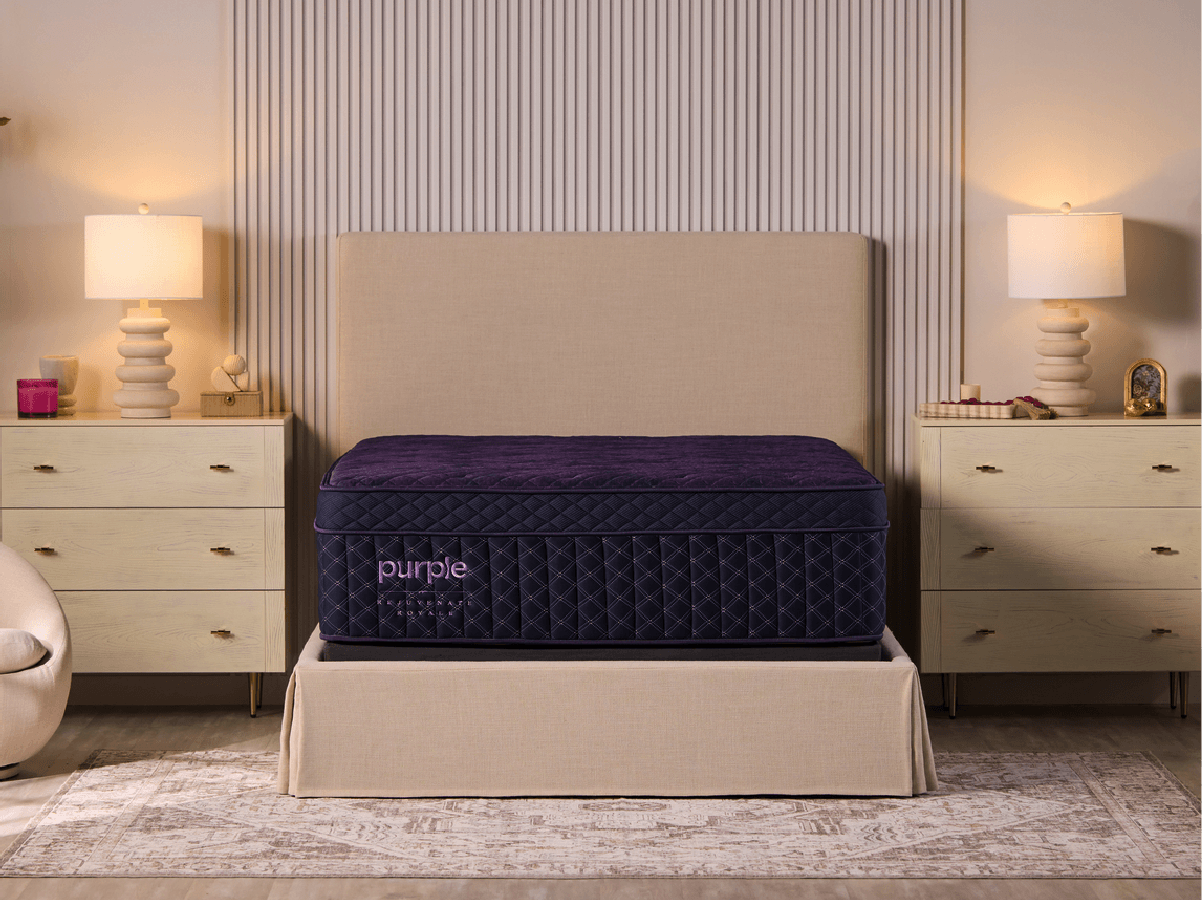
Twin quilted mattresses pair a compact sleeping surface with a stitched cover that holds cushioning materials in place. A standard twin mattress typically measures 38 inches wide by 75 inches long, making it a practical size for one sleeper in a child’s bedroom, a guest room or a smaller apartment. “Quilted” describes the mattress surface, not a separate quilt or bedspread. The stitching joins the cover fabric to underlying layers, which may include foam, fiber batting or other cushioning materials. This construction creates the visible pattern across the top and can influence how the surface feels when a sleeper first lies down. Some quilted tops feel gently padded, while others have a more pronounced cushion; neither appearance alone nor the depth of the stitching establishes the mattress’s overall firmness. That depends on the complete construction beneath the cover. The twin footprint leaves more room for a dresser, a reading chair or a clear path beside the bed, especially where a larger mattress would crowd the space. It also works well for separate beds in a shared bedroom, giving each sleeper an individual surface. For someone moving from a toddler bed to a larger bed, a twin can provide room to grow while keeping the bedroom useful for play and storage. Adults can also sleep comfortably on a twin when its length, width and support suit their needs. Taller sleepers may prefer
Twin XL quilted mattresses, which typically measure 38 inches wide by 80 inches long, providing five additional inches of length without a wider footprint. Standard twin and Twin XL are different sizes, so the mattress, foundation and fitted sheet should match. Published dimensions are worth checking against the bed’s interior measurements, particularly for frames with closely fitted side rails or built-in storage. The frame’s outer dimensions also matter when planning walking space around the bed.
The feel of a quilted twin mattress comes from the relationship between its cover, cushioning layers and support core. A cover quilted with fiber batting may have a light, padded texture, while one quilted with foam can provide a more substantial cushion at the surface. Depending on the construction, cover fabrics and padding may include cotton, polyester, wool or blends, each contributing a different texture and feel. Beneath that quilted panel, an innerspring construction generally uses coils as its main support system, an all-foam construction relies on foam layers and a hybrid combines coils with substantial foam or other comfort materials. Quilting can appear on different mattress types, so the stitched top does not identify what is inside. It also does not automatically mean pillow top: a quilted surface may be part of a streamlined top panel or a deeper cushioned design. For a side sleeper, the important consideration is whether the mattress allows enough give around the shoulder and hip without letting the body settle too deeply. A back sleeper may prefer a balance of surface cushioning and steady support, while a stomach sleeper may need a firmer feel that limits sinking around the midsection. Body size and personal preference affect those impressions, so firmness descriptions are most useful alongside construction details. A smaller child and an adult guest can experience the same surface differently. Someone who moves frequently may appreciate a mattress that makes repositioning feel easy, while someone who likes a close contour may favor more conforming comfort layers. Edge support matters, too, especially on a narrow mattress where sitting to put on shoes or resting near the side is part of everyday use. A quilted top can soften that initial contact, but the stability at the perimeter comes largely from the underlying design. The most useful distinction is between surface softness and support: a cushioned cover can feel welcoming while the layers below help distribute body weight, and a flatter-looking surface can still offer pressure relief.
Fit and everyday care help a twin quilted mattress remain comfortable and useful over time. Mattress height deserves attention alongside length and width, since a deeper profile affects fitted-sheet pocket depth, the finished height of the bed and how easily a sleeper can get in and out. On a bunk bed or loft bed, the frame manufacturer’s maximum mattress thickness is especially important because the guardrail must remain at the required height above the sleeping surface. Trundle beds also have clearance limits, and some require a lower-profile mattress to slide beneath the main bed. A compatible foundation or platform provides the support the mattress was designed to receive; requirements for slat spacing, center support and adjustable-base use vary by construction. Following those requirements can help prevent avoidable sagging or damage. A properly fitted mattress protector adds a washable barrier against spills and everyday moisture, which is particularly useful in a child’s room or a frequently used guest space. The protector should sit smoothly rather than bunching beneath the sheet, allowing the quilted surface to retain its intended feel. Unless the manufacturer specifically permits removal, a mattress cover should stay in place even if it has a zipper. For small spills, follow the care instructions, use only the recommended cleaning method and avoid saturating the quilted layers; bedding should go back on only after the surface has dried completely. Rotation may help distribute wear when recommended, but many mattresses are designed for one-sided use and should not be flipped. Lasting comfort depends on material quality, appropriate support and use, not simply on how thick or plush the quilting looks. Over time, persistent sagging, damaged stitching or a noticeable loss of support can signal that the mattress needs attention. For a nightly bed, a growing child’s room or a welcoming place for overnight visitors, twin quilted mattresses offer a compact format with surface cushioning that can complement a range of comfort preferences.