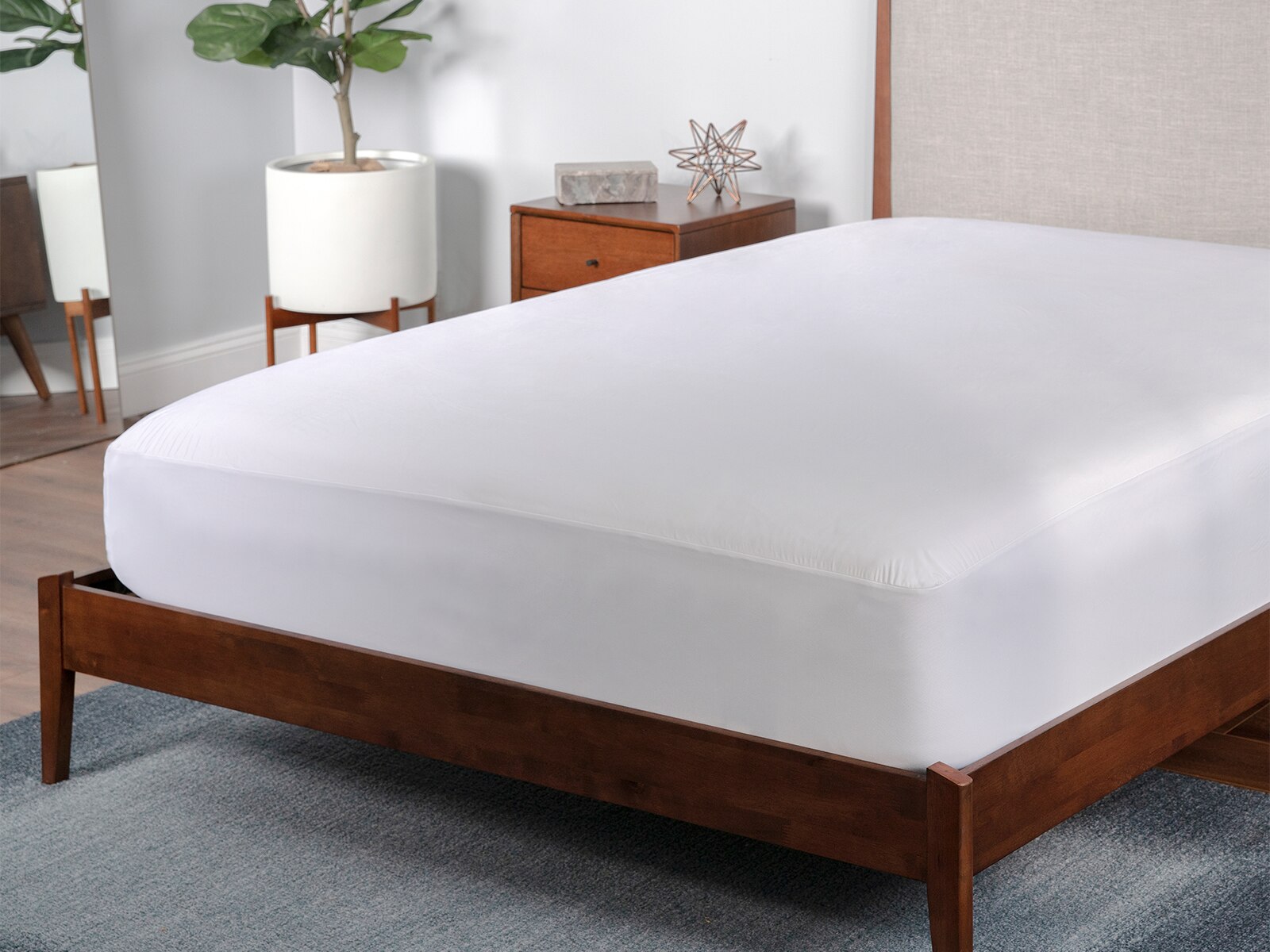
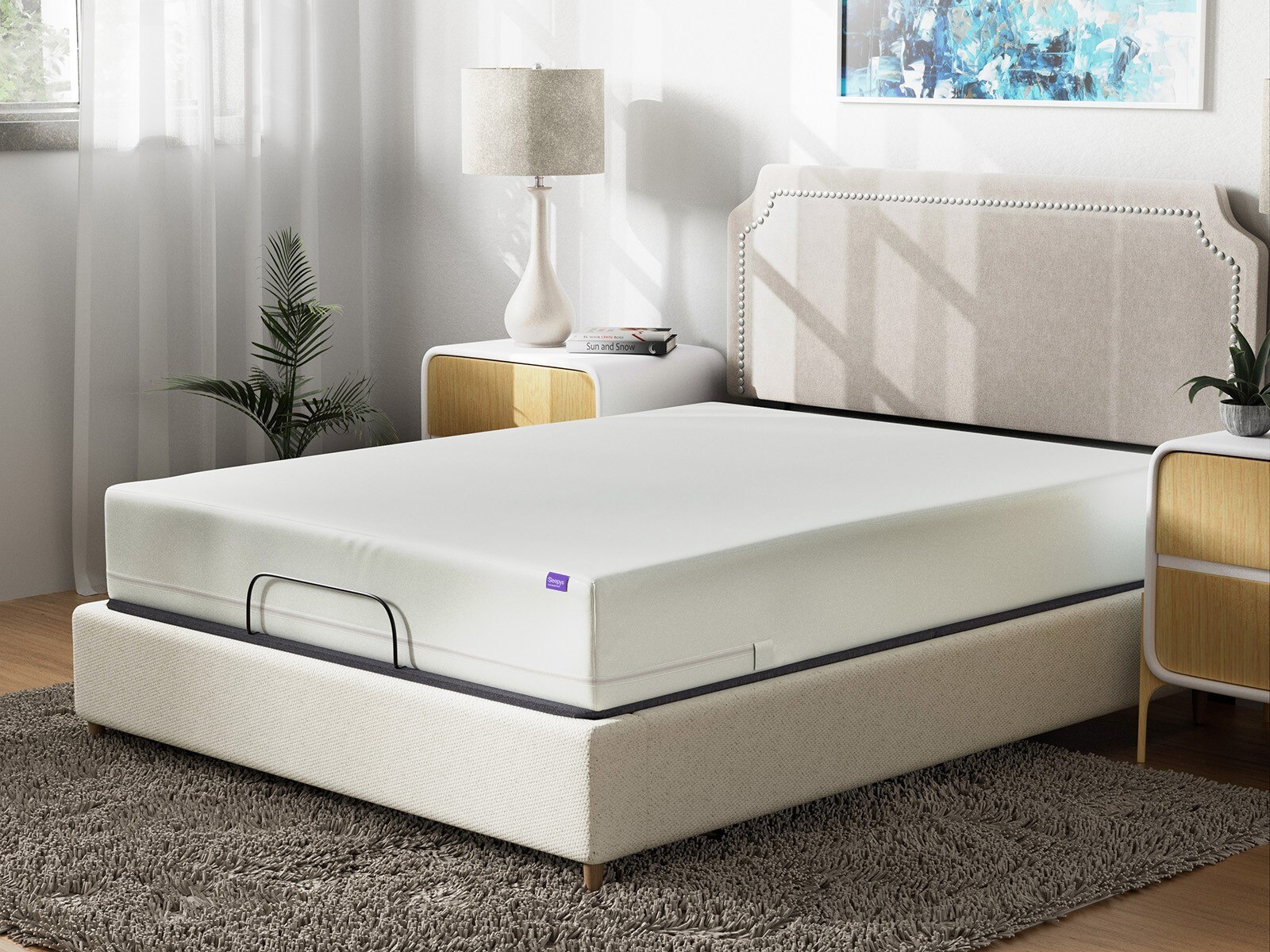
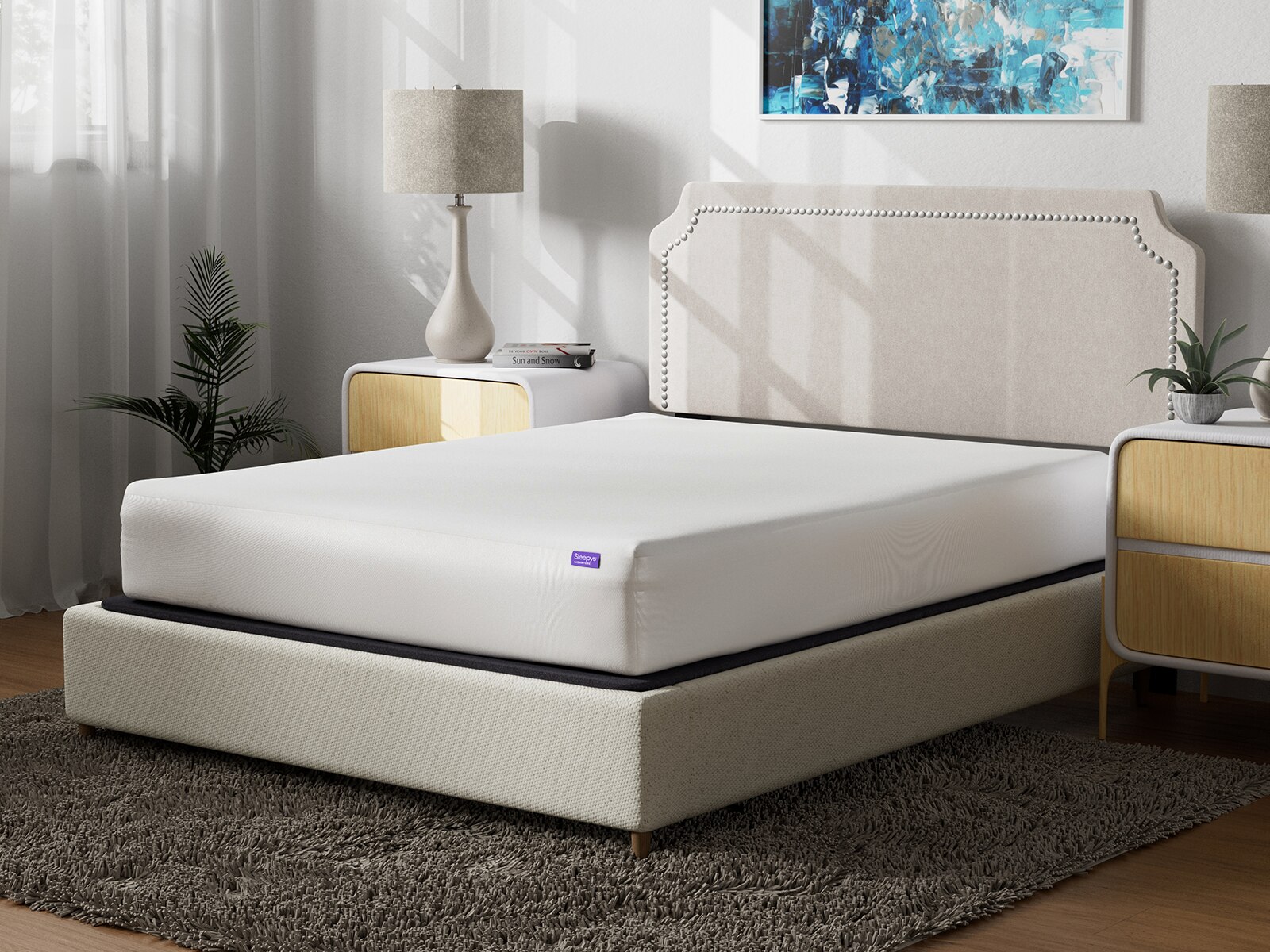
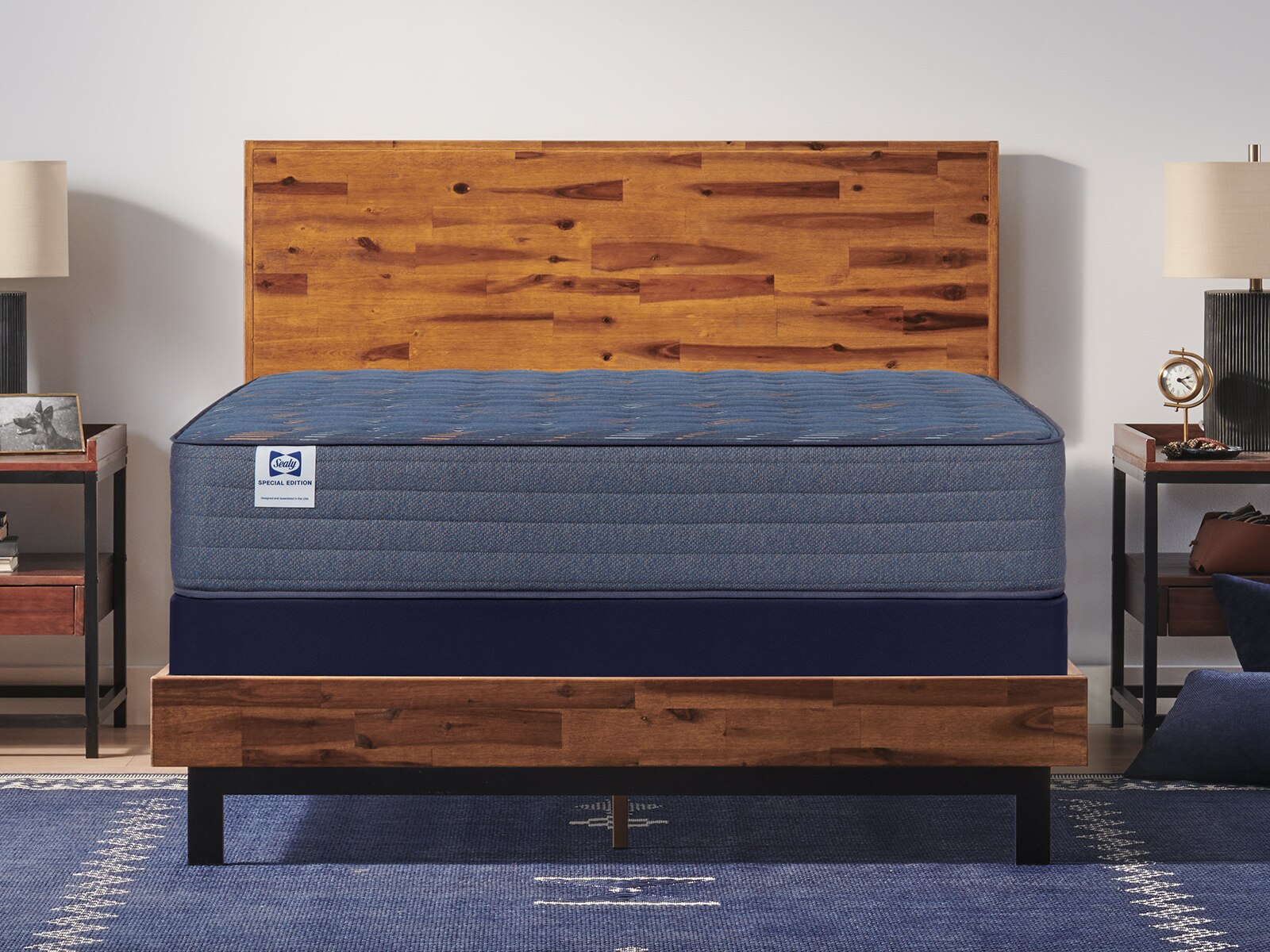
Twin stretchable mattress protectors are fitted covers with flexible fabric, elasticized skirts or stretch sidewalls that help them stay snug around a twin mattress. They add a washable layer between the mattress and fitted sheet, helping limit everyday exposure to perspiration, body oils and surface messes. Protection varies by construction: some designs provide a barrier against liquid, while others primarily help keep the mattress surface clean. Stretch describes how the cover fits, not whether it is waterproof, so those features need to be considered separately. A well-fitting protector lies smoothly across the sleeping surface and stays tucked around the corners as someone turns over or changes position. That makes this category useful for children moving into their first larger bed, teens with compact bedrooms and adults who prefer a twin sleeping space. In a guest room, a removable protective layer also makes it easier to refresh the bed between visits. For a child’s room, a waterproof design can help keep an overturned water cup or nighttime accident from reaching the mattress, provided the protective barrier is intact and the cover is used as directed. Coverage matters here: a waterproof top does not necessarily mean the stretch skirt is waterproof, too. The distinction is especially important when liquid reaches an edge. Twin stretchable mattress protectors generally add less cushioning than mattress pads or toppers, making them a practical option when the goal is protection without substantially changing the bed’s feel. A thin, flexible sleeping surface can follow the contours of the mattress rather than creating a thick additional layer. The result should be a bed that still feels familiar beneath its sheets, with protection suited to the household’s needs. For shared bedrooms and frequently used guest beds, that balance of secure fit, easy removal and unobtrusive coverage can make everyday bedding care more manageable.
Fit starts with the mattress dimensions and depth. A standard twin mattress typically measures about 38 inches wide by 75 inches long, although exact measurements can vary by manufacturer. Twin XL mattresses are generally the same width but about 80 inches long, so their extra length calls for a different fit. Beds with those longer dimensions need
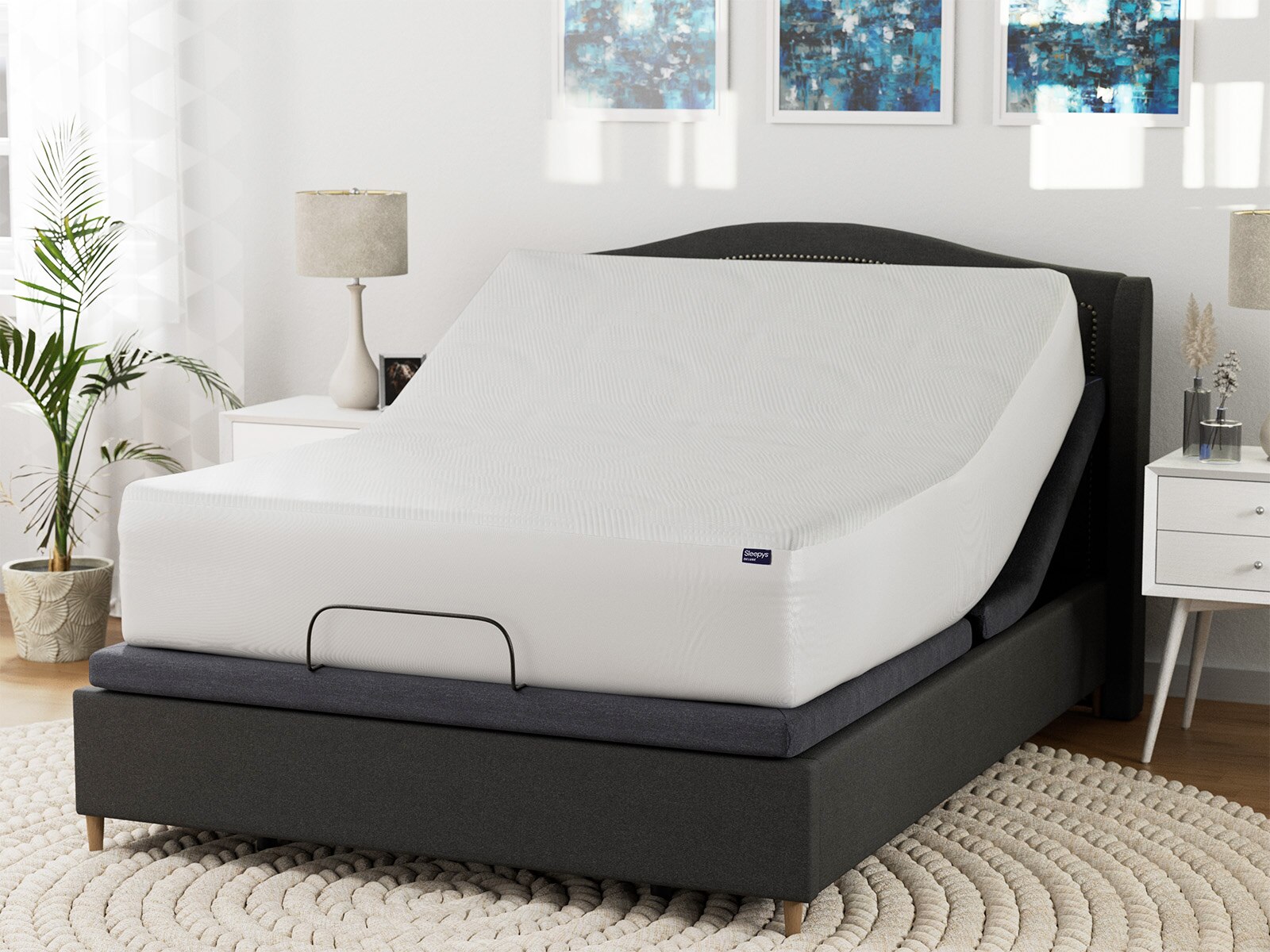
twin XL stretch protectors rather than a standard twin cover stretched beyond its intended size. Flexible sidewalls accommodate the mattress depths stated on the label; they do not make one size interchangeable with another. Depth includes the full height of anything the protector will cover, including a topper if it sits underneath the protective layer. On a taller mattress, an undersized skirt can pull at the corners or lift along the edges. On a thinner mattress, excess fabric may gather unless the elastic holds it securely underneath. A fitted sheet should still settle comfortably over the protector without fighting for space at each corner. Materials influence that experience as much as measurements do. Cotton and cotton-blend surfaces can provide a soft, familiar textile feel, while polyester blends and stretch knits can offer flexibility and shape recovery. Fiber content alone does not establish softness, breathability or durability; the fabric’s knit, thickness and finishing also contribute. In waterproof constructions, a backing or membrane supplies the liquid barrier, while the fabric above it affects how the cover feels beneath a sheet. A quiet, pliable construction is worth considering for someone who notices rustling when turning over. Stretch across the top panel can also matter on a mattress designed to contour closely to the body, since a taut, less flexible cover may affect the surface feel. For adjustable bases, compatibility with movement is another useful product detail. The protector needs enough flexibility to follow the mattress as the base changes position without repeatedly slipping free at the corners.
Care and construction help determine how well a twin stretchable mattress protector holds up to regular use. Reinforced seams, securely attached elastic and fabric that returns to shape after stretching all contribute to a dependable fit. Repeatedly forcing a shallow-pocket cover onto a thick mattress puts unnecessary strain on those components, while a correctly sized cover can be removed and replaced with less tugging. Many protectors are machine washable, but washing and drying requirements vary, particularly when a waterproof backing is involved. The care label should determine the cycle, detergent choices and drying method; excessive dryer heat, bleach or fabric softener may damage some protective materials or affect their performance. Complete drying before the bed is remade helps avoid trapping moisture between layers. A second washable protector can make bedding changes simpler when the first needs a full wash-and-dry cycle, especially in a child’s bedroom or a home where laundry takes longer to turn around. Between changes, checking the corners, seams and protective backing can reveal stretched elastic, small tears or peeling material that may reduce coverage. Mattress protection also has limits worth understanding. A fitted protector covers the top and wraps around the edges, while a full encasement surrounds all six sides of the mattress. Waterproof construction alone does not establish protection against dust mites or allergens; any such benefit should be supported by the product’s stated barrier features and intended use. Routine laundering of sheets and other bedding remains important regardless of the cover underneath. For a student setting up a twin bed, a family refreshing a child’s room or someone preparing a welcoming guest space, the most useful choice is one matched to the mattress and the way the bed is used. A protector can also be a practical addition to a bedding gift when the recipient’s mattress size and depth are known. Smooth fit, suitable coverage and manageable care are the details that help this everyday layer do its job without becoming something the sleeper has to think about each night.