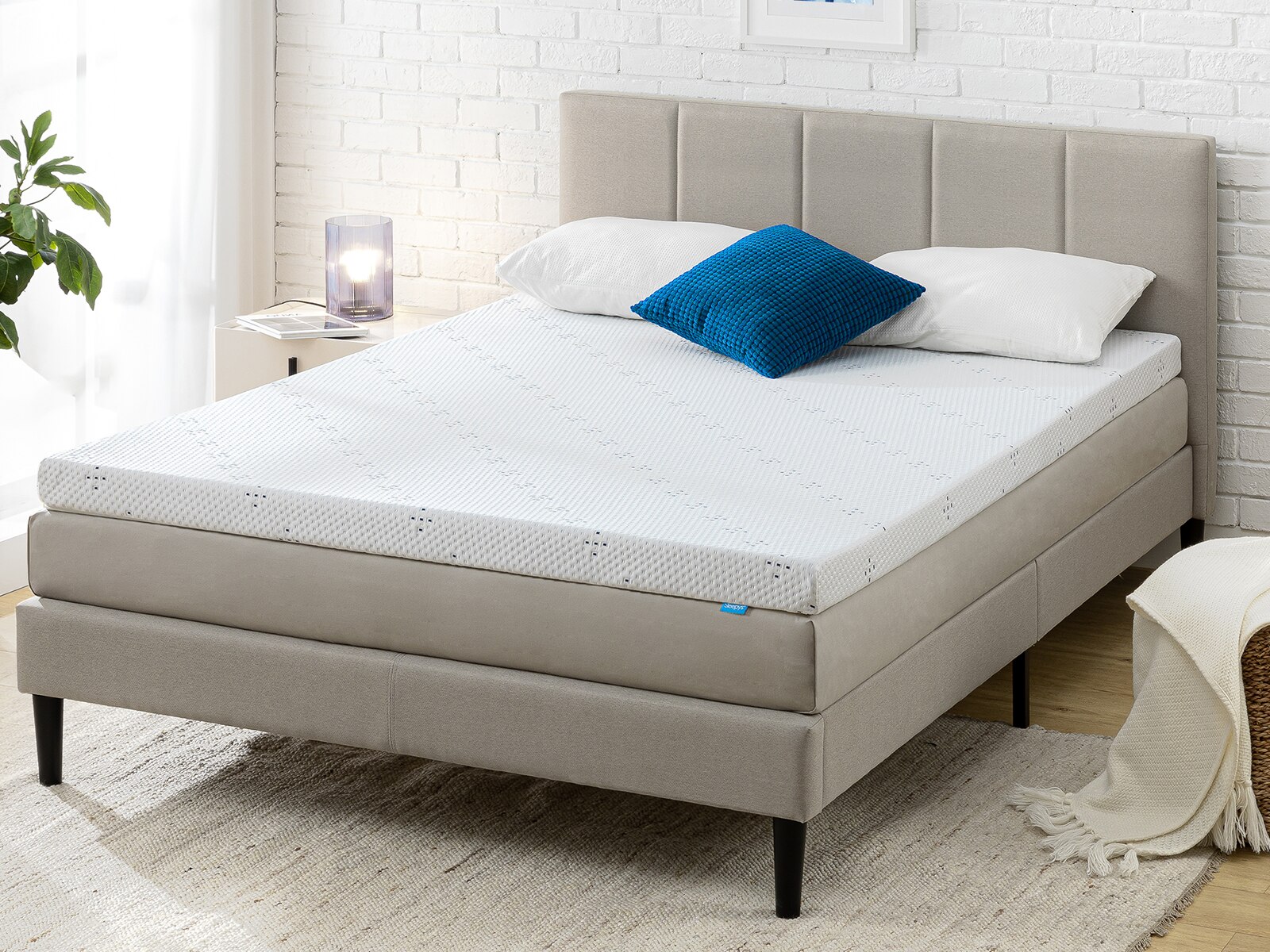
Twin XL mattresses are a practical choice for dorm rooms because they offer the familiar width of a twin bed with five additional inches of length. A standard Twin XL mattress measures approximately 38 inches wide by 80 inches long, although campus housing dimensions can vary by building, room and frame. That extra length can make a noticeable difference for taller students, especially when a standard twin leaves feet near the edge of the bed or forces the sleeper to curl up. It also gives growing students, visiting interns and young adults a more comfortable setup that can continue working beyond the first semester. Before purchasing, confirm the exact dimensions of the dorm’s mattress and bed frame, since some older residence halls use nonstandard sizes or institutional mattresses that are slightly narrower than retail Twin XL models. It is also important to check the school’s housing guidelines. Some colleges require students to use the mattress provided with the room, while others permit a replacement if the original is stored safely. Fire-safety rules, sanitation policies, bed-height restrictions and limited storage space may affect what can be brought into the room. When a replacement mattress is not allowed, a Twin XL mattress topper can be a useful way to add cushioning without removing the school-issued bed. A topper in the two-inch to three-inch range may soften a firm surface, smooth out minor discomfort and create a more familiar feel for students sleeping away from home for the first time. For someone settling into a small dorm room as the weather warms, that simple layer can be easier to transport, store and set up than a full mattress.
Choosing a Twin XL mattress for a dorm room starts with comfort preferences, sleeping position and practical details. Side sleepers often appreciate pressure relief around the shoulders and hips, while back and stomach sleepers may prefer a more supportive surface that helps them feel balanced without excessive sinking. Students who share a room may also value motion isolation, particularly when one roommate studies late, gets up early or returns from a shift while the other is asleep. Foam mattresses can provide a quiet, close-fitting feel and are often convenient to move through narrow hallways, stairwells and elevators. Innerspring designs may offer a more traditional responsive feel, airflow and easier movement when getting in and out of bed. Hybrid constructions combine these qualities, though their weight and height should be considered before move-in day. Mattress thickness matters, too. A thicker mattress may feel more substantial, but it can raise the sleeping surface and make a lofted bed, guardrail or under-bed storage arrangement work differently. Measure the available space from the frame to the ceiling and confirm that the mattress will not interfere with a desk, bunk configuration or safety rail. Students using a mattress topper should account for its added height when selecting fitted sheets. Twin XL sheets are specifically designed for the 80-inch length, while standard twin sheets are typically too short and may pull away from the corners. Deep-pocket sheets may be useful for a taller mattress and topper combination, but the pocket depth should still match the total height of the sleep surface. A waterproof mattress protector can help guard against spills, humidity and everyday wear, which is especially helpful in a room where snacks, water bottles, laundry and school supplies often share limited space. For additional comparison support, shoppers can explore
Best Twin XL Mattress for Dorm Bed while considering the fit and features that suit their campus setup.
A Twin XL mattress can also be a thoughtful practical gift for a student preparing for a new living arrangement, a recent graduate moving into shared housing or a family member who needs a longer single-sleeper mattress in a guest room. It is worth coordinating the purchase with the recipient before delivery, since dorm rooms often have strict move-in schedules and very little room for temporary storage. Mattress-in-a-box options can simplify transportation by arriving compressed and packaged in a manageable carton, but the recipient should have a clear, clean area where the mattress can be unpacked and allowed to expand according to the manufacturer’s instructions. Carrying dimensions, package weight and delivery access are useful details to review when a residence hall has a loading dock, timed elevator reservations or limits on oversized deliveries. During the cooler months, a comfortable Twin XL mattress can make a compact room feel more settled, especially when paired with breathable bedding for warmer nights, insulating layers for colder evenings and pillows that support the sleeper’s preferred position. Keep the surrounding space functional by confirming that the bed leaves room for the door, closet and study area to open fully. Students may also benefit from choosing a mattress with durable edge support, since the side of the bed often doubles as a place to sit while putting on shoes or organizing class materials. Regular rotation may help promote even wear when the mattress design allows it, while a protector and careful handling can help maintain a cleaner sleep surface throughout the school year. Whether the goal is to replace an uncomfortable dorm mattress, add softness to an existing one or create a more supportive bed for a taller sleeper, the right Twin XL setup can turn a narrow campus bed into a comfortable place to rest, recharge and feel at home.