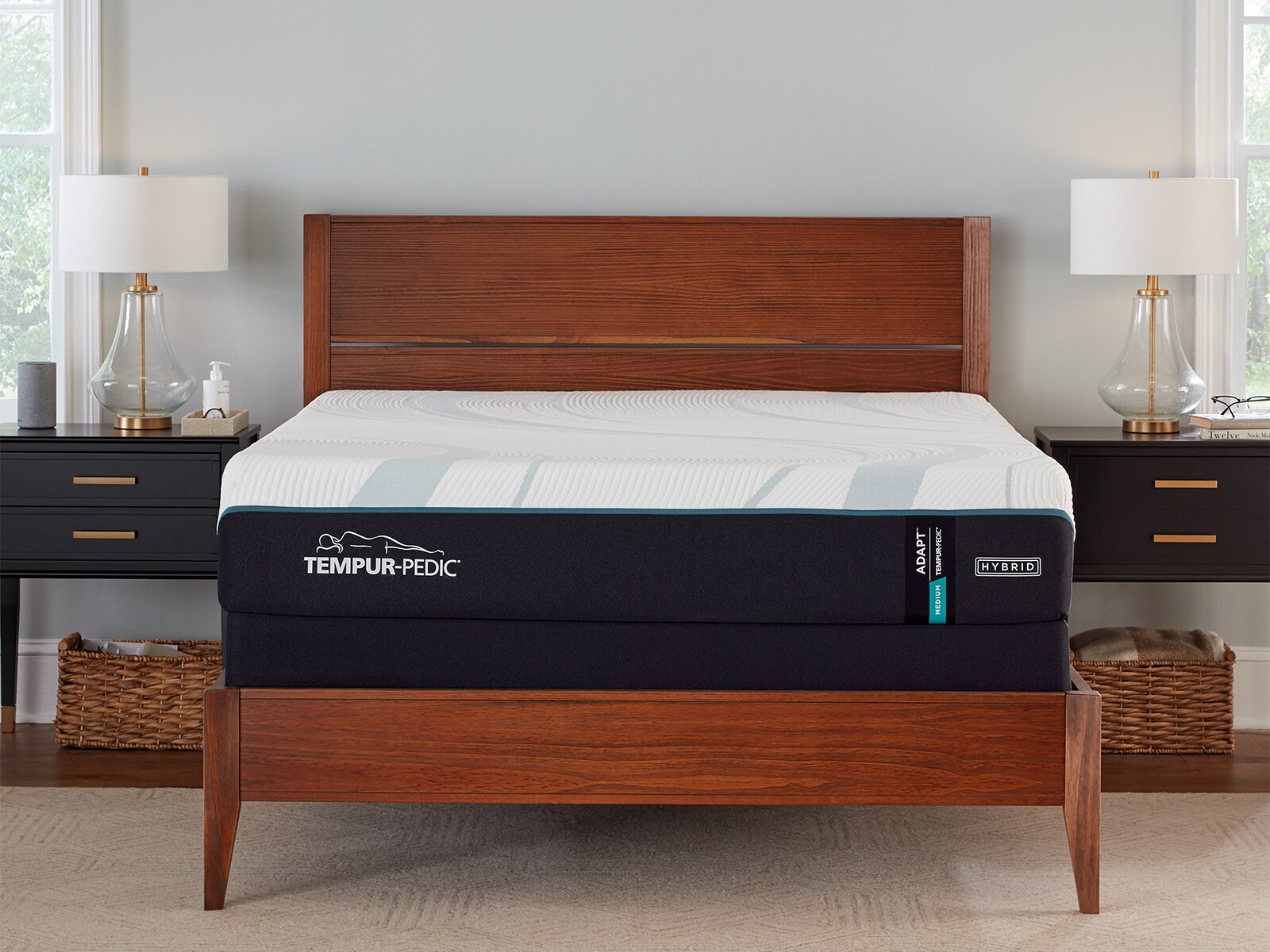
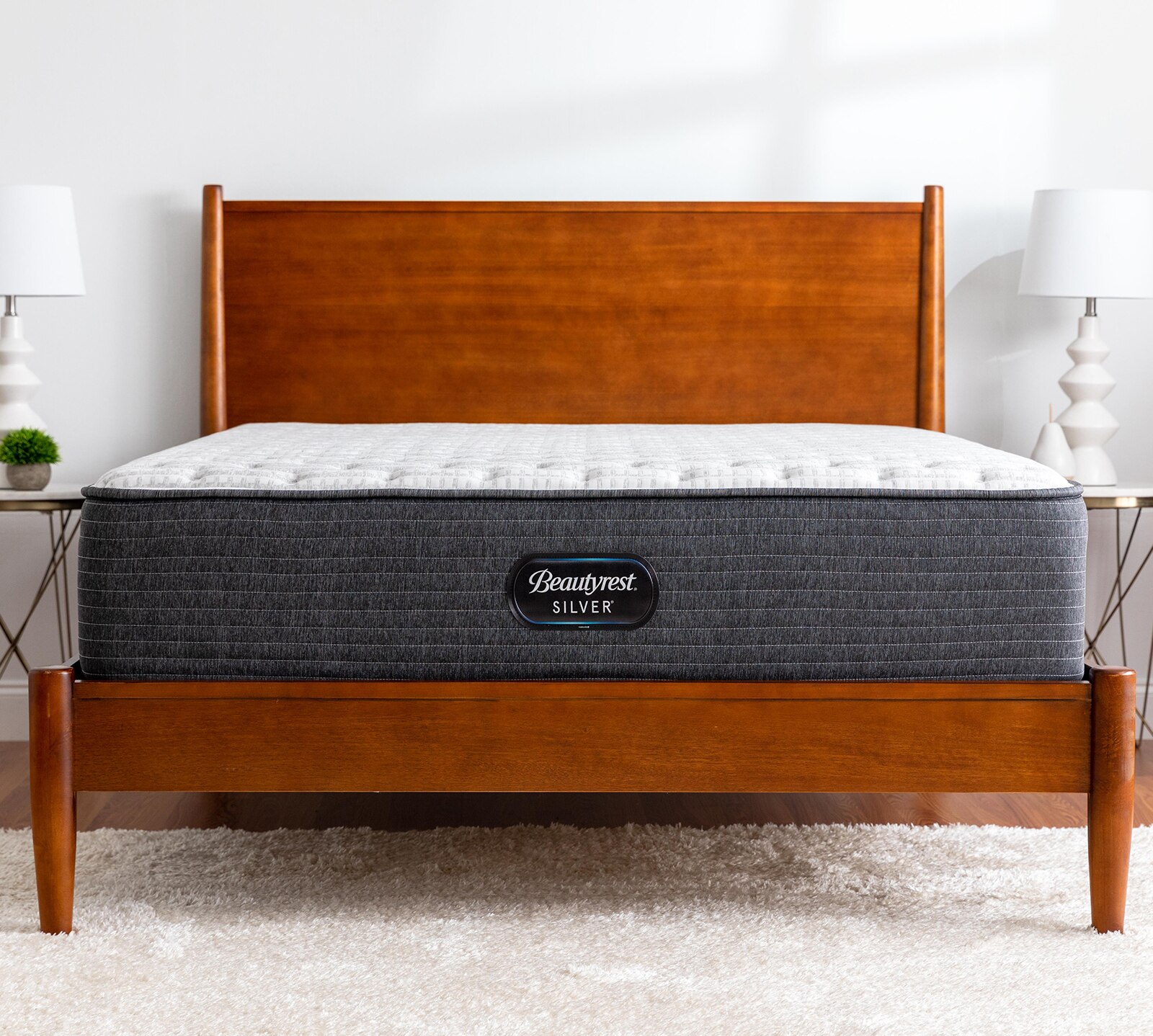
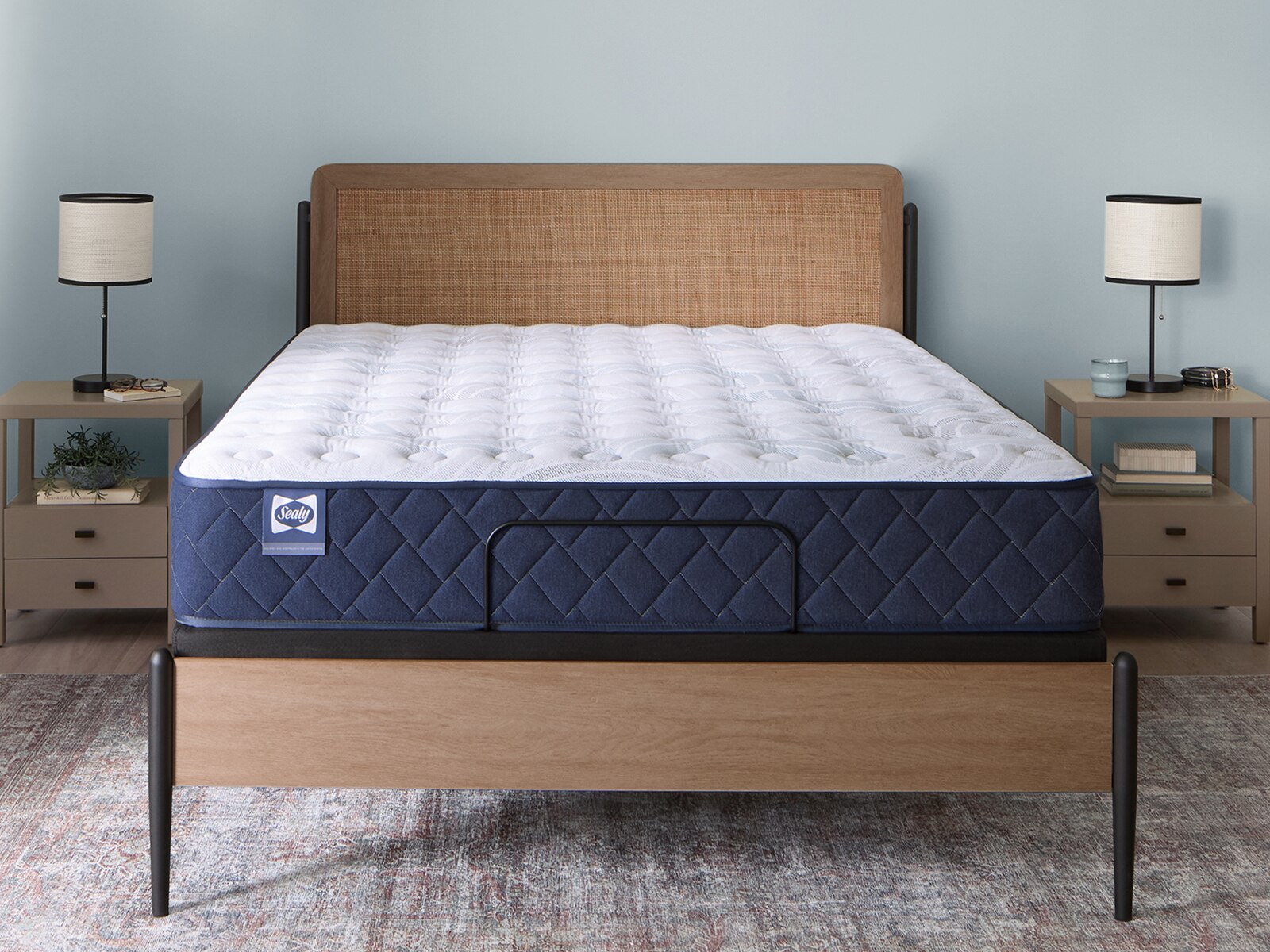
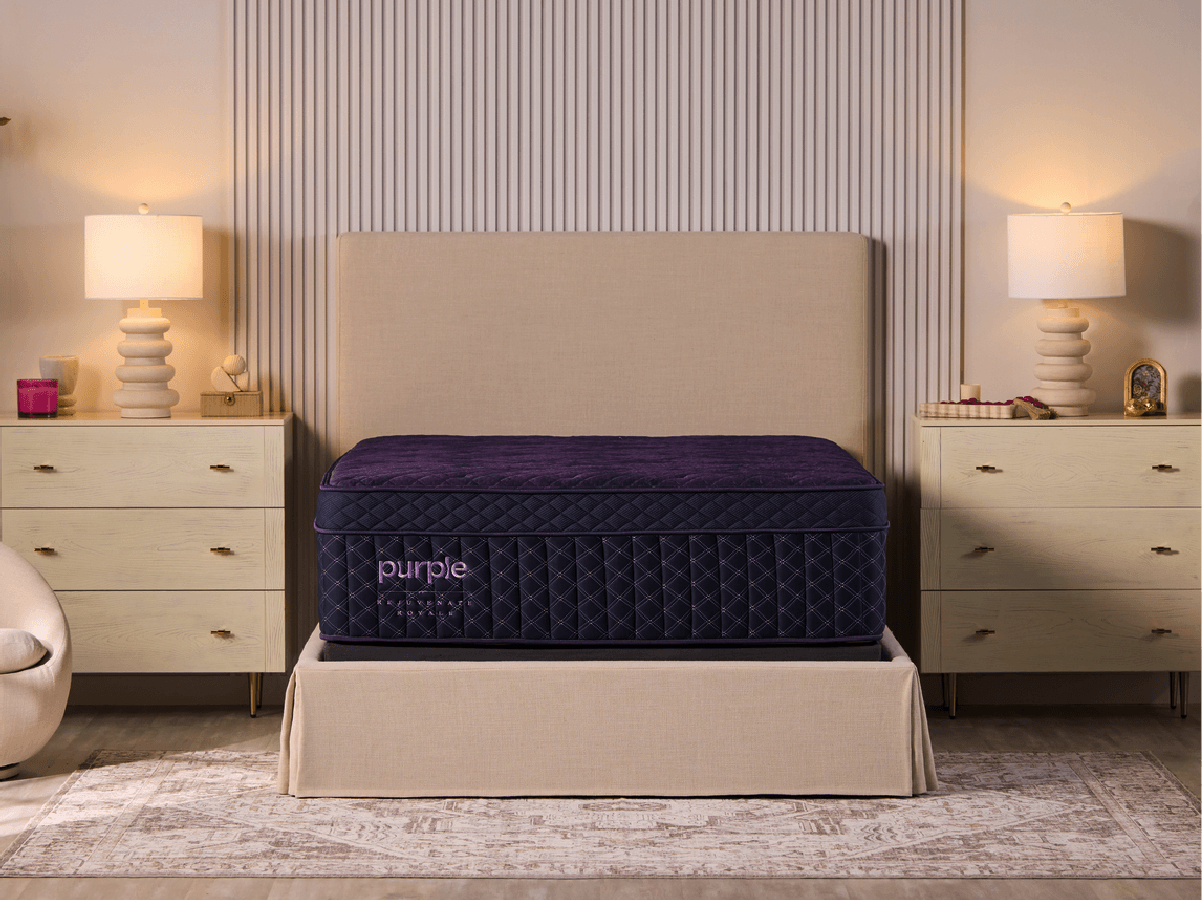
Twin XL mattresses with performance fabric combine extra length for a single sleeper with a cover designed to contribute to the mattress’s comfort and function. Performance fabric is a broad description rather than one specific material: depending on the construction, it may offer stretch, breathability, moisture management or a cool-to-the-touch surface. Those features work alongside the layers beneath the cover, so the fabric alone does not determine how supportive, cushioning or responsive a mattress feels. A standard Twin XL mattress measures approximately 38 inches wide by 80 inches long, making it about five inches longer than a standard twin without taking up additional width. That extended footprint can suit a taller teenager, a college student or an adult furnishing a compact bedroom. It also offers a practical option for a guest room where floor space needs to accommodate a nightstand, a dresser and a clear walking path. Before choosing a mattress, measure both the bed frame and the room, paying attention to the space needed to open drawers or move comfortably around the bed. Twin XL and standard twin bedding are not interchangeable in every case, especially fitted sheets, which need to match the mattress’s length and depth. Two Twin XL mattresses placed side by side create the approximate footprint of a king mattress, allowing each sleeper to choose a different comfort feel in a split king arrangement. For that setup, matching mattress heights helps keep the sleeping surfaces level, while adjustable bases require mattresses specifically identified as compatible. In a dorm room or on a raised bed frame, mattress thickness deserves particular attention because it affects the overall bed height and the relationship between the sleeping surface and any guardrail. The right fit is about more than whether the mattress rests inside the frame; it should also leave enough room for everyday routines, from making the bed to getting in and out comfortably.
The appeal of performance fabric starts at the surface, but its benefits depend on the textile and how it is incorporated into the mattress. A stretch-knit cover can flex as a sleeper settles into the comfort layers, while a more closely quilted surface may create a different initial feel. Breathable fabrics are intended to let air move through the material, and moisture-wicking fabrics are designed to move moisture away from the point of contact. Neither description means a mattress is waterproof, and a cool-to-the-touch cover does not guarantee that the entire sleep surface will remain cool throughout the night. Sheets, a mattress protector and the underlying mattress construction all influence the finished feel. Look for clear descriptions of the cover’s fibers and features rather than assuming every performance fabric provides the same benefits. Beneath that cover, foam, innerspring and hybrid constructions offer different combinations of cushioning and support. Memory foam often contours more closely around the body, while responsive foams and spring systems can make changing positions feel easier. A side sleeper may appreciate cushioning that allows the shoulder and hip to settle in without feeling pressed against a rigid surface. A back or stomach sleeper may prefer a feel that keeps the midsection from sinking too deeply. Body size and personal preference matter as much as the stated firmness, so a plush or firm label is a starting point, not a complete description. Someone who sits at the edge to put on shoes may also want to consider perimeter support, especially on a narrower mattress. For another category to compare, explore
Twin XL Comfort Sense Mattresses and review the listed materials, comfort levels and construction details. Across either category, the most useful comparison is how the cover and support layers work together for the person who will actually sleep on the mattress.
Everyday care helps preserve both the fabric and the mattress beneath it. Start with the manufacturer’s care instructions, particularly before using a cleaning solution or attempting to remove the cover. A zipper does not necessarily mean a cover is intended to be taken off or machine washed; some covers are part of the mattress’s permanent construction. For a washable cover, follow the specified washing and drying directions rather than assuming that a fabric described as durable can tolerate high heat or strong cleaners. For a nonremovable cover, use only the recommended spot-cleaning method, avoid saturating the surface and allow it to dry completely before replacing bedding. A properly fitted protector adds a separate barrier against spills and everyday moisture, but its thickness and material can change the feel of the performance fabric underneath. A flexible, breathable protector may preserve more of the surface’s contouring feel than a heavily padded layer. Choose fitted sheets with pockets deep enough for the mattress and any added protector so the corners stay secure without pulling tightly across the surface. Durability also depends on what supports the mattress: check requirements for slat spacing, center support and the type of foundation or adjustable base. An unsuitable foundation can affect how the mattress feels and wears, even when the cover remains in good condition. Rotate the mattress only as recommended, and do not flip it unless it is designed for use on both sides. These considerations are especially useful for a college student managing laundry in a shared space, a teenager moving into a longer bed or a household preparing a comfortable place for overnight guests. When choosing a mattress for someone else, confirm the frame size, preferred firmness and any setup limitations before focusing on fabric features. A well-matched Twin XL mattress brings together usable length, dependable support and a thoughtfully chosen surface, creating a sleep space that works comfortably within the room and the sleeper’s daily routine.