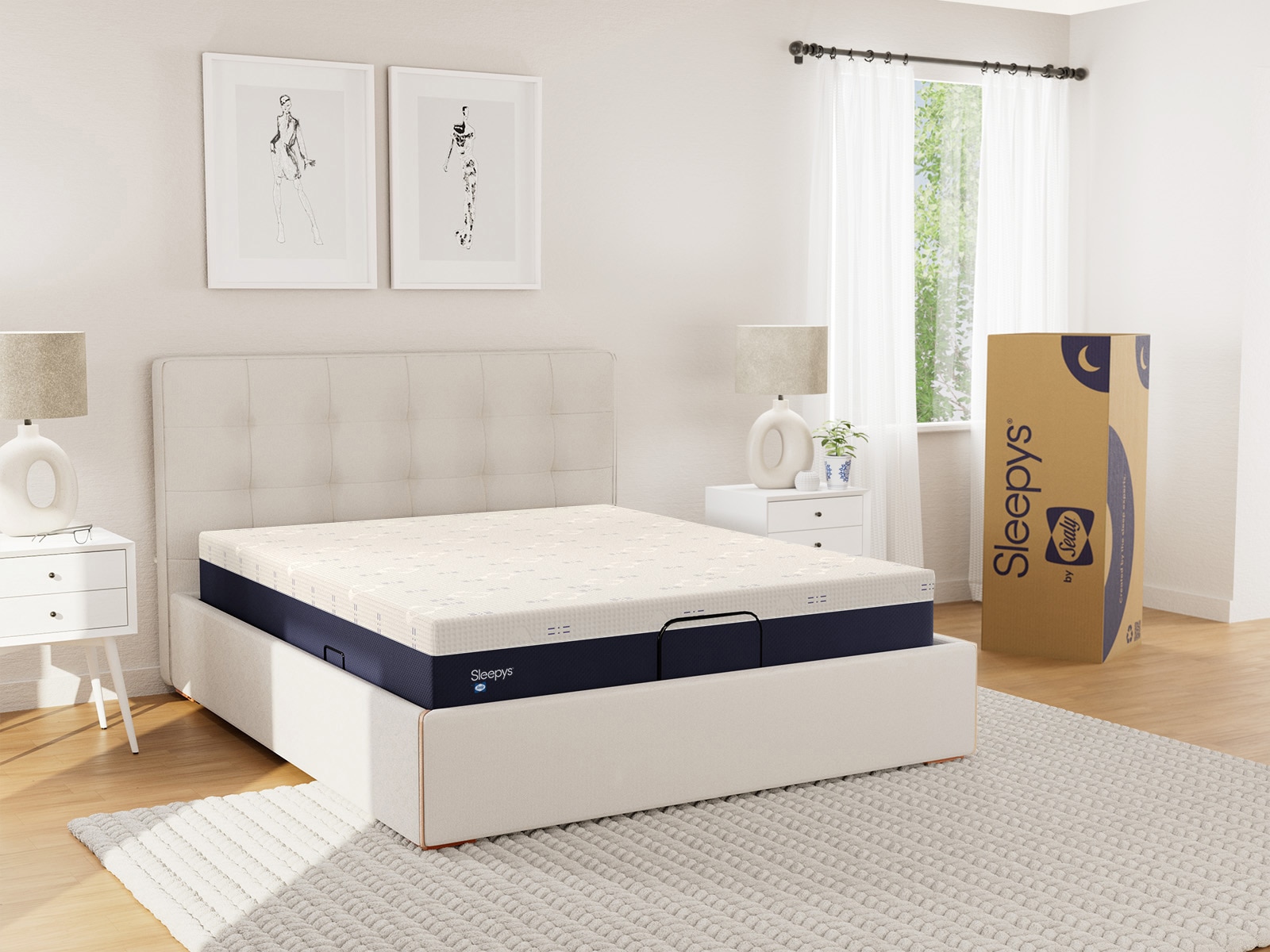
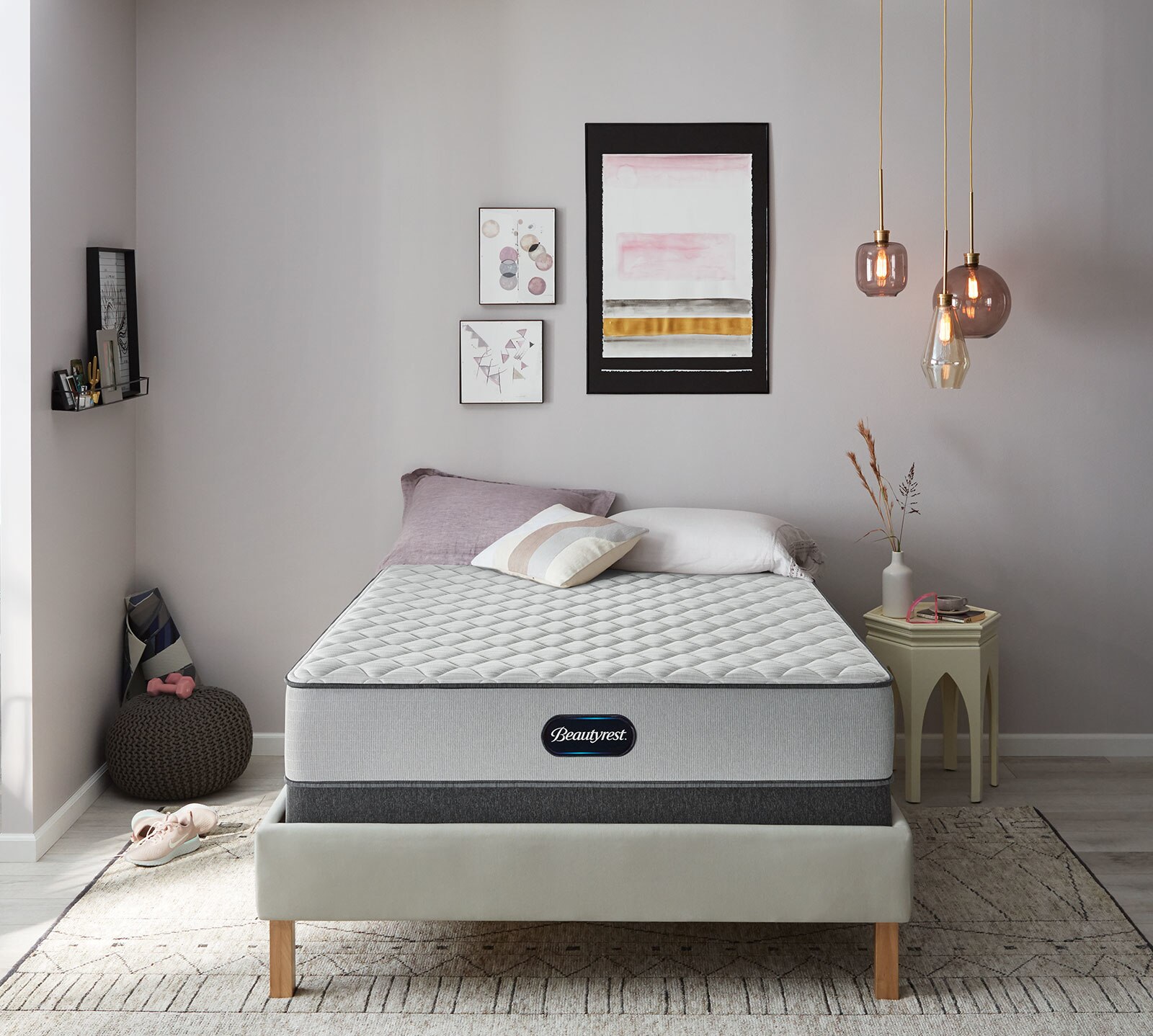
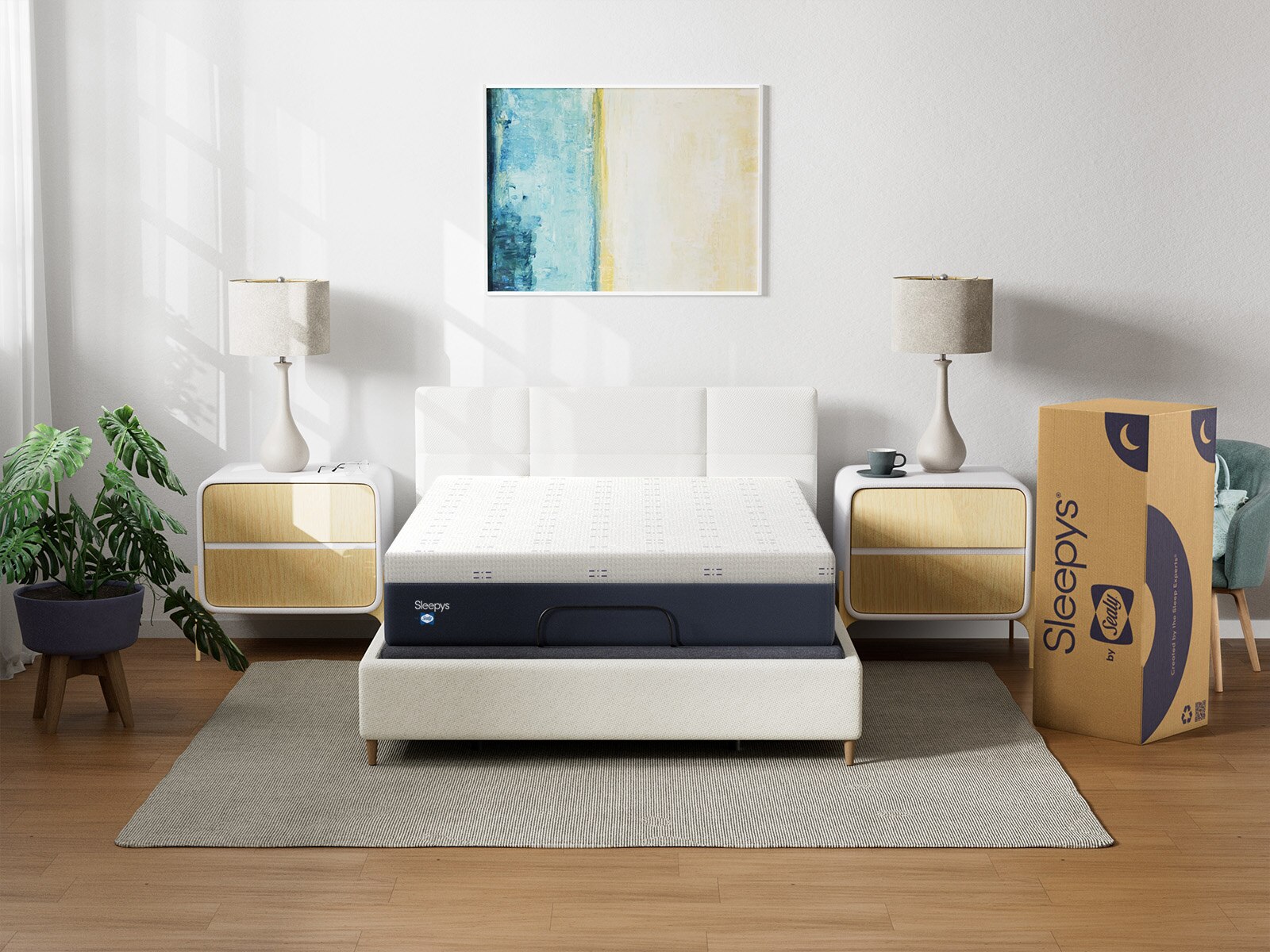
Twin XL mattresses with adaptive foam layers combine a longer, narrow sleep surface with cushioning that responds to body weight and contours. A standard Twin XL mattress measures 38 inches wide by 80 inches long, providing five more inches of length than a standard twin without requiring additional width. That extra length can make a meaningful difference for a taller teenager whose feet reach the end of a shorter mattress or an adult furnishing a compact bedroom. Adaptive foam layers are designed to compress beneath areas such as the shoulders and hips while working with the support system below to create a balanced feel. Depending on the construction, the surface may have a slow, close contour or a more responsive feel that makes changing positions easier. The size suits college bedrooms, guest spaces and smaller primary bedrooms where a single sleeper needs room to stretch out lengthwise. It also leaves more floor space for a desk, dresser or bedside table than a wider mattress would. For a guest room that doubles as a home office, that narrower footprint can help the room serve both purposes without making the sleeping area feel like an afterthought. The added length does not provide extra room from side to side, so shoulder room and preferred sleeping posture still matter. Someone who sleeps curled up may use the surface differently from someone who stretches out with arms and legs extended. When deciding between the two narrow sizes,
Twin Mattresses With Adaptive Foam provide a useful comparison for rooms or sleepers that do not need the additional length. Measuring the room, bed frame and sleeper’s needs together helps put the Twin XL dimensions in practical perspective. Space around the bed matters, too, especially where drawers need clearance or a walkway runs between the mattress and a wall.
The feel of a Twin XL mattress with adaptive foam depends on more than the softness of its top layer. Adaptive foam describes how a material responds to the sleeper rather than a single, standardized foam formula. Some constructions use memory foam for a gradual, body-conforming sensation, while others use responsive polyurethane foam that rebounds more quickly as weight shifts. An all-foam mattress generally pairs its cushioning layers with a firmer foam support core. A hybrid combines foam comfort layers with a coil support system, which can create a more buoyant feel beneath the contouring surface. Neither construction is automatically the better fit; the balance between cushioning, support and ease of movement matters more than the category alone. A side sleeper may appreciate enough give for the shoulder and hip to settle into the surface without feeling pressed upward. A back sleeper may prefer a more even feel through the hips and lower back, while a stomach sleeper often needs firmer support to limit excessive sinking through the midsection. Body weight also changes how deeply the comfort layers compress, so the same firmness description can feel different from one person to another. For someone who turns frequently, responsive foam can make repositioning feel less effortful than a deeply enveloping surface. Foam can also absorb movement, although the degree of motion isolation varies with the complete mattress construction. Edge support deserves attention on a narrow mattress, particularly for someone who sits along the side while getting dressed or tends to sleep near the perimeter. Overall mattress height does not establish quality or firmness by itself. The arrangement and properties of the comfort layers, transition layers and support core provide more useful context than thickness alone. Cover construction and airflow through the mattress can influence comfort as well, but surface descriptions should be considered alongside the underlying materials rather than treated as a substitute for them.
Fit and everyday care help determine how well an adaptive foam Twin XL mattress works over time. A Twin XL frame or foundation should match the mattress dimensions and provide the type of support specified by the manufacturer. On a slatted frame, the spacing and condition of the slats matter because unsupported gaps can allow the mattress to sag between them. Compatibility with an adjustable base also needs to be confirmed for the individual mattress rather than assumed from the foam construction. Two standard Twin XL mattresses placed side by side have the same overall dimensions as a standard king, making the size relevant to split king arrangements. With compatible mattresses and independently moving bases, each sleeper can adjust their side separately. The center seam remains part of that setup, and bedding needs to accommodate the separate sleep surfaces. For a single Twin XL, fitted sheets should match both the length and the mattress depth; a standard twin fitted sheet may not stretch securely over the longer corners. A mattress protector can help shield the cover from spills and everyday buildup, while regular sheet washing keeps the sleep surface fresh. Cleaning should follow the care label, using only approved methods and avoiding excess moisture that can be difficult to remove from foam. Some removable covers are washable, but a zipper alone does not mean the cover should be taken off. Rotate the mattress only as recommended, and do not flip a layered mattress unless it is specifically designed for use on both sides. Over time, foam quality, construction, body weight and the condition of the foundation all influence durability. Persistent impressions or a noticeable loss of support deserve attention rather than being covered with additional cushioning. For a growing teenager, a college student or an adult settling into a smaller home, the most useful choice balances the extra length with a comfortable surface, dependable support and care requirements that fit daily life.