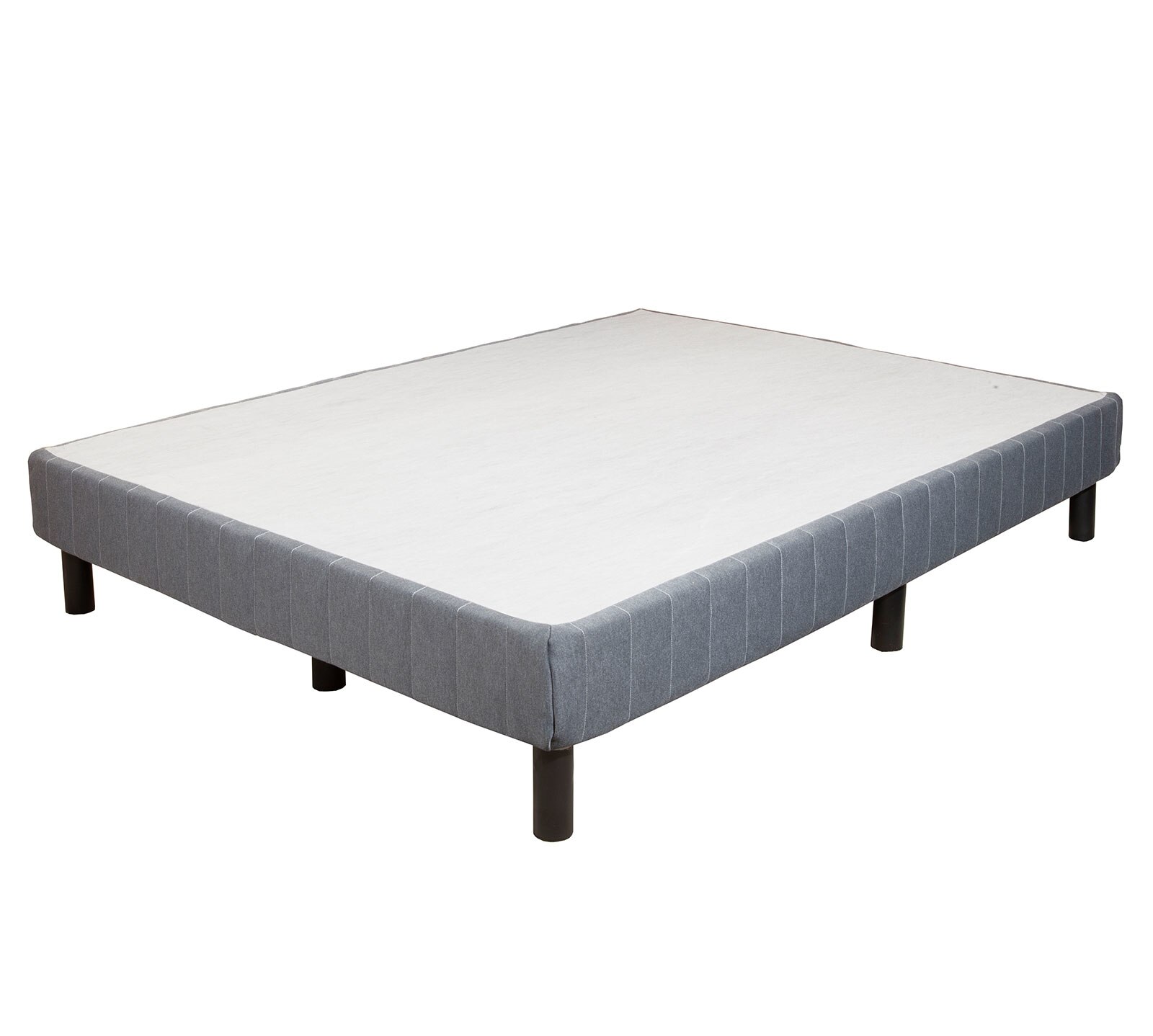
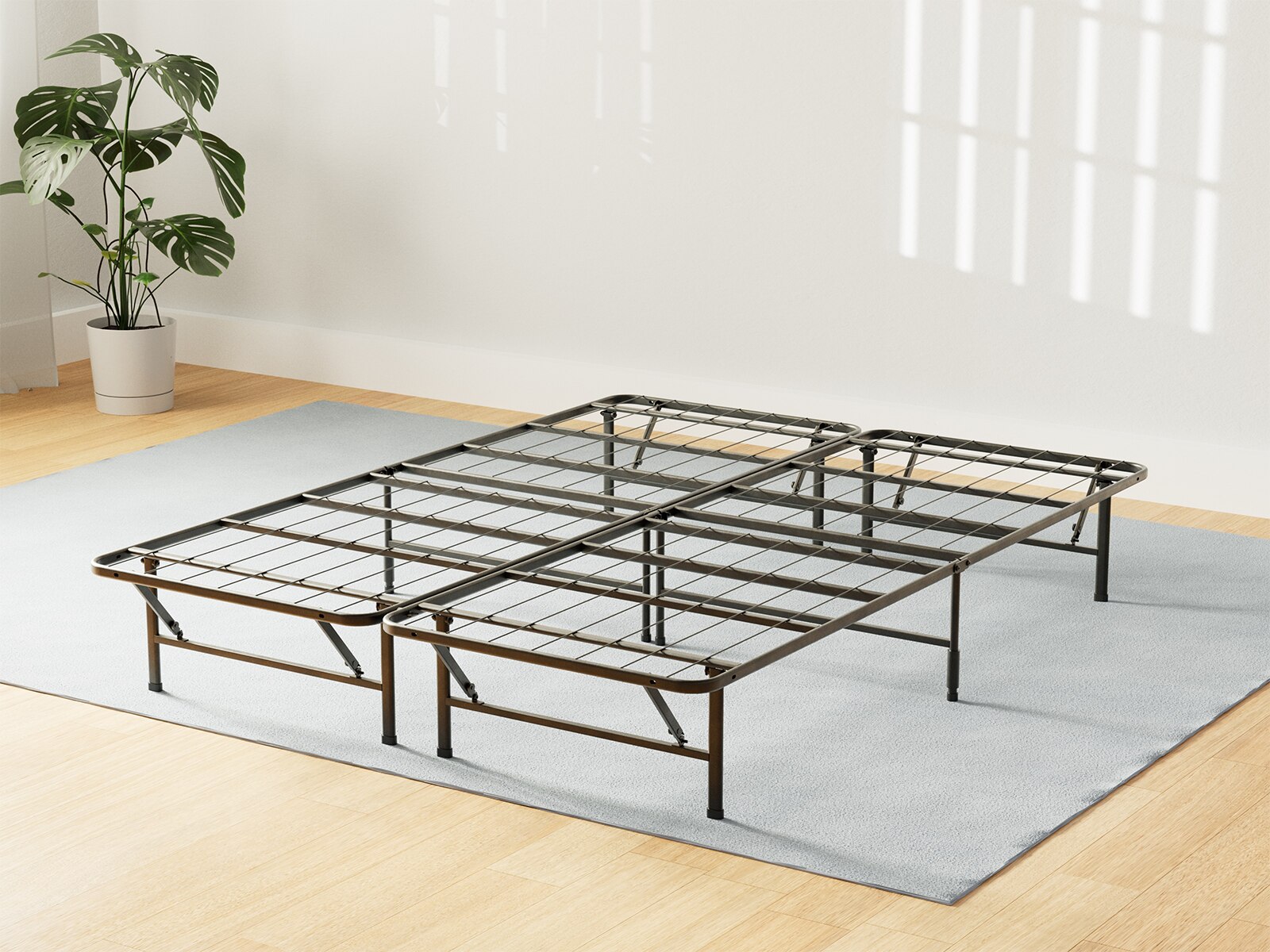
Platform beds support a mattress on an integrated foundation, typically wood or metal slats or a solid deck, and most are designed to be used without a box spring. Their appeal goes beyond that straightforward construction: a well-chosen frame can anchor a bedroom while leaving plenty of room for personal style. Versatile style platform beds work especially well when furniture needs to feel coordinated without matching every finish or detail. A wood frame with a simple headboard can sit comfortably beside a painted dresser, a woven rug or metal bedside lamps. An upholstered frame introduces a softer texture, giving a room with smooth walls and hard flooring a more inviting focal point. Metal frames can have a light, open appearance or a more substantial architectural presence, depending on the thickness of the rails and the shape of the headboard. The silhouette matters just as much as the material. Straight lines and restrained details make it easier to change bedding, artwork or nightstands without replacing the bed itself. A low footboard can keep the view across a smaller bedroom open, while a taller headboard gives the mattress a defined backdrop in a larger space. Upholstered edges may appeal to someone who likes a softer surface near the bed, although padding does not replace careful furniture placement. Wood grain brings visible texture, while a smooth painted or metal finish creates a more uniform look. Each can support a relaxed, tailored or layered bedroom, depending on the surrounding furnishings. For a first apartment, a shared primary bedroom or a guest room that also serves as a home office, this flexibility helps the bed remain useful as the room changes. The most adaptable design is often one with proportions and details that feel comfortable alongside furniture already in the home, rather than one that requires an entirely new decorating scheme.
A platform bed’s everyday usefulness starts with the fit between its foundation and the mattress. Mattress manufacturers may specify maximum slat spacing, required center support or other foundation requirements, so a platform frame should be checked against those instructions rather than assumed compatible. Foam, latex and hybrid mattresses can have different support needs, and a solid deck may also require attention to the manufacturer’s ventilation guidance. A frame labeled for a queen mattress still needs to be evaluated for its overall exterior dimensions: upholstery, side rails and an extended headboard can take up space beyond the mattress footprint. In a narrow bedroom, those extra inches can affect whether a closet opens fully or whether there is a comfortable path around the foot of the bed. Mattress thickness also changes the finished setup. A thick mattress on a taller platform creates a different sitting height than a thinner mattress on a low frame, which matters when getting dressed, putting on shoes or transferring into bed. Someone who finds low seating difficult may prefer a higher sleeping surface, while another person may like the grounded appearance of a lower frame. Headboard proportions deserve the same attention, since a deep mattress and stacked pillows can cover much of a short headboard. Comfortable Platform Beds can take many forms, and details such as these help connect an appealing design with a practical daily routine. For another perspective on that balance, explore
Comfortable Platform Beds. Storage features add another layer of usefulness when space is limited. Drawers need enough clearance to open beside nightstands, while lift-up storage requires room above the mattress and careful use according to the mechanism’s instructions. An open area beneath the frame can accommodate appropriately sized storage containers or make floor cleaning easier, but usable clearance depends on the rails, support legs and any center beam.
Materials, construction and care all contribute to how well a platform bed holds up to regular use. Solid wood offers natural variation in grain and color, while engineered wood can provide a consistent appearance and different construction options. Neither description alone establishes durability; the quality of the connections, the strength of the support system and the suitability of the frame for its intended load matter more than a material label by itself. Metal frames also vary in construction, with joints, slat attachment points and center supports playing important roles in stability. Weight limits should account for the mattress and everyone using the bed, following the manufacturer’s stated guidance. Proper assembly helps the structure perform as intended, including positioning support legs correctly and tightening hardware in the recommended sequence. Hardware may need periodic checks, particularly after moving the frame or noticing movement at a joint. For wood surfaces, a soft cloth and manufacturer-approved cleaning methods help protect the finish; standing moisture and abrasive cleaners can cause damage. Upholstered beds benefit from regular gentle vacuuming around seams and edges, with spot cleaning based on the fabric’s care label rather than a general household cleaning recipe. Fabric texture is worth considering in homes with pets, since loose weaves and prominent stitching may catch claws more readily than smoother, tightly woven surfaces. Accessible space around and beneath the bed also makes routine cleaning less cumbersome. In a frequently used bedroom, these practical details can matter as much as the initial appearance. In a guest room, a straightforward frame with dependable support and an approachable height can accommodate changing visitors without making the room feel temporary. A platform bed should ultimately suit the way the space is lived in: enough clearance for morning routines, a foundation matched to the mattress and a finish that feels at home beside familiar belongings. That combination gives versatile styling its lasting value, allowing the bedroom to evolve while the bed remains a useful, comfortable center of the room.