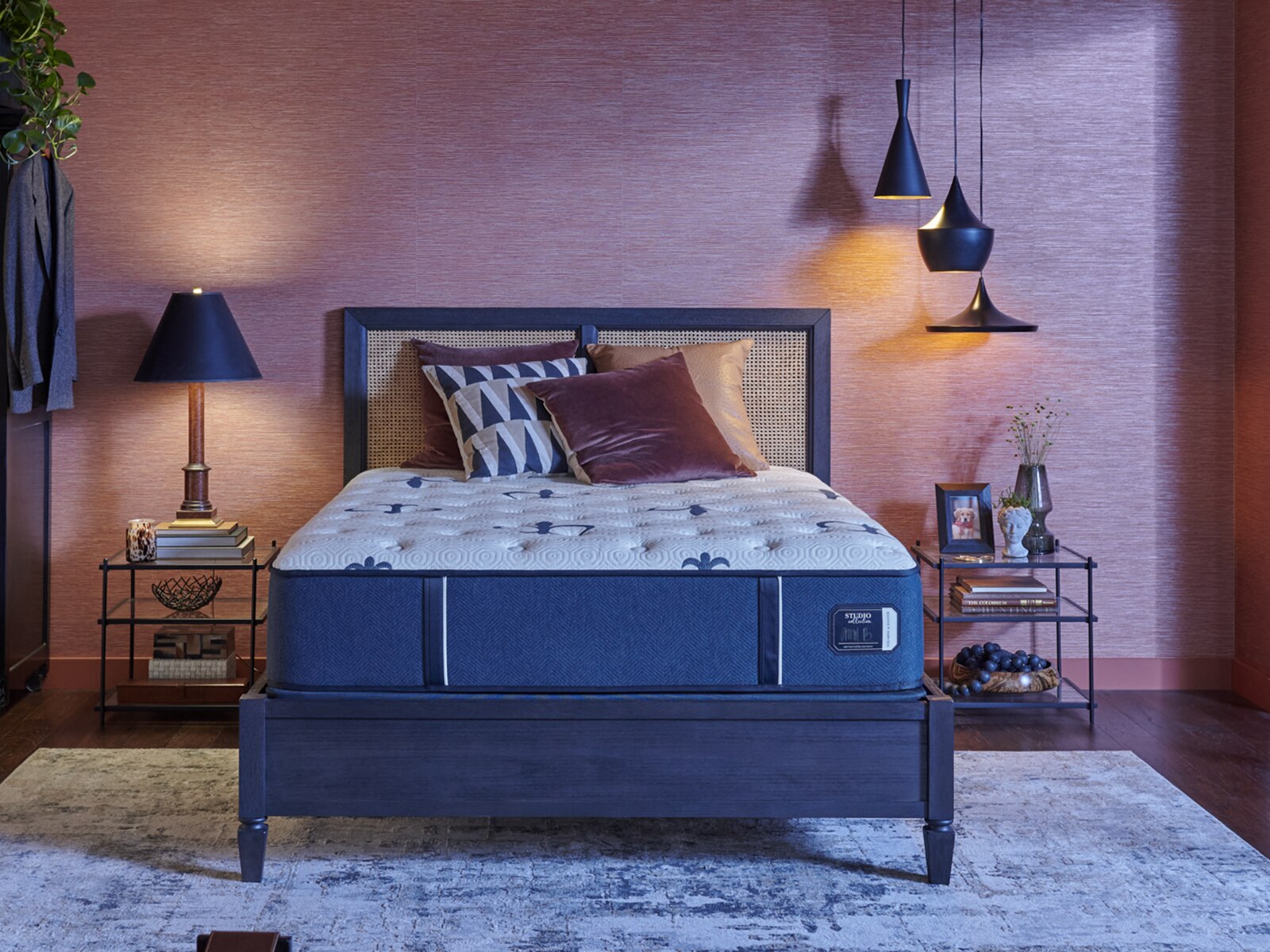
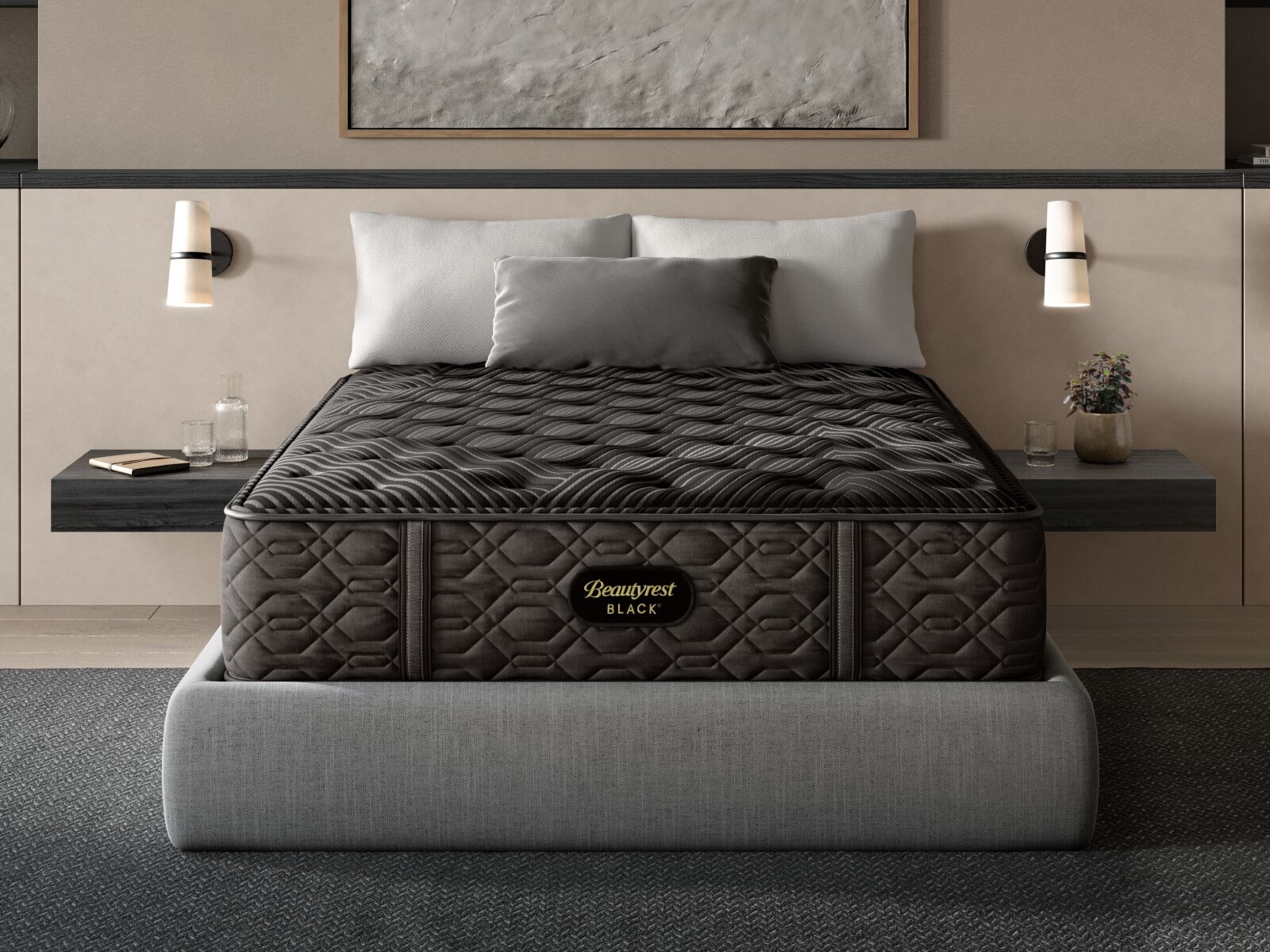
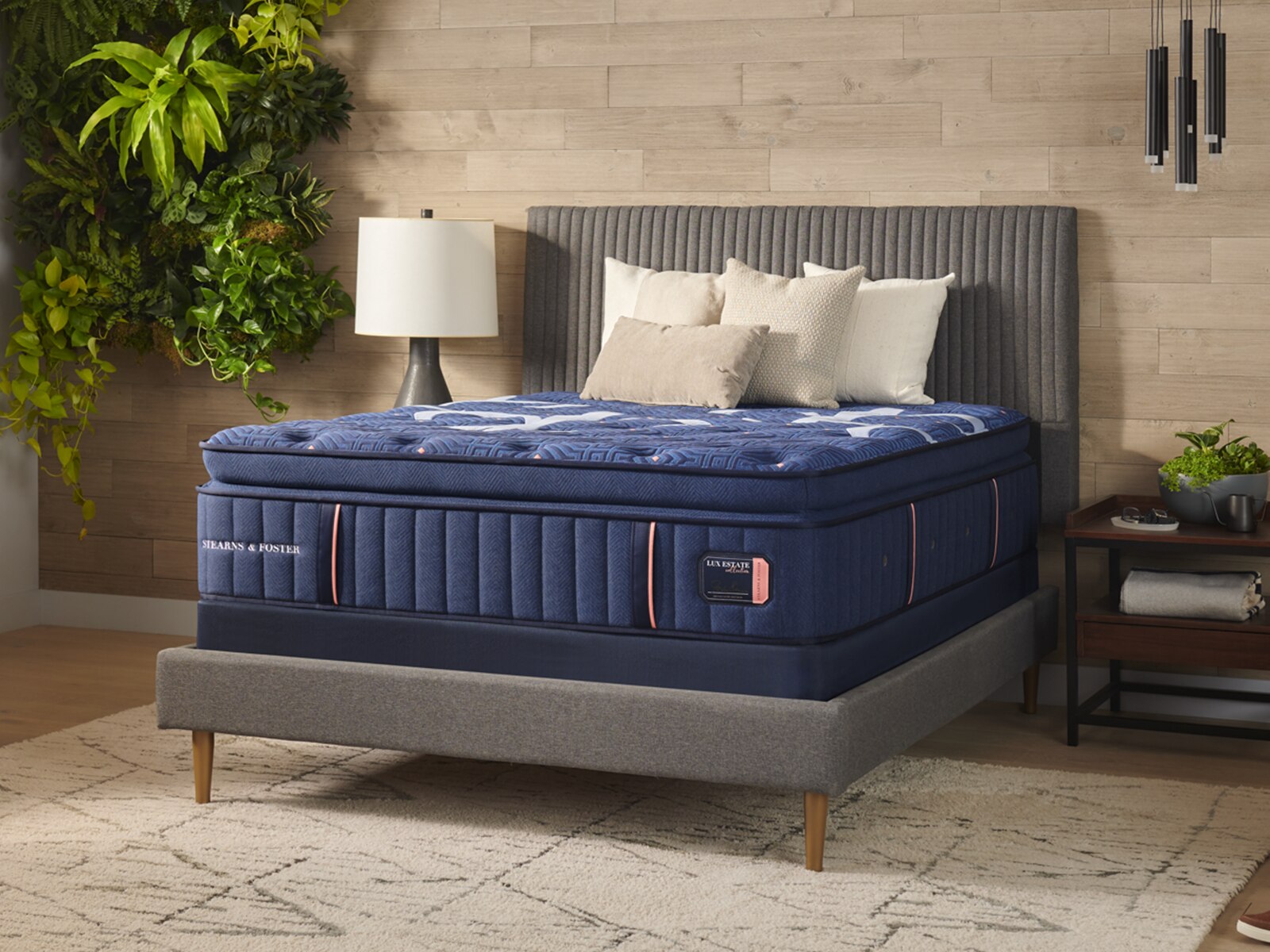
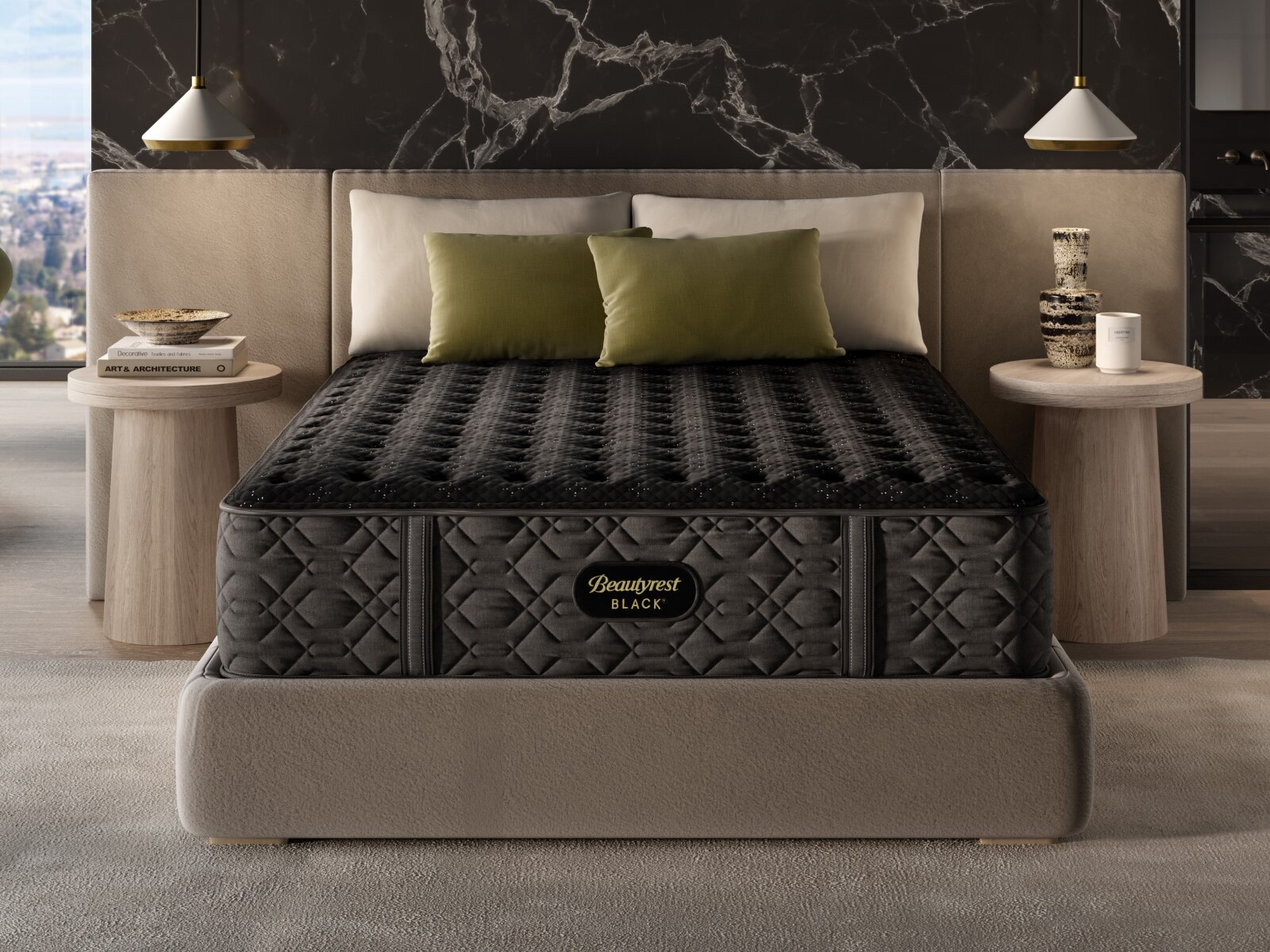
A 17-inch mattress is a high-profile mattress with a thickness of approximately 17 inches from its bottom surface to the top of its sleeping surface. That measurement describes height, not firmness: a mattress this thick can feel plush, medium or firm depending on its materials and construction. The extra depth can accommodate several comfort layers above a supportive core, creating a substantial sleep surface and a fuller appearance on the bed. Common construction types include hybrids that combine coils with foam or latex, as well as layered foam designs. Memory foam tends to contour more closely around the body, while latex generally has a more buoyant, responsive feel. Coil systems provide underlying support, and individually wrapped coils can help limit movement traveling across the mattress. Pillow tops and Euro tops add cushioning at the surface, although their feel depends on the materials inside rather than the name alone. For a side sleeper, cushioning that allows the shoulders and hips to settle without letting the midsection sink too far can make a meaningful difference in comfort. Back sleepers may prefer a steadier feel beneath the lower back, while stomach sleepers often benefit from a surface that keeps the hips from dipping excessively. Someone who changes positions frequently may appreciate responsive layers that make turning over feel less effortful. Body weight also influences how deeply a sleeper settles into the mattress, so the same construction can feel different from one person to another. For couples, motion isolation, usable space near the edges and comfort across the whole surface can matter as much as the initial feel. Thickness alone does not establish support, durability or pressure relief. The arrangement and quality of the layers are more useful indicators of how a mattress may perform over time. A deeply cushioned surface can feel inviting at bedtime, but lasting comfort also depends on the support beneath it. The most suitable combination allows comfortable settling without a feeling of being stuck and provides consistent support in the positions used most often.
The fit of a 17-inch mattress involves more than choosing a twin, queen or king. Its height becomes part of the complete bed setup, along with the frame, foundation and any mattress pad. On a tall foundation, that extra depth can put the sleeping surface noticeably higher than expected. On a low platform, it may create a comfortable sitting height while preserving the substantial look of a thicker mattress. Measuring from the floor to the top of the existing support, then adding 17 inches, gives a practical estimate of the finished height. A bed that allows someone to sit securely at the edge with feet resting comfortably on the floor is generally easier to get into and out of than one that requires climbing or sliding down. That consideration is especially relevant for shorter adults or anyone who finds a high bed difficult to manage. Headboards and footboards deserve attention, too: a deeper mattress may cover decorative details or leave less headboard visible above the pillows. A compatible foundation is equally important. Platform slats, center supports and adjustable bases should meet the mattress manufacturer’s requirements, including any limits on slat spacing or restrictions on adjustable use. A thicker mattress is not automatically compatible with an adjustable base. Bedding needs a similar fit check. Deep-pocket fitted sheets must accommodate the full mattress depth, including any protector or pad, rather than simply carrying a deep-pocket label. Pocket measurements vary, and a sheet that barely reaches beneath the corners may pull loose when someone turns over. A properly sized protector should sit smoothly without compressing the top or bunching under the sheet. Comforter dimensions also affect how much fabric hangs over the sides of a taller bed. For a comparison with a somewhat lower profile,
14.5-inch mattresses offer another height to consider alongside the same questions about comfort, support and overall bed proportions. The difference in thickness may affect the setup without determining which mattress feels better.
Everyday use and care help determine how comfortably a thick mattress fits into a bedroom routine. A 17-inch profile can work well in a primary bedroom or a guest room with enough space and an appropriate foundation, but it is not suitable for every bed frame. Bunk beds, trundle beds and other frames with height restrictions require particular care; their stated mattress limits take priority over a preference for a deeper surface. Delivery access matters as well, especially around narrow stairways, tight hallway turns and low doorways. Mattress weight varies by size and materials, and a deep construction can make lifting corners or changing fitted sheets more demanding. Having help when moving or rotating the mattress can make handling more manageable, with the manufacturer’s handling directions taking precedence. Once the mattress is in place, a well-fitted protector can help shield the surface from spills and everyday moisture without adding substantial bulk. Cleaning methods should follow the care label, since covers and interior materials respond differently to moisture and cleaning solutions. A removable cover is not necessarily machine washable, and soaking upholstery can leave moisture trapped inside. When spot cleaning is permitted, a light touch and complete drying before replacing bedding are important. Rotation may help distribute wear on some mattresses, but the recommended schedule varies; flipping is appropriate only when the mattress is designed for use on both sides. Keeping the foundation secure and checking support legs periodically also helps maintain an even base. Over time, some surface settling may occur, especially in cushioned upper layers. A persistent dip, a noticeable loss of support or discomfort that develops in a familiar sleeping position deserves closer attention under the manufacturer’s care and warranty guidance. Greater thickness does not prevent wear, and additional layers do not automatically mean a longer useful life. Thoughtful construction, suitable support and consistent care matter more than height alone, helping a 17-inch mattress remain a comfortable part of the bedroom rather than simply a taller one.