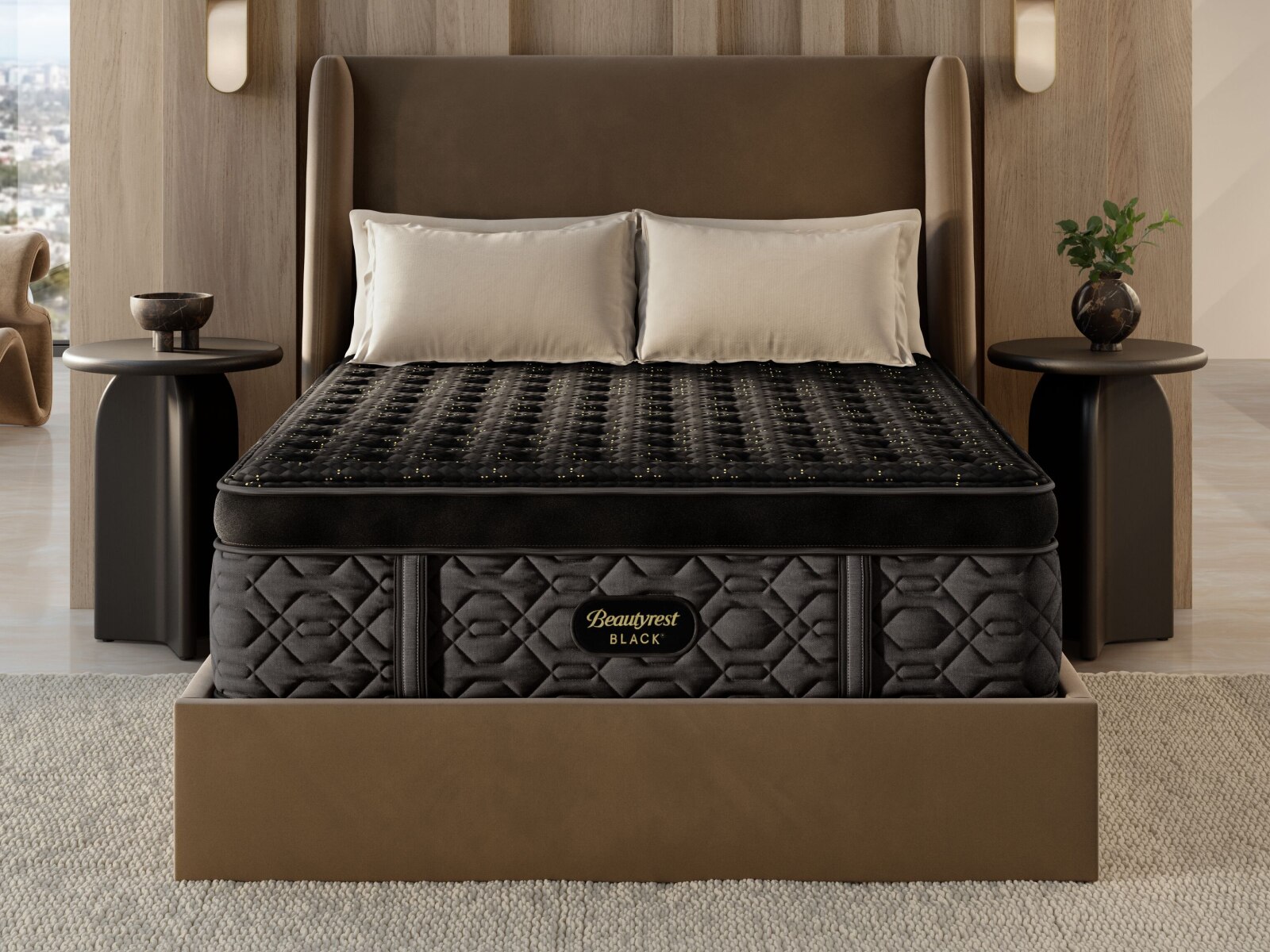
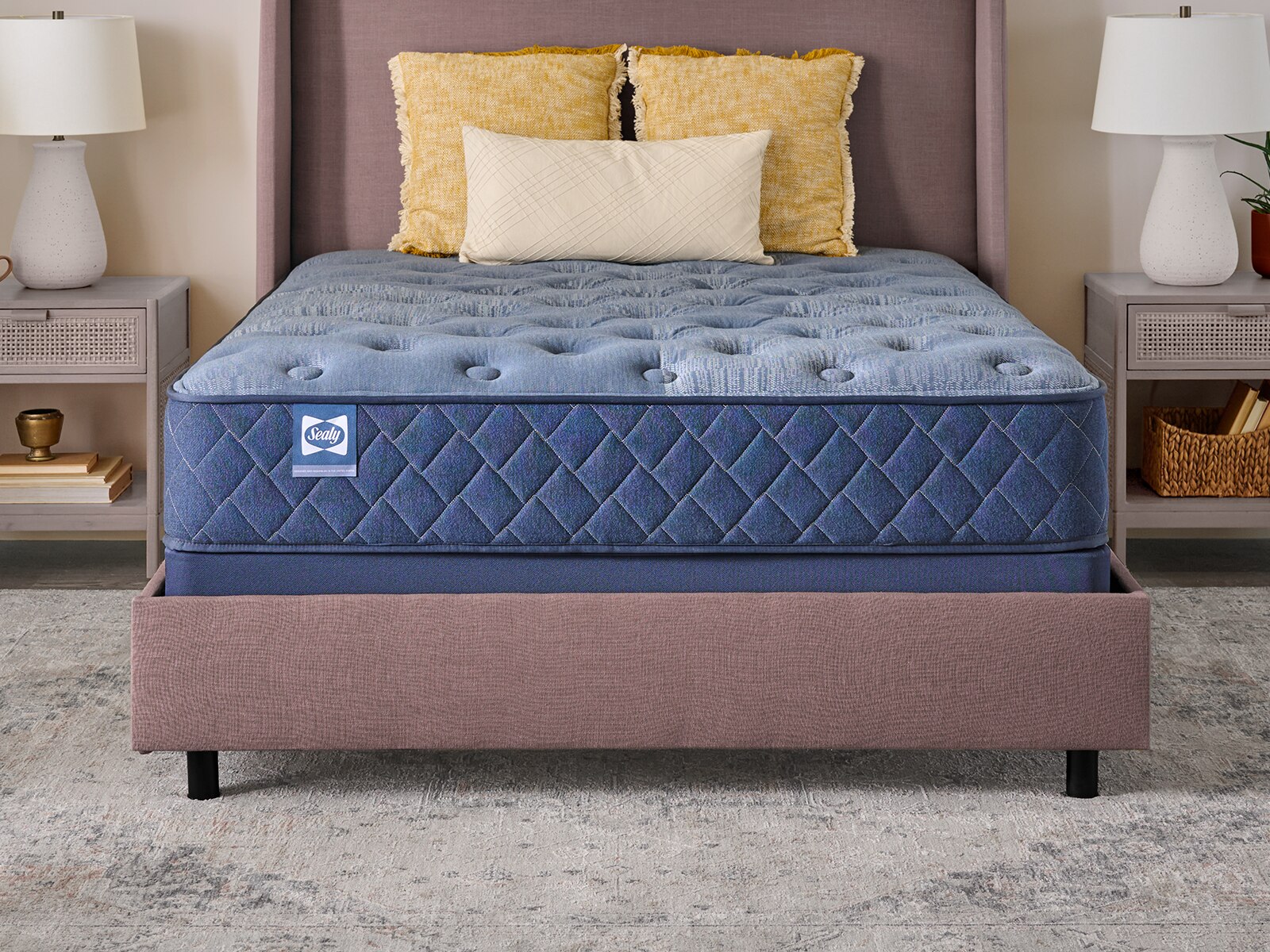
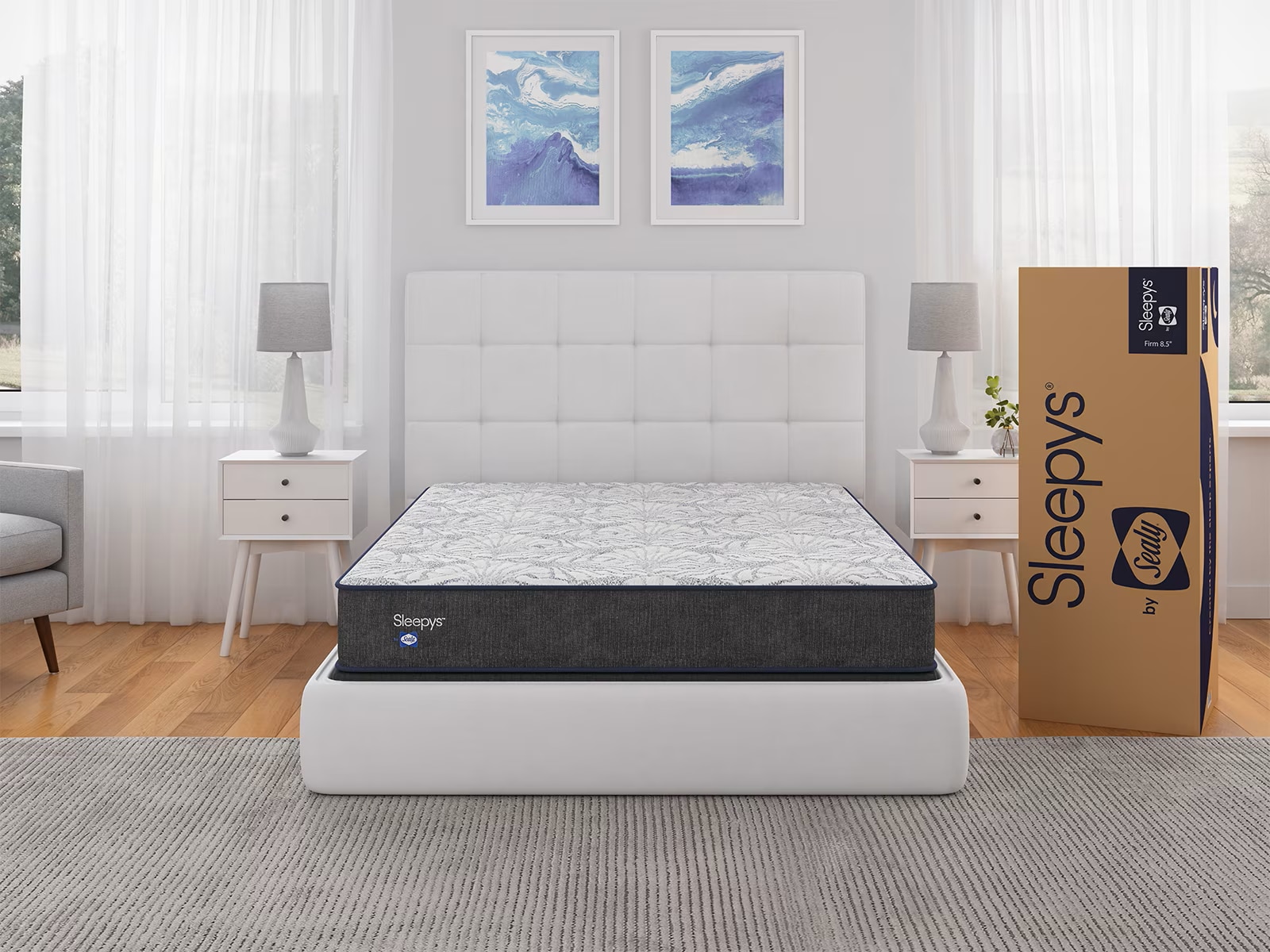
Exact coil counts can differ by mattress size and construction, so the specifications remain the best source for confirming a mattress’s coil count. In a pocketed system, individual springs sit inside fabric sleeves, allowing them to respond more independently than springs joined in a traditional connected network. That construction can help the surface adjust beneath the shoulders and hips while limiting some of the movement that travels across the bed when a partner changes position. The coils provide the underlying support, but they do not determine comfort on their own. Foam, memory foam, fiber padding and the quilted cover all influence how closely the mattress contours, how quickly it responds and how much cushioning separates the sleeper from the springs. A tightly quilted surface may feel relatively even and gently cushioned, while a more generously padded top can create a deeper, softer first impression. Neither appearance establishes the firmness of the entire mattress. A plush-looking top can still sit above a substantial support core, and a flatter surface can include pressure-relieving foam beneath the cover. For shoppers who appreciate the responsive feel of springs but want cushioning around the body, this combination offers a useful middle ground between a traditional innerspring feel and the slower response associated with some all-foam designs. The most meaningful comparison considers the complete construction: the comfort layers, the support system and how those components work together under the sleeper’s weight. A coil count is one detail in that picture, not a stand-alone measure of comfort, durability or suitability for every body.
Choosing among 900 series coil mattresses comes down to the way the bed accommodates a person’s usual sleeping position, body shape and preferred degree of cushioning. A side sleeper may notice pressure first at the shoulder or hip, particularly when the upper layers feel too thin or too firm to allow comfortable settling. A back sleeper may prefer a more balanced sensation, with enough contouring beneath the lower back and enough resistance to keep the pelvis from sinking excessively. Someone who sleeps on their stomach often benefits from a surface that keeps the midsection supported without an overly deep cradle. These are starting points rather than fixed rules; the same mattress can feel softer to a heavier sleeper and firmer to a lighter sleeper. For someone who changes positions throughout the night, ease of movement matters alongside initial softness. Responsive springs can help make turning feel less effortful, though thick comfort layers may change that sensation. Couples also have practical considerations beyond firmness. Individually wrapped coils can reduce some motion transfer, but the comfort layers, foundation and overall design still influence how noticeable a partner’s movement feels. Edge construction deserves attention when two people use the full width of the mattress or when someone regularly sits at the side to put on socks. Reinforcement varies, and a supportive edge should not be assumed from the series name alone. Size also affects everyday comfort: a queen may suit a shared bedroom with limited floor space, while a king provides more room for separate sleeping positions when the room can accommodate it. In a guest room, a broadly comfortable feel and an appropriate bed height may be more useful than an unusually deep, enveloping surface. Comparing this category with
Precisionfit Coil Mattresses can help put differences in support construction and cushioning into context, with the full mattress specifications providing a clearer comparison than either collection name alone.
Long-term comfort depends partly on how a 900 series coil mattress fits into the rest of the bed and how it is cared for. The foundation needs to support the mattress evenly, whether that means a compatible foundation, a platform or a slatted frame that meets the manufacturer’s spacing requirements. A frame with insufficient center support or widely spaced slats can allow uneven settling and affect the way the mattress performs. Compatibility with an adjustable base should be confirmed rather than inferred from the presence of pocketed coils; the complete construction must be designed to flex appropriately. Mattress height also changes the finished setup. A thick mattress on a tall foundation can make getting into bed awkward, while a lower combination may be uncomfortable for someone who prefers to sit with both feet resting naturally on the floor. Measuring the full height and checking fitted-sheet pocket depth can prevent everyday frustrations. A properly fitted protector helps shield the surface from spills and perspiration, while routine laundering of sheets and other removable bedding keeps the sleep surface fresh. Cleaning methods should follow the care label, since saturating upholstery or foam can leave moisture inside the mattress. Rotation may help distribute wear when the manufacturer recommends it, but flipping is appropriate only for a mattress specifically designed for use on both sides. Over time, upholstery can soften and settle where the body rests most often. That change is different from assuming every visible impression signals a failed spring system; the manufacturer’s care and warranty terms explain how impressions are evaluated. Coil count alone cannot predict lifespan, because steel characteristics, cushioning quality, sleeper use and foundation support all contribute to durability. For a primary bedroom, a first apartment or a regularly used guest space, the strongest fit is a mattress whose cushioning, support and dimensions suit the people sleeping on it, backed by a bed setup that allows its construction to work as intended.