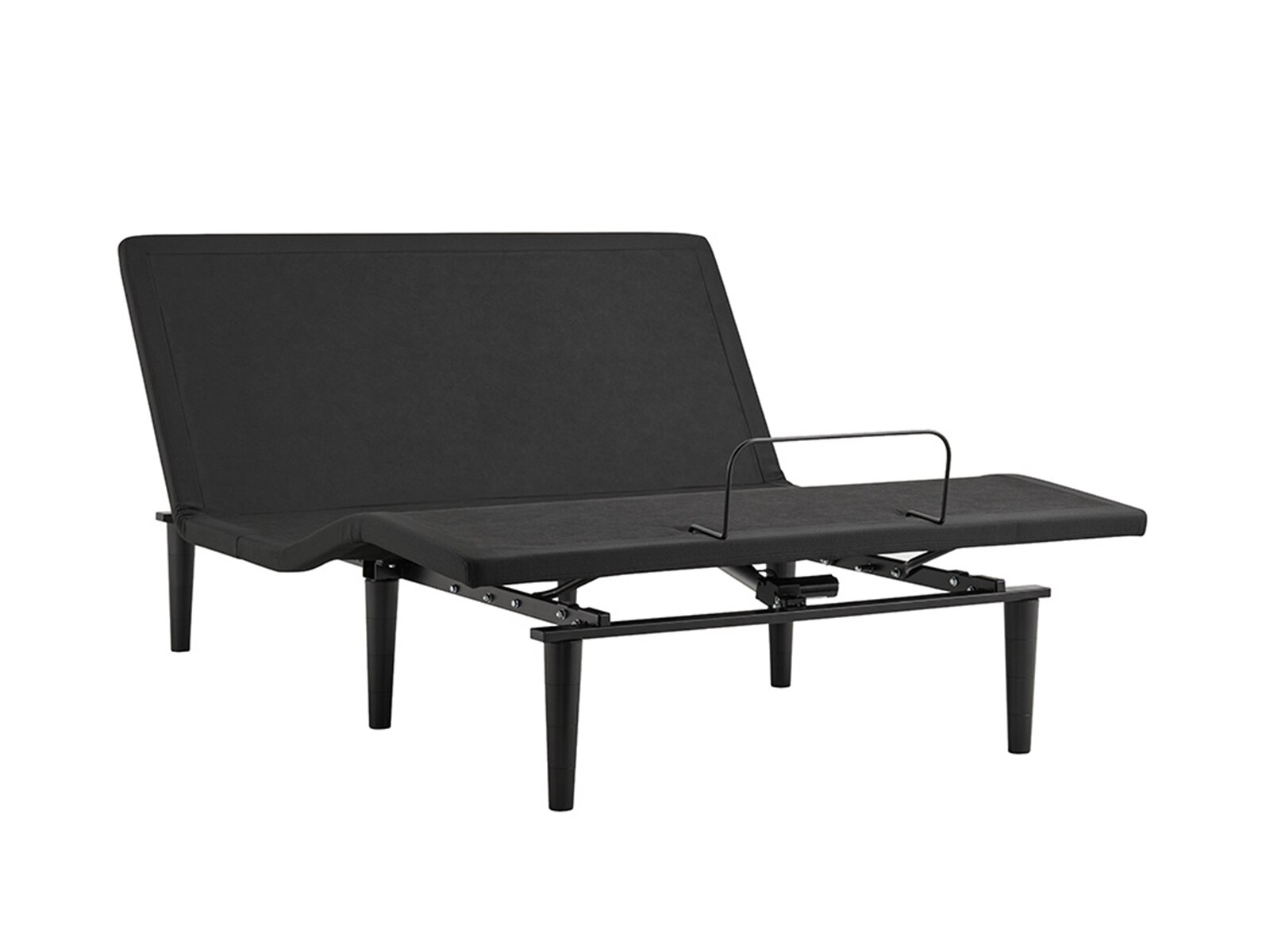
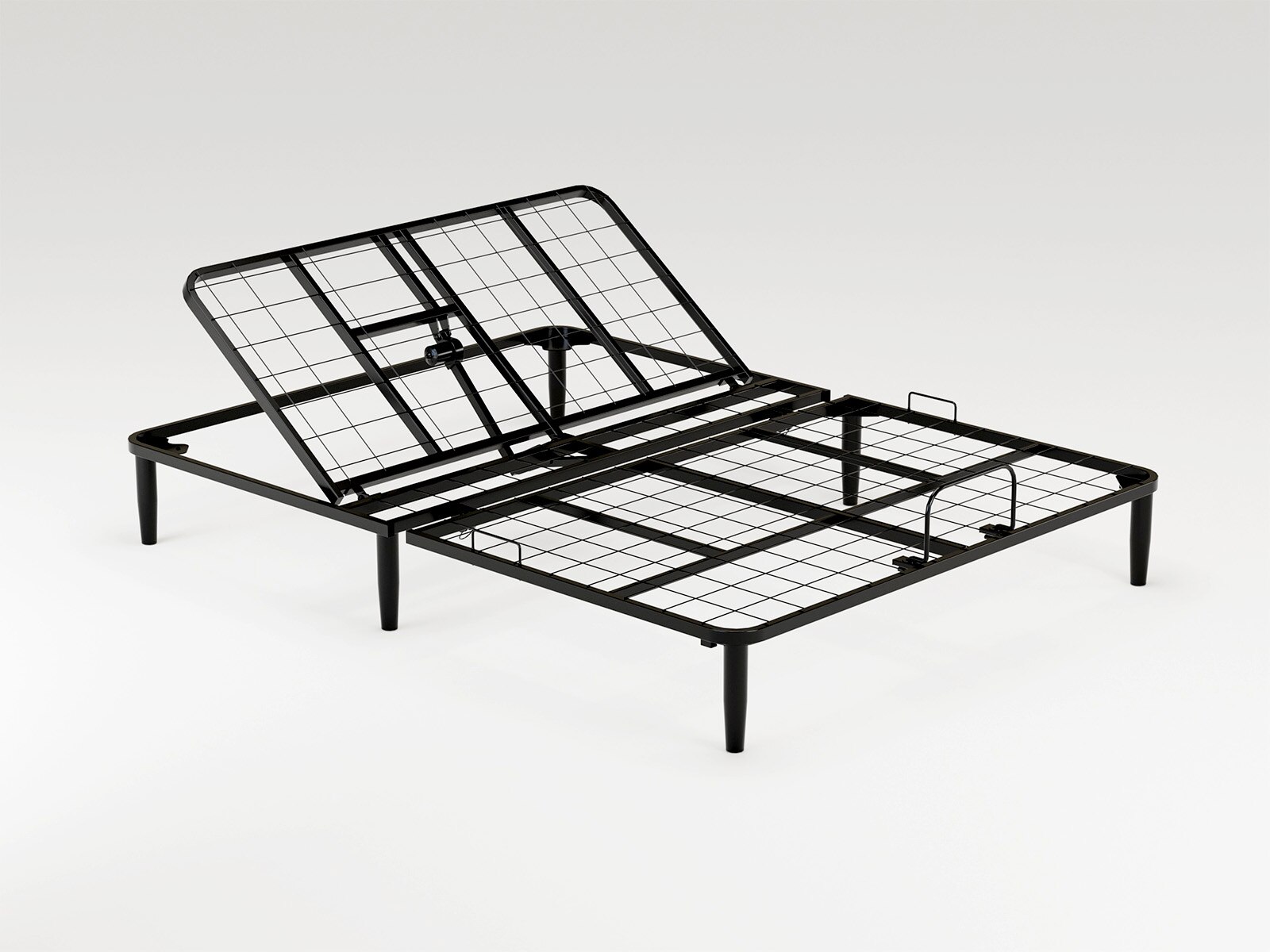
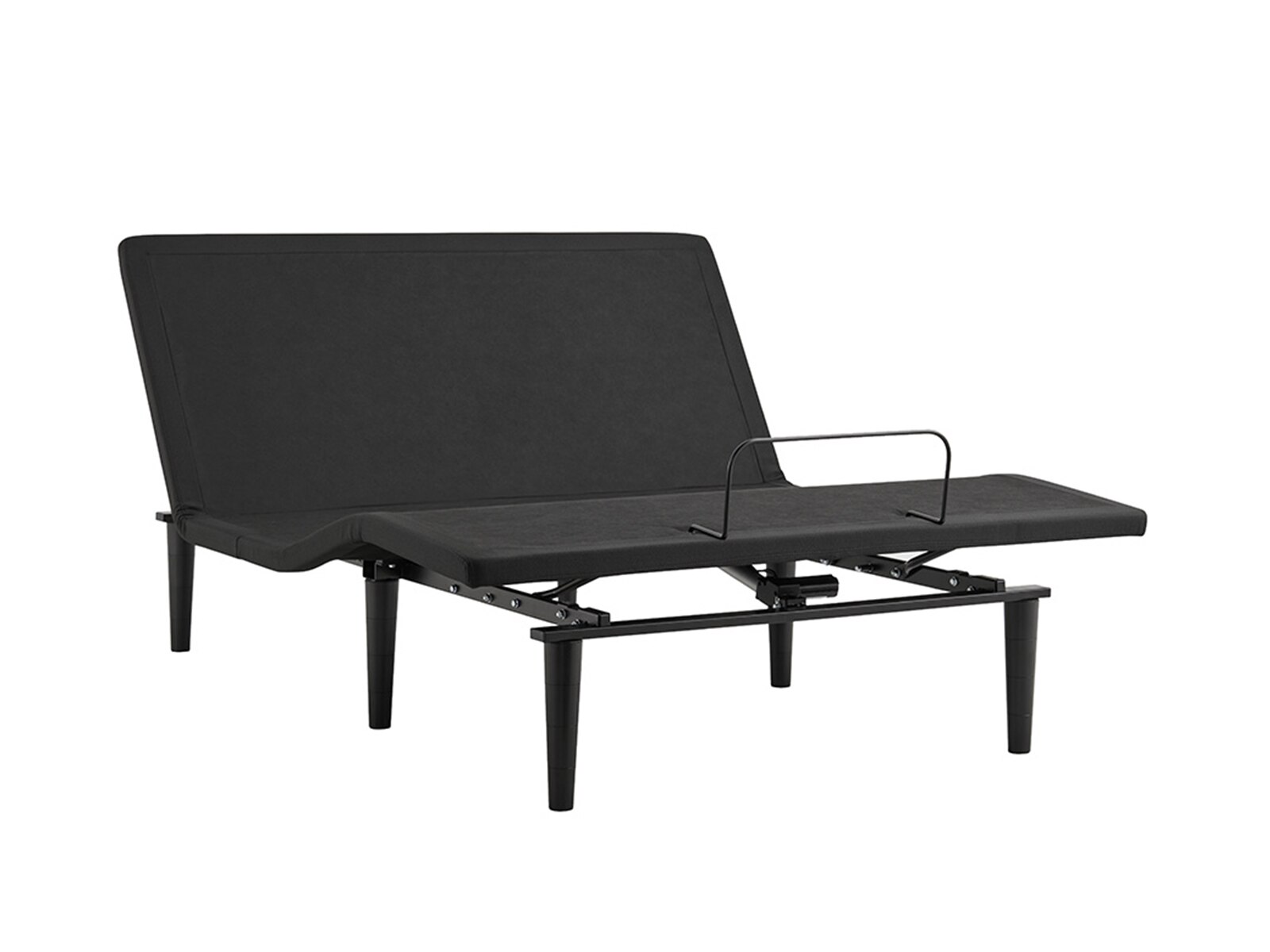
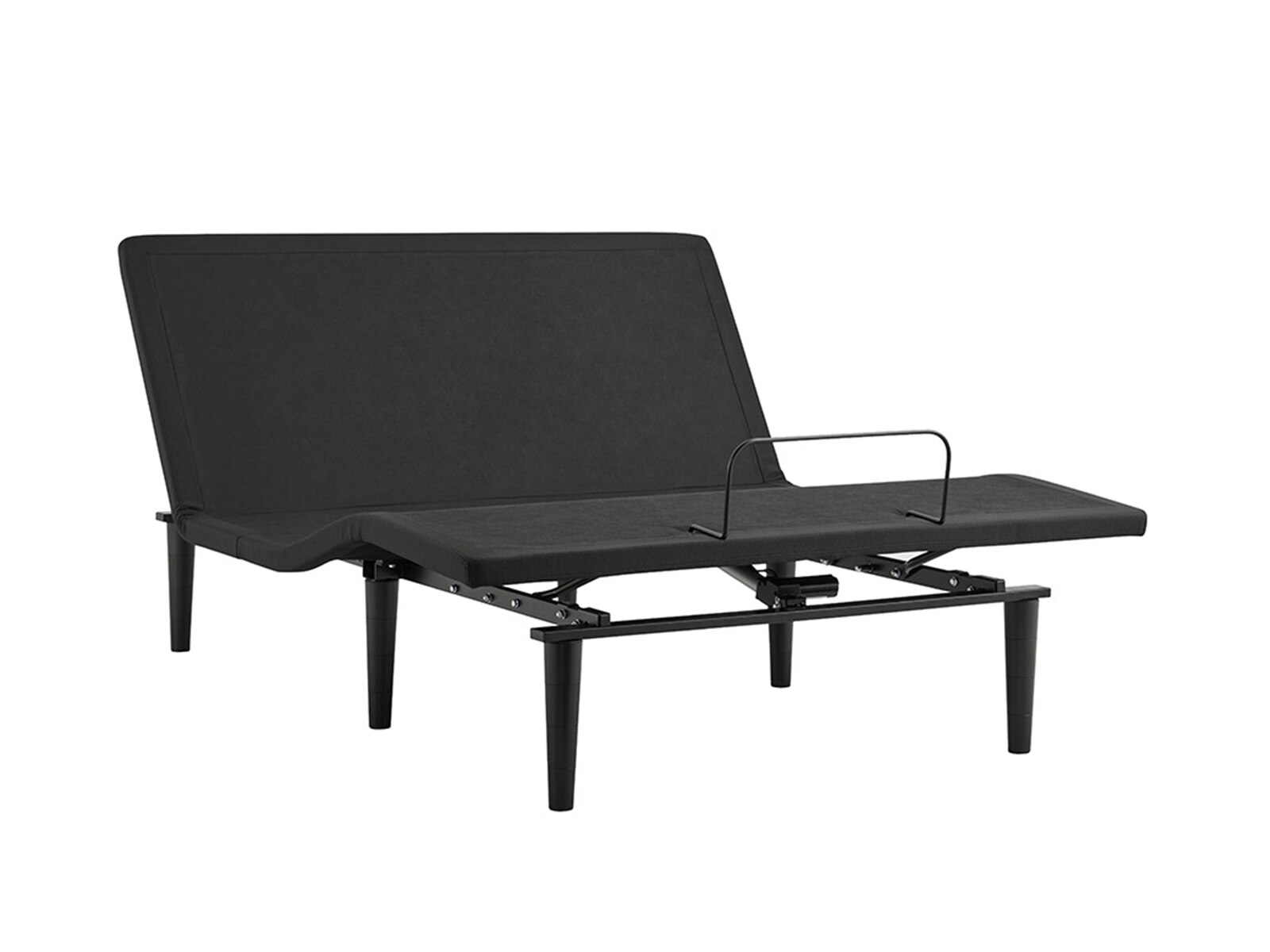
Adjustable bed frames for tech lovers bring adjustable positioning and connected convenience to a familiar part of the bedroom. Also called adjustable bases, these motorized foundations raise and lower the head, foot or both sections of a compatible mattress, making it easier to settle into different positions for sleeping, reading or relaxing. Technology features vary by design, but options can include smartphone app controls, Bluetooth connectivity, compatible voice commands, wireless remotes and saved position presets. A dedicated remote can be useful when a phone is charging across the room, while an app may offer another way to fine-tune a position without reaching for the nightstand. Memory settings add everyday convenience: a favorite reading angle can be saved rather than recreated through several adjustments each evening. Some bases also offer pillow tilt or adjustable lumbar support, which provide more targeted positioning than head and foot elevation alone. A zero-gravity preset typically elevates both the upper body and legs into a supported, reclined position; the exact angle and feel depend on the base, mattress and sleeper. Optional vibration massage may offer separate head and foot zones, adjustable intensity or a timer for a wind-down routine. It is a comfort feature rather than a substitute for therapeutic treatment. Built-in USB-A or USB-C ports can keep a phone or other compatible device within reach, although charging speed and supported devices depend on the port specifications. Soft under-bed lighting can illuminate the floor when someone gets up without requiring the overhead light. Picture an evening spent finishing a chapter with the head section raised, a charging cable tucked safely beside the nightstand and a saved flat position ready when it is time to sleep. These features are most useful when they support an actual routine, not simply when they add another screen or control. For someone who enjoys connected home technology, the appeal is a bed that responds predictably and makes familiar adjustments feel effortless.
The physical fit matters just as much as the electronics. An adjustable base needs a mattress designed to bend with its moving sections, and compatibility should be confirmed with the mattress manufacturer rather than assumed from its material alone. Many foam, latex and hybrid mattresses can work with adjustable foundations, but construction, thickness and flexibility affect how smoothly a mattress follows the base. A very thick or stiff mattress may not contour as closely through a raised position. Dimensions also deserve attention, especially when an adjustable foundation will sit inside an existing decorative bed frame. Side rails, support slats, a footboard and the placement of the headboard can affect installation or movement. Designs described as zero-clearance may be suitable for certain platform beds, but that capability is specific to the base and requires an appropriate supporting surface. Adjustable leg heights can help establish a comfortable bed height, while the space underneath determines whether storage containers or a cleaning tool can pass below. For couples with different preferences, a split king arrangement generally uses two Twin XL mattresses and separate adjustable sections, allowing one person to sit up while the other remains flat. Independent movement also changes bedding needs: separate fitted sheets accommodate each mattress, and shared top bedding needs enough room to move with both sides. Steel components commonly provide structural support, while upholstered surfaces can soften the appearance and help the base blend with the room. Stable legs, secure connections and a mattress-retention system suited to the design contribute to dependable daily use. The stated weight capacity should be checked for what it includes, since limits may account for the mattress and sleepers together. Motor sound, adjustment speed and the location of controls can also matter in a shared bedroom. A base used every evening benefits from smooth movement and controls that remain easy to understand when the room is dim and someone is ready to rest.
Connected features deserve the same attention as mechanical construction because their usefulness depends on compatibility and continued support. Smartphone controls may require a particular operating system version, an account or a wireless connection, while voice operation may depend on a compatible home assistant. A physical remote offers a practical alternative when a phone is unavailable, and clearly labeled buttons can make frequently used functions easier to find. Anyone interested in more responsive technology can explore
Adjustable Bed Bases With AI Technology, with attention to the capabilities described for each design. The distinction between a stored preset, an app-controlled adjustment and a feature that responds to sensor information is worth understanding; they are not interchangeable. If connected functions collect sleep or usage information, privacy settings, account access and data-sharing options become part of the bedroom setup. Long-term comfort also depends on straightforward care. Upholstered areas generally benefit from gentle vacuuming and cleaning according to the manufacturer's directions, while electrical components should stay dry. Cords need enough slack for the base to move without becoming stretched, caught or pinched, and the area around moving parts should remain clear of bedding, stored objects, children and pets. Loose bedding can interfere with mechanisms, so fitted sheets that accommodate mattress movement can be helpful. Following the specified maintenance instructions, replacing remote batteries when needed and reviewing warranty coverage for motors, electronics and structural parts support reliable use over time. Intended use matters, too: these bases are designed for supported rest and adjustable comfort, not as exercise equipment or a replacement for medical advice. They can suit a reader who spends time in bed before sleep, a couple who prefers different lounging positions or a technology enthusiast who appreciates accessible controls. As a gift, an adjustable foundation requires more planning than a small bedside accessory because mattress compatibility, room dimensions and the recipient's preferences all affect the experience. The most satisfying technology is the kind that fits naturally into those everyday needs.