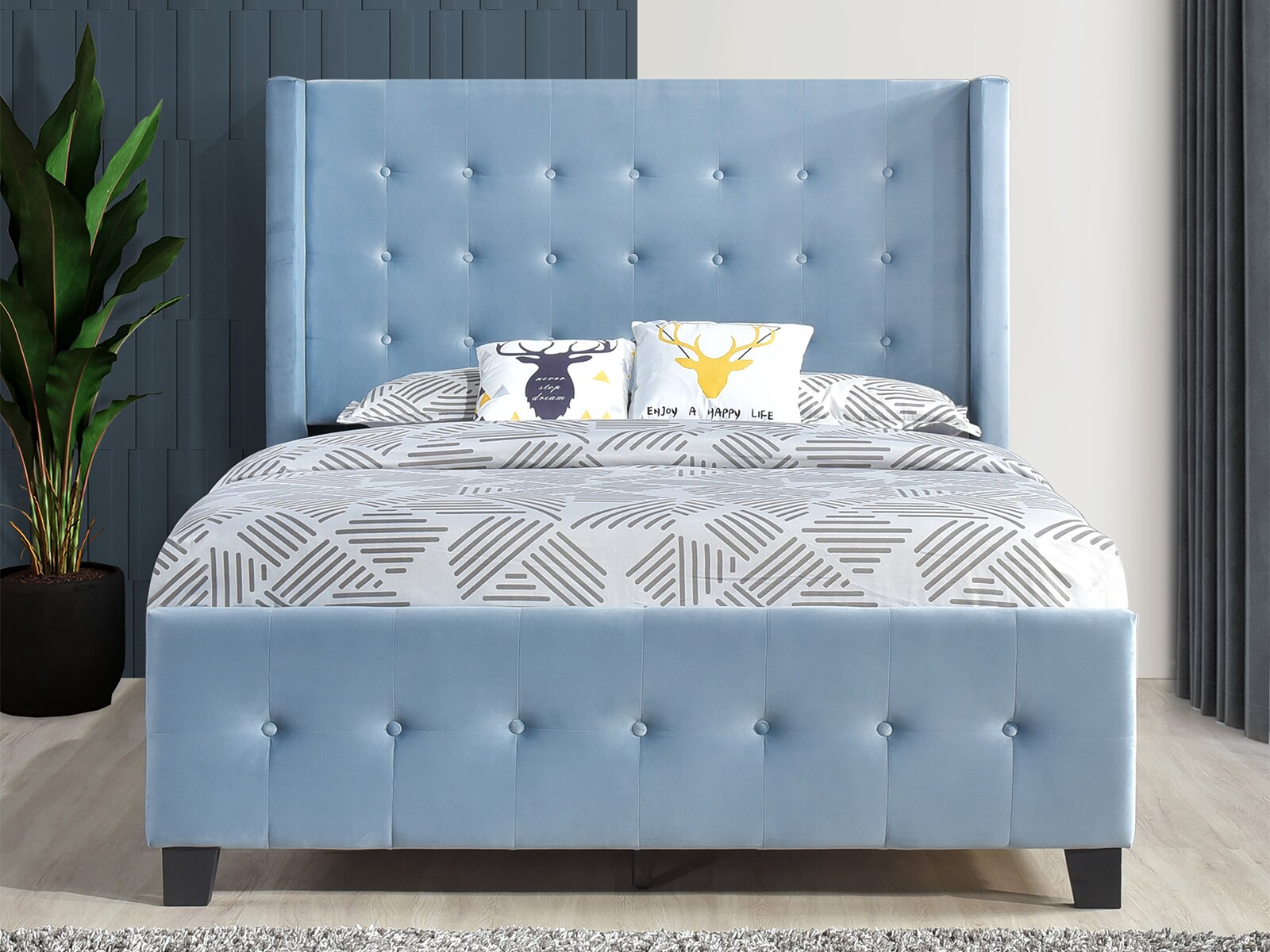
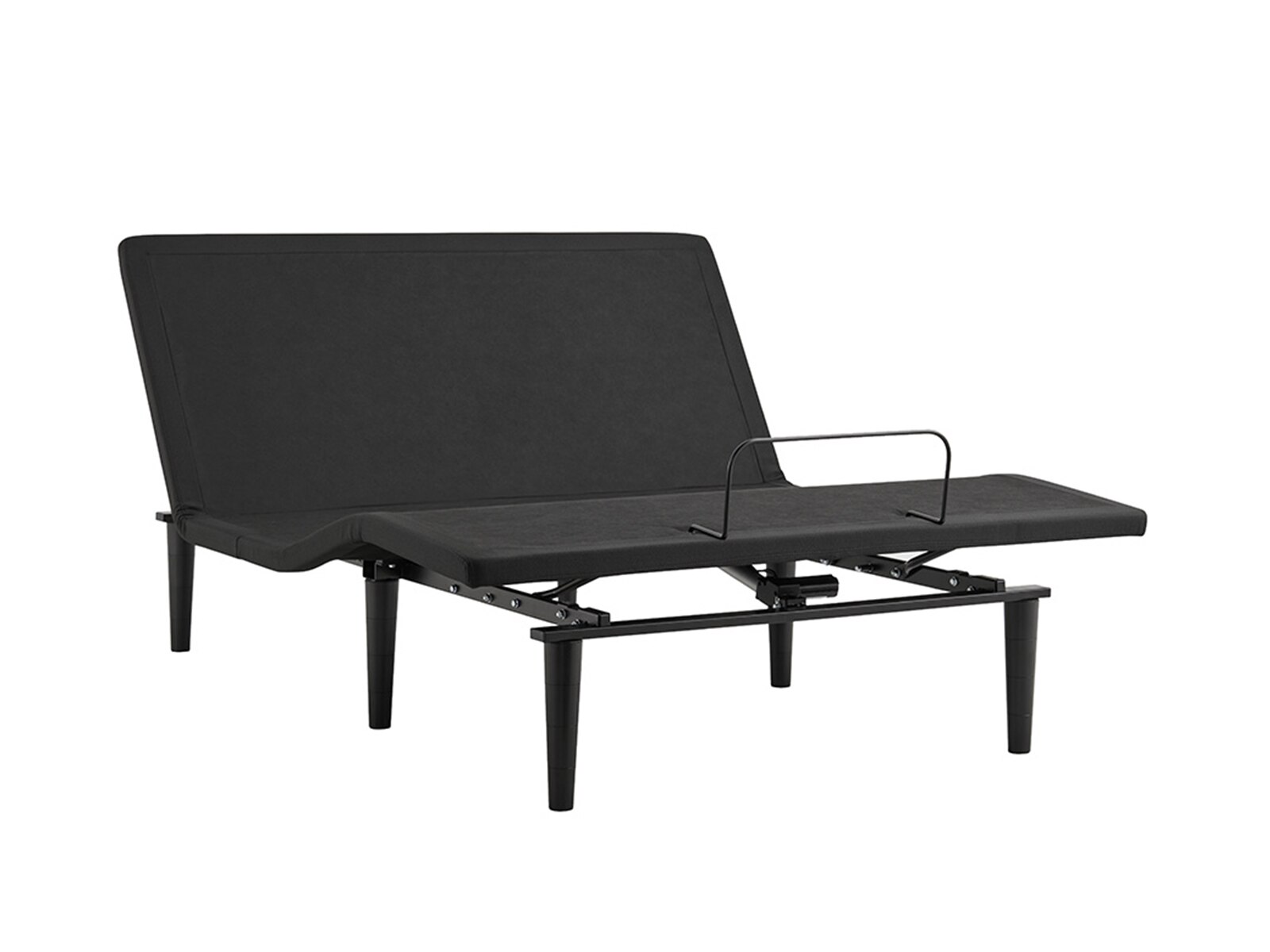
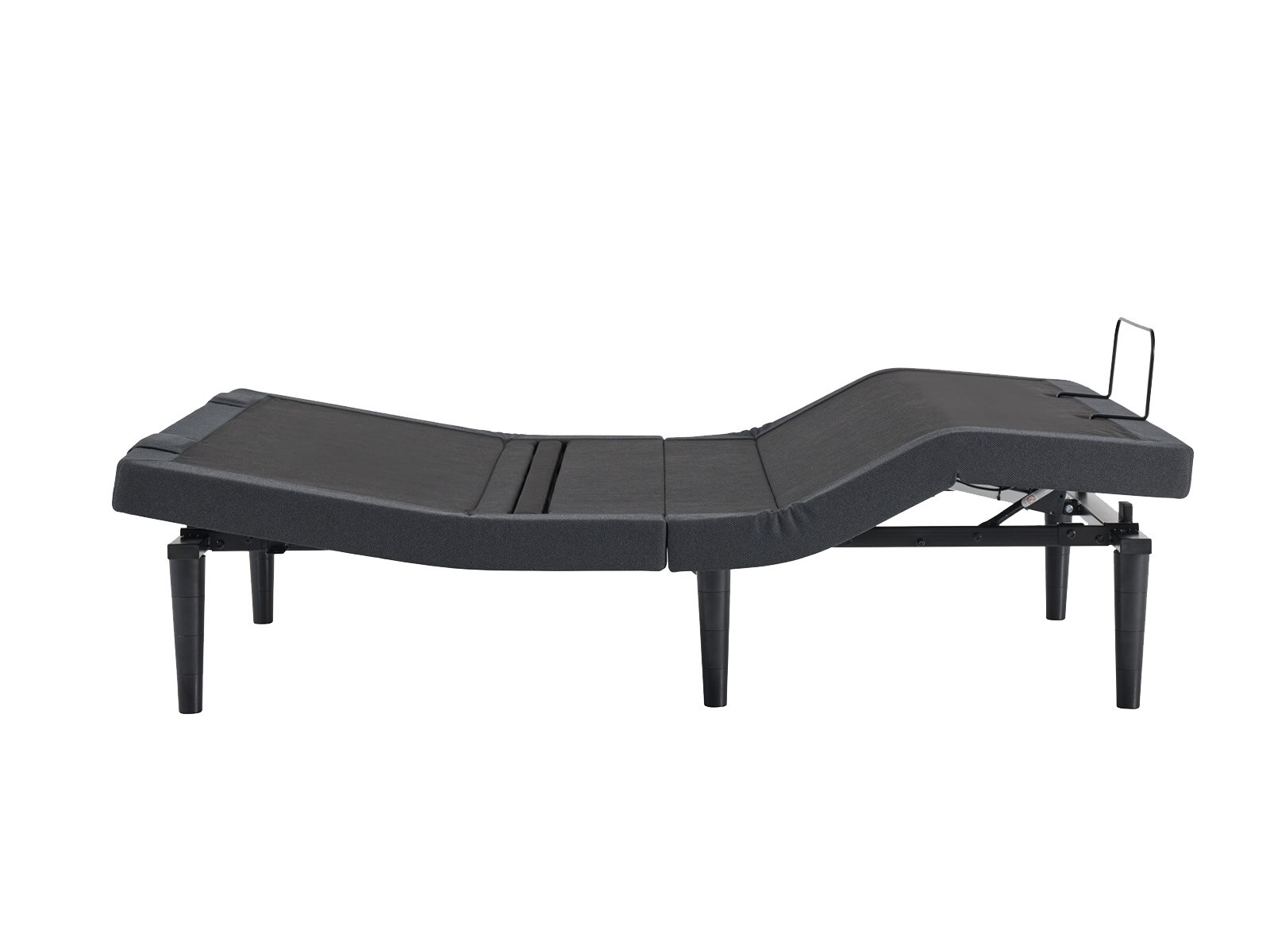
Bedroom tech beds bring adjustable support, convenient controls and selected connected features into the place where the day begins and ends. Depending on the design, technology may be built into an adjustable base, a bed frame, a headboard or the mattress itself. Motorized head and foot adjustment, programmable positions, integrated lighting and device charging are examples of features that can make a bed more adaptable to everyday routines. Some designs also include massage functions, built-in speakers or connections to a compatible app. These features serve different purposes: an adjustable base changes the resting position, while connected technology adds digital controls or access to information. A bed can offer either type of technology without including the other. For someone who reads before turning out the light, a raised head section can create a more comfortable resting position than a stack of pillows that needs constant rearranging. Someone who enjoys listening to an audiobook may appreciate accessible controls that do not require reaching behind a nightstand. Underbed lighting can provide a low-level glow near the floor, while a charging connection can keep a compatible phone within reach without a separate extension cord crossing the room. The most useful features are usually the ones that fit habits already in place rather than adding another screen or complicated routine. Physical remotes, clearly marked buttons and saved positions can make everyday adjustments straightforward, especially when several settings are used regularly. In a shared bedroom, independently adjustable sides can let one person sit up while the other remains flat, provided the base and mattress configuration support separate movement. Technology does not replace the importance of mattress comfort, however. Cushioning, support and a comfortable sleep surface remain central to the experience, whether the bed has a simple handheld remote or a wider range of connected functions. Bedroom tech beds are best understood as a way to adapt that foundation to the people using it.
Materials and construction influence how a technology-equipped bed looks, feels and holds up to repeated use. A motorized base typically relies on a sturdy supporting structure, moving joints and a platform designed to carry the mattress through its permitted range of motion. Depending on the frame, visible surfaces may include metal, wood, upholstery or a combination of materials. Upholstered edges can soften the appearance of mechanical components, while exposed wood or metal can coordinate with other bedroom furniture. Fabric texture matters in daily life: a tightly woven surface has a different feel and cleaning routine from a textured cover that collects lint or pet hair more readily. Beneath those finishes, secure connections and properly supported moving sections matter more than decorative details alone. Mattress compatibility is equally important. Many foam, latex and hybrid mattresses can work with an adjustable base, but construction and manufacturer approval determine whether a particular mattress is suitable. A mattress that is too rigid to bend as intended can limit movement or experience unnecessary strain. Bed size alone does not establish compatibility, either; mattress dimensions, base dimensions, retainer requirements and headboard attachments all affect the finished setup. In a split configuration, each mattress needs to fit its own moving section so one side can adjust without pulling against the other. Room layout also shapes the experience. A bed needs enough clearance for its full motion, with nearby furniture, wall art and bedside lamps positioned outside that path. Some bases are designed for use within a compatible frame, while others have specific requirements for platforms or supporting surfaces. A low-profile appearance does not necessarily mean a base can sit directly on any existing foundation. Weight limits and support requirements should account for the load described in the manufacturer’s documentation, not just the mattress. For a guest room, intuitive controls may matter most; for a primary bedroom used for reading, relaxing and sleeping, independently controlled positions and convenient access to bedside essentials may have a greater role.
Living with a tech bed also means considering power, upkeep and the long-term usefulness of its features. A nearby outlet helps keep power cords away from walkways and moving parts, and the manufacturer’s instructions determine appropriate electrical connections. USB ports and wireless charging surfaces differ in compatibility and output, so a built-in connection may not support every device or charging speed. A handheld remote can be a useful alternative to app controls, particularly when a phone is charging elsewhere or a wireless connection is interrupted. For connected features, device compatibility, account requirements and software support are worth understanding before they become part of a nightly routine. Sleep tracking, when included, can show estimated patterns or trends, but consumer tracking information is not a medical diagnosis or a substitute for professional evaluation of persistent sleep concerns. Clear privacy settings and control over notifications can help keep connected functions from becoming another source of nighttime distraction. Routine care is usually less about complicated maintenance and more about protecting the materials and mechanisms. Upholstery benefits from cleaning methods suited to its care label, while remotes and accessible hard surfaces should be cleaned as directed without allowing moisture into electrical components. Cords need room to move without being pinched, and the space around lifting mechanisms should stay clear of stored belongings, children and pets during operation. Moving the bed to another room may require disconnecting components and handling the base separately rather than lifting the entire setup by its upholstered edges. Warranty terms, access to replacement controls and service information can also influence how practical a bed remains over time. For complementary technology beyond the bed itself,
Bedroom Tech Products provides a related place to explore bedroom-focused features. The strongest setup is not necessarily the one with the longest feature list. It is the one that supports familiar routines with comfortable positioning, dependable construction and controls that feel easy to use at the end of a long day.