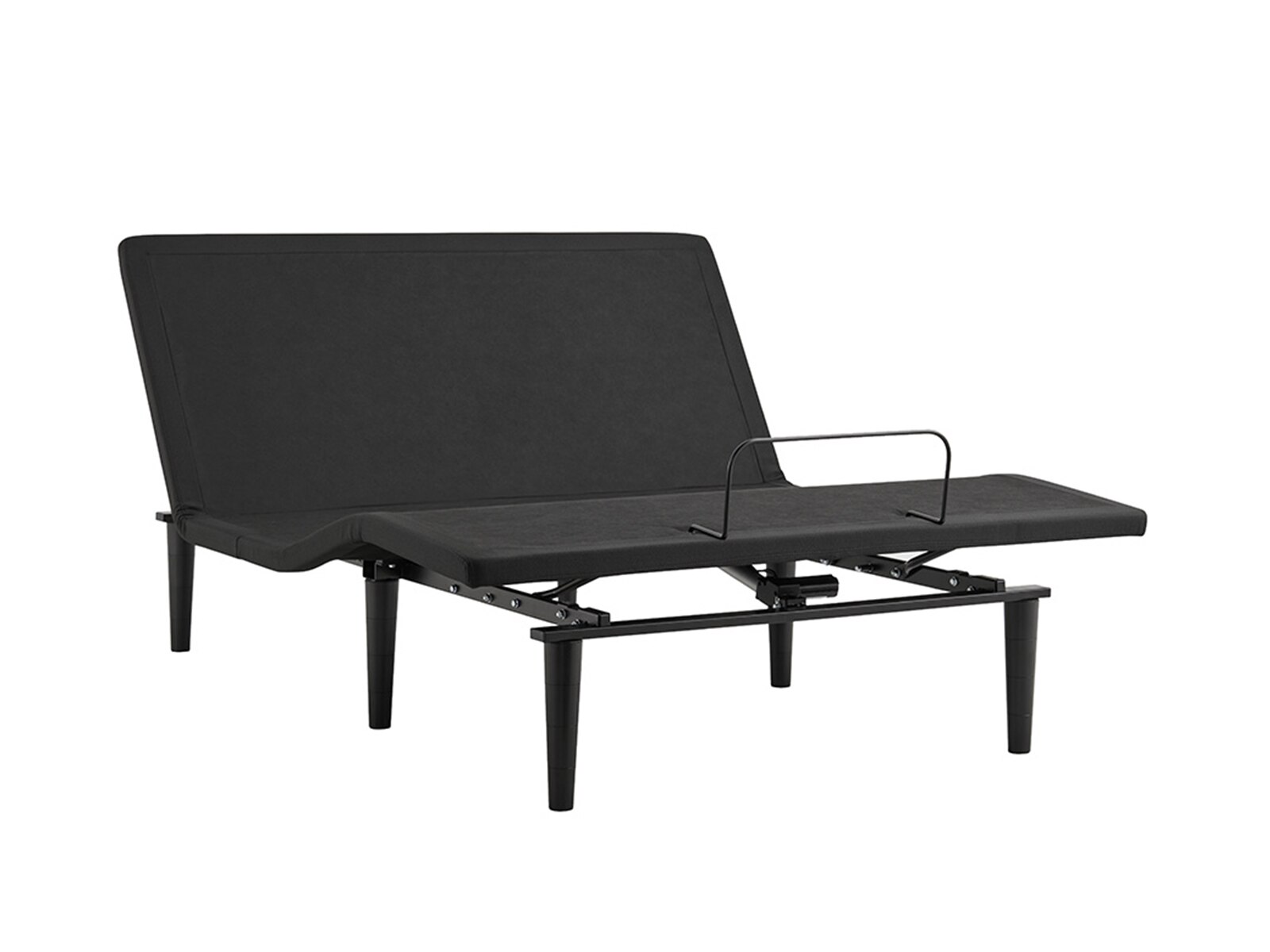
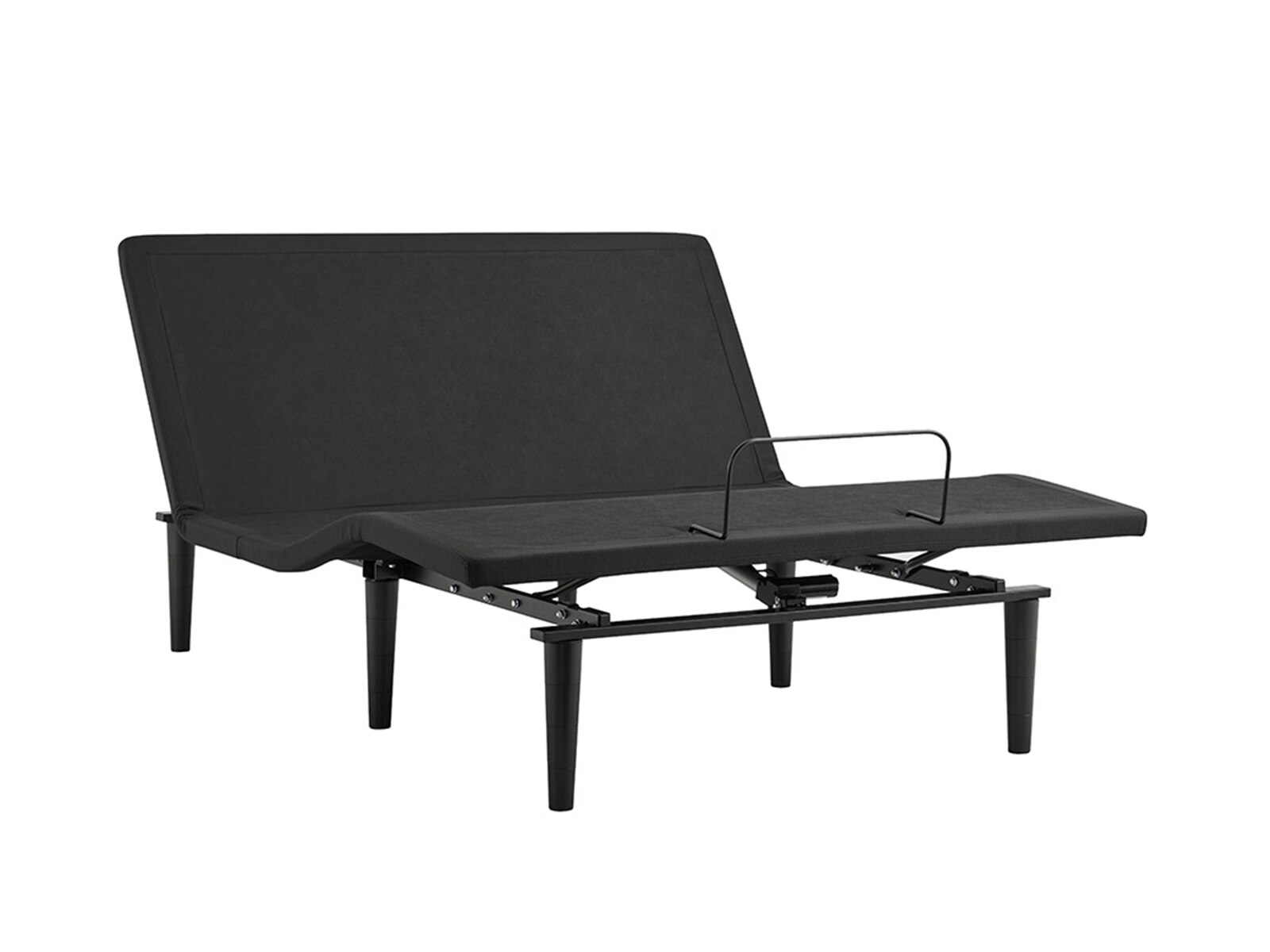
Adjustable bed head tilts add a more targeted adjustment to the upper end of an adjustable base, helping you fine-tune the position of your head while reclining. Head elevation and head tilt are related, but they are not always the same feature. Standard head elevation raises the larger backrest section to support the upper body. A separate head-tilt or pillow-tilt section adjusts a smaller area near the top of the mattress, allowing a change in head position without necessarily raising the entire backrest farther. Feature names vary, so the movement described in the base specifications matters more than the name alone. For someone reading a paperback, watching a television across the room or catching up on a tablet, that smaller adjustment can help bring the activity into a comfortable line of sight. Instead of building a steep stack of pillows that shifts whenever you move, the base provides an adjustable foundation beneath the mattress. A pillow still has a role in supporting the neck, and its height and firmness influence how the finished position feels. Too much pillow height combined with a steep tilt may push the chin toward the chest; a gentler setting may feel more natural. Comfort depends on body proportions, mattress response and whether the position is intended for a brief pause or an extended stretch of reading. Head tilt is especially relevant for people who regularly spend part of their evening reclining in bed and want a finer adjustment than a single raised-back position provides. Some bases pair this movement with separate foot elevation, letting the upper and lower sections move into a combination that feels comfortable. Others provide fewer adjustment points. A dedicated pillow-tilt function should not be assumed simply because a base raises at the head, and the most upright setting is not necessarily the most comfortable one for every activity.
Mattress compatibility matters just as much for bases with pillow tilt as it does for other
head adjustable beds. The mattress needs to flex with the platform while maintaining the support intended by its construction. Many foam, latex and hybrid mattresses are designed for adjustable foundations, but compatibility depends on the individual mattress rather than its material category alone. Some traditional innerspring constructions do not bend as readily, and a mattress that resists the base can limit how closely the upper surface follows a small head-tilt adjustment. Thickness, firmness and internal construction all affect that response. A thick mattress may soften the sensation of a localized tilt, while a more flexible mattress may follow the articulated section more closely. Manufacturer guidance is the best reference for both the mattress and the base, including any foundation requirements that affect warranty coverage. Size labels also need a closer look when fitting an adjustable foundation into an existing bed. The base dimensions, frame opening, headboard connections and space around moving sections all matter. A platform bed with drawers or a low upholstered surround may require a base specifically designed to sit within that structure, and not every adjustable base supports that installation. Leg height influences the finished sleeping height and the clearance beneath the bed. For couples, a separate head-tilt mechanism is different from independent adjustment on each side. Two compatible Twin XL mattresses and bases can form a split king arrangement, allowing each sleeper to adjust their side, while a shared mattress typically moves with the platform beneath it. The exact setup determines that flexibility. Weight capacity deserves the same attention as dimensions: the stated limit may include sleepers, the mattress and bedding, as defined by the manufacturer. Steel frames, upholstered platform sections, hinges and motors each contribute to how the base supports repeated movement, but material names alone do not establish durability. Construction details, operating limits and warranty terms provide a fuller picture.
Everyday usability often comes down to small details: a remote that is easy to read from a reclined position, buttons that distinguish head tilt from backrest elevation and a dependable place to keep the control beside the bed. Where a base includes position memory, a preferred reading angle can be easier to revisit without adjusting each section again. Massage, charging connections or under-bed lighting are separate conveniences rather than defining parts of a head-tilt system, and none replaces the importance of comfortable movement and a suitable mattress. Bedroom layout also affects the experience. Raising the backrest can change the distance between the sleeper and the nightstand, while certain base designs are intended to limit that movement. Clearance behind and around the bed should accommodate the full range of motion without pressing against a headboard, trapping bedding or pulling on a power cord. Sheets need enough flexibility and pocket depth to stay secure as the mattress bends; tightly tucked bedding can interfere with movement or come loose during adjustment. Routine care is generally straightforward when it follows the manufacturer's directions. Upholstered surfaces may need gentle vacuuming or an approved spot-cleaning method, while motors, electrical connections and moving joints should be kept free of spills and obstructions. Disconnecting power before cleaning or inspecting the mechanism helps reduce risk, and hands, children and pets should stay clear of moving sections. Persistent grinding, uneven movement or a change in operation calls for support rather than repeated attempts to force the base into position. Head tilt is a comfort feature, not a treatment for neck pain, breathing problems or other medical concerns; positioning for an ongoing condition is best discussed with a qualified healthcare professional. For daily lounging and bedtime routines, the strongest fit is a setup whose mattress, dimensions, controls and range of movement work together, making small adjustments feel useful rather than complicated.