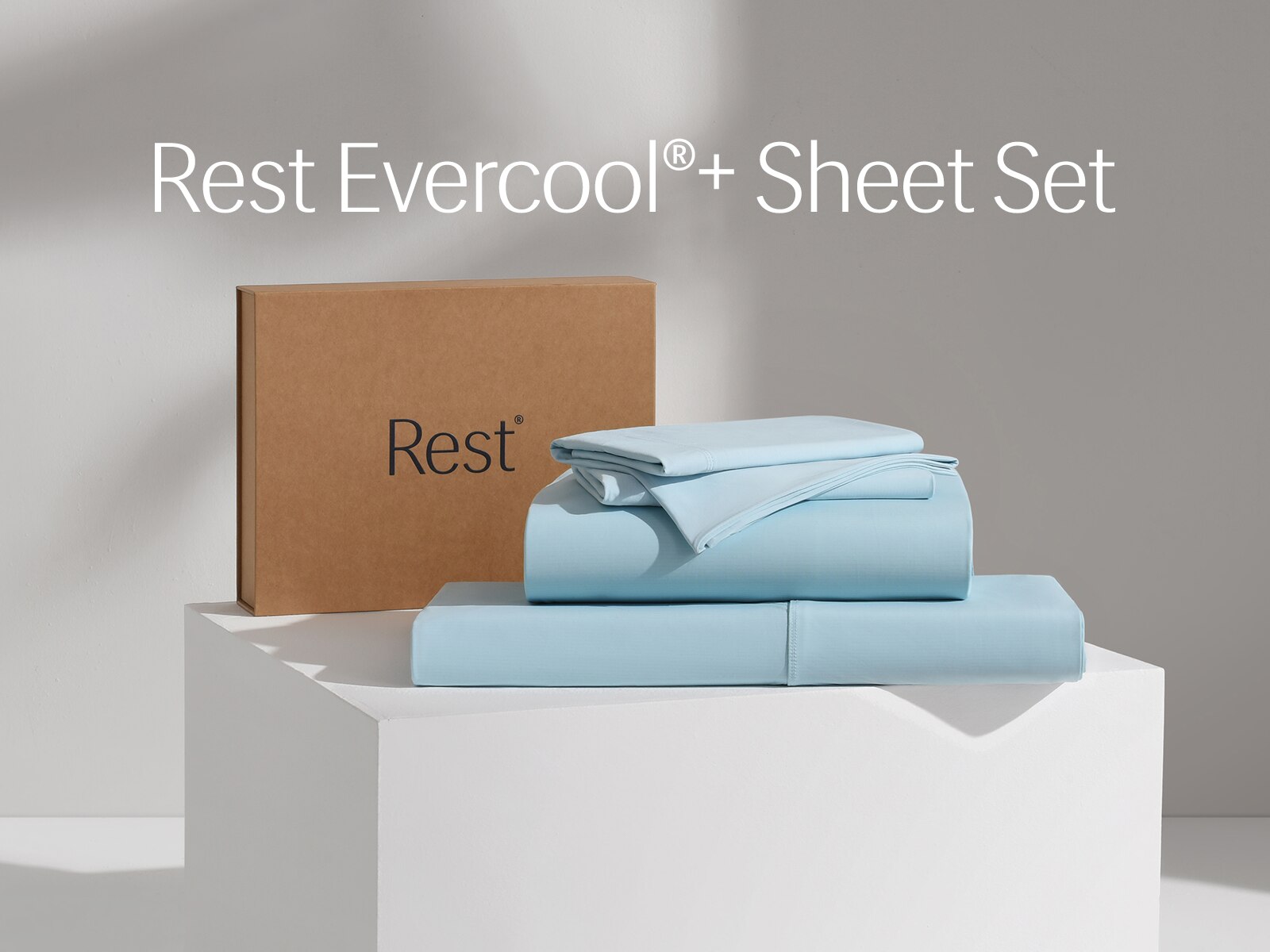
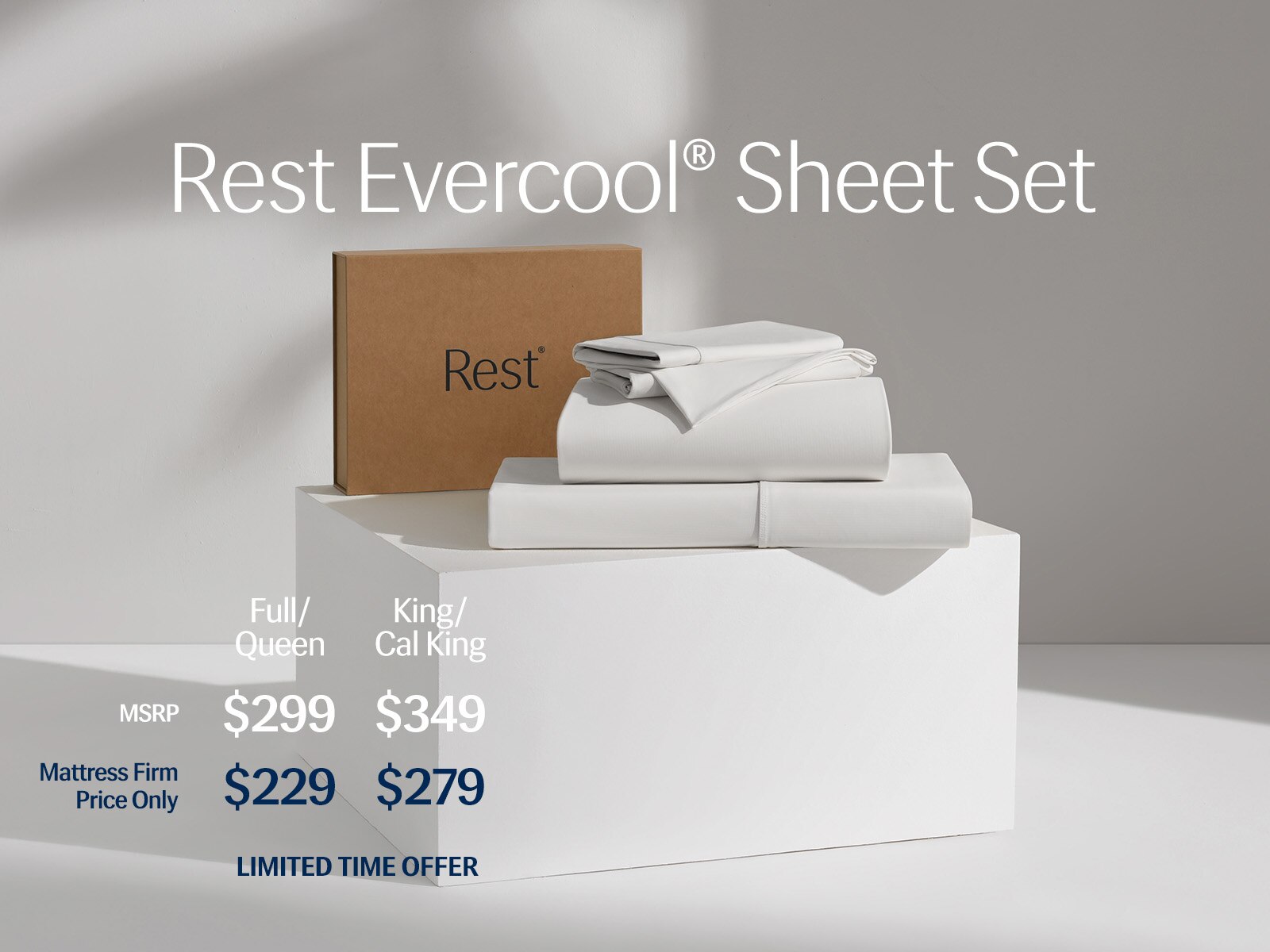
Advanced cooling fiber sheet sets are designed to help manage heat and moisture at the sleep surface, creating a bed that feels less stuffy against the skin. Their performance can come from the fibers themselves, the way yarns are woven or knitted together, a specialized finish or a combination of these features. Some use performance polyester or nylon engineered to move perspiration across the fabric so it can evaporate more readily. Others incorporate cellulosic fibers such as lyocell, modal or viscose, which absorb moisture and can contribute to a smooth, fluid feel. Blends bring different qualities together, balancing softness with stretch, strength or drying speed. Bamboo-derived viscose is a processed cellulosic fiber, so the source plant alone does not explain how the finished sheet will feel or perform. Fabric construction and finishing still matter. A cool-to-the-touch surface is also different from sustained moisture management: the refreshing sensation felt when first slipping into bed does not necessarily describe how the fabric handles a full night of sleep. For someone who wakes with a damp pillowcase or repeatedly shifts to find a fresher patch of sheet, moisture movement and drying performance may be especially relevant. Someone who dislikes fabric clinging around the legs may care just as much about a light drape and smooth surface. Cooling sheets do not actively refrigerate a bed, and no fiber can guarantee an uninterrupted night of sleep. Instead, they can support a more comfortable sleep environment by helping limit the buildup of warmth or moisture beneath the covers. The most useful product descriptions explain what the fabric is made from and how its cooling features work rather than relying on the word “advanced” alone. Clear fiber percentages, construction details and care instructions provide a more practical picture of what to expect against the skin.
The feel of
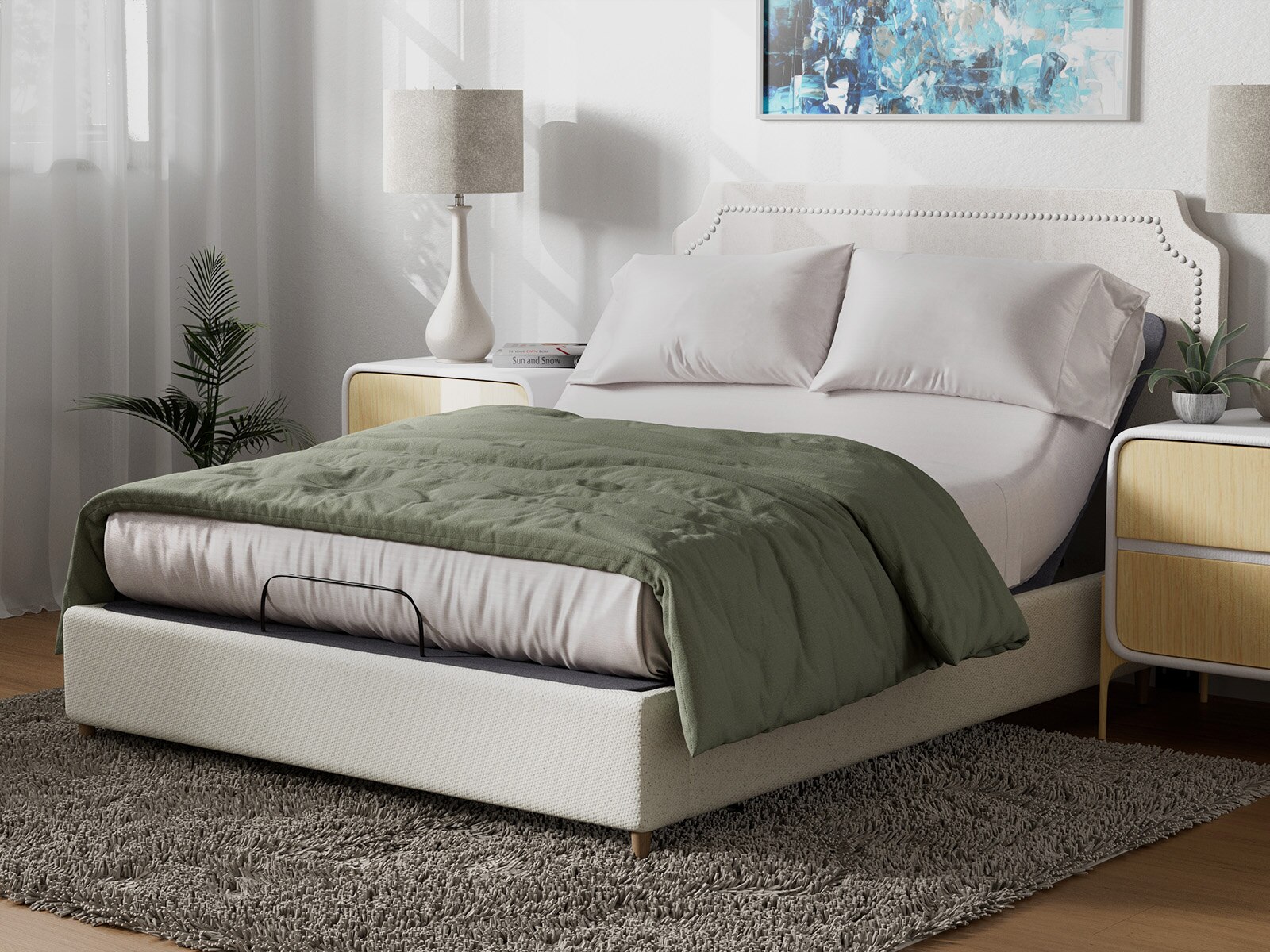
Cooling Bed Sheets depends on more than a fiber label. A crisp woven fabric rests differently on the body than a silky, closely draping weave or a flexible knit. An open construction may encourage airflow, while a denser fabric may feel more substantial; neither thread count nor fabric weight tells the whole story on its own. Thread count is particularly limited as a comparison across different fiber types and constructions, and a higher number does not automatically mean better cooling. The right fit is equally important because a sheet that pulls loose or gathers into folds can interrupt an otherwise comfortable sleep surface. Mattress depth should include any topper that stays on the bed, not just the height listed for the mattress. A fitted sheet needs enough pocket depth to reach around that full profile, with elastic that keeps the corners secure without placing excessive tension on the seams. Matching the mattress size alone may not be enough for a particularly tall or low-profile bed. A sleeper using an adjustable base may also appreciate fabric with some flexibility and a secure fit as the head or foot of the bed moves. Set contents deserve attention, too, since the number of pillowcases and inclusion of a flat sheet can vary. Pillowcase dimensions should match the pillows actually used, particularly when standard and king pillows share the same bed. Beyond fit, the rest of the bedding affects the experience. A breathable sheet beneath several heavy layers may not provide the same relief as it would under a lighter covering. For partners with different comfort preferences, separate top layers can make it easier to share the same smooth sheet surface without sharing the same amount of insulation. These details help distinguish a set that feels appealing at first touch from one that works comfortably through everyday use.
Care and durability matter because cooling bedding needs to hold up to regular washing, not just feel inviting when it is first unfolded. The care label should guide water temperature, detergent choice and drying method, since performance fabrics and finishes do not all tolerate the same treatment. Where the instructions recommend it, lower dryer heat can help protect elastic and reduce unnecessary stress on fibers. Fabric softener may leave a coating that interferes with moisture-management finishes, so it is worth checking whether the manufacturer advises against it. Overloading the washer can limit movement and rinsing, while excessive drying can contribute to wear; giving sheets room to circulate and removing them when dry can support their condition over time. Clean, fully dry storage also helps keep a spare set ready for the next change. Durability comes from several details working together, including yarn quality, fabric construction, secure stitching and resilient fitted-sheet elastic. A silky hand does not necessarily mean a delicate fabric, just as a heavier feel does not guarantee better resistance to pilling. Friction from rough surfaces, overloaded laundry or incompatible care routines can affect how smoothly a sheet wears. For frequent use, practical maintenance requirements can be as important as the initial feel: a household that changes bedding often may prefer a set that fits easily into its usual laundry routine. These sheets can suit people who tend to sleep warm, those who notice moisture collecting beneath their covers or anyone who prefers a smooth, less clingy layer next to the skin. They can also make a thoughtful housewarming or wedding gift when the recipient’s mattress dimensions and fabric preferences are known. For a guest room, familiar care requirements and a secure fit can simplify bedding changes between visits. The strongest match brings together the desired texture, appropriate sizing and manageable upkeep, with cooling features that address how the bed actually feels during sleep.