Affordable mattresses for growing families should match each sleeper’s size, sleeping position and bed frame, with durable construction and manageable care requirements. A child moving into a first larger bed, a teenager who has outgrown a shorter mattress and adults sharing a bedroom may all need something different from their sleep surface. The most useful starting point is the person who will sleep on the mattress every night, not simply the space left in the room. A twin can leave room for a dresser, a reading corner or a second bed in a shared bedroom. A Twin XL adds length for a taller sleeper without adding width, while a full provides more room to spread out when the bedroom allows it. For adults sharing a bed, a queen or king can provide additional personal space, but the frame, walking paths and nearby furniture still need to fit comfortably. Measuring the entire bed footprint matters, especially when drawers pull out beneath the frame or a bedroom door swings close to the footboard. Mattress height deserves attention, too. A thick mattress on a tall foundation can make getting into bed awkward for a younger child, while a low-profile mattress may be necessary for a bunk or trundle. Bunk beds require particular care: the mattress must meet the bed manufacturer’s size and thickness limits so the guardrails function as intended. Children younger than six should not use an upper bunk. Mattresses intended for older children and adults are not substitutes for infant sleep surfaces; infants need a separate, firm, flat sleep surface designed for them and used according to current safe-sleep recommendations. Thinking about these everyday details helps families choose mattresses that suit bedtime routines, shared rooms and changing needs without making the bedroom feel crowded.
Materials shape how a mattress cushions the body, responds to movement and holds its form through repeated use. Memory foam typically contours closely and can limit the transfer of movement across the surface, a useful consideration for adults whose sleep is interrupted when a partner changes position. Other cushioning foams may have a more responsive feel, making it easier to turn over without a deeply cradled sensation. Innerspring mattresses use a coil support system, while hybrids combine coils with substantial comfort layers, often providing a mix of cushioning and responsiveness. Construction varies within every category, so material names alone cannot tell the whole story. The depth and quality of the comfort layers, the design of the support system and the strength of the edges all influence how a mattress feels in daily use. A reinforced perimeter may feel steadier when an adult sits beside a child for a bedtime story, although edge support differs from one design to another. Firmness and support also mean different things. Firmness describes the initial surface feel, while support concerns how the mattress holds the body in a balanced position. Side sleepers often benefit from cushioning around the shoulders and hips; back and stomach sleepers may prefer a surface that limits excessive sinking through the middle. Body size influences these experiences, and the same mattress can feel firmer to a lighter sleeper than to a heavier one. A growing child does not automatically need the hardest surface, and a soft top does not necessarily mean the underlying support is inadequate. For sleepers who prefer less surface give,
Affordable Firm Mattresses can help focus the comparison on a firmer feel. The goal is comfortable alignment and enough cushioning for the individual, rather than choosing a firmness label for the whole household.
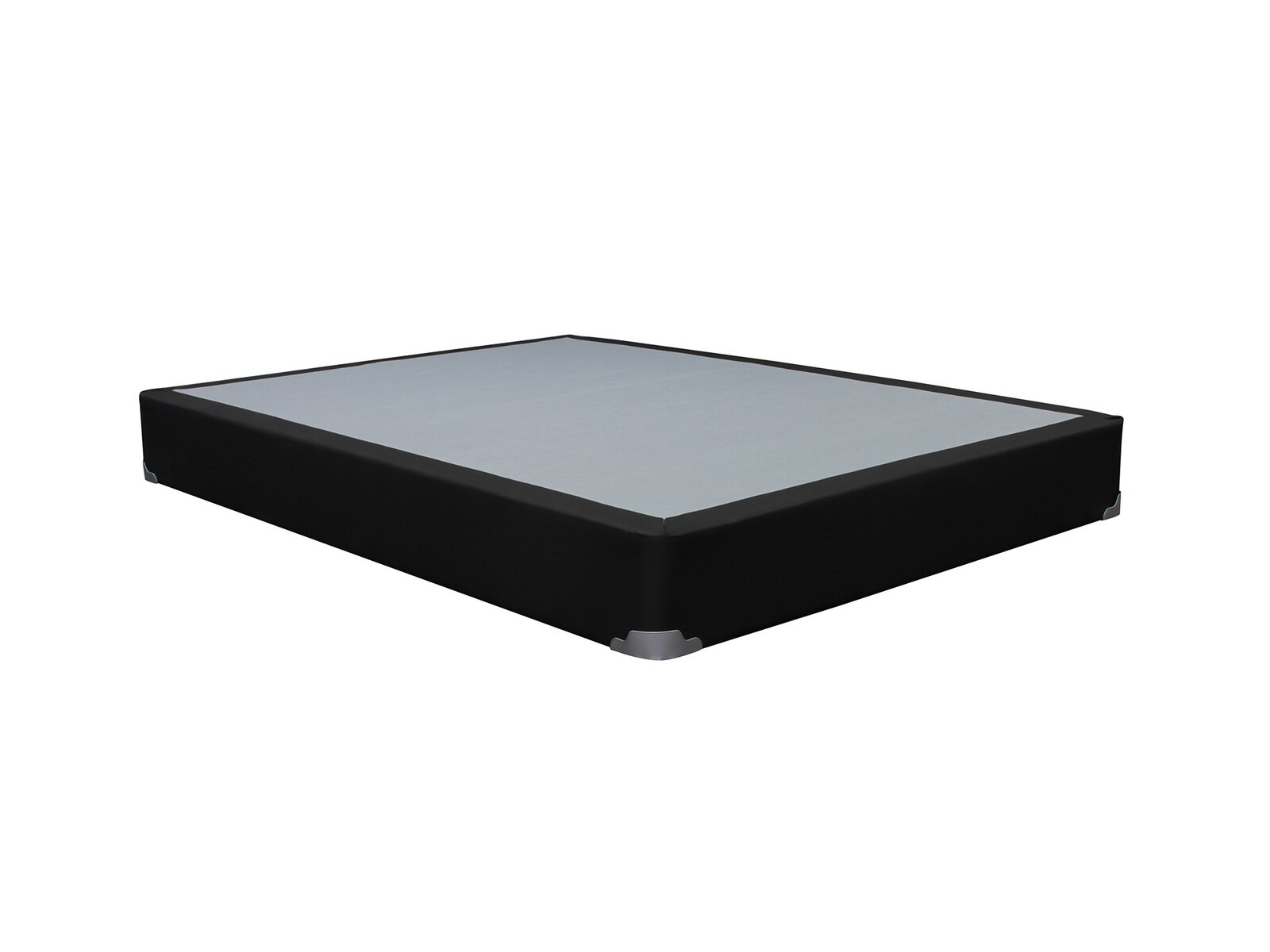
Family life also puts mattress care and durability into focus. A glass of water tipped over during story time, an unexpected overnight accident or a pet settling onto the covers can make a protective layer especially useful. A washable, water-resistant or waterproof mattress protector can help shield the surface from everyday spills, provided it fits securely and follows the mattress manufacturer’s recommendations. These terms are not interchangeable: water-resistant fabric may handle a small splash, while waterproof protection is designed to block liquid penetration. Breathability, fabric feel and washing instructions matter because the protector becomes part of the sleep surface. Fitted sheets should accommodate the combined depth of the mattress and protector without pulling loose at the corners. Routine care is usually straightforward, but it depends on the construction. Some mattresses can be rotated from head to foot to distribute wear; many are designed for use on one side and should not be flipped. Manufacturer instructions take priority over general habits, including directions for spot cleaning, drying and using a foundation. A supportive frame with the required center support and appropriate slat spacing helps the mattress perform as intended. Keeping children from jumping on the bed can also reduce unnecessary stress on the mattress and frame. Mattress thickness alone is not a reliable measure of durability, and a plush quilted surface does not reveal the quality of the layers underneath. Clear construction details, compatible support requirements and understandable care instructions provide more useful context. For a frequently used child’s bed, easy upkeep and a size that accommodates continued growth may matter most. For a guest room used by visiting grandparents or relatives, a balanced feel and a manageable bed height may be more practical than a deeply cushioned surface. Adults sharing a mattress may place greater importance on motion isolation and usable space across the bed. Matching those real routines to the mattress helps create bedrooms that remain comfortable and functional as children grow, rooms change and family members settle in for the night.