Bedroom aesthetic beds combine a room’s visual style with the practical structure needed to support a compatible mattress. Clean lines, warm neutral colors and tactile materials such as velvet, bouclé, oak and walnut give these beds their character, whether the overall look is minimal, relaxed or richly layered. Because a bed occupies so much of a bedroom’s floor space, its shape and finish can establish the tone for everything around it. A low-profile frame with slender legs leaves more of the floor visible, creating an open appearance in a compact room. A substantial upholstered headboard gives a larger space a defined focal point, especially against a plain wall. Wood brings grain patterns and subtle variations in color, while upholstery introduces softness through both its surface and its silhouette. Oak often has a more pronounced grain; walnut typically contributes deeper brown tones. Actual appearance varies with the finish, so the material name alone does not tell the whole story. Solid wood and wood veneer also describe different construction methods: veneer is a thin layer of wood applied over a supporting core, while solid wood components are wood throughout their thickness. Either can contribute to a cohesive bedroom when the construction and finish suit everyday use. Upholstered designs offer another range of effects. Velvet has a directional pile that can look lighter or darker depending on the angle, bouclé creates a looped texture and woven fabrics can provide a quieter backdrop for patterned bedding. A curved headboard softens the geometry of rectangular nightstands, while a straight, tailored headboard can balance a room with rounded lamps and plush textiles. Matching every finish is not necessary. Repeating one element, such as a similar wood tone or a softly rounded edge, can connect the bed to the rest of the space without making the room feel overly coordinated. The result is a bedroom with a clear visual center and enough flexibility for bedding, artwork and personal details to change over time.
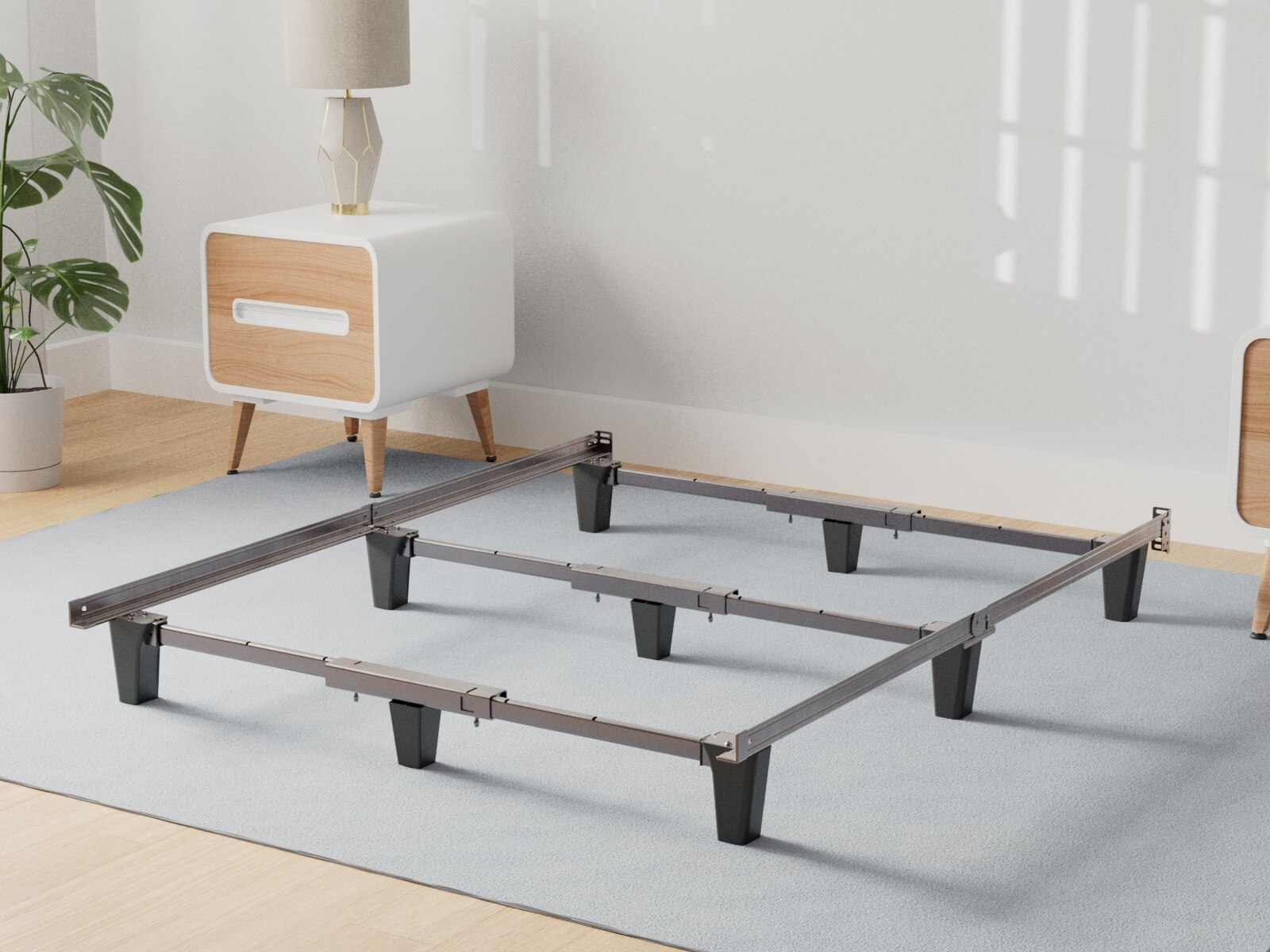
Proportion matters as much as color when a bed becomes part of a bedroom’s aesthetic. Mattress size is only one measurement; the complete frame may extend beyond it, particularly with wide upholstered rails, winged headboards or projecting footboards. In a smaller bedroom, those extra inches can affect whether a dresser opens fully or whether there is a comfortable path beside the bed. A queen mattress may suit one room, while a king may work better in another, but the best visual fit depends on the full footprint and the furniture surrounding it. Headboard height deserves the same attention. A tall headboard can anchor a wall with generous ceiling height, while a shorter design may sit more comfortably beneath artwork or a window, provided it does not block access or interfere with window coverings. Mattress thickness changes how much of the headboard remains visible and affects the finished height of the sleeping surface. Someone who prefers sitting on the edge of the bed to get dressed may value a different height than someone drawn to a very low silhouette. Support requirements are equally important beneath the surface. Some platform beds are designed to support a mattress without an additional foundation, while other frames require one. Slat spacing, center support and weight limits should match the mattress manufacturer’s requirements and the bed’s specifications. An adjustable base also needs compatible dimensions and clearance; a decorative frame alone does not establish compatibility. Storage beds add another practical consideration, since drawers need room to open without meeting a nightstand or wall. Open space beneath a frame may accommodate storage containers and cleaning tools, but usable clearance varies. For a shared bedroom, a guest room or an apartment where furniture serves several purposes, these details shape how naturally the bed fits into daily routines. Delivery access and assembly matter, too. The dimensions of packaged components, stairways and door openings can influence whether a design reaches the room easily, especially when a headboard is broad or assembled in one piece.
The materials that create a bed’s appearance also influence its care and how it wears with use. Upholstered rails and headboards can make contact feel softer, but fabric texture deserves consideration in homes with pets or frequent activity around the bed. Looped surfaces may catch on claws, while velvet can show impressions or changes in pile direction. These characteristics do not necessarily indicate damage, but they can affect how tidy the surface looks between cleanings. Care should follow the manufacturer’s instructions, including any fabric cleaning code. Gentle vacuuming with an appropriate attachment can help remove surface dust when permitted, and spills are generally easier to address promptly than after they settle into the material. Cleaning solutions should be tested in an inconspicuous area before broader use. Wood finishes have different needs: a soft cloth and approved cleaning method help preserve the surface without unnecessary moisture or abrasive scrubbing. Strong sunlight may alter the appearance of some fabrics and finishes over time. Beyond surface care, durable construction depends on sound connections, appropriate support and correct assembly rather than appearance alone. Hardware should be checked and maintained as directed, particularly after a move. For a primary bedroom, an upholstered headboard may provide a comfortable surface for sitting up with a book, although its cushioning and shape vary. In a guest room, a simpler frame can leave more space for luggage and movement. A bed given as a housewarming or wedding gift is most useful when the recipient’s mattress dimensions, room measurements and style preferences are already known. Related inspiration in
Home Decor Beds can help connect the bed’s silhouette with the room’s broader look. Crisp bedding can emphasize a tailored frame, while textured layers soften a streamlined one. A carefully proportioned bed does not need elaborate styling to feel complete; its materials, construction and relationship to the room can provide lasting visual interest while supporting everyday use.